
Fukushima’s standing-bar culture rewards places that keep the format disciplined: quick pacing, tight counters, sake within easy reach, and food that can carry a serious drinker’s evening without turning formal. Tachinomi Jack to Machilda sits in that lane, a fish-focused tachinomi selected for Tabelog 100 Tachinomi 2025 and shaped by the district’s after-work rhythm.
Pearl is the En Primeur Club membership app — saves, bookings, and concierge access live there. Same editors, same standards.
- Address
- 大阪府大阪市福島区福島5-6-8
- Website
- kuramaproject.com
 Saves & bookings on Pearl
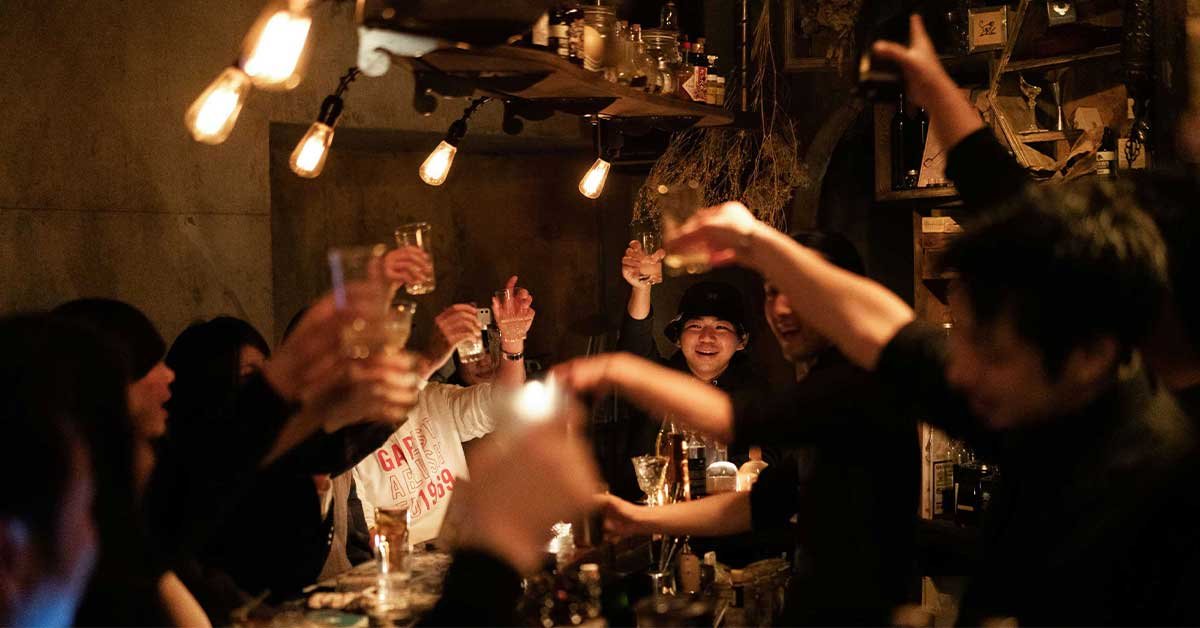
After dark, Fukushima changes register quickly: office blocks give way to compact lanes, station traffic thins into small groups, and standing bars define the evening. This is not kaiseki ceremony or omakase choreography. The appeal is compression: a counter, a glass, a few plates, and momentum.
Tachinomi Jack to Machilda belongs to Osaka’s tradition of drinking places where food is not an afterthought. Its recognition on Tabelog 100 Tachinomi 2025 matters because tachinomi is often misread outside Japan as merely casual or cheap. In Osaka, the sharper version is specific: a standing format with disciplined turnover, a sake-and-shochu drink list, and cooking that supports repeat local use rather than novelty tourism.
Fukushima's station-side drinking culture, without the sit-down script
Fukushima has become one of Osaka’s more useful dining districts because it does not behave like a single-theme restaurant quarter. Around the stations, the mix runs from Italian-leaning neighborhood rooms such as Trattoria da giacomo to leaner drinking formats such as Rojiura Avant-garde. That spread gives the area its character: diners can commit to a full meal, graze across counters, or treat the evening as a sequence of small decisions.
Within that pattern, tachinomi plays a different role from a seated izakaya. Standing changes the tempo: orders are direct, tables do not encourage lingering, and the social contract is built around movement. Tachinomi Jack to Machilda uses that structure rather than softening it into a themed restaurant experience. The format is the point: compact, drink-led, and suited to Fukushima’s post-station flow.
The fish focus places it in a more serious bracket than “standing bar” may suggest. Osaka drinking culture has long rewarded places pairing affordable alcohol with seafood, fried items, simmered dishes, or seasonal small plates, but stronger rooms have food programs that bear scrutiny. Here, public markers point toward fish, sake, and shochu rather than a broad all-purpose menu, making it better for a focused Japanese evening than a long Western-style dinner arc.
Why the Tabelog tachinomi selection matters in Osaka
Tabelog’s Hyakumeiten lists are useful where formal awards pay less attention. Tachinomi rarely receives the international scrutiny given to sushi, tempura, or French-influenced tasting menus, yet it helps explain how Osaka actually eats and drinks. Selection for Tabelog 100 Tachinomi 2025 signals judgment within its own category, not against unrelated luxury dining standards.
That distinction matters. A standing bar should not be assessed like a hotel restaurant: spacious seating, lengthy service rituals, or a choreographed tasting sequence. The local comparison set is tighter. How well does the room handle pace? Do the drinks match the food? Is the format disciplined rather than decorative? Those are the category questions.
Fukushima’s broader range clarifies the choice. For a seated, higher-spend Italian dinner, Trattoria da giacomo occupies another lane. For quick, low-commitment drinking, Rojiura Avant-garde sits closer in budget and mood. Tachinomi Jack to Machilda is the more fish-and-nihonshu-facing option in that local triangle, read through Osaka’s standing-bar habits rather than international fine-dining expectations.
For wider planning, cross-check by category rather than treating one venue as the whole answer. Our full Fukushima restaurants guide gives the restaurant spread; Our full Fukushima bars guide is the natural companion for tachinomi-led nights. Travelers building a broader city stay can also use Our full Fukushima hotels guide, Our full Fukushima wineries guide, and Our full Fukushima experiences guide to separate eating, drinking, lodging, and cultural time rather than forcing everything into one itinerary.
How to read the room before choosing it
Expect a standing-bar evening, not a restaurant for long celebrations. The venue is strongest as part of an Osaka night centered on drinks and small plates, especially for travelers interested in local format over dining-room ceremony. The absence of private-room infrastructure and the standing-only setup keep it closer to neighborhood use than occasion dining.
That does not mean careless casualness. Osaka has a demanding audience for everyday food, and a tachinomi with category recognition must work within tight limits: small footprint, quick decisions, and enough consistency to keep regulars returning. The appeal is not spectacle, but a format confident in its purpose.
Fukushima is also a good district for comparative eating. A visitor could read Osaka through several formats in a few evenings: coffee culture at CAFE BAHNHOF, bistro pacing at Bistro Mikasa, Asian casual cooking at Asia Shokudo Chouku, shabu-shabu specialization at Agu Buta Shabushabu Senmon Ten Toriou Bettei, and another local restaurant register at age. The restaurant is clearer in that company: it represents the standing-drink end of the spectrum, where brevity and precision matter.
Readers mapping Japanese casual dining beyond Osaka can compare format rather than cuisine alone. -Grilled beef Sukiyaki- KAMAKURA TANUKIAN 鎌倉 たぬき庵 in Kamakura. 鮪と炭火焼き うお炭 秋葉原店 in Tokyo.cafe in Osaka.know in Kumamoto, (Shoku) Vietnam in Kawasaki, and [Curry Senmon Ten] Maruyama Kyoju. in Sapporo all show different specialization. Overseas, Jōdo Saké Bar in Los Angeles and Onigiri Time in Pasadena show how Japanese drinking and snack formats are translated abroad, often with more explanation and less compression than Osaka demands.
The editorial call is simple: choose this for Fukushima’s standing-bar grammar, fish-led drinking, and the credibility of Tabelog 100 Tachinomi 2025. Choose elsewhere if the evening needs chairs, privacy, or a slow multi-course structure. In Osaka terms, that is not a compromise; it is the difference between entering the district’s rhythm and asking it to behave like another city.
A Lean Comparison
Comparable venues by cuisine and price in the same metro.
| Venue | Cuisine | Price | Notes |
|---|---|---|---|
| Tachinomi Jack to MachildaThis venue — the venue you are viewing | Not listed | $ | Not listed |
| Ramen Kozou | Fukushima, Rich Tonkotsu Ramen | $ | Not listed |
| Ramen Jinsei JET | Fukushima, Japanese Ramen | $ | Not listed |
| Sumibi Yakitori Torio | Fukushima, Yakitori Izakaya | $$ | Not listed |
| KANNOSUKE | Not listed | $ | Fukushima, Yoshoku (Japanese-style Western cuisine) & Hamburg steak |
| Mitsuboshi Seimenjo Fukushima honten | Fukushima-ku, Ramen & Tsukemen Shop | $ | Not listed |
Recognition history
Dated appearances from independent guides and award organizations, with the underlying list record or original source where available.
Tabelog 100 #8 · No. 8
Tabelog · Tabelog 100 - Tachinomi - 2025
Continue exploring
More in Fukushima
Restaurants in Fukushima
Browse all →




Bars in Fukushima
Browse all →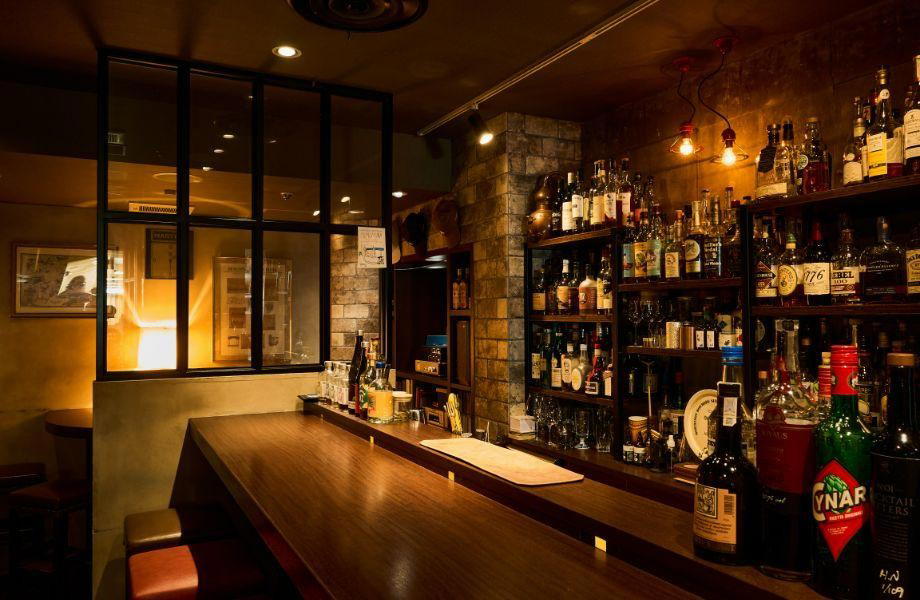
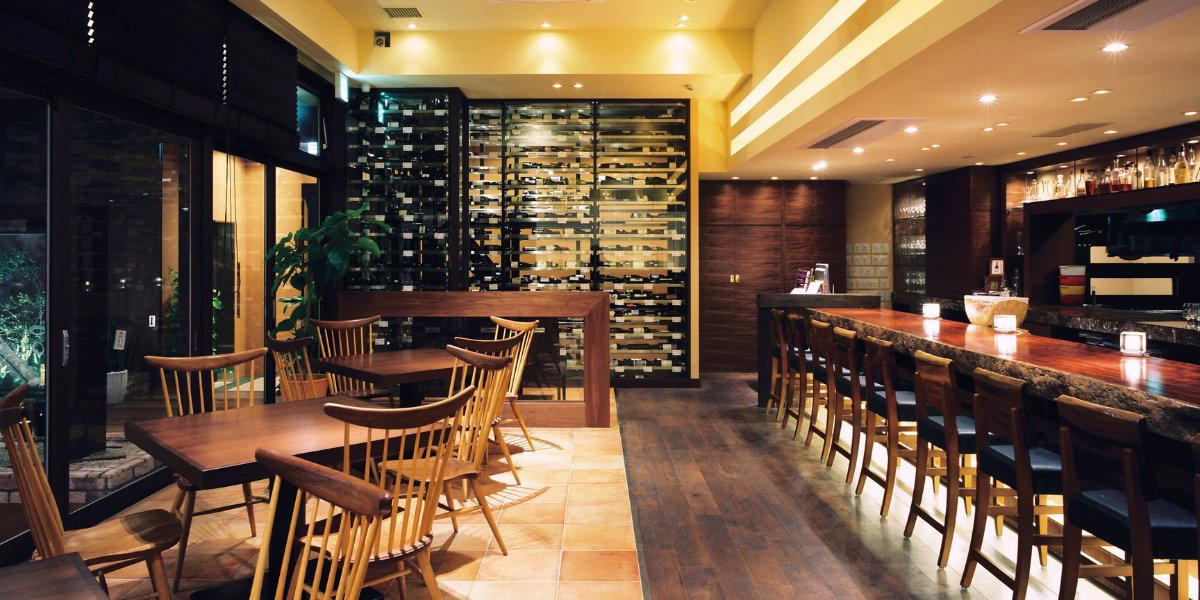

Hotels in Fukushima
Browse all →



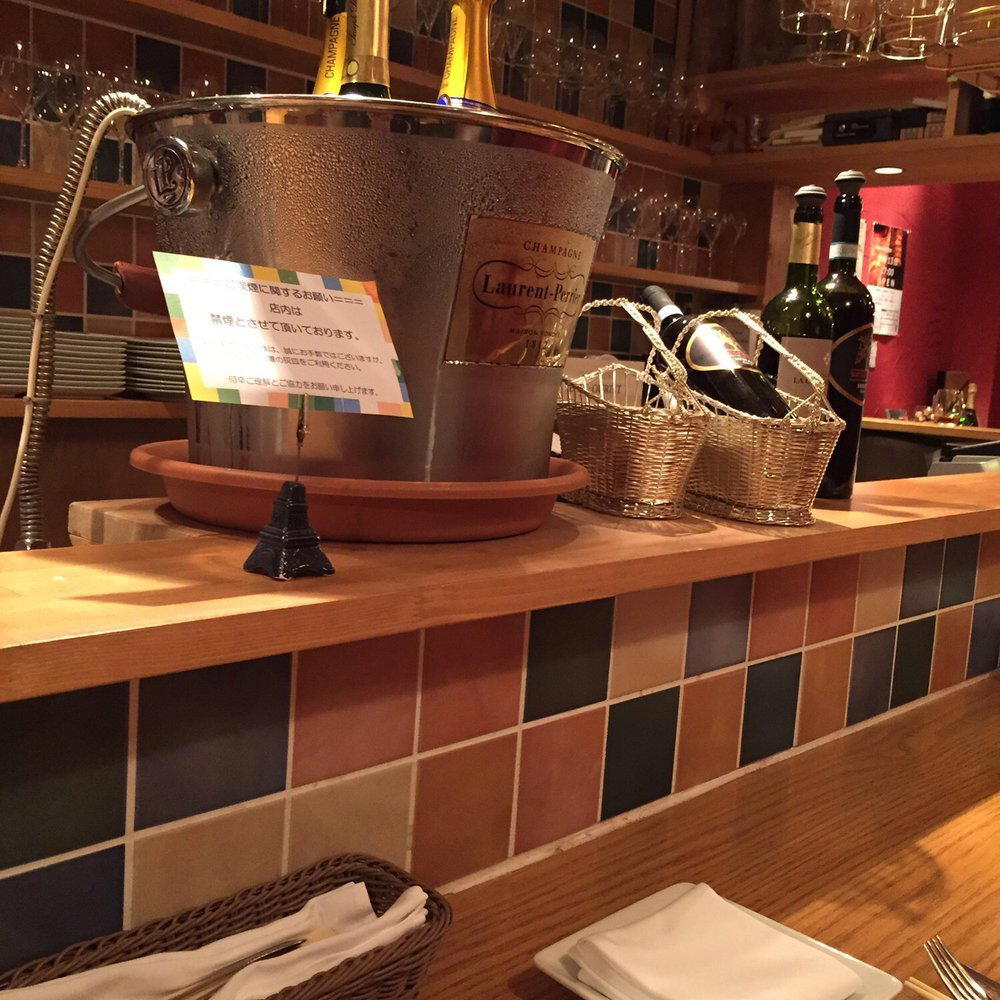
Wineries in Fukushima
Browse all →
At a Glance
- Lively
- Cozy
- Trendy
- Energetic
- After Work
- Casual Hangout
- Solo
- Group Dining
- Late Night
- Standalone
- Sake Program
- Beer Program