
KANNOSUKE gives Osaka’s Fukushima district a compact, counter-led reading of yoshoku, the Japanese Western cooking tradition built around hamburger steak, steak and everyday precision rather than ceremony. Its selection for Tabelog 100 Yoshoku WEST 2025 places it in a crowded regional category where sourcing, doneness and consistency carry more weight than luxury signals.
Pearl is the En Primeur Club membership app — saves, bookings, and concierge access live there. Same editors, same standards.
- Address
- 大阪府大阪市福島区福島3-8-10
- Website
- tabelog.com
 Saves & bookings on Pearl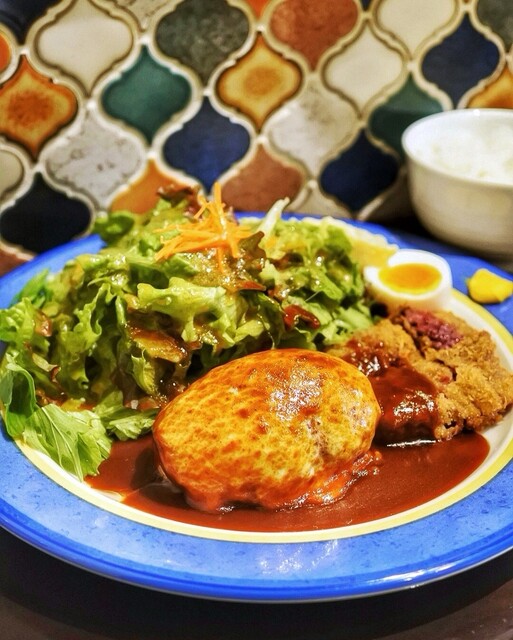
Approaching a small yoshoku counter in Fukushima, the clues are practical before they are theatrical: a compact room, counter seating, a rhythm built around quick turnover and cooking that depends on timing rather than table-side drama. This is not Osaka’s formal dining face. It is the city’s working appetite translated through Japanese Western food, where hamburger steak and steak sit beside rice, sauce and careful heat control.
Yoshoku in Kansai has always been a cuisine of adaptation. Imported Western formats were absorbed into Japanese kitchens, then tightened into dishes that rely on domestic expectations of texture, portion, seasoning and value. In that context, KANNOSUKE belongs to the everyday end of a serious tradition: affordable, meat-led, and judged by repetition. A selection for Tabelog 100 Yoshoku WEST 2025 matters because this category is not short of competition across western Japan. Recognition here signals consistency in a field where small differences in sourcing, grind, browning and sauce can decide reputation.
Yoshoku in Fukushima is about sourcing, heat and value, not ceremony
Fukushima’s restaurant scene has a different register from the grand-hotel dining rooms and destination counters clustered elsewhere in Osaka. The district rewards compact formats, late-day flexibility and restaurants that can serve local regulars without flattening their cooking into chain logic. Within that pattern, yoshoku works especially well: it is familiar enough for repeat use, but technically exposed enough that poor meat, careless pan work or thin sauce has nowhere to hide.
The categories attached to KANNOSUKE are narrow and useful: yoshoku, hamburger steak and steak. That focus matters. In Japanese Western cooking, the ingredient conversation is less about luxury sourcing language and more about what the kitchen does with beef once it is portioned, seasoned and put under heat. Hamburger steak is a test of grind, fat balance and juiciness; steak is a test of cut selection and doneness. Neither format gives a kitchen much cover. At this price tier, the point is not abundance, but whether the plate feels deliberate.
That is why the restaurant sits apart from several nearby Fukushima choices without needing to mimic fine dining. Ramen Kozou and Resshi Shoyu Menkobo Sanku occupy a similarly accessible spend band, but ramen frames value through broth, noodle texture and speed. Korean Shokudo Iru and Modern Thai CIEL Oosaka honten move the conversation toward stronger seasoning systems and dinner-driven group use. Evoluer operates in a higher bracket, where course structure and wine-pairing expectations change the terms of judgment. Yoshoku at this scale is judged closer to a craft lunch counter: repeatability, ingredient handling and whether the room feels built for the food rather than for spectacle.
The counter format keeps the cooking exposed
Counter seating is more than a layout choice in small Japanese restaurants. It compresses the distance between cooking and eating, and it makes timing visible. For yoshoku, that is useful because the appeal is immediate: meat coming off heat, sauce meeting rice, the meal moving without a long arc. The room’s 20-seat scale keeps the experience personal without turning it into a chef biography. No chef name needs to dominate the story; the format puts the food system first.
The Tabelog score of 3.59 and the 2025 Yoshoku WEST selection give outside shape to that reputation, but the more telling signal is the combination of small capacity, counter seating and a menu identity built around beef-forward yoshoku. Osaka has many restaurants where Western influence becomes elaborate, nostalgic or decorative. Here the tradition is treated as a compact urban meal: priced for regular use, grounded in meat cookery, and suited to solo dining as much as a planned night out.
For readers mapping the wider city, KANNOSUKE is better understood as part of Fukushima’s everyday precision culture than as a standalone destination demanding a special itinerary. Nearby dining can swing from ramen to Thai, Korean and French-leaning formats in a few blocks, which makes the district useful for travelers who prefer neighbourhood density over single-address tourism. For broader planning, see Our full Fukushima restaurants guide, with related city coverage in Our full Fukushima hotels guide, Our full Fukushima bars guide, Our full Fukushima wineries guide and Our full Fukushima experiences guide.
How to place it in an Osaka food day
This is the kind of address that fits a day built around Osaka’s smaller stations rather than a single grand reservation. Shin-Fukushima gives access to a dense dining pocket, and the venue’s scale suits a solo meal or a focused stop before moving elsewhere in the district. The cash-only payment setup and absence of private rooms point to a direct, old-school rhythm: arrive prepared, eat at the pace of the counter, and let the restaurant do the narrow thing it is recognized for.
Travelers comparing casual Japanese formats across cities can use it as a reference point for how local yoshoku differs from other comfort-food traditions. Osaka’s meat-led Western cooking has little in common with the coffee-shop cadence of .cafe in Osaka, the sake-bar framing at Jōdo Saké Bar in Los Angeles, or the portable rice focus of Onigiri Time in Pasadena. It also reads differently from regional specialists such as [Curry Senmon Ten] Maruyama Kyoju. in Sapporo, (Shoku) Vietnam in Kawasaki, .know in Kumamoto. 鮪と炭火焼き うお炭 秋葉原店 in Tokyo and -Grilled beef Sukiyaki- KAMAKURA TANUKIAN 鎌倉 たぬき庵 in Kamakura.
Within Fukushima itself, cross-checking different formats sharpens the point. age, Agu Buta Shabushabu Senmon Ten Toriou Bettei, Asia Shokudo Chouku, Bistro Mikasa and CAFE BAHNHOF show how varied the neighbourhood can be at close range. KANNOSUKE’s role is narrower: a compact yoshoku counter where meat sourcing, heat and value carry the argument.
Comparable Spots, Quickly
Nearby venues at a similar price tier for orientation.
| Venue | Cuisine | Price | Notes |
|---|---|---|---|
| KANNOSUKE | Yoshoku (Japanese-style Western cuisine) & Hamburg steak | $ | Fukushima |
| Shoku Pan Kobo Rami Fukushima honten | Japanese shokupan bakery | $ | Fukushima |
| Ramen Jinsei JET | Japanese Ramen | $ | Fukushima |
| CAFE BAHNHOF | Specialty coffee & German-style sweets cafe | $ | Fukushima Ward |
| Sumibiyakitori Coquelet | Modern Yakitori Izakaya | $$ | Fukushima |
| Ponshuya Santoku Rokumi Fukushima honten | Standing Japanese sake bar & izakaya | $$ | Fukushima |
Recognition history
Dated appearances from independent guides and award organizations, with the underlying list record or original source where available.
Tabelog 100 #76 · No. 76
Tabelog · Tabelog 100 - Yoshoku - WEST - 2025
Continue exploring
More in Fukushima
Restaurants in Fukushima
Browse all →




Bars in Fukushima
Browse all →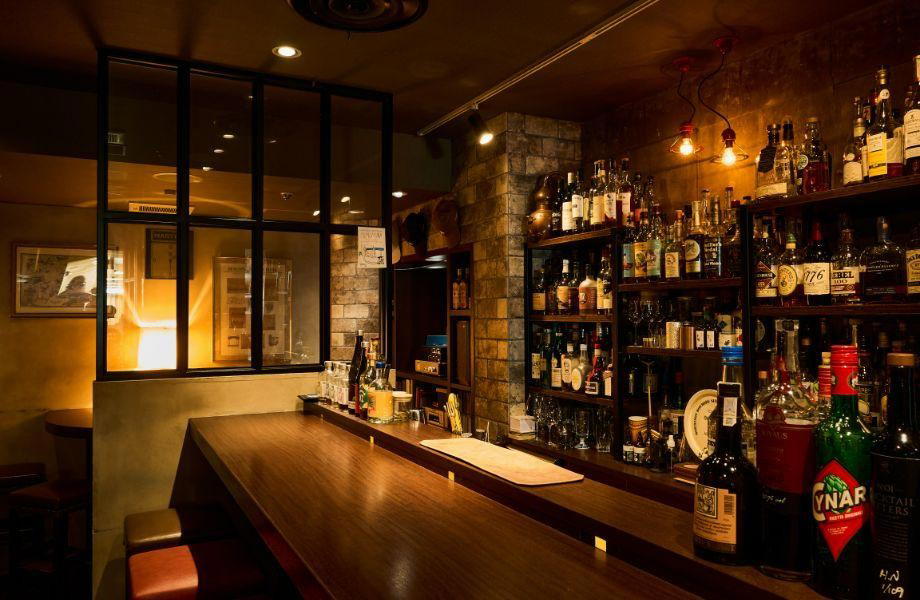
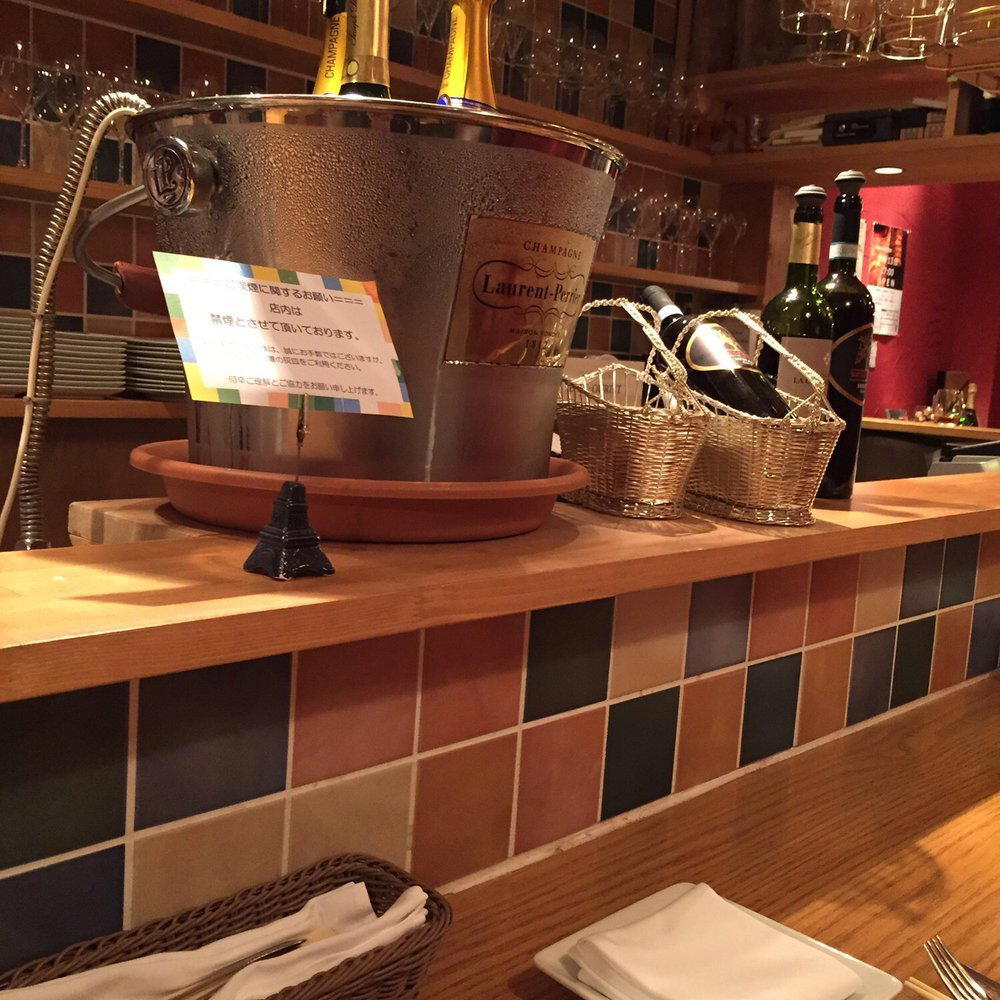

Hotels in Fukushima
Browse all →



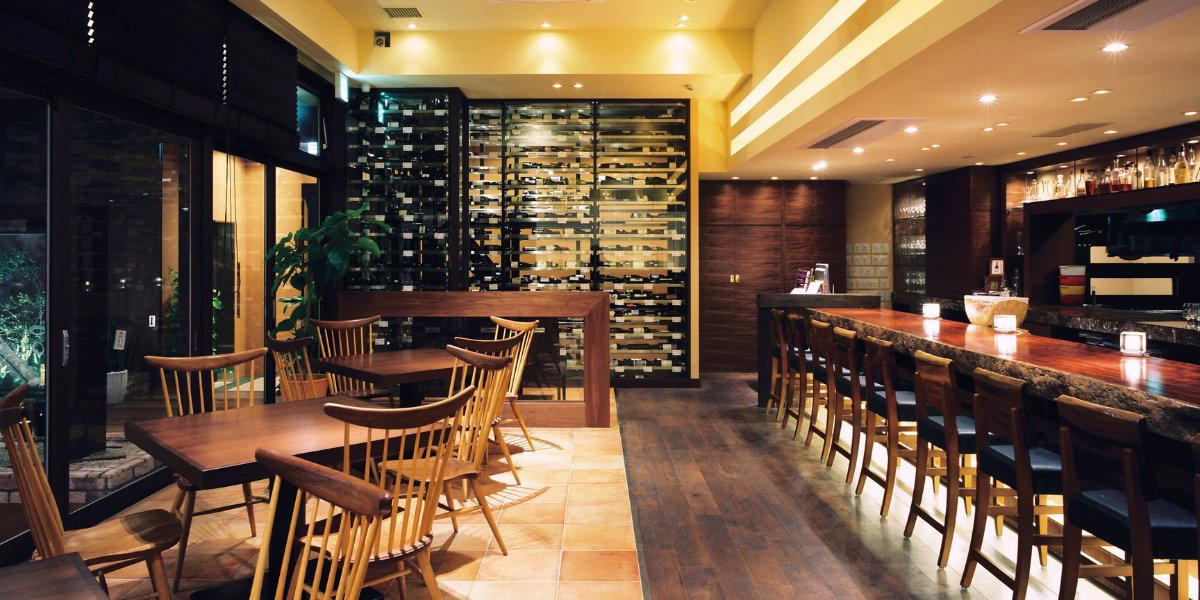
Wineries in Fukushima
Browse all →
At a Glance
- Cozy
- Casual
- Intimate
- Solo
- Casual Hangout
- After Work
- Standalone
A small, non‑smoking yoshoku counter with about 20 seats, casual and cozy rather than formal, suited to solo diners and quick, satisfying meals.