
Ramen Kozou sits in Osaka’s Fukushima district, a compact ramen counter culture where price discipline and broth identity matter more than ceremony. Its Tabelog 100 - Ramen - OSAKA 2025 selection, 12-seat format, and ramen-tsukemen-abura-soba range place it in the serious everyday tier rather than the destination tasting-menu economy.
Pearl is the En Primeur Club membership app — saves, bookings, and concierge access live there. Same editors, same standards.
- Address
- 大阪府大阪市福島区福島3-8-10
- Phone
- +81664533436
- Website
- tabelog.com
 Saves & bookings on Pearl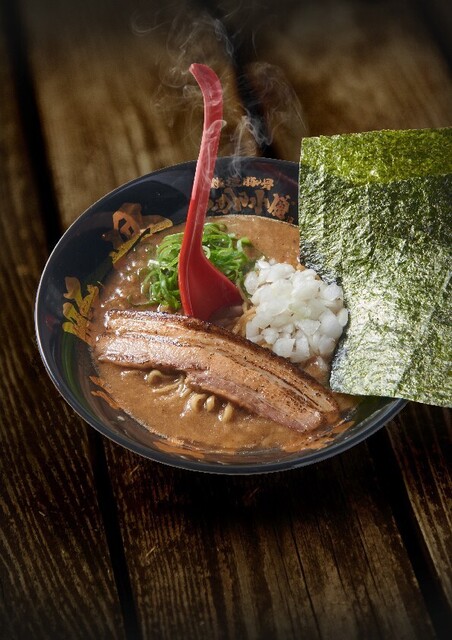
Fukushima’s ramen addresses often announce themselves late: a side street, short frontage, the practical glow of a counter rather than dining-room theatre. That setting matters. Osaka ramen culture rewards speed, repeatability, and a sharply defined bowl, especially where office workers, solo diners, and late-evening regulars make ramen part of the weekly rhythm, not a special occasion. Ramen Kozou fits that compact grammar: 12 seats, counter-led service, no private rooms, and a menu built around ramen, tsukemen, abura-soba, and maze-soba.
The ingredient story is unusually direct for this price tier. The house identity is tonkotsu made from domestic pork bones and water, a sourcing claim that gives the bowl its editorial interest. In Kansai, pork-bone ramen competes with Hakata associations and Osaka’s appetite for intensity, value, and texture. By keeping the broth conversation focused on pork bones rather than add-ons, the shop makes a clear wager: depth comes from extraction and control, not decorative complexity.
Domestic pork bones define the Fukushima ramen argument
Ramen in Osaka is not one school. Shoyu, tori-paitan, niboshi-led bowls, tsukemen shops, and heavy tonkotsu counters compete in the same casual bracket. Ramen Kozou’s recognition by Tabelog 100 - Ramen - OSAKA 2025 places it in a curated Osaka ramen group, not a luxury restaurant category, and that distinction helps. Average spend is JPY 1,000 - JPY 1,999 at lunch and dinner, so the comparison is not kaiseki or sushi counters but focused noodle shops where broth clarity, noodle handling, and repeat appeal carry the experience.
That bracket includes local peers such as Resshi Shoyu Menkobo Sanku, also around JPY 1,000 - JPY 1,999, and KANNOSUKE, in a similarly accessible range. The difference is how each shop positions flavour. Shoyu-led ramen foregrounds tare, aroma oil, and stock transparency; tonkotsu pushes body, collagen, and pork intensity. Ramen Kozou’s pork-bone focus gives it a heavier centre of gravity, for diners wanting density rather than delicacy.
The menu categories widen the choice without making the room a generalist canteen. Tsukemen shifts attention to dipping concentration and noodle chew; abura-soba and maze-soba reduce the broth question and foreground seasoning, fat, and mixing. That range is common in contemporary ramen shops, but it works only when the base identity is clear. Here, the pork-bone claim gives the formats a reference point rather than leaving disconnected alternatives.
A small counter in a competitive dining district
Fukushima, in Osaka rather than the northeastern prefecture, is one of the city’s useful dining districts because it handles contradiction well. It is central without feeling like a department-store restaurant floor, casual without being thin, and broad enough to hold ramen, bistros, izakaya formats, coffee shops, Thai cooking, Korean dining, and specialist counters within a short walk. For a wider scan, Our full Fukushima restaurants guide gives neighbourhood context; travellers building a broader stay can also cross-check Our full Fukushima hotels guide, Our full Fukushima bars guide, Our full Fukushima wineries guide, and Our full Fukushima experiences guide.
That breadth shapes how to read this ramen counter. It is not competing with dinner rooms such as Korean Shokudo Iru at JPY 4,000 - JPY 4,999 or Modern Thai CIEL Oosaka honten at JPY 5,000 - JPY 5,999 for dinner. It sits in the lower-spend, high-frequency lane, where 12 seats and no reservations change the rhythm. The format favours solo diners and small groups who can move with the room rather than stretch the evening. Children are welcomed, including babies, preschoolers, and school-age children, and strollers are accepted, giving the address more neighbourhood utility than many counter-heavy ramen shops.
Recognition needs proportion. Tabelog selection is a meaningful signal in Japan’s user-review dining culture, especially for ramen, where Michelin-style hierarchies capture only part of the field. The shop’s 2025 Osaka ramen selection follows Tabelog 100 appearances in 2024, 2023, and a WEST ramen selection in 2022. That continuity says more than one badge: it suggests the address has stayed visible in a crowded, fast-moving category since opening in 2014.
How to place it in an Osaka eating day
The practical case is strongest when the restaurant is treated as a precise noodle stop, not the anchor for a long dining itinerary. The nearest station is Shin-Fukushima, and the address is in a back alley, so checking a map before arrival is sensible. Parking is not provided, though coin parking is nearby. Credit cards and electronic money are not accepted; QR code payment is accepted through PayPay and Rakuten Pay. Take-out and delivery add flexibility, but the counter remains the clearest way to understand the format.
For travellers comparing styles across the area, nearby EP Club listings such as age, Agu Buta Shabushabu Senmon Ten Toriou Bettei, Asia Shokudo Chouku, Bistro Mikasa, and CAFE BAHNHOF show how Fukushima’s casual dining range extends beyond noodles. The ramen counter is sharper and faster: lower spend, less ceremony, and a narrower test of kitchen identity.
The broader Japanese map reinforces the point. Specialist formats can be as narrow as [Curry Senmon Ten] Maruyama Kyoju. in Sapporo or as ingredient-led as -Grilled beef Sukiyaki- KAMAKURA TANUKIAN 鎌倉 たぬき庵 in Kamakura. Urban casual dining can tilt toward seafood and charcoal at. 鮪と炭火焼き うお炭 秋葉原店 in Tokyo, café culture at.cafe in Osaka, regional drinking food at.know in Kumamoto, or Vietnamese cooking at (Shoku) Vietnam in Kawasaki. Abroad, Japanese-adjacent casual precision appears differently at Jōdo Saké Bar in Los Angeles and Onigiri Time in Pasadena. The restaurant’s appeal is more compressed: domestic pork bones, a small room, Osaka pricing, and enough recognition to justify the detour within Fukushima rather than across the entire city.
At-a-Glance Comparison
Nearby venues at a similar price tier for orientation.
| Venue | Cuisine | Price | Notes |
|---|---|---|---|
| Ramen KozouThis venue — the venue you are viewing | Rich Tonkotsu Ramen | $ | Not listed |
| Mitsuboshi Seimenjo Fukushima honten | Ramen & Tsukemen Shop | $ | Fukushima-ku |
| Shoppe Shoppe | Japanese Ramen | $$ | Fukushima |
| MONDIAL KAFFEE 328 GOLD RUSH | Specialty coffee & sweets cafe | $ | Fukushima |
| Ramen Jinsei JET | Japanese Ramen | $ | Fukushima |
| KANNOSUKE | Yoshoku (Japanese-style Western cuisine) & Hamburg steak | $ | Fukushima |
Recognition history
Dated appearances from independent guides and award organizations, with the underlying list record or original source where available.
Tabelog 100 #33 · No. 33
Tabelog · Tabelog 100 - Ramen - OSAKA - 2025
Continue exploring
More in Fukushima
Restaurants in Fukushima
Browse all →




Bars in Fukushima
Browse all →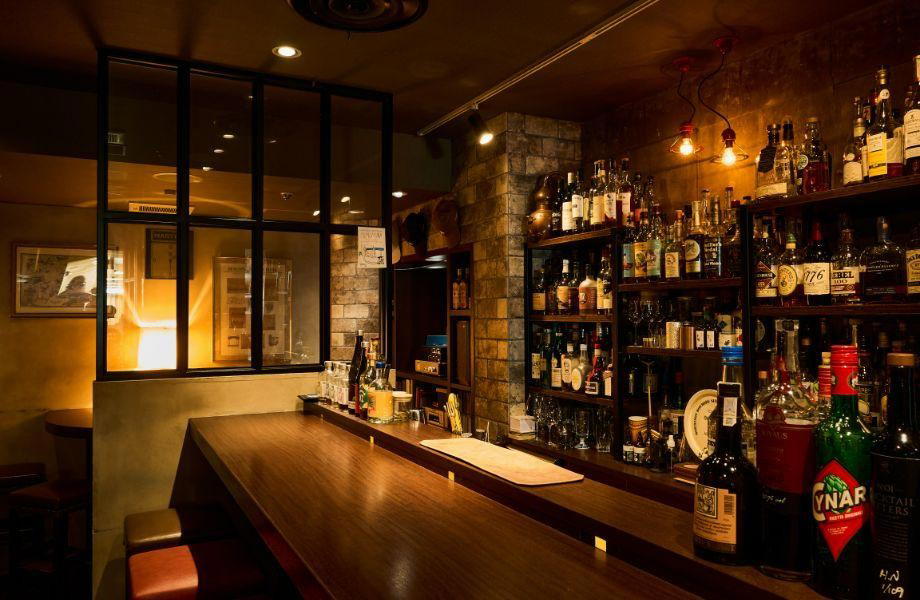
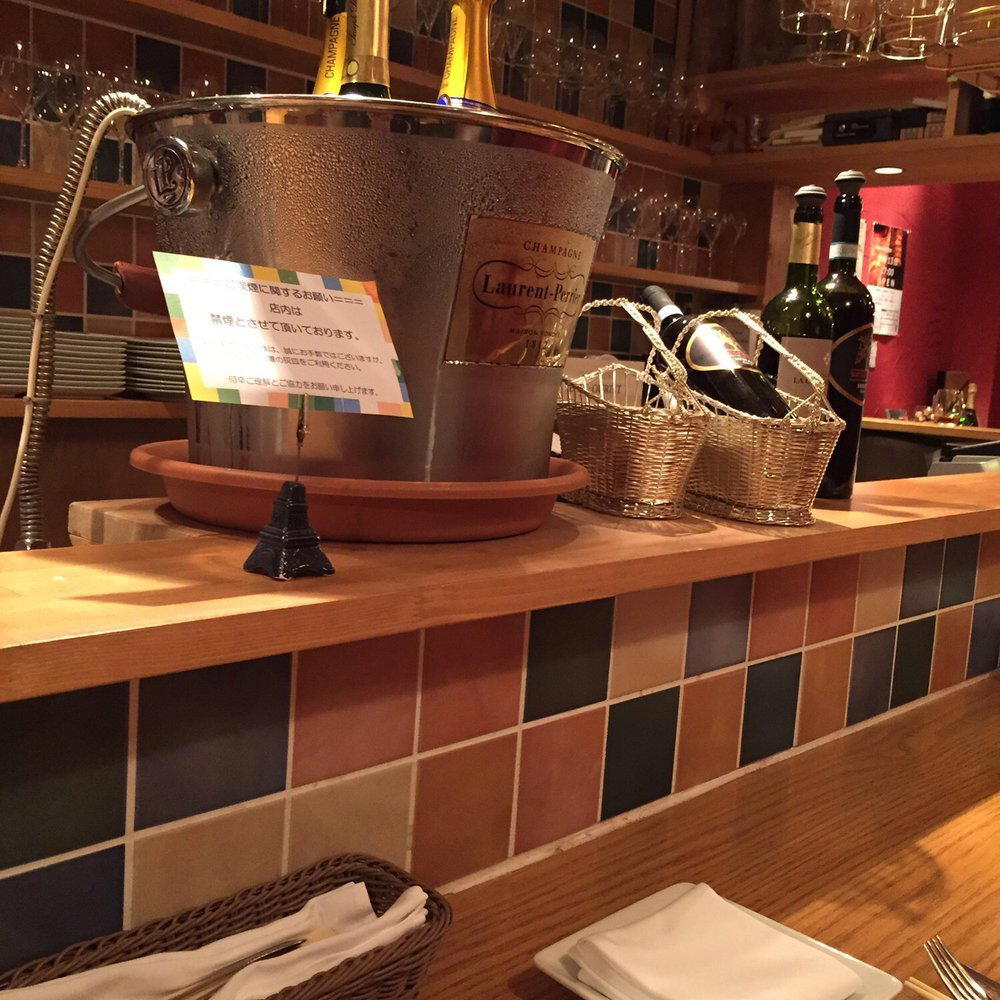

Hotels in Fukushima
Browse all →



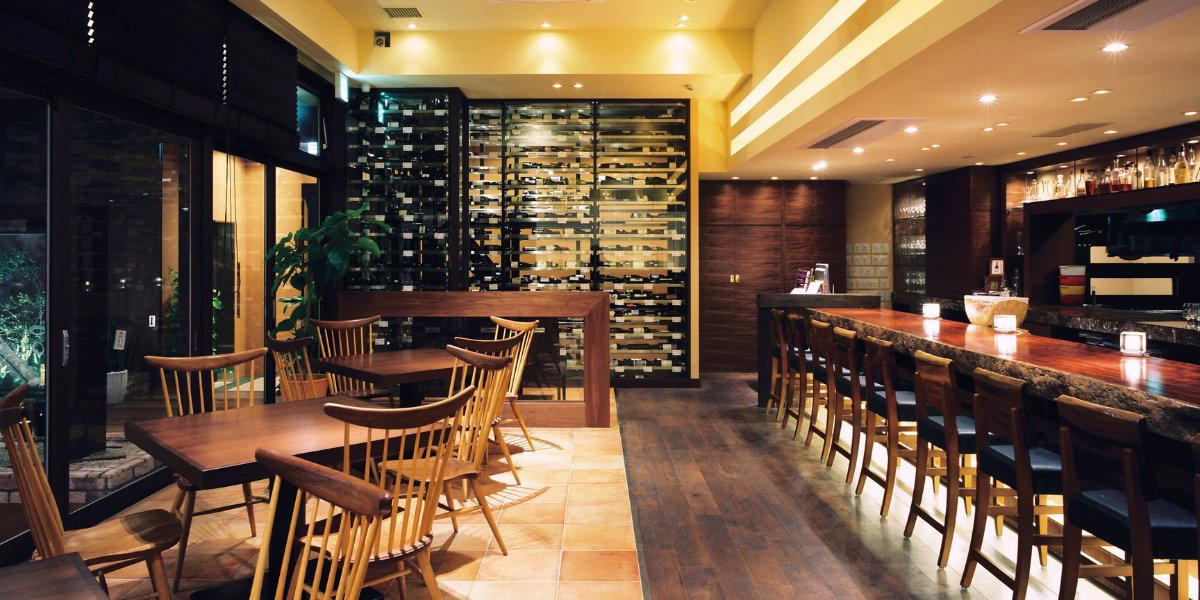
Wineries in Fukushima
Browse all →
At a Glance
- Lively
- Cozy
- Trendy
- Solo
- Family
- Casual Hangout
- After Work
- Standalone
Compact, casual ramen shop with counter-focused seating in a slightly hidden back alley; bright and bustling during meal times, with a relaxed, no-frills atmosphere centered on the steaming bowls of thick pork-bone broth.