
Tabelog 100 #56
Our verdict
Asia Shokudo Chouku brings Thai, Indian and broader Asian cooking into Osaka’s Fukushima dining mix through a compact, counter-led format rather than a large themed restaurant model. Its Tabelog 100 Asian cuisine / Ethnic cuisine WEST selections in 2022, 2023 and 2024 place it among the region’s more closely watched casual ethnic kitchens, with a dinner format shaped around courses rather than open-ended à la carte grazing.

Pearl is the En Primeur Club membership app, where members save venues, book tables and use the concierge.
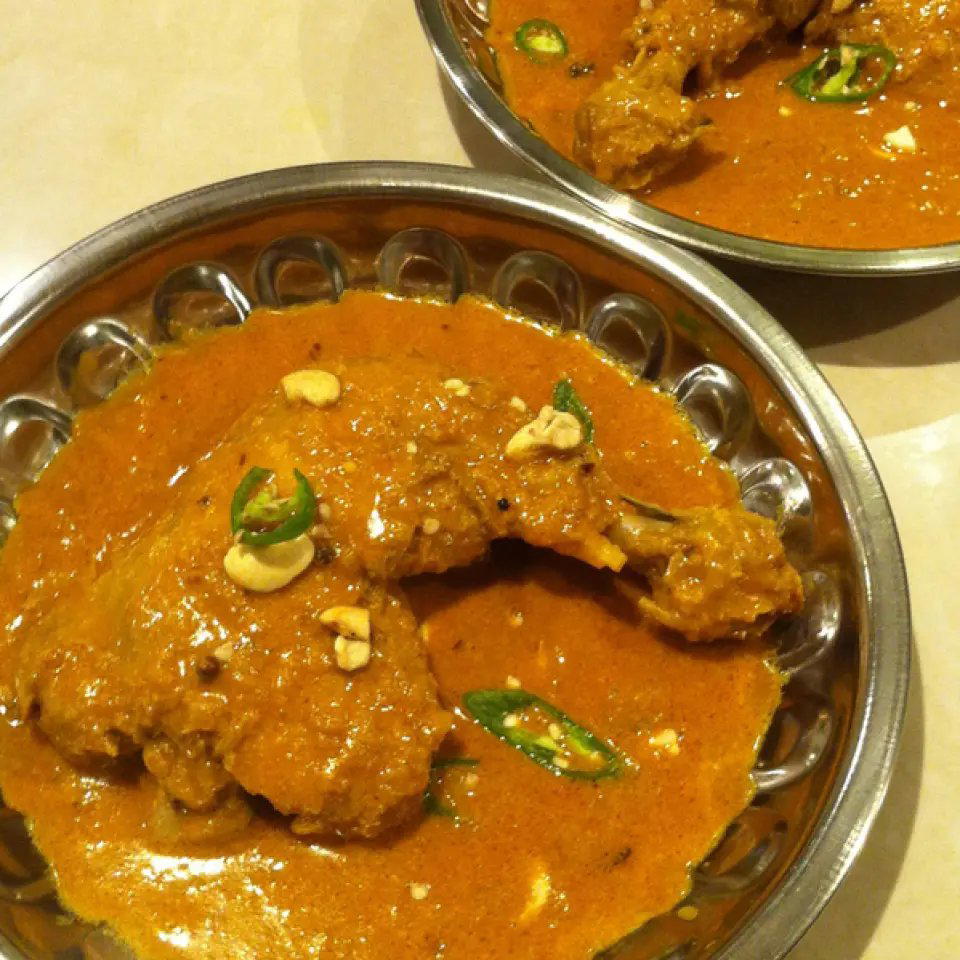
The menu
What to order
- Khao Man Gai (Thai chicken rice)
- South Indian veg & non-veg meals (meals)
- Chaozhou Bak Kut Teh
- Nasi Kandar Penang
- Chicken Biryani
- Nasi Kandar Sultan
Fukushima’s restaurant culture works in a different register from Osaka’s major hotel dining rooms and polished department-store floors. Around Shin-Fukushima, better meals often happen in small rooms behind modest frontages, with counters taking as much social space as tables. Asia Shokudo Chouku fits that Osaka pattern: compact, informal, and built around settling in rather than ordering fast and leaving.
The scale matters because Asian and ethnic cooking in Japan often splits into two camps. One is quick lunch: curry, noodles, set meals, efficient turnover. The other is a slower evening format, where dishes from several traditions are sequenced, explained through photos or staff guidance, and paired with drinks beyond beer. Chouku sits in the second camp at night, while retaining the accessibility that makes the category work at lunch.
A small-room ritual for Asian and ethnic cooking in Fukushima
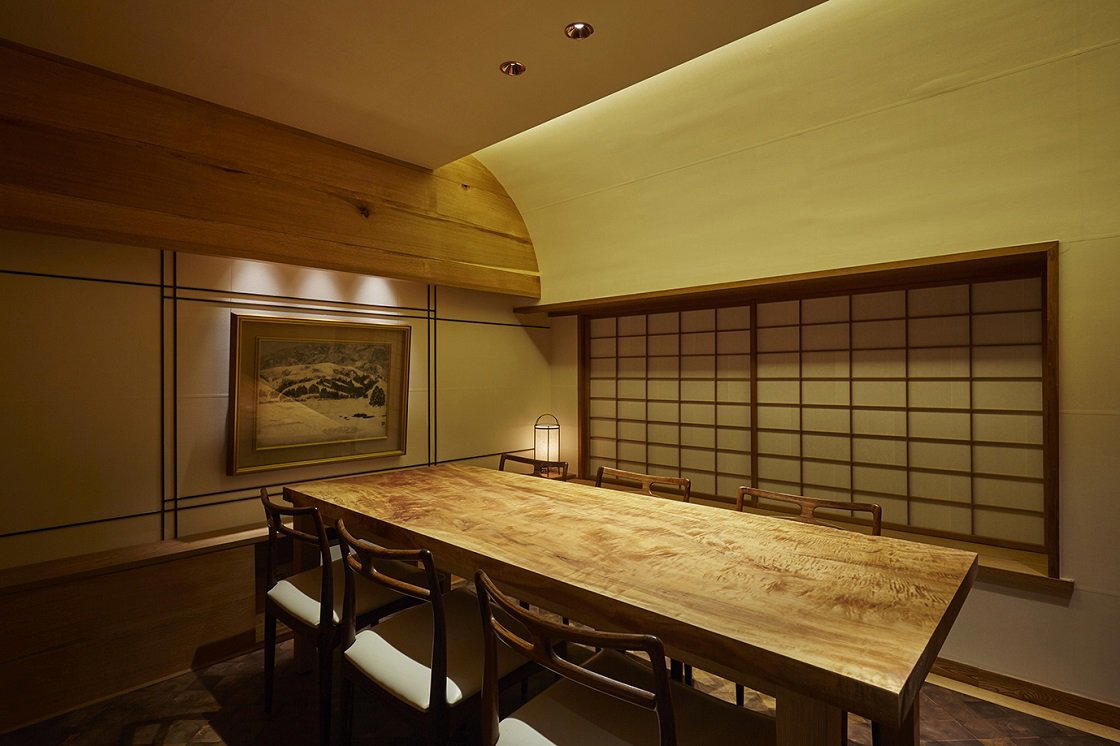
Osaka is strong on specialist formats, and Fukushima supports restaurants too intimate for mass-market dining but too casual for ceremony. The 17-seat layout, with counter seating and two four-seat tables, makes the meal feel closer to a neighborhood counter than a pan-Asian dining room. That is the point: the format rewards pacing, portioning and conversation over spectacle.
The restaurant’s categories, Asian, ethnic, Thai and Indian, signal breadth rather than single-country orthodoxy. In Japan, this hybrid category has its own logic: less about replicating one regional canon with museum precision than building a meal from spice, acidity, vegetables, rice, bread and shared plates in a way Japanese diners understand. Vegetarian options and a stated emphasis on vegetables widen the audience beyond meat-led izakaya dining without pushing it into health-food territory.
Dinner is the more revealing service because the format is primarily course-led, not à la carte. The diner gives up some control over sequence, and the restaurant takes responsibility for rhythm. In a small counter room, that can work better than a long menu: it reduces indecision, keeps the kitchen focused, and lets Thai and Indian references sit together without making the table a checklist.
The recognition is not incidental. Selection for Tabelog 100 Asian cuisine / Ethnic cuisine WEST in 2022, 2023 and 2024 places the restaurant inside a regional bracket judged by Japanese diners exacting about value, consistency and category identity. The 2024 Tabelog score listed for the restaurant is 3.48, less a universal ranking than evidence of sustained local attention in a crowded Osaka field.
Where it fits against Fukushima's casual specialists
Fukushima’s dining map is dense with small specialists, which makes comparison useful. A ramen counter such as Resshi Shoyu Menkobo Sanku or Ramen Kozou operates on speed, broth preference and repeatability. Korean Shokudo Iru sits closer to shared-table drinking food. Against those local formats, Asia Shokudo Chouku occupies a narrower lane: more structured than a quick noodle stop, less formal than a tasting-menu restaurant, and dependent on the diner accepting a guided evening progression.
That middle position is where Osaka often does casual dining well. The city does not require every serious meal to announce itself with luxury signals. A restaurant can be small, cash-oriented, family-friendly, counter-driven and still attract award attention if the cooking holds its identity. Chouku’s inclusion in the Tabelog 100 WEST list reflects that local hierarchy: not grandeur, but repeatable confidence within a specific genre.
The drink side clarifies the house style. Shochu and wine are both listed emphatically, a telling pairing for this category in Japan. Shochu keeps the meal grounded in local drinking culture; wine suggests interest in acidity, spice and vegetable-led plates. For diners used to pairing Asian food only with lager, that combination points to a more flexible rhythm.
There is also a practical cultural note embedded in the room: menu photos are part of the service. In Japan’s multi-cuisine ethnic restaurants, this is not a gimmick. It bridges unfamiliar names and diner decision-making, especially when Thai, Indian and broader Asian references appear in one meal. The format lowers friction without flattening the cooking into generic “international” food.
Who should prioritize it
This is a strong choice for travelers who want Osaka dining without defaulting to sushi, wagyu, tempura or another predictable prestige category. It suits solo diners and small groups better than large-party planners, because the counter-based format is central to the experience. Families are part of the stated audience, and the children’s menu broadens its usefulness in a district often associated with adult after-work dining.
The more selective reader should treat dinner as the main case for going. Lunch pricing places it in the easy neighborhood-meal bracket, but the evening course format is where the ritual becomes clearer: a compact room, controlled sequence, vegetables given real attention, and Asian references handled through a Japanese small-restaurant lens. That is more specific than simply “Thai and Indian in Osaka.”
For wider planning, compare it with other Fukushima and Japan entries by category rather than cuisine label alone. Nearby EP Club restaurant references include age, Agu Buta Shabushabu Senmon Ten Toriou Bettei, Bistro Mikasa, CAFE BAHNHOF and Chinese Sai Oil. For broader city context, use Our full Fukushima restaurants guide, with adjacent planning in Our full Fukushima hotels guide, Our full Fukushima bars guide, Our full Fukushima wineries guide and Our full Fukushima experiences guide.
Readers tracing how Japanese cities reinterpret regional Asian cooking can also look beyond Fukushima: -Grilled beef Sukiyaki- KAMAKURA TANUKIAN 鎌倉 たぬき庵 in Kamakura. 鮪と炭火焼き うお炭 秋葉原店 in Tokyo.cafe in Osaka.know in Kumamoto, (Shoku) Vietnam in Kawasaki, [Curry Senmon Ten] Maruyama Kyoju. in Sapporo, Jōdo Saké Bar in Los Angeles and Onigiri Time in Pasadena. The useful through-line is not sameness; it is how focused formats shape diner expectations before the first plate arrives.
Frequently asked questions
What days is Asia Shokudo Chouku closed?
Hours at Asia Shokudo Chouku: Mon: 11:30 AM–2 PM, 6–10 PM; Tue: 11:30 AM–2 PM, 6–10 PM; Wed: Closed; Thu: 11:30 AM–2 PM; Fri: 11:30 AM–2 PM, 6–10 PM; Sat: 11:30 AM–2 PM, 6–10 PM; Sun: 6–10 PM.
What does dinner at Asia Shokudo Chouku typically cost?
Pricing at Asia Shokudo Chouku is listed as JPY 5,000 - JPY 5,999 JPY 1,000 - JPY 1,999.
What's the address for Asia Shokudo Chouku?
Asia Shokudo Chouku is located in Fukushima.
What is Asia Shokudo Chouku known for?
Asia Shokudo Chouku is primarily known for its core concept and execution in Fukushima.
What It’s Closest To
Side-by-side context: comparable cuisine and price.
| Venue | Cuisine | Price | Awards | Notes |
|---|---|---|---|---|
| Asia Shokudo ChoukuThis venue (the venue you are viewing) | Pan-Asian set-menu restaurant and Asian tapas in Osaka | $30–50 | Tabelog 100 #56 | Not listed |
| Sumibi Yakitori Torio | Yakitori Izakaya | $50–100 | Tabelog 100 #1 | Fukushima |
| Chinese Sai Oil | Sichuan-style Chinese | Not listed | Tabelog 100 #5 | Fukushima |
| Patisserie Crochet | French-style patisserie and cake shop | $10–20 | Tabelog 100 #91 | Fukushima Ward |
| Sumiyaki Kobou Gen | Dining | Not listed | Tabelog 100 #48 | Fukushima |
| Spice Curry Tairiku | Osaka-style spice curry | $10–20 | Tabelog 100 #45 | Fukushima |
Recognition history
Dated appearances from independent guides and award organizations, with the underlying list record or original source where available.
Tabelog 100 #56 · No. 56
Tabelog · Tabelog 100 - Asian cuisine / Ethnic cuisine - WEST - 2024
Continue exploring
More in Fukushima
Restaurants in Fukushima
All restaurants in Fukushima →

Bars in Fukushima
Browse all →



Hotels in Fukushima
Browse all →



Wineries in Fukushima
Browse all →
Details
- Cozy
- Intimate
- Solo
- Group Dining
- Casual Hangout
- After Work
- Standalone
- Farm To Table
- Local Sourcing
- Organic
- Set Menu
- Tasting Menu
- Prix Fixe
- Vegetarian Friendly
- Allergy Accommodating
- Organic Focus
Current opening hours
- Monday
- 11:30 AM–2 PM, 6–10 PM
- Tuesday
- 11:30 AM–2 PM, 6–10 PM
- Wednesday
- Closed
- Thursday
- 11:30 AM–2 PM
- Friday
- 11:30 AM–2 PM, 6–10 PM
- Saturday
- 11:30 AM–2 PM, 6–10 PM
- Sunday
- 6–10 PM
Hours can change for holidays and private events. Hours as of .
Warm lighting and a small 17-seat space create a cozy, intimate atmosphere that feels like a tucked-away alley eatery, with an emphasis on relaxed, course-style dining rather than a fast casual feel.