
Akashi’s standing-bar culture is at its sharpest when seafood, sake and the market arcade sit within the same small radius. Tachinomi Dokoro Tanakaya belongs to that compact tradition: a 25-seat tachinomi in Uonotana, selected for Tabelog 100 - Tachinomi - 2025, with sake, shochu, wine and seafood carrying the argument rather than formality.
Pearl is the En Primeur Club membership app — saves, bookings, and concierge access live there. Same editors, same standards.
- Address
- 兵庫県明石市本町1-1-13
- Phone
- +81789122218
- Website
- sake-tanakaya.com
 Saves & bookings on Pearl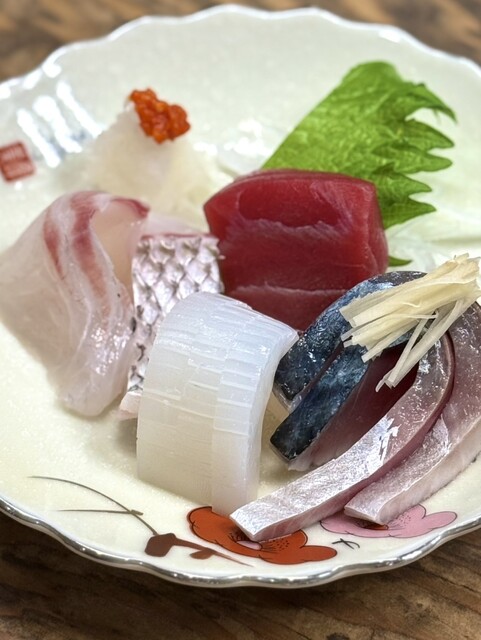
Uonotana shopping arcade has the right kind of pressure for a standing bar: fishmongers, commuters, regulars and day-trippers all moving through a narrow commercial spine near Akashi’s station area. In that setting, tachinomi is not a novelty format. It is a practical drinking culture built for quick decisions, close quarters and food that makes sense beside sake rather than under restaurant ceremony.
Tachinomi Dokoro Tanakaya fits that Akashi grammar. The category matters: stand-up bar, Japanese sake bar and seafood. That combination says more about the local scene than a long tasting menu would. Akashi is a port city with a strong fish identity, and Uonotana is where that identity becomes daily commerce. A tachinomi here is judged less by tablecloth signals than by sourcing logic, drink range and whether the room can keep its rhythm when seats and standing space are scarce.
Akashi seafood culture, compressed into a standing-bar format
Hyogo dining is often read through Kobe beef or refined Kansai cooking, but Akashi has a narrower, more specific appetite: seafood with immediacy. The city’s reputation rests on the Seto Inland Sea and the market culture around it, especially in the area around Uonotana. A seafood-led tachinomi takes that advantage and strips away the slower rituals of formal dining. The point is not luxury; it is proximity, turnover and drinking food that belongs to the neighbourhood.
That is why the format has editorial weight. A stand-up counter changes the way ingredients are understood. Seafood is not presented as theatre; it becomes part of a drinker’s sequence, moving between sake, shochu and wine. Tanakaya’s listed drink focus includes nihonshu, shochu and wine, which places it in the more serious branch of tachinomi culture: not just a place for a cheap glass, but a room where pairings can move across Japanese and non-Japanese categories without leaving the casual register.
The Tabelog 100 - Tachinomi - 2025 selection gives the venue a useful external signal. Tachinomi is a crowded national category, and inclusion in that list puts the Akashi address into conversation with standing bars beyond Hyogo. The score listed at 3.61 also tells the right story for Japan’s user-review culture, where incremental differences matter and casual formats rarely behave like destination fine dining in the numbers.
The competitive set in Akashi is small, but the contrasts are clear
Akashi does not need to imitate Osaka or Kobe to be interesting. Its dining map is more compact and more ingredient-led. Within the city, the contrast between a sushi counter, a pizzeria, a noodle specialist and a tachinomi makes the decision sharper than a generic restaurant search. Kikusui Zushi Nishi ten occupies the higher-spend sushi lane; CiRO and Pizzeria Beatrice pull the city toward Italian comfort; Mugikiri Tokuoka gives the noodle side of the local picture. A standing sake-and-seafood bar answers a different question: where does Akashi’s market energy go when it becomes an evening drink?
The closest comparison is Tachinomi Dokoro Donbee, another Akashi tachinomi with a lower listed spending band. That comparison is useful because it separates price from purpose. Tanakaya sits in a slightly more considered bracket for the format, supported by its Tabelog 100 selection and broader drink emphasis. It is not trying to compete with sushi counters on ceremony. It competes on the discipline of a small room, the logic of seafood beside alcohol and the credibility of a local bar that can travel beyond local word of mouth.
For readers mapping a fuller trip, the city works better as a cluster than a single reservation. Our full Akashi restaurants guide gives the dining frame, while our full Akashi hotels guide, our full Akashi bars guide, our full Akashi wineries guide and our full Akashi experiences guide help place the meal inside a short Kansai itinerary rather than treating it as an isolated stop.
Who should choose this room
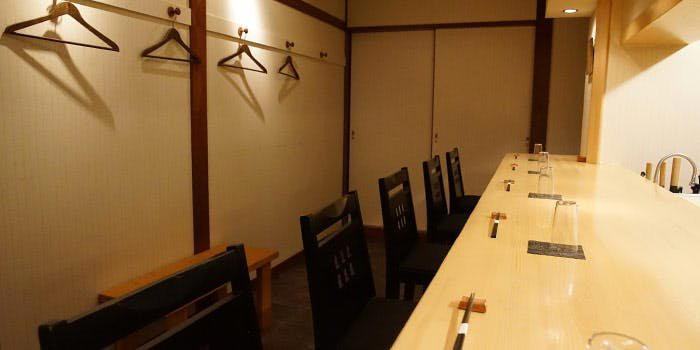
The room is compact: 25 seats, with an L-shaped counter and sake-barrel table seating. That scale favours pairs and small groups over elaborate hosting. It also rewards travellers who understand tachinomi as a social format, not a substitute for a long seated dinner. The absence of private rooms and private use reinforces the point. This is shared-space dining, closer to the pulse of the arcade than to the privacy of a destination restaurant.
The no-smoking policy and no dress code make the experience easier to fold into a day around Akashi, but the payment setup keeps it practical rather than frictionless: credit cards and electronic money are not accepted, while PayPay is listed. Reservations are unavailable, so timing matters more than planning bravado. Closed days can change, and the listed regular closures are midweek, which makes a quick check before travel sensible.
Read correctly, Tachinomi Dokoro Tanakaya is not an alternative to Akashi’s more formal seafood restaurants. It is evidence of another local hierarchy, where sourcing, drinking fluency and market adjacency carry the authority. That makes it especially useful for travellers who want Akashi to taste like Akashi without turning every meal into a set-piece occasion.
For a wider Japan drinking-and-casual-dining comparison, the useful counterpoints are not identical but instructive: Jōdo Saké Bar in Los Angeles shows how sake culture reads abroad, while Onigiri Time in Pasadena reflects the global appetite for concise Japanese formats. Elsewhere in Japan, EP Club’s city files range from -Grilled beef Sukiyaki- KAMAKURA TANUKIAN 鎌倉 たぬき庵 in Kamakura and 鮪と炭火焼き うお炭 秋葉原店 in Tokyo to.cafe in Osaka.know in Kumamoto, (Shoku) Vietnam in Kawasaki and [Curry Senmon Ten] Maruyama Kyoju. in Sapporo, each useful for reading how casual formats carry local identity.
In Context: Similar Options
Nearby venues at a similar price tier for orientation.
| Venue | Cuisine | Price | Notes |
|---|---|---|---|
| Tachinomi Dokoro TanakayaThis venue — the venue you are viewing | Standing sake bar & Japanese small plates | $$ | Not listed |
| Mugikiri Tokuoka | Dining | Not listed | Akashi |
| Kikusui Zushi Nishi ten | Seasonal Akashi sushi omakase | $$$ | Nishi Akashi |
| CiRO | Traditional Southern Italian trattoria & pizzeria | $$ | Hommachi |
| Tachinomi Dokoro Donbee | Japanese Standing Bar (Izakaya) | $$ | Akashi |
| Pizzeria Beatrice | Authentic Neapolitan Pizzeria | $$ | Asagiri |
Recognition history
Dated appearances from independent guides and award organizations, with the underlying list record or original source where available.
Tabelog 100 #98 · No. 98
Tabelog · Tabelog 100 - Tachinomi - 2025
Continue exploring
More in Akashi
Restaurants in Akashi
Browse all →
Hotels in Akashi
Browse all →
Wineries in Akashi
Browse all →
At a Glance
- Lively
- Cozy
- Classic
- Energetic
- After Work
- Casual Hangout
- Solo
- Group Dining
- Late Night
- Standalone
- Historic Building
- Wine Cellar
- Sake Program
- Natural Wine
- Extensive Wine List
- Beer Program
- Local Sourcing
- Natural Wine
A bustling stand-up tavern atmosphere inside a classic neighborhood liquor shop, with guests crowded around the counter enjoying neatly presented small plates and carefully curated drinks; casual but thoughtful, more adult hideaway than family restaurant.