
Akashi’s standing-bar culture is built for short pours, local seafood instincts, and prices that leave room for a second stop. Tachinomi Dokoro Donbee belongs to that compact, social end of the city’s dining spectrum, with Tabelog 100 Tachinomi 2025 recognition giving it a clear signal beyond neighborhood habit.
Pearl is the En Primeur Club membership app — saves, bookings, and concierge access live there. Same editors, same standards.
- Address
- 兵庫県明石市本町2-1-10
- Phone
- +818053189872
- Website
- tabelog.com
 Saves & bookings on Pearl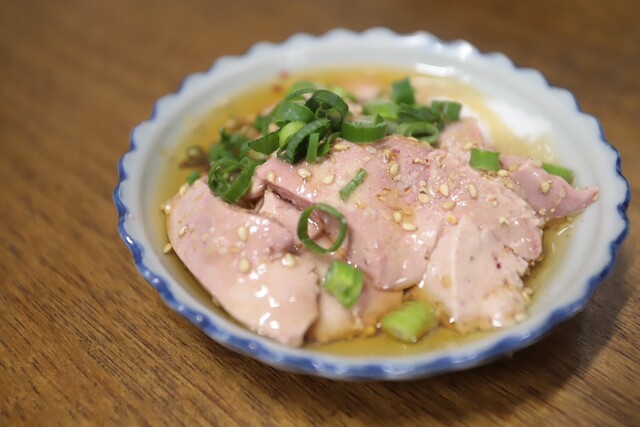
Approaching a tachinomi counter in Akashi is different from entering a destination dining room. The cues are compressed: a small frontage, drinkers close enough to hear one another order, and a rhythm designed around standing, paying attention, and moving at the room’s pace. In a port city where the fish market and station-side drinking streets shape the appetite, the standing bar is not a lesser version of a restaurant. It is a format with its own rules.
Tachinomi Dokoro Donbee sits in that tradition, closer to the city’s everyday seafood-and-sake circuit than to the reservation-led dining rooms that dominate luxury itineraries. Its selection for Tabelog 100 Tachinomi 2025 matters because the category is narrow and culturally specific: the award is not measuring tasting-menu ambition, but the credibility of a standing-drink format where value, pacing, and local regularity carry weight.
Akashi's standing bars make sourcing feel immediate
Akashi’s food identity is tied to the Seto Inland Sea, to the municipal fish market, and to the habit of eating close to where ingredients enter the city. That proximity changes the role of a tachinomi bar. The format favors dishes that work with drinks and do not require ceremony: small plates, seafood-leaning snacks, quick cooking, and pours that suit a stop before or after dinner. The point is not theatrical plating. It is the direct relationship between local appetite and the counter.
That ingredient logic separates Akashi from larger cities where standing bars can become either nostalgia pieces or craft-drink laboratories. Here, the appeal is more practical. A drink list built around sake, shochu, and wine gives enough range for seafood, fried dishes, and salty snacks without turning the room into a sommelier exercise. The city’s better casual counters tend to understand that balance: the drink should sharpen the food, not slow the night.
In the Akashi context, Tachinomi Dokoro Donbee reads as a low-friction entry into that system. It is not competing with sushi counters on formality or with pizzerias on sit-down leisure. It occupies the quick, social, ingredient-responsive lane, where the standing format keeps attention on what is poured, what is passing across the counter, and who is sharing the narrow room.
Where it fits among Akashi's serious casual rooms
Akashi rewards travelers who resist treating the city as a single-meal stop. The dining map spreads across price and format: Kikusui Zushi Nishi ten represents the higher-spend sushi end of the spectrum, while CiRO and Pizzeria Beatrice show how Italian cooking has found an audience in a seafood city. Mugikiri Tokuoka points to another local strength: specialist formats that ask for focus rather than ceremony.
Within that set, standing bars serve a different decision. Tachinomi Dokoro Tanakaya sits at a higher listed spend, which makes Donbee’s lane clearer: this is the tighter-budget, quick-drink side of Akashi’s serious casual drinking culture. The useful comparison is not which room is more polished. It is what kind of evening the traveler is building. A sushi reservation structures the night around a counter. A tachinomi stop lets the night stay open.
The Tabelog score of 3.56 is another grounded signal, especially in a category where national guidebooks often pay less attention. Japanese user-rating culture can be severe, and standing bars rarely receive the same tourist amplification as sushi or kaiseki. Recognition in a tachinomi-specific list therefore gives the room a more relevant credential than a generic popularity claim would.
How to read the room before planning the night
The standing-bar format asks for different expectations. It suits adults who want a compact drinking stop, not diners seeking a long, seated meal with privacy. The room’s small scale and no-private-room format place it firmly in the social, close-quarters side of Japanese drinking culture. Smoking is allowed, which will be a deciding factor for some travelers and a familiar part of the genre for others.
Payment culture also matters in this tier. Cash-first, small-format drinking rooms remain common outside the international hotel circuit, and Akashi is not built around the frictionless card habits of central Tokyo. Treat the stop as part of a local evening rather than a concierge-managed booking plan. The reward is a sharper read on the city: how people drink after the market has closed, how seafood towns metabolize their daily catch, and how little a good counter needs to explain itself.
For a broader read on the city, use our full Akashi restaurants guide alongside our full Akashi bars guide. Travelers building a longer stay can also cross-check our full Akashi hotels guide, our full Akashi wineries guide, and our full Akashi experiences guide. For contrast beyond Hyogo, compare how casual Japanese formats translate at -Grilled beef Sukiyaki- KAMAKURA TANUKIAN 鎌倉 たぬき庵 in Kamakura. 鮪と炭火焼き うお炭 秋葉原店 in Tokyo.cafe in Osaka.know in Kumamoto, (Shoku) Vietnam in Kawasaki, [Curry Senmon Ten] Maruyama Kyoju. in Sapporo, Jōdo Saké Bar in Los Angeles, and Onigiri Time in Pasadena.
In Context: Similar Options
Comparable venues by cuisine and price in the same metro.
| Venue | Cuisine | Price | Notes |
|---|---|---|---|
| Tachinomi Dokoro DonbeeThis venue — the venue you are viewing | Japanese Standing Bar (Izakaya) | $$ | Not listed |
| Kikusui Zushi Nishi ten | Seasonal Akashi sushi omakase | $$$ | Nishi Akashi |
| Mugikiri Tokuoka | Dining | Not listed | Akashi |
| Pizzeria Beatrice | Authentic Neapolitan Pizzeria | $$ | Asagiri |
| Tachinomi Dokoro Tanakaya | Standing sake bar & Japanese small plates | $$ | Uonotana (fish market area) |
| CiRO | Traditional Southern Italian trattoria & pizzeria | $$ | Hommachi |
Recognition history
Dated appearances from independent guides and award organizations, with the underlying list record or original source where available.
Tabelog 100 #22 · No. 22
Tabelog · Tabelog 100 - Tachinomi - 2025
Continue exploring
More in Akashi
Restaurants in Akashi
Browse all →
Hotels in Akashi
Browse all →
Wineries in Akashi
Browse all →
At a Glance
- Lively
- Cozy
- Solo
- Casual Hangout
- After Work
- Standalone
- Sake Program
- Beer Program
- Street Scene
A small, energetic standing-bar atmosphere with a casual local vibe and a strong sense of value, according to reviews.