
Kikusui Zushi Nishi ten places Akashi’s seafood culture in a small sushi format, with counter seating, table seats, and a reputation tied to fish from the Akashi Strait. Its Tabelog Sushi WEST 100 selections in 2021, 2022, and 2025 put it in a serious regional tier rather than a casual local-sushi category.
Pearl is the En Primeur Club membership app — saves, bookings, and concierge access live there. Same editors, same standards.
- Address
- 1-chome-4-15 Matsunouchi, Akashi, Hyogo 673-0016, Japan
- Phone
- +81 78-928-7157
- Website
- tabelog.com
 Saves & bookings on Pearl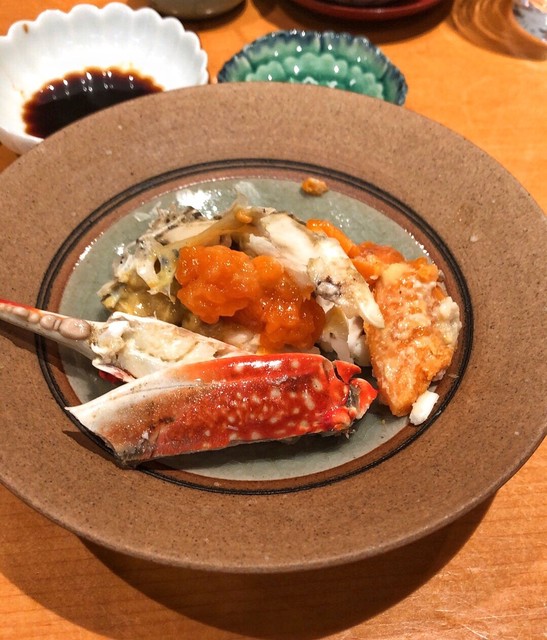
West of central Akashi, the sushi conversation changes scale. The city is not trying to imitate Ginza’s theatre of rarity; it has its own grammar, shaped by the Akashi Strait, a working port culture, and seafood that has long made the area matter to Kansai cooks. At Kikusui Zushi Nishi ten, that context is the point: a compact sushi room where fish, rice, sake, and the pace of a local meal carry more weight than spectacle.
Akashi’s reputation rests on proximity. The strait between Honshu and Awaji Island is known for fast currents, and the city’s food identity has been built around seafood with enough character to travel into Kobe and Osaka kitchens without losing its local name. Sushi here reads differently from the capital’s high-polish counters. It is less about the international omakase economy and more about how a regional city protects its own ingredients, regulars, and seasonal rhythm.
Akashi fish culture, translated through sushi rather than ceremony
The restaurant’s Tabelog Sushi WEST 100 selections in 2021, 2022, and 2025 matter because the list separates it from ordinary neighbourhood sushi while keeping it inside a western Japan frame. That is an important distinction. Akashi is not Tokyo, and the better comparison is not a trophy counter in Ginza but the regional Japanese tradition in which seafood restaurants, sushi counters, and sake-led dining rooms overlap.
The listed categories, sushi, seafood, and Japanese cuisine, capture that overlap. The food emphasis is fish-led, and the drinks lean toward sake and shochu, which places the meal inside a familiar Kansai pattern: seafood first, rice as structure, alcohol as companion rather than performance prop. In a city where standing bars such as Tachinomi Dokoro Donbee and Tachinomi Dokoro Tanakaya keep the drinking culture informal, a sushi counter at this level offers a more composed version of the same local appetite.
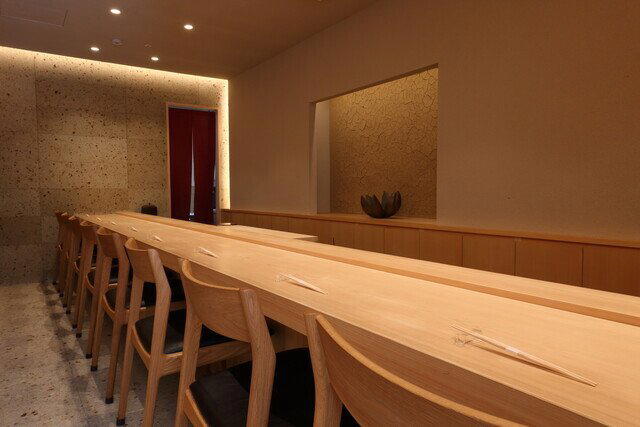
Room is small enough to keep the focus narrow: 17 seats, with 10 at the counter and two four-seat tables. That matters in sushi because format controls tempo. Counter seating privileges the sequence of pieces and the exchange between preparation and service; tables make the room less forbidding for friends who want the cuisine without committing to a fully silent counter experience. Private rooms and private use are unavailable, so this is not a venue built for corporate enclosure. It belongs to the public grammar of a sushi shop, even at a higher spend.
Where it sits in Akashi's dining hierarchy
Akashi’s restaurant map is broader than seafood, but the price spread tells a clear story. Casual drinking addresses in the city sit several tiers below this spend, while pizzerias and noodle shops occupy a different rhythm of eating altogether. Pizzeria Beatrice and Mugikiri Tokuoka are useful reference points precisely because they show how varied the city’s casual and mid-range dining can be. CiRO sits closer to a planned dinner bracket, but sushi with recognized regional standing occupies another category: fewer seats, tighter product focus, and a higher reliance on fish quality.
Kikusui Zushi Nishi ten is therefore not simply “expensive for Akashi.” It represents a specific premium local logic. The city’s seafood identity gives a sushi counter here more cultural grounding than a luxury format imported from elsewhere. For travellers, that makes the restaurant useful when the goal is not to collect famous names, but to understand how a smaller Japanese city expresses culinary status through ingredients it already claims as its own.
The house connection to a longer Kikusui sushi lineage adds historical weight without needing to turn the meal into a family chronicle. In Japanese regional dining, longevity often functions less as nostalgia than as quality control: a name survives when it remains legible to locals. The current restaurant’s recognition by Tabelog’s WEST sushi list gives that local signal a broader editorial marker, especially for diners using Akashi as more than a stop between Kobe and Himeji.
How to read the room before committing
This is a better fit for diners who want seafood and sushi as the centre of the meal, not a broad Japanese menu with sushi as one option. Vegetarians will find the format difficult unless the restaurant confirms suitable arrangements in advance; the public identity is fish-focused, and the listed cuisine categories do not suggest a plant-based program. Solo diners, however, are a natural match for the counter format, and small groups can use the table seating without changing the restaurant’s essential character.
For broader Akashi planning, the restaurant makes sense as the serious sushi anchor in a city itinerary that can otherwise stay relaxed. Use Our full Akashi restaurants guide to place it alongside casual meals, and pair the dining plan with Our full Akashi hotels guide, Our full Akashi bars guide, Our full Akashi wineries guide, and Our full Akashi experiences guide for the wider trip architecture.
Travellers building a Japan food itinerary around regional specificity rather than capital-city repetition can also compare the Akashi argument with other focused addresses across the country, from -Grilled beef Sukiyaki- KAMAKURA TANUKIAN 鎌倉 たぬき庵 in Kamakura and. 鮪と炭火焼き うお炭 秋葉原店 in Tokyo to.cafe in Osaka.know in Kumamoto, (Shoku) Vietnam in Kawasaki, and [Curry Senmon Ten] Maruyama Kyoju. in Sapporo. Outside Japan, Jōdo Saké Bar in Los Angeles and Onigiri Time in Pasadena show how Japanese food culture is interpreted abroad, which only sharpens the case for eating sushi in a city with its own seafood vocabulary.
Cost Snapshot
Comparable venues by cuisine and price in the same metro.
| Venue | Cuisine | Price | Notes |
|---|---|---|---|
| Kikusui Zushi Nishi tenThis venue — the venue you are viewing | Not listed | $$$ | Not listed |
| Tachinomi Dokoro Donbee | Not listed | $$ | Akashi, Japanese Standing Bar (Izakaya) |
| Tachinomi Dokoro Tanakaya | Not listed | $$ | Uonotana (fish market area), Standing sake bar & Japanese small plates |
| CiRO | Not listed | $$ | Hommachi, Traditional Southern Italian trattoria & pizzeria |
| Mugikiri Tokuoka | Dining | Not listed | Not listed |
| Pizzeria Beatrice | Asagiri, Authentic Neapolitan Pizzeria | $$ | Not listed |
Recognition history
Dated appearances from independent guides and award organizations, with the underlying list record or original source where available.
Tabelog 100 #4 · No. 4
Tabelog · Tabelog 100 - Sushi - WEST - 2025
Continue exploring
More in Akashi
Restaurants in Akashi
Browse all →
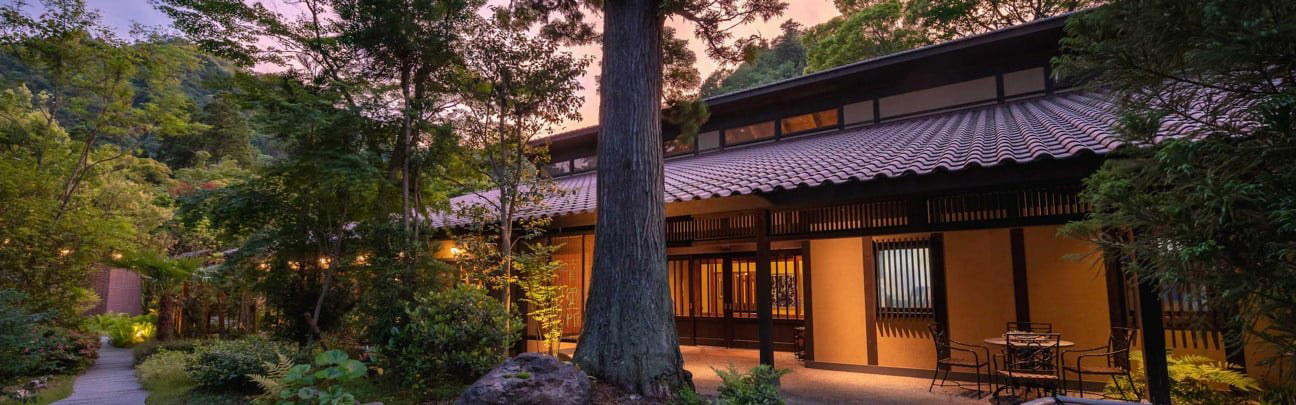
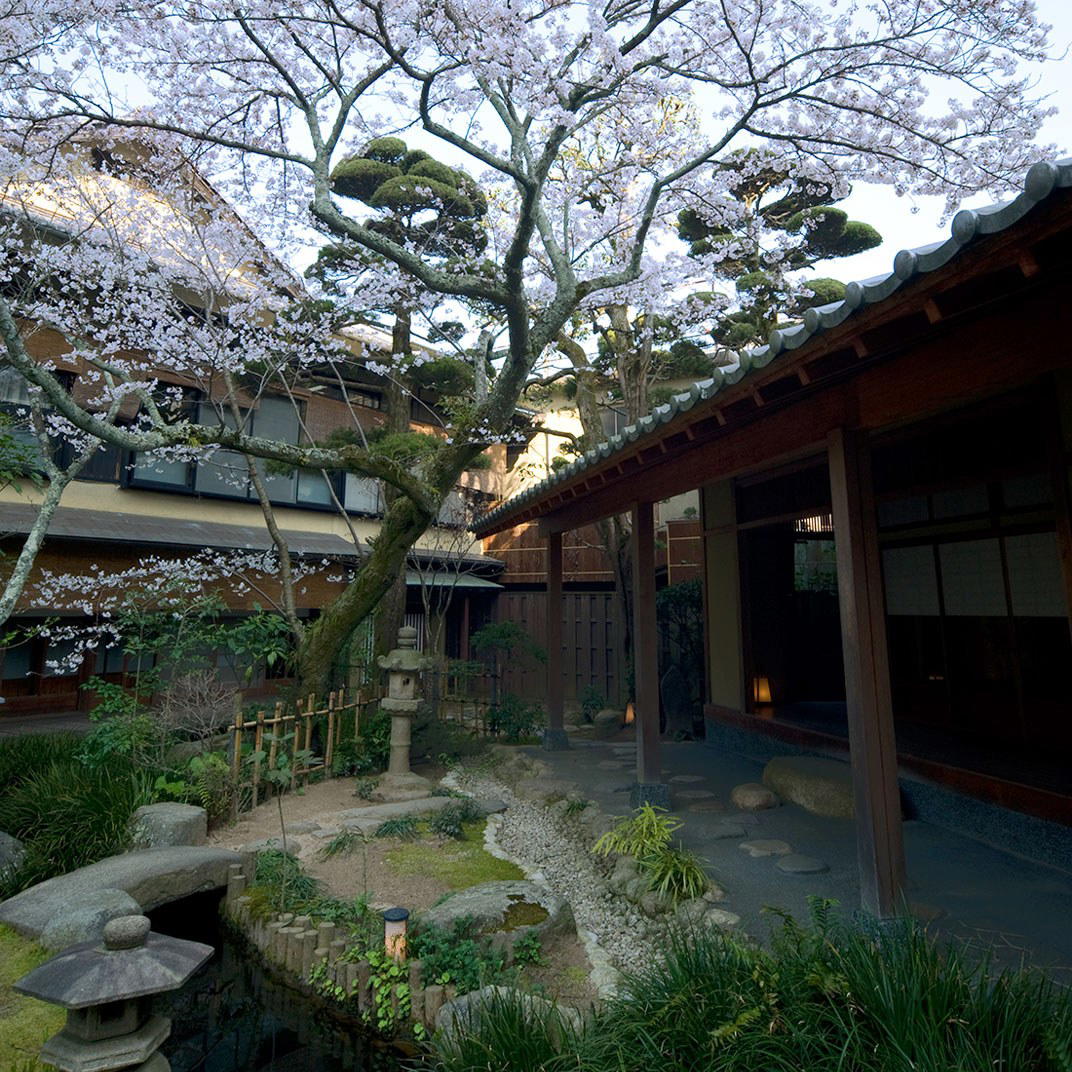
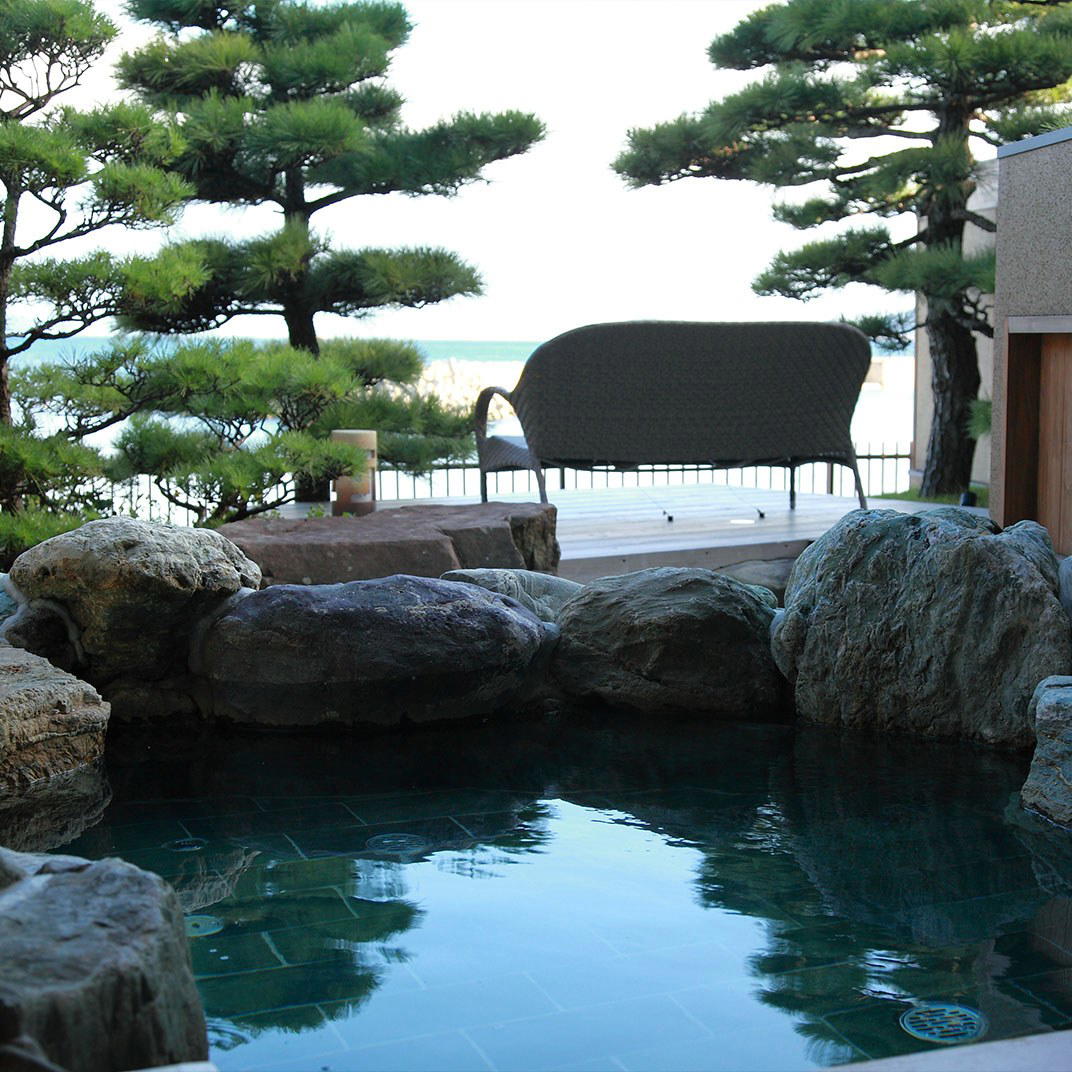
Hotels in Akashi
Browse all →
Wineries in Akashi
Browse all →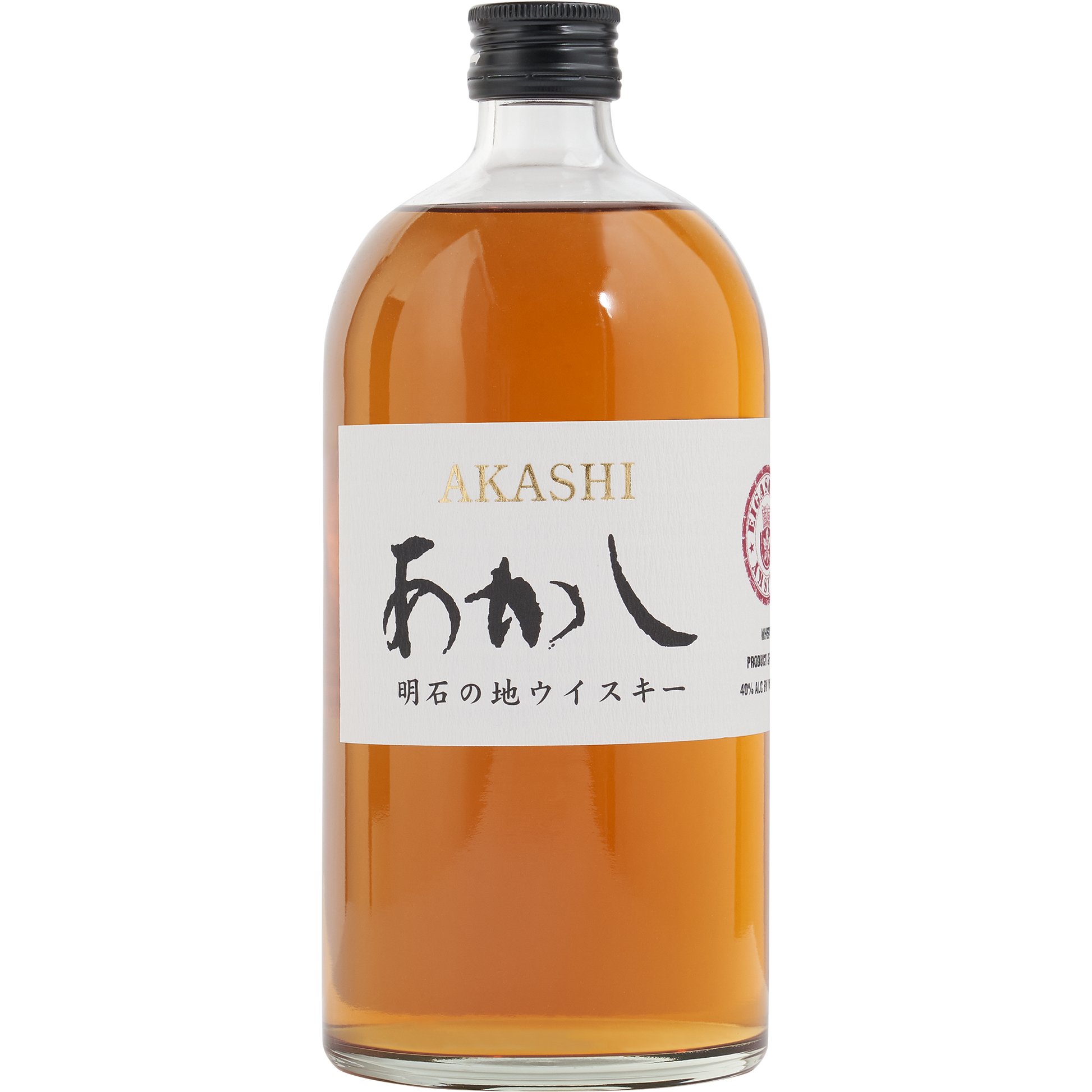
At a Glance
- Classic
- Cozy
- Intimate
- Elegant
- Solo
- Date Night
- Business Dinner
- Special Occasion
- Chefs Counter
- Standalone
- Sake Program
- Local Sourcing
- Sustainable Seafood
Current opening hours
- Monday
- 12–2 PM, 5–8:30 PM
- Tuesday
- 12–2 PM, 5–8:30 PM
- Wednesday
- 12–2 PM, 5–8:30 PM
- Thursday
- Closed
- Friday
- 12–2 PM, 5–8:30 PM
- Saturday
- 12–2 PM, 5–8:30 PM
- Sunday
- 12–2 PM, 5–8:30 PM
Hours can change for holidays and private events. Last verified .
An intimate, non-smoking house-style hideaway with only 17 seats, centered on a classic wooden counter and relaxed, spacious seating where guests quietly savor seasonal sushi omakase in a calm, refined atmosphere.