Taceaux Loceaux
Taceaux Loceaux operates on Octavia Street in New Orleans' Uptown corridor, occupying a format that sits closer to the city's casual-daytime counter culture than its white-tablecloth Creole tradition. The address places it squarely in a residential pocket where locals eat rather than tourists perform, and the name itself signals a particular New Orleans sense of humor: pun as identity.
Pearl is the En Primeur Club membership app — saves, bookings, and concierge access live there. Same editors, same standards.
- Address
- 737 Octavia St, New Orleans, LA 70115
- Phone
- +1 504 504 8226
- Website
- toasttab.com
- Directions
- Get directions
 Saves & bookings on Pearl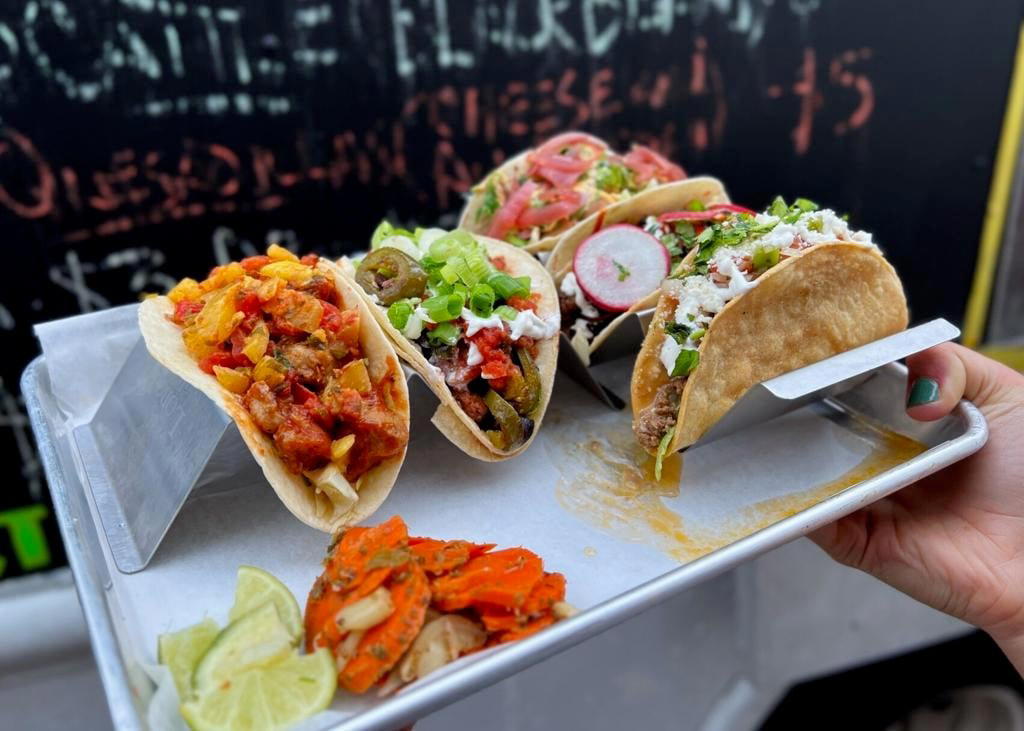
Octavia Street and the Grammar of Uptown Eating
New Orleans divides its dining culture along lines that have less to do with price and more to do with posture. The French Quarter and Warehouse District carry the weight of the city's formal dining identity: the Creole houses, the white-tablecloth rooms, the reservations booked weeks out. Venues like Emeril's and Bayona sit in that register, where ritual and occasion define the visit as much as the food itself. Uptown operates on a different logic. The streets between Magazine and Prytania, and further toward the river, host a pattern of neighborhood-facing spots where the physical container tends toward the informal and the customer base is largely residential rather than tourist-driven.
Taceaux Loceaux is a casual restaurant at 737 Octavia St in Uptown New Orleans. The address is Uptown, far enough from the French Quarter's gravitational pull to read as genuinely local in character. The name is an immediate signal: a phonetic riff on tacos and locale, spelling out in a single pun that the register here is light, self-aware, and rooted in the city's tradition of refusing to take its own mythology too seriously. In a city where Saint-Germain operates at the high-concept contemporary end and Re Santi e Leoni represents another layer of the city's more formal ambitions, there is a clear and deliberate market for something that does none of that.
The Physical Container as Editorial Statement
In food cities with strong identities, the design of a casual counter spot communicates almost as much as the menu. The counter format, the ordering board visible from the street, the minimal seating that prioritizes throughput over lingering, these are architectural choices that position a venue within a particular tradition. New Orleans has a long culture of standing-and-eating, of po'boy shops with no pretension about seating comfort, of daytime food operations that treat the meal as transaction rather than performance. Taceaux Loceaux's Octavia Street location fits within this lineage, where the street-facing operation and neighborhood block context do the atmospheric work that a designed interior might do elsewhere.
That physical informality is itself a design position. Compare the approach to what high-concept tasting rooms do in other American cities: Smyth in Chicago or Atomix in New York deploy their spatial language deliberately, using material, light, and seating arrangement to prime the diner for a particular kind of attention. The casual counter does the opposite: it removes spatial pressure and lets the food carry whatever reputation accrues to it without the scaffolding of designed ceremony. In a neighborhood like Uptown New Orleans, that restraint is not a deficit, it is the product.
Where Taceaux Loceaux Sits in the New Orleans Format Map
New Orleans' restaurant taxonomy is broader than its Creole fine-dining identity suggests to outsiders. The city runs from Commander's Palace-tier Creole tradition through mid-range American contemporary operators like Zasu and down to the daytime counter formats that sustain the residential neighborhoods. The restaurant belongs in the latter category, which in New Orleans carries its own set of expectations: the food should be fast, honest, and carry some trace of the city's flavor vocabulary even if the format is borrowed from elsewhere.
Tacos as a format exist in an interesting position in New Orleans specifically. The city's primary street-food language is the po'boy, a format so locally specific that imports from other food traditions always carry a negotiation with it. A taco counter in New Orleans is not the same proposition as a taco counter in Los Angeles or San Antonio, where the form carries its own deep local authority. Here, it occupies a more hybrid position, and venues that succeed in this format tend to do so by speaking New Orleans flavor through a borrowed vessel, using local proteins, local seasoning logic, or local ingredient sourcing to ground the format in place.
What the address and format context do establish is the competitive set: this is a neighborhood daytime operation, priced and positioned against other Uptown casual spots rather than against the city's formal dining circuit.
The Broader Pattern: Casual Formats in Premium Food Cities
Across American cities with strong fine-dining identities, the casual counter has become a studied format in its own right. Lazy Bear in San Francisco, Blue Hill at Stone Barns, The French Laundry in Napa, Single Thread Farm in Healdsburg, Providence in Los Angeles, Addison in San Diego, The Inn at Little Washington, Frasca Food and Wine in Boulder, and Le Bernardin in New York represent the architecture-and-occasion end of the American dining map, where the physical container and the ceremony it implies are part of what the diner pays for. The casual counter is not competing with these operations, it is answering a different question entirely, one about accessibility, frequency, and the kind of food that integrates into daily neighborhood life rather than marking a special occasion.
New Orleans is a city where that daily integration runs deep. Food is not reserved for occasions here in the way it might be in cities where dining out requires more planning or more budget. The neighborhood taco counter, if it is doing its job well, becomes part of the residential rhythm, a Tuesday lunch, a post-errand stop, a meal that does not require a decision more complex than which block to walk to. Atelier Moessmer Norbert Niederkofler represents one extreme of the food experience spectrum; the restaurant, by intent and address, operates at the other, where frequency and ease are the value proposition rather than ceremony and rarity.
Planning a Visit
The restaurant is located at 737 Octavia St in the Uptown neighborhood. For visitors working through the city's dining range, this sits naturally as a daytime or casual stop alongside the more formal evening reservations that New Orleans' French Quarter and Warehouse District demand.
Pricing, Compared
Comparable venues nearby, for context on price, style, and recognition.
| Venue | Cuisine | Price | Notes |
|---|---|---|---|
| Taceaux LoceauxThis venue — the venue you are viewing | West Riverside, Creative Fusion Tacos | $$ | Not listed |
| Tacos del Cartel New Orleans | Not listed | $$ | Arts District, Authentic Mexican Taqueria |
| The Velvet Cactus | Lakeview, Mexican | $$ | Not listed |
| Taqueria Corona | Audubon, Authentic Mexican Taqueria | $$ | Not listed |
| Lost Coyote | Not listed | $$ | Esplanade Ridge, Modern American with New Orleans influences |
| Cafe Degas | Not listed | $$ | Esplanade Ridge, Classic French Bistro with Creole Touches |
Continue exploring
More in New Orleans
Restaurants in New Orleans
Browse all →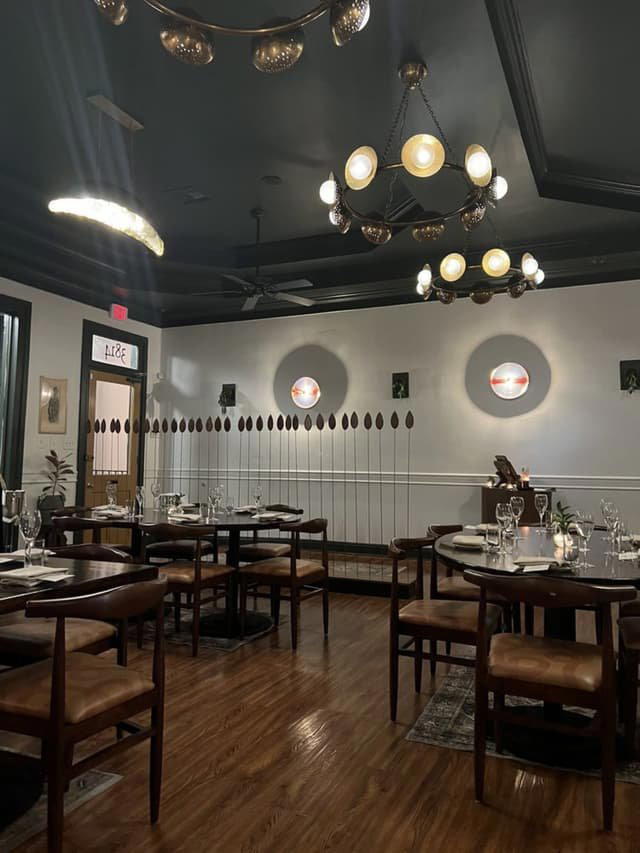
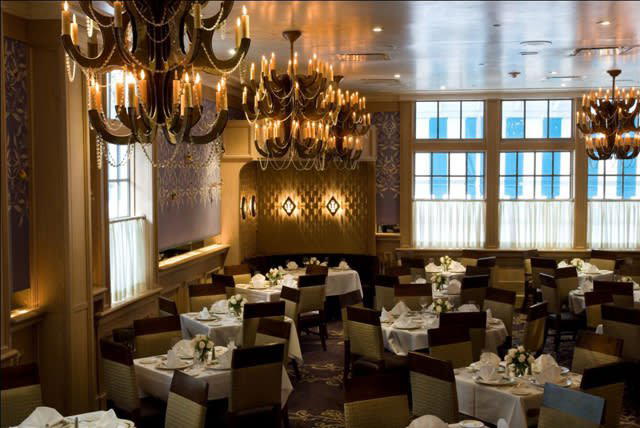
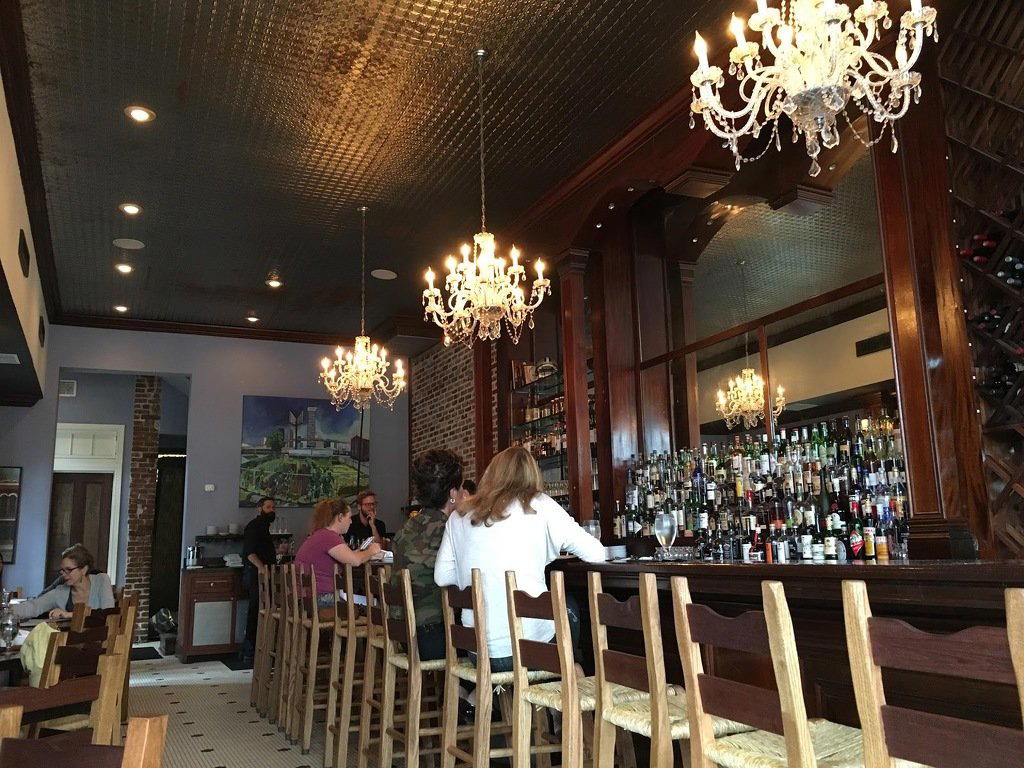
Bars in New Orleans
Browse all →

At a Glance
- Trendy
- Lively
- Energetic
- Casual Hangout
- Late Night
- Open Kitchen
- Beer Program
Casual, energetic food truck vibe with quick service and street food atmosphere.