Tacos del Cartel New Orleans
Tacos del Cartel brings a Mexican street-food sensibility to New Orleans' Lower Garden District, operating from a Girod Street address that sits outside the French Quarter circuit. In a city where Creole and Cajun traditions dominate every conversation about what to eat, the taqueria format carves out a distinct lane, prioritizing sourcing and preparation over novelty. It is an address worth tracking for those moving between the warehouse arts district and the CBD.
Pearl is the En Primeur Club membership app — saves, bookings, and concierge access live there. Same editors, same standards.
- Address
- 1010 Girod St, New Orleans, LA 70113
- Phone
- +15043549038
- Website
- tacosdelcartel.com
- Directions
- Get directions
 Saves & bookings on Pearl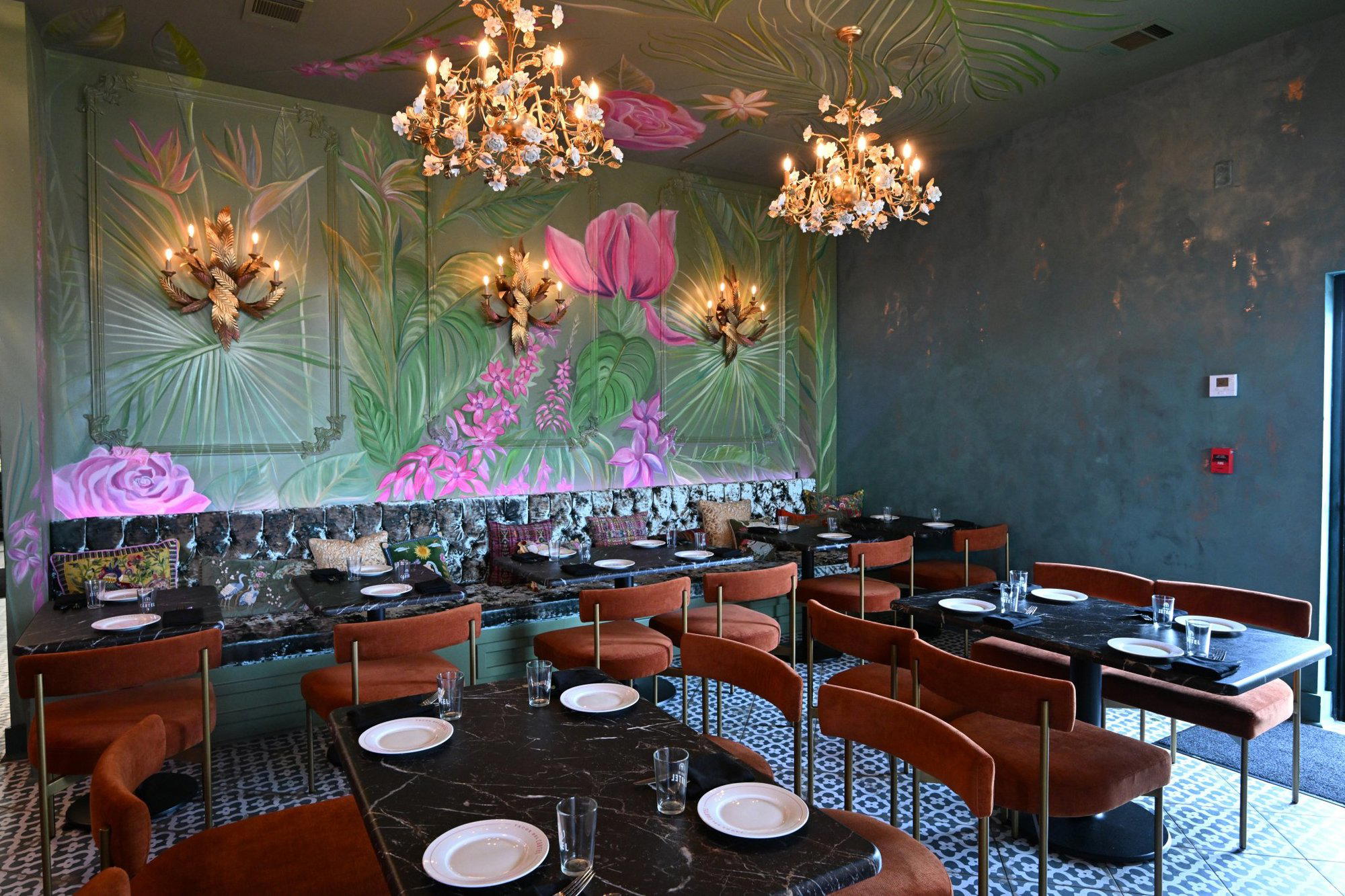
Where Mexican Sourcing Meets a Southern-Inflected Street
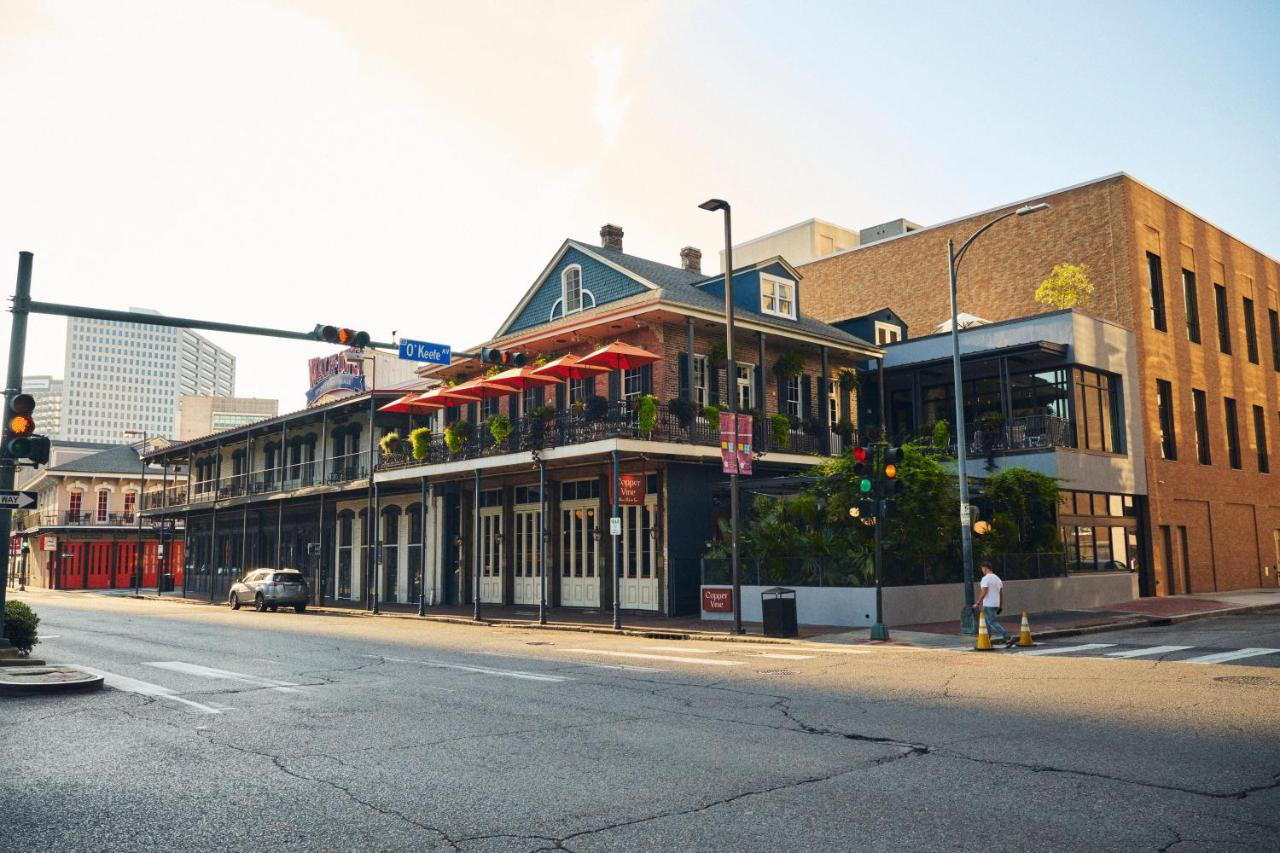
Girod Street runs through New Orleans' Lower Garden District and into the edge of the CBD, a stretch that has absorbed a generation of post-Katrina development without losing its working character. The street sits closer to the convention corridor and the Smoothie King Center than to the tourist density of Frenchmen Street or the Quarter, which means the dining options here tend to serve a local and a passing professional crowd rather than visitors working through a bucket-list itinerary. Tacos del Cartel at 1010 Girod St lands in that context: a Mexican taqueria operating in a city whose food identity is so specifically Creole-Cajun that anything outside that tradition either assimilates or carves a clear independent identity.
In cities with concentrated Mexican-American populations, Los Angeles, Chicago, Houston, the taqueria operates as infrastructure, not novelty. New Orleans is a different case. The city's immigration history did not produce the same deep taco culture, which means the genre here is almost always either import or adaptation. The more interesting operators in that category tend to anchor their credibility in sourcing: where the tortillas come from, whether the chiles are dried domestically or sourced from Oaxacan or Pueblan suppliers, whether the meat program traces back to regional Mexican technique or approximates it with Louisiana product. That sourcing question is the right frame for reading any serious taqueria operating outside the traditional belt.
The Sourcing Question in a Creole City
New Orleans has a specific relationship with ingredients that distinguishes it from most American food cities. The Gulf Coast supply chain, blue crab, Gulf shrimp, redfish, andouille from LaPlace, has conditioned local palates to expect provenance to be part of the story. Restaurants like Emeril's built their Cajun programs on that regional supply logic, and the newer wave, including Re Santi e Leoni and Saint-Germain, extends it into contemporary idioms where the source is as legible as the technique. A taqueria that takes sourcing seriously in this city is working with, not against, that expectation. The question is whether the supply logic maps onto Mexican culinary tradition or becomes a hybrid product shaped more by Louisiana availability than by the original cuisine.
The name Tacos del Cartel signals an irreverence that is common in the taqueria branding wave that swept American cities through the 2010s, when operators leaned into cartel imagery and narco-adjacent aesthetic as a way of signaling authenticity through edge rather than through academic fidelity. That branding strategy is now well-established enough to read as a genre convention rather than a provocation. What matters more than the name is whether the product behind it can sustain scrutiny on sourcing and technique, the two variables that separate taquerias that endure in non-traditional markets from those that survive on novelty alone.
What the Lower Garden District Slot Means
The Girod Street address places Tacos del Cartel in a part of New Orleans that functions differently from the dining-destination zones. The Warehouse District, which borders this stretch, has developed its own restaurant cluster around the arts institutions there. Girod Street at the 1010 end is more transitional: it serves people in motion between districts rather than people who have arrived at a destination. That positioning works for a taqueria format, which historically succeeds on accessibility and repetition, the kind of eating that absorbs a lunch crowd, a post-event crowd, and a neighborhood repeat visit without requiring the deliberate planning that a Bayona or a Zasu demands.
For a New Orleans itinerary, the useful context is this: the city's high-concentration dining energy lives in the Quarter, the Warehouse District, and along Magazine Street. This address sits at the edge of that zone. It is not the kind of destination that anchors a dining evening the way the more established addresses in our New Orleans restaurants guide do, but it represents the kind of casual infrastructure that matters when the itinerary includes a long afternoon at the Contemporary Arts Center or an evening at the arena.
American Taquerias in High-Sourcing Dining Cities
The broader pattern worth noting is that Mexican street-food formats have gained critical traction in high-sourcing dining cities where the infrastructure for ingredient procurement already exists. Blue Hill at Stone Barns in New York's orbit and Single Thread Farm in Healdsburg represent the extreme farm-integration end of that spectrum, but the logic filters down. When a city's food culture is conditioned around traceable sourcing, even casual formats get evaluated by the same standard. Providence in Los Angeles and Addison in San Diego demonstrate how Southern California's ingredient access shapes expectations across price tiers. New Orleans works similarly: the Gulf supply chain sets a baseline expectation that other cuisines have to meet on their own terms.
Taqueria operators who build lasting credibility in non-traditional markets tend to commit to a specific regional Mexican tradition rather than producing a generalized street-food product. The masa sourcing decision alone (nixtamalized in-house, sourced from a regional mill, or produced from masa harina) is a reliable signal of where a taqueria sits in the seriousness spectrum. Across American fine-dining cities, the same sourcing logic that drives the agenda at restaurants like Le Bernardin in New York City, Alinea in Chicago, or Bacchanalia in Atlanta eventually reaches down into casual formats as the dining public becomes more literate about ingredient provenance.
Know Before You Go
Price Lens
Comparable venues nearby, for context on price, style, and recognition.
| Venue | Cuisine | Price | Notes |
|---|---|---|---|
| Tacos del Cartel New OrleansThis venue — the venue you are viewing | Not listed | $$ | Not listed |
| Taquerias Carnalito | Not listed | $$ | Arts District, Authentic Mexico City Taqueria |
| Juan's Flying Burrito | Lower Garden District, Creole Taqueria | $$ | Not listed |
| The Velvet Cactus | Lakeview, Mexican | $$ | Not listed |
| Johnny Sánchez | Not listed | $$$ | Central Business District, Modern Mexican Taqueria |
| Alma Café Mid-City | Not listed | $$ | Mid-City, Honduran-inspired all-day brunch and Latin American cafe |
Continue exploring
More in New Orleans
Restaurants in New Orleans
Browse all →
Bars in New Orleans
Browse all →
At a Glance
- Lively
- Trendy
- Energetic
- Casual Hangout
- Celebration
- Brunch
- Open Kitchen
- Craft Cocktails
Current opening hours
- Monday
- 11 AM–10 PM
- Tuesday
- 11 AM–11 PM
- Wednesday
- 11 AM–10 PM
- Thursday
- 11 AM–10 PM
- Friday
- 11 AM–11 PM
- Saturday
- 10 AM–11 PM
- Sunday
- 10 AM–10 PM
Hours can change for holidays and private events. Last verified .
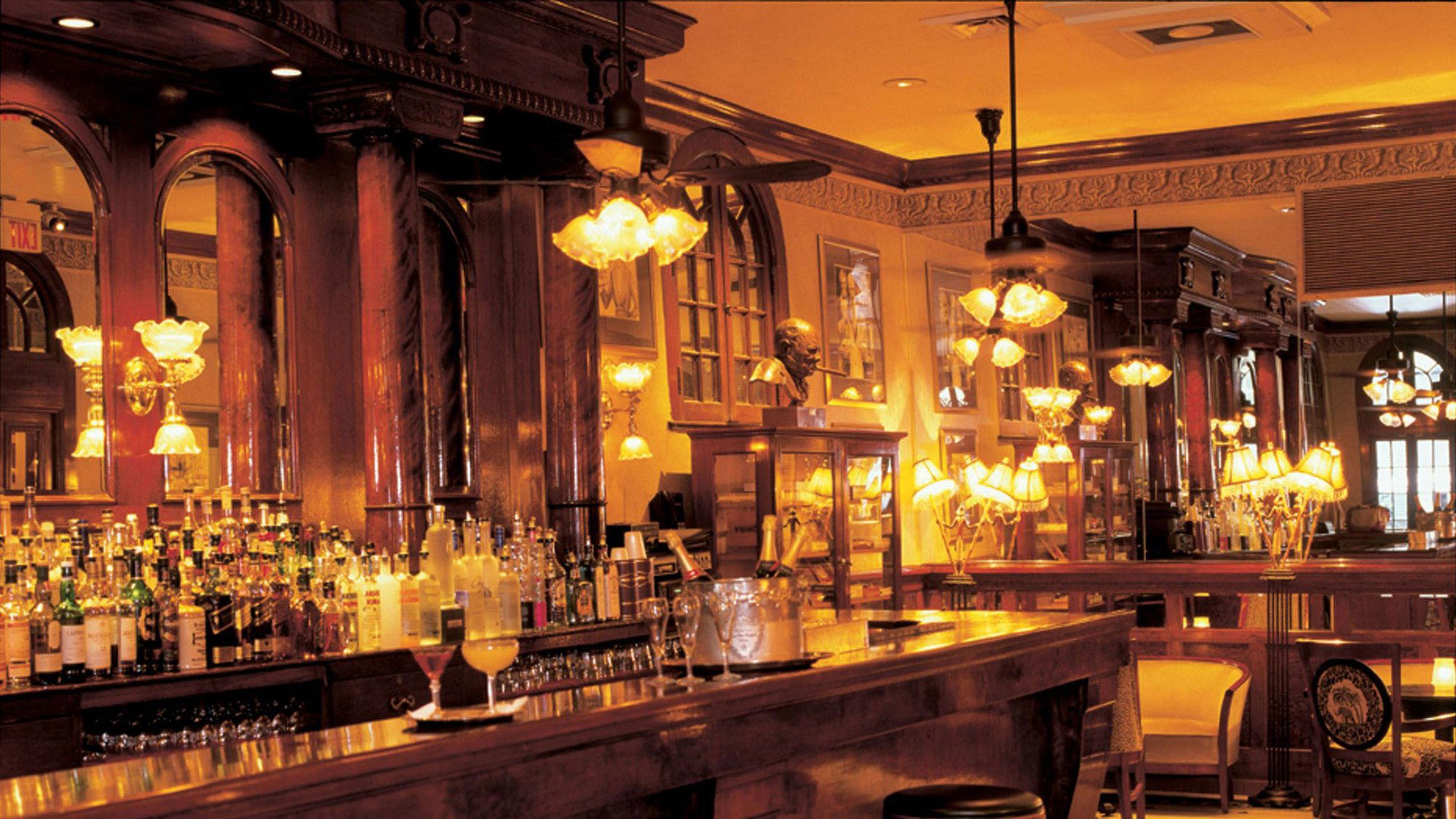
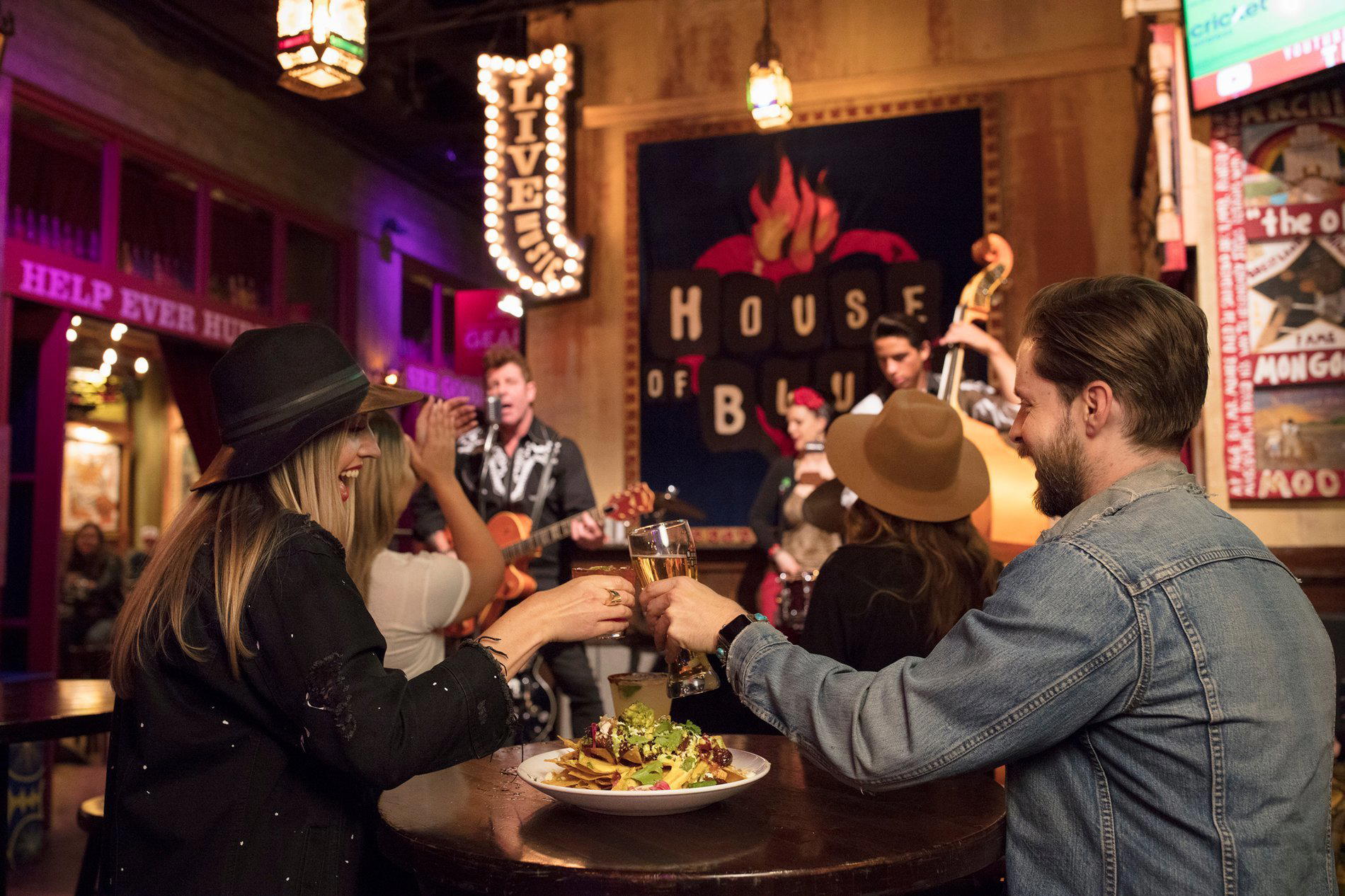
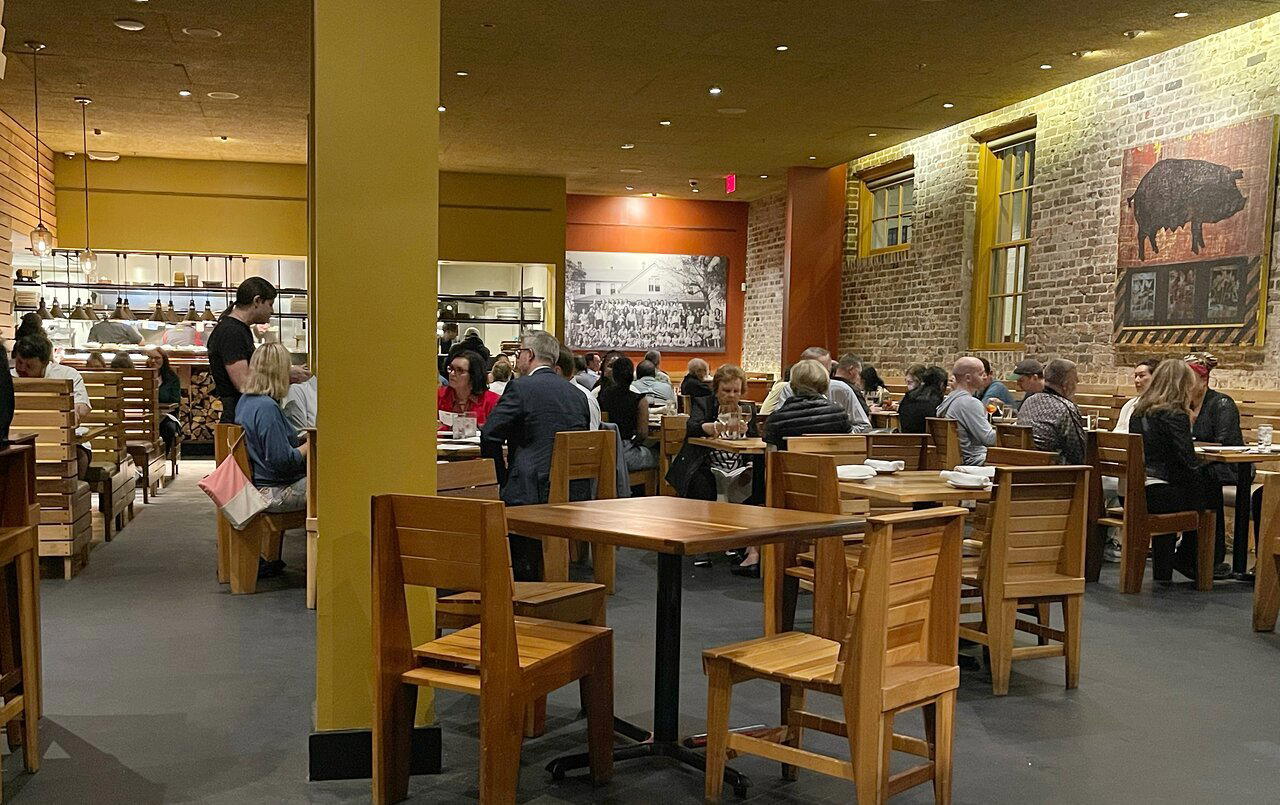
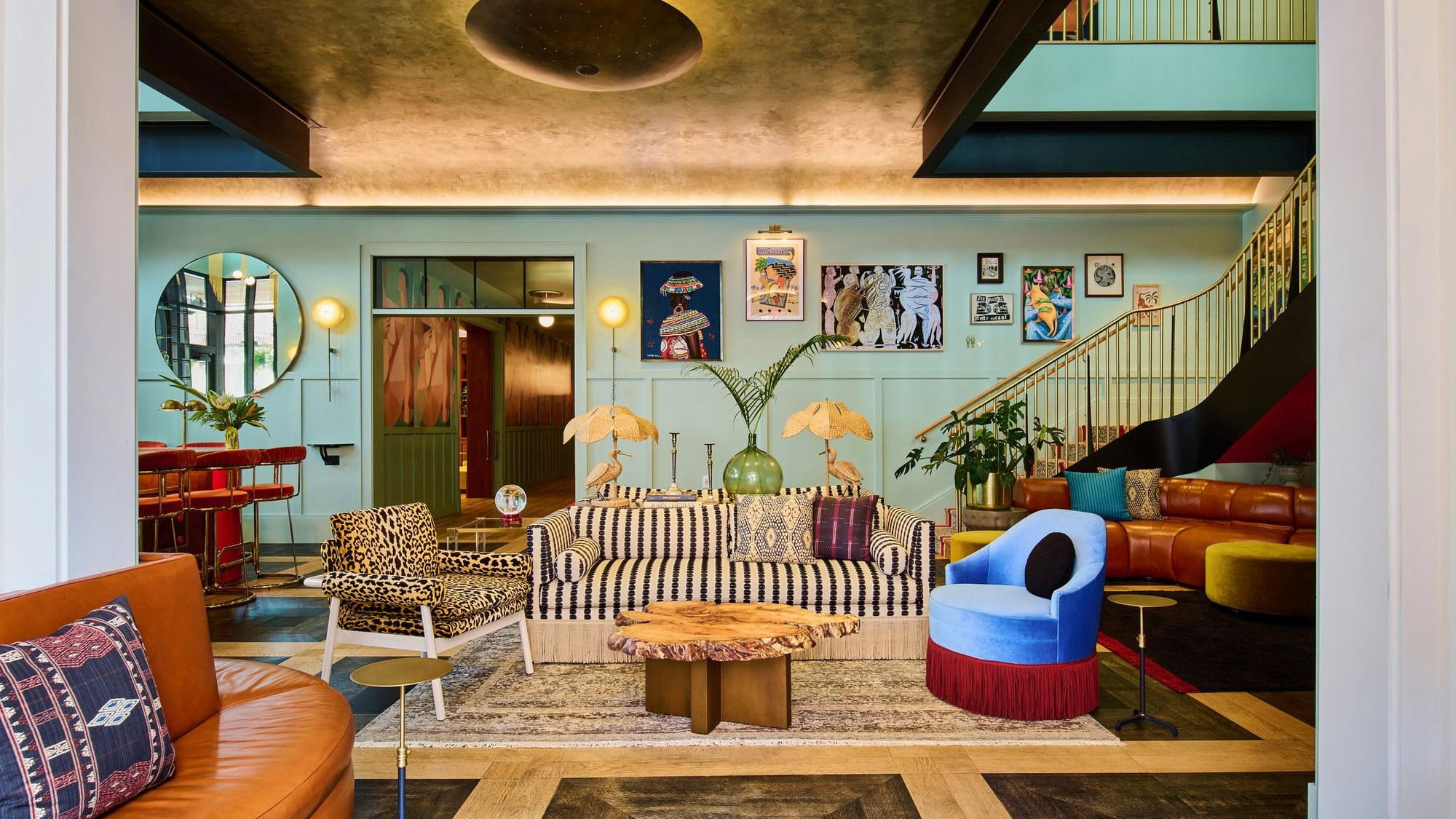
Lively and festive with colorful Mexican cartel wall art, sizzling meats aromas, lively chatter, and traditional music creating an authentic and comforting atmosphere.