Taqueria Corona
On Magazine Street in Uptown New Orleans, Taqueria Corona occupies a corner of the city where everyday Mexican eating exists largely outside the fine-dining conversation that dominates local food coverage. Positioned against a backdrop of Creole institutions and New American ambition, it serves a neighbourhood that has always made room for direct, unadorned cooking alongside the city's more celebrated traditions.
Pearl is the En Primeur Club membership app — saves, bookings, and concierge access live there. Same editors, same standards.
- Address
- 5932 Magazine St, New Orleans, LA 70115
- Phone
- +15048973974
- Website
- taqueriacorona.com
- Directions
- Get directions
 Saves & bookings on Pearl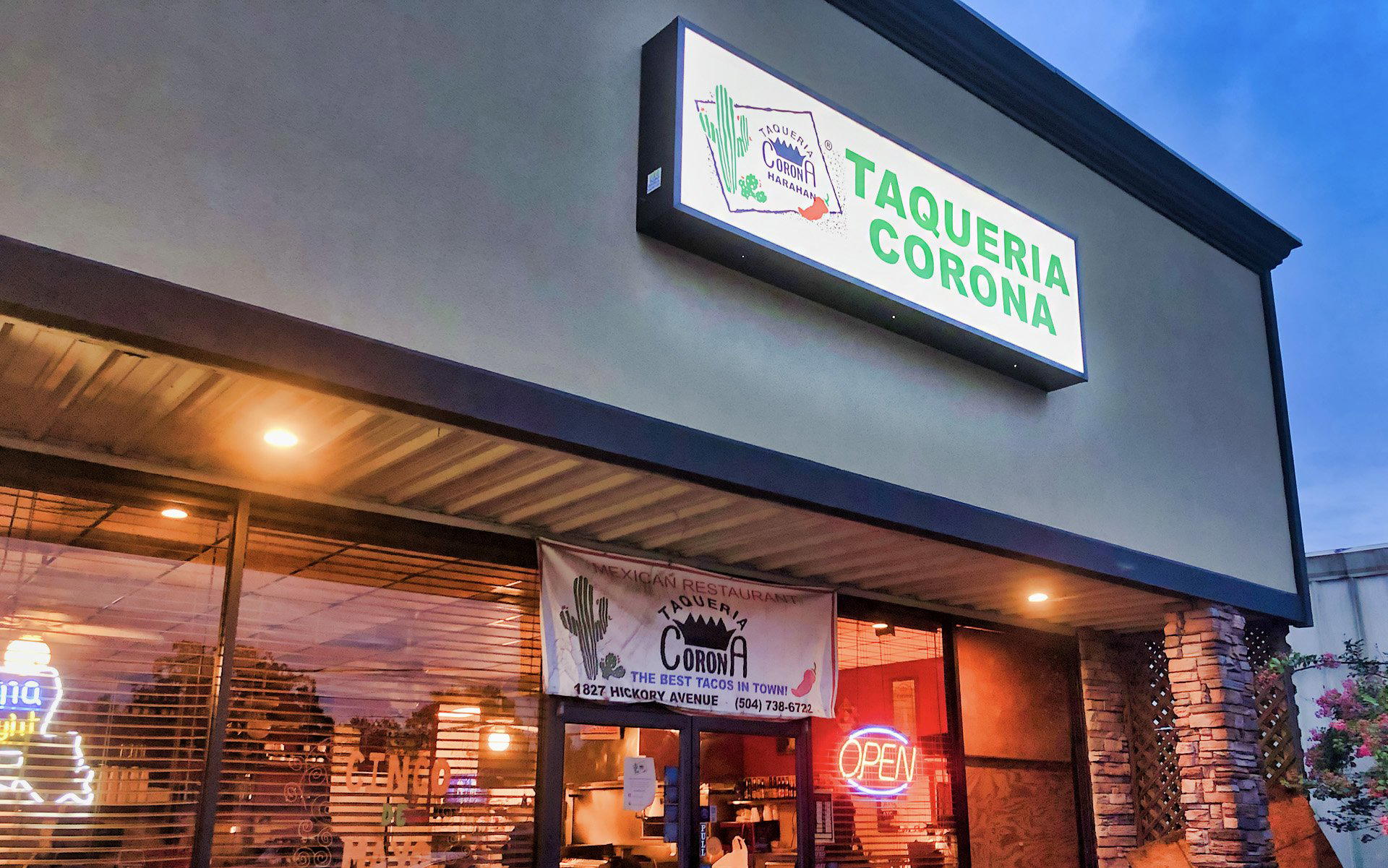
Magazine Street and the Rhythm of the Everyday Taqueria
Magazine Street runs through Uptown New Orleans like a long, slow exhale, six miles of independent businesses, corner groceries, and neighbourhood restaurants that serve the people who actually live in the city rather than the ones passing through on a food pilgrimage. At 5932, Taqueria Corona occupies a spot in this corridor where the dining ritual is stripped of ceremony. There are no tasting menus, no sommelier interjections, no amuse-bouches to set the pace. The meal begins when you order and ends when you leave, and the pacing is yours to control.
That directness is worth contextualising against the broader New Orleans dining scene, which has long been weighted toward elaboration. Institutions like Emeril's built their reputations on Cajun technique amplified for a national audience, while spots like Saint-Germain and Re Santi e Leoni operate in a contemporary register that demands attention and extended time. The taqueria format sits at the opposite pole: it asks nothing of you except appetite.
The Dining Ritual at a Neighbourhood Taqueria
Mexican street food, in its most honest form, organises the meal around repetition and customisation rather than progression. You do not move through courses with a server guiding tempo. Instead, the ritual is self-directed: you scan a board, you make fast decisions, and you eat while the food is still at its correct temperature. At a taqueria, cold food is a failure state, not a design choice. This is eating calibrated to immediacy.
That etiquette has real implications for how you should approach Taqueria Corona on Magazine Street. Unlike Bayona or Zasu, where the experience is shaped by a room's momentum and a kitchen's sequencing, a taqueria puts the sequencing in your hands. Order in rounds if you want to compare fillings. Eat at the counter if one is available. Do not wait for everyone's food to arrive before starting, the format is not designed for synchronised eating, and the food will suffer for it.
Across American cities, the taqueria format has been through several reinventions. In Los Angeles, places like Providence exist in a completely different register, but the taqueria circuit there operates on decades of accumulated Mexican-American community infrastructure. In New Orleans, Mexican food occupies a smaller, less-established slice of the dining conversation, the city's identity remains so bound to Creole and Cajun traditions that cuisines from outside that lineage tend to find their audiences neighbourhood by neighbourhood rather than citywide. Magazine Street's Uptown corridor has proven receptive to exactly this kind of local, low-threshold eating.
Where Taqueria Corona Sits in the New Orleans Picture
New Orleans restaurant coverage tends to cluster around a handful of culinary categories: the grand Creole dining room, the po'boy counter, the contemporary tasting menu. The city's serious food press has devoted significant column space to Creole technique, how roux is built, how seasoning layers, how a dish like turtle soup or a properly made étouffée carries the weight of a tradition. Against that, Mexican food in New Orleans operates with less critical scaffolding and more neighbourhood loyalty.
For visitors oriented toward the city's more decorated addresses, the kind of multi-course ambition found at properties like The French Laundry in Napa or Alinea in Chicago, a taqueria on Magazine Street represents a deliberate gear change. It is not a detour from the serious food agenda; it is a reminder that cities are made of many registers simultaneously, and that a well-made taco operates on a different but no less legitimate set of standards than a twelve-course tasting menu.
Within the New Orleans taco and Mexican food category, the restaurant has held a consistent presence on Magazine Street long enough to become part of the neighbourhood's eating infrastructure. That kind of durability in a city with high restaurant turnover is itself a signal.
What the Format Demands of the Diner
The taqueria ritual rewards a certain kind of diner attention. Unlike the orchestrated progression of somewhere like Blue Hill at Stone Barns or Atomix in New York City, where the kitchen controls every variable of pacing and temperature, the taqueria puts you in the position of making consequential small decisions quickly. Which protein. Which salsa, if there is a choice. Whether to add a second order before the first is finished.
The discipline of the format is in its lack of safety net. There is no sommelier to redirect a misfired pairing, no amuse-bouche to reset your palate, no cheese course to close the gap between a main and a dessert. You eat what you order, and you order again if you want more. That directness is not a limitation of the format, it is the format's whole point. Cuisines built around street eating tend to have high tolerances for iteration: order, assess, adjust, repeat.
For the New Orleans visitor whose itinerary already includes a reservation at a tablecloth room, Bayona in the French Quarter or one of the Garden District's more serious addresses, a stop on Magazine Street at a taqueria fills a different slot in the day. Lunch, a late afternoon snack, or a fast meal before an evening with more structural commitment. The city's eating day has always been long; this is a way to pace it.
Know Before You Go
A Minimal comparable set
Comparable venues nearby, for context on price, style, and recognition.
| Venue | Cuisine | Price | Notes |
|---|---|---|---|
| Taqueria CoronaThis venue — the venue you are viewing | Audubon, Authentic Mexican Taqueria | $$ | Not listed |
| The Velvet Cactus | Lakeview, Mexican | $$ | Not listed |
| Felipe's Mexican Taqueria | Not listed | $$ | French Quarter, Authentic Mexican Taqueria |
| El Gato Negro | Not listed | $$ | Lakeview, Authentic Mexican from Michoacán |
| Red Dog Diner | Garden District, American Comfort Diner | $$ | Not listed |
| Juan's Flying Burrito | Lower Garden District, Creole Taqueria | $$ | Not listed |
Continue exploring
More in New Orleans
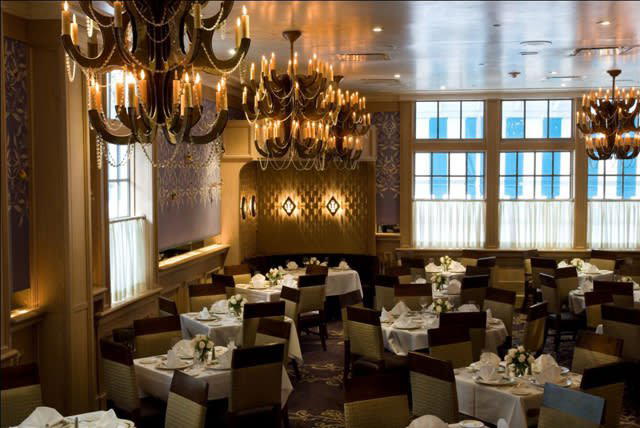
Restaurants in New Orleans
Browse all →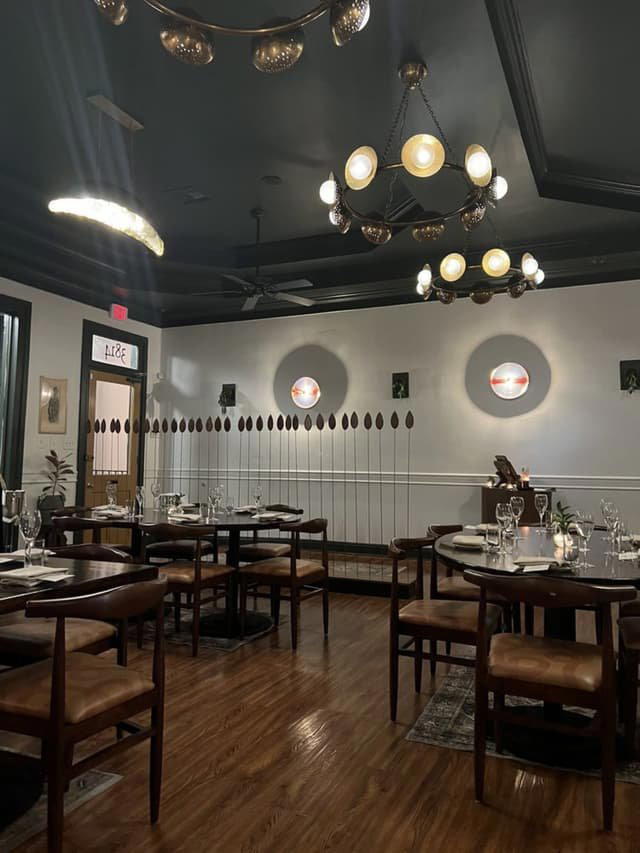
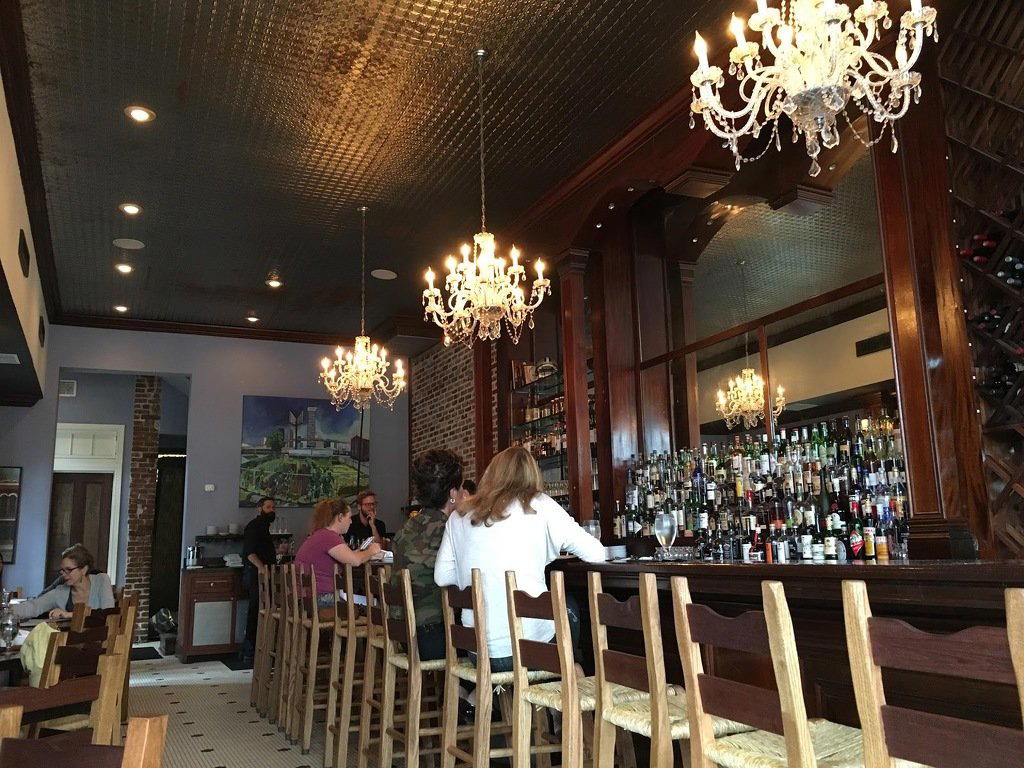
Bars in New Orleans
Browse all →
At a Glance
- Lively
- Cozy
- Casual Hangout
- Family
- Group Dining
- Open Kitchen
- Craft Cocktails
- Beer Program
- Local Sourcing
Current opening hours
- Monday
- 11:30 AM–2 PM, 5–9 PM
- Tuesday
- 11:30 AM–2 PM, 5–9 PM
- Wednesday
- 11:30 AM–2 PM, 5–9 PM
- Thursday
- 11:30 AM–2 PM, 5–9 PM
- Friday
- 11:30 AM–2 PM, 5–9:30 PM
- Saturday
- 11:30 AM–3 PM, 5–9:30 PM
- Sunday
- 11:30 AM–3 PM, 5–9 PM
Hours can change for holidays and private events. Last verified .
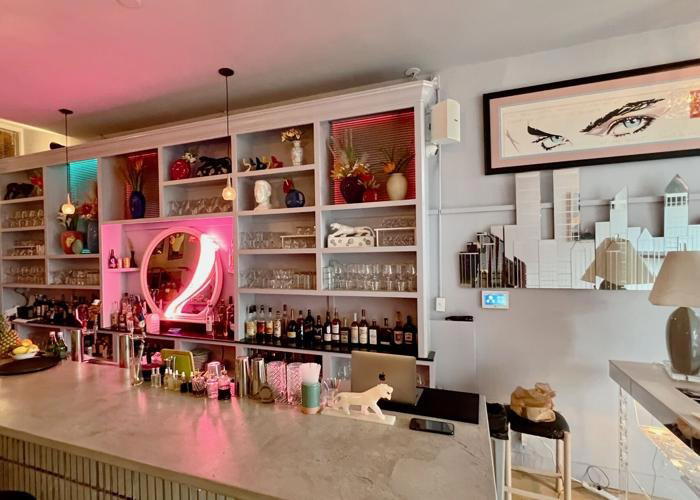
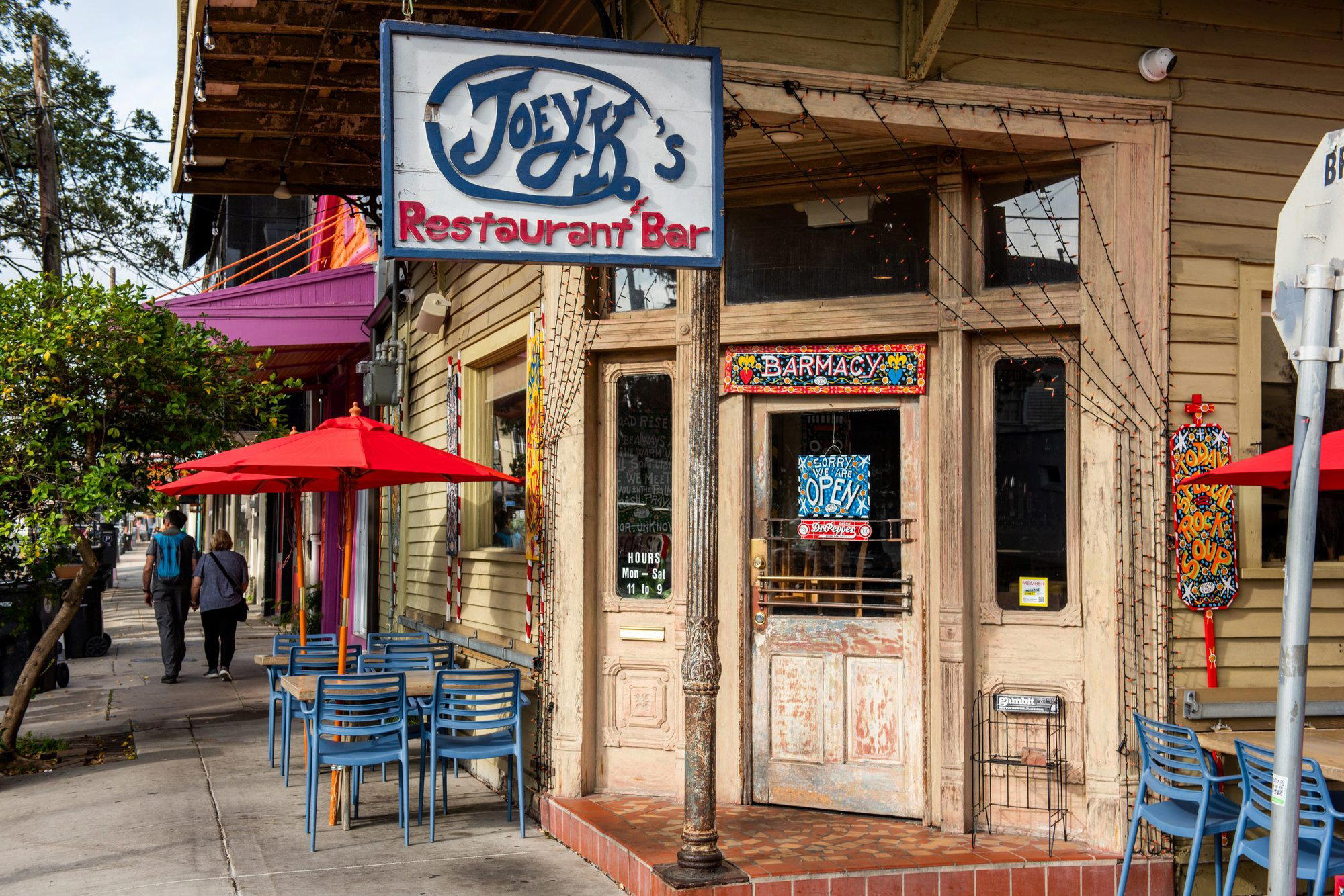
Colorful and fun environment with hanging piñatas, wall art collectibles, and a comfortable, leisurely neighborhood atmosphere.