The Velvet Cactus
On Argonne Boulevard in the Lakeview district, The Velvet Cactus occupies a corner of New Orleans where the city's Gulf-sourced larder meets a culinary vocabulary that travels well beyond the bayou. The kitchen works a register that sits between the deep-rooted Creole tradition and a more contemporary, technique-forward approach, a positioning that gives it a distinct identity in a city crowded with confident cooking.
Pearl is the En Primeur Club membership app — saves, bookings, and concierge access live there. Same editors, same standards.
- Address
- 6300 Argonne Blvd, New Orleans, LA 70124
- Phone
- +15043012083
- Website
- thevelvetcactus.com
- Directions
- Get directions
 Saves & bookings on Pearl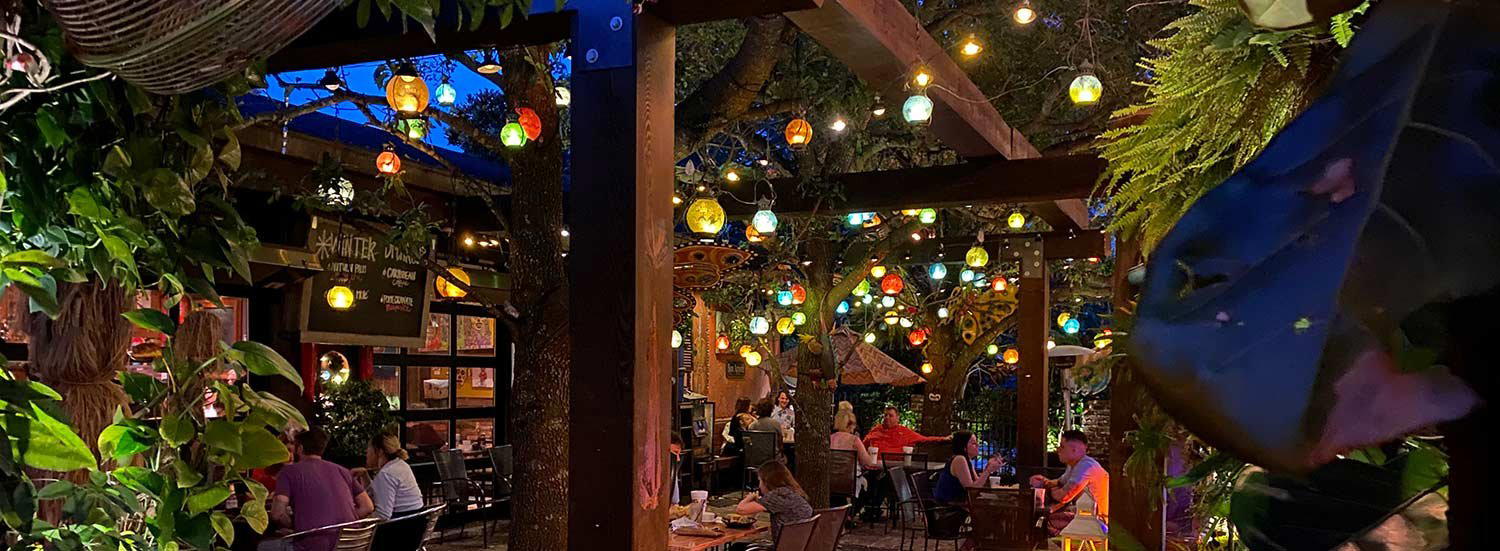
Where Argonne Boulevard Meets the Gulf
Lakeview is not the neighbourhood most visitors picture when they think of New Orleans dining. The French Quarter and the Warehouse District collect the headlines; Lakeview collects its residents. That local-first character shapes the experience at The Velvet Cactus in ways that matter: the room reads as a place people return to rather than one they cross off a list, and the cooking reflects a confidence that comes from not needing to perform for tourists. Positioned at 6300 Argonne Boulevard, the address places it squarely in a residential corridor where restaurants survive on repeat business, not foot traffic, and that accountability tends to produce more honest cooking.
The Local-Global Kitchen: A Framework for Understanding the Menu
New Orleans sits at among the more productive culinary intersections in North America. The Gulf of Mexico delivers shrimp, crab, oysters, and fish at a quality and freshness that restaurants in landlocked cities spend significant budget trying to approximate. The Mississippi Delta gives the region its rice, its alluvial soil, and centuries of agricultural tradition. What changes across the city's better kitchens is not the quality of the raw material, it is what those kitchens do with it once it arrives.
The editorial angle that defines The Velvet Cactus within the New Orleans scene is the application of technique that travels: methods borrowed or absorbed from culinary traditions beyond Louisiana, applied to ingredients that are emphatically local. This is a different proposition from the deep-Creole orthodoxy represented by venues like Emeril's, and equally distinct from the contemporary European register of Saint-Germain, which operates at the summit of the city's contemporary price tier. The Velvet Cactus occupies a middle ground where the Gulf larder is treated with a broader technical vocabulary, without abandoning the Southern identity that makes the ingredients worth using in the first place.
This positioning is not rare nationally. Kitchens like Blue Hill at Stone Barns in Tarrytown and Single Thread Farm in Healdsburg have made the local-ingredient, global-technique framework central to their identity. In New Orleans, the same conversation plays out against a different larder and a different set of culinary ancestors, which makes the local version of it worth tracking independently.
New Orleans Dining in Context: Where This Fits
The city's dining scene organises itself into roughly three registers. At the leading sits the formal creative tier, Saint-Germain and Re Santi e Leoni operate here, alongside the Michelin-credentialed rooms that have emerged as the Guide has extended its New Orleans coverage. Below that sits a broad and serious middle tier where tradition and craft coexist: Bayona has held that position for decades through Susan Spicer's New American approach, and Zasu represents the newer American Contemporary voice in the same bracket. The restaurant reads as part of this middle tier, where value, locality, and culinary ambition converge without the formality of the room above.
For readers who track the national conversation about ingredient-led cooking, the comparison set extends beyond New Orleans. Providence in Los Angeles has built a sustained reputation on Pacific seafood treated with French discipline. Addison in San Diego applies comparable rigour to Southern California's agricultural output. The common thread across these kitchens is that the place of origin shapes the plate more than any imported style, even when the technique itself arrived from elsewhere.
The Lakeview Setting and What It Means for Diners
The neighbourhood context shapes practical decisions. Lakeview is accessible by car and reasonably so by rideshare, but it does not lend itself to the pre- and post-dinner wandering that the French Quarter or Magazine Street enables. This is a destination rather than a stop-along-the-way, which means the meal itself carries the evening. That concentration tends to suit the format: when the surrounding area is quiet, the room absorbs more of the diner's attention, and the cooking has to hold it.
For visitors building a New Orleans itinerary, the Lakeview location requires a deliberate decision to go.
Technique-Led Kitchens: A Wider Conversation
The broader American fine-dining conversation about technique and locality has produced some of the country's most discussed rooms over the past two decades. Alinea in Chicago made technique itself the argument. Le Bernardin in New York City demonstrated that classical French method applied to notable seafood could define a restaurant's identity for forty years. The French Laundry in Napa and Lazy Bear in San Francisco approach locality from different angles but share a commitment to the idea that great ingredients deserve precise handling. Atomix in New York City has shown how Korean culinary tradition can absorb and reframe Western fine-dining structure. The Inn at Little Washington and Bacchanalia in Atlanta have each built regional reputations on the same principle: start with what the land and water provide, apply learned skill, and let the result speak for the place. 8½ Otto e Mezzo Bombana in Hong Kong extends this logic to another hemisphere, where Italian technique meets Asian ingredients with three Michelin stars to underline the case. In New Orleans, the restaurant enters this conversation from a position of geographic advantage: few American cities offer a larder as immediately compelling as the one available here.
Know Before You Go
Address: 6300 Argonne Blvd, New Orleans, LA 70124
Neighbourhood: Lakeview
Getting There: Rideshare is one direct option from the French Quarter or Warehouse District. Street parking is generally available in the surrounding residential blocks.
Reservations: Walk-ins are welcome, though booking ahead is sensible for busy evenings.
Price Range: About $25 per person.
Hours: Mon to Thu 4:30-9 PM; Fri and Sat 11 AM-10 PM; Sun 11 AM-9 PM.
Comparable Venues
Comparable venues nearby, for context on price, style, and recognition.
| Venue | Cuisine | Price | Notes |
|---|---|---|---|
| The Velvet CactusThis venue — the venue you are viewing | Mexican | $$ | Not listed |
| Felipe's Taqueria | Mexican Taqueria | $$ | French Quarter |
| Felipe's Mexican Taqueria | Authentic Mexican Taqueria | $$ | French Quarter |
| Venezia | Home-Style Italian & Sicilian Pizza | $$ | Mid-City |
| Killer Poboys at Erin Rose | Internationally Inspired New Orleans Po'boys | $$ | French Quarter |
| Petite Amelie | French Quarter Bakery Cafe | $$ | French Quarter |
Continue exploring
More in New Orleans
Restaurants in New Orleans
Browse all →
Bars in New Orleans
Browse all →

At a Glance
- Lively
- Trendy
- Cozy
- Casual Hangout
- Group Dining
- Brunch
- Craft Cocktails
Current opening hours
- Monday
- 4:30–9 PM
- Tuesday
- 4:30–9 PM
- Wednesday
- 4:30–9 PM
- Thursday
- 4:30–9 PM
- Friday
- 11 AM–10 PM
- Saturday
- 11 AM–10 PM
- Sunday
- 11 AM–9 PM
Hours can change for holidays and private events. Last verified .
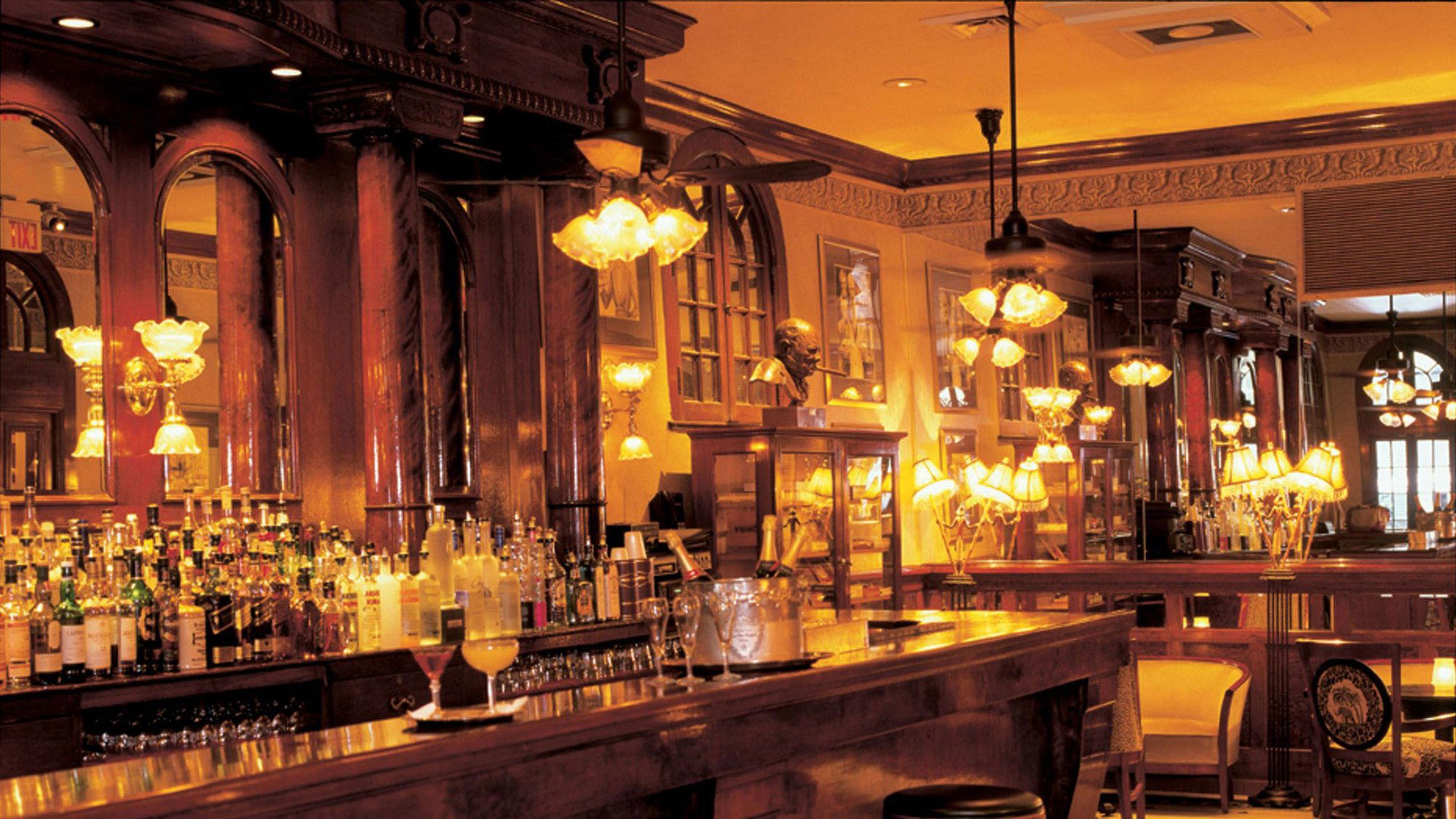
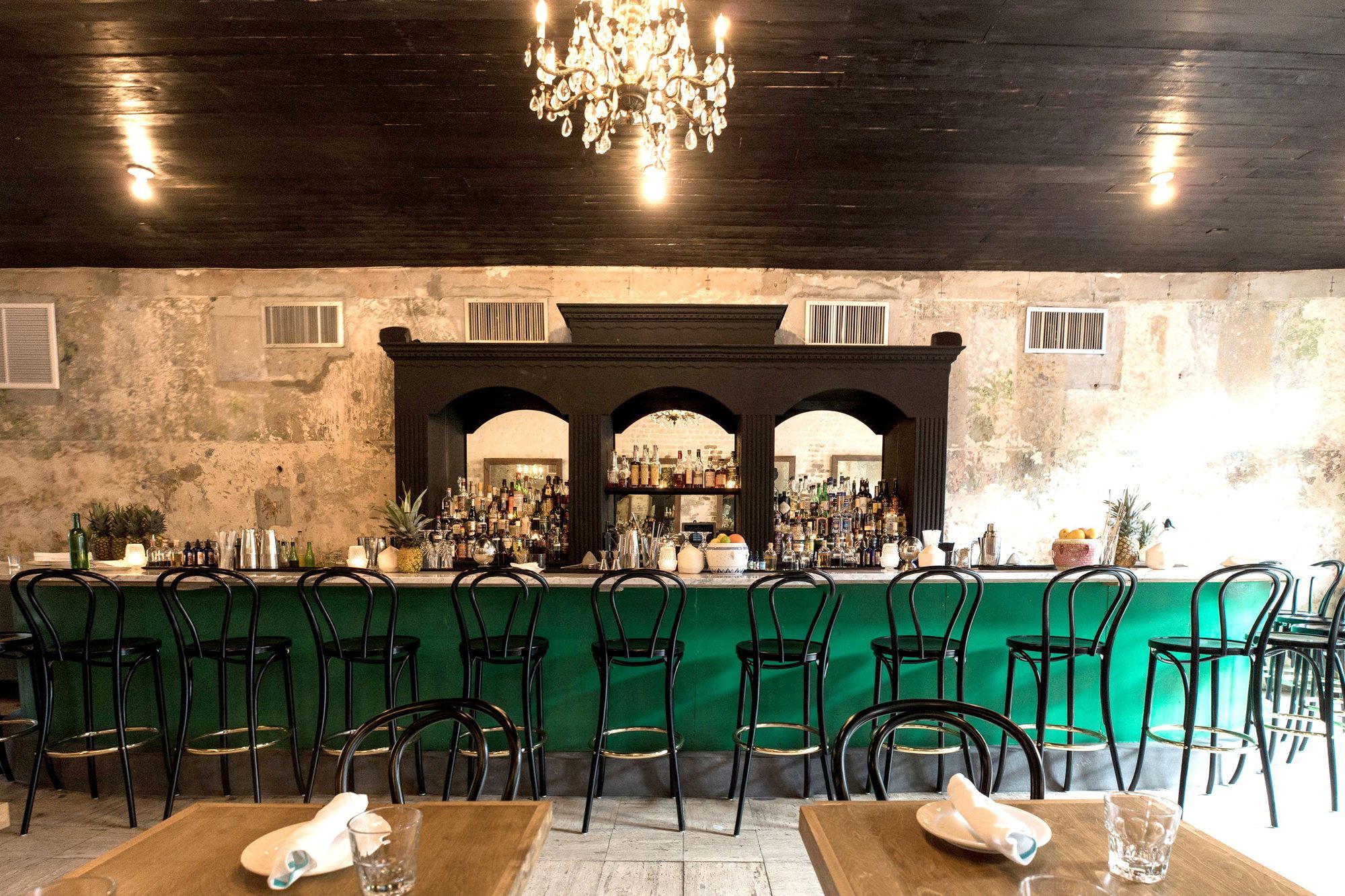
Laid-back and fun with a nice patio feel, games for waiting, and a lively atmosphere praised by guests.