Tableau

Wine Spectator Best of Award of Excellence
Our verdict
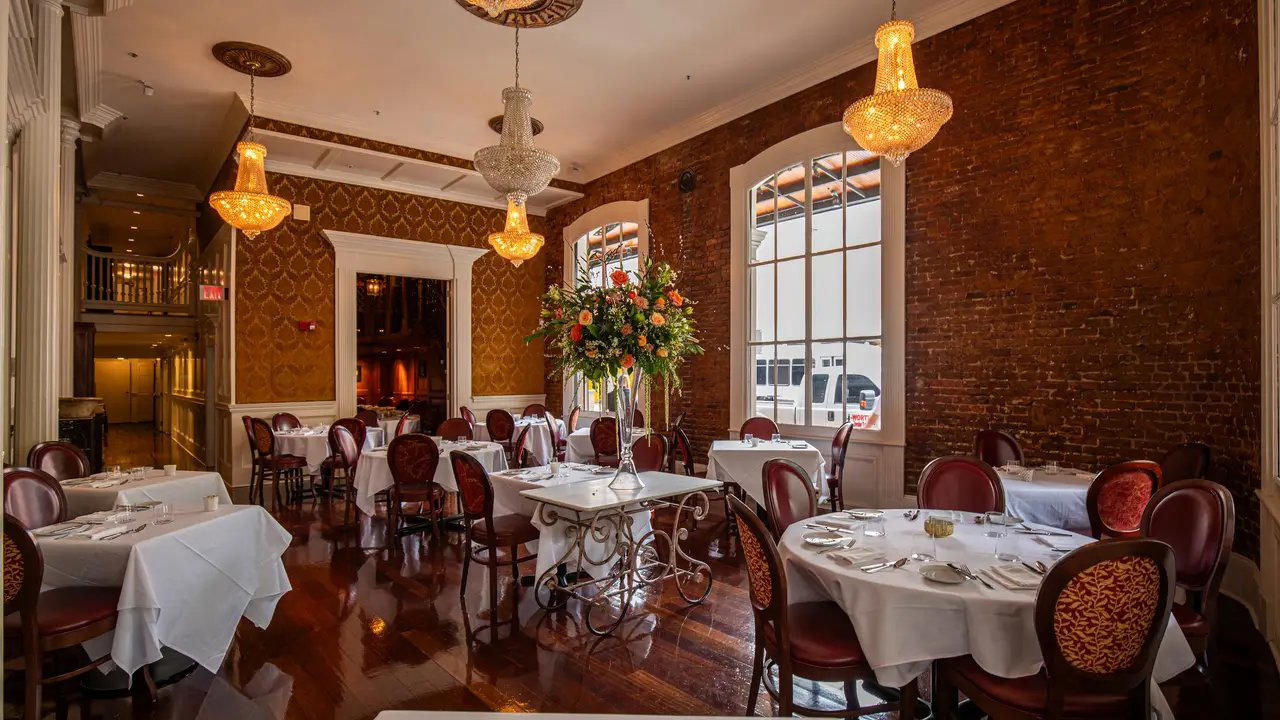
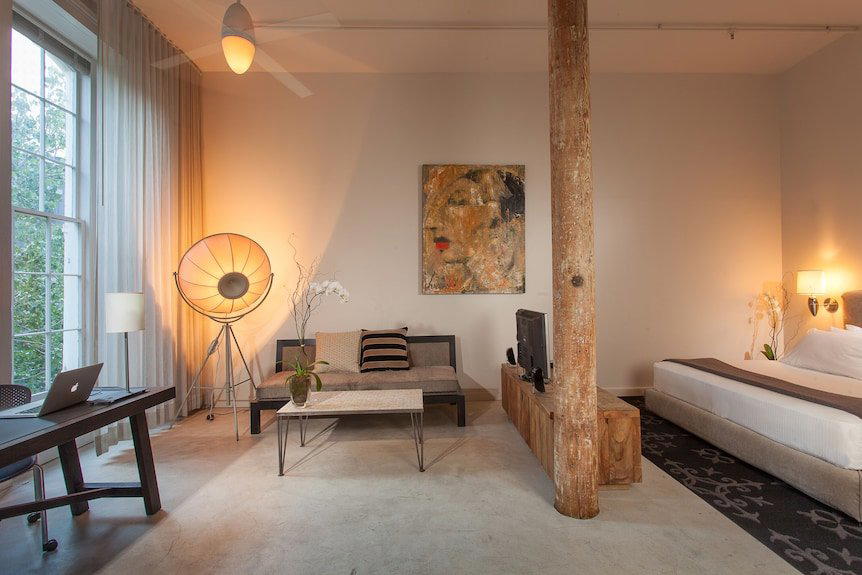
On St. Peter Street in the French Quarter, Tableau occupies one of New Orleans' most loaded dining addresses, where the traditions of Creole cooking meet a room shaped by decades of reinvention.

Pearl is the En Primeur Club membership app, where members save venues, book tables and use the concierge.

The menu
What to order
- Truffled Crab Claws
- Brown Butter Gnocchi
- Shrimp and Grits
- Crabmeat Cheesecake
The French Quarter Address and What It Carries
St. Peter Street in the French Quarter is not neutral ground. The block at 616 has absorbed more dining concepts, ownership changes, and menu reinventions than most New Orleans addresses, and that accumulated history shapes what any restaurant operating there is implicitly competing with. The French Quarter's dining scene has long split between institutions that trade on century-old Creole traditions, Commander's Palace, Antoine's, Galatoire's, and newer operations trying to establish legitimacy on streets where the weight of expectation is unusually heavy. Tableau sits in that tension, on a stretch of the Quarter where the architecture does half the storytelling and the kitchen has to do the rest.
Bayona on Dauphine Street has spent decades building a New American identity that sits alongside, rather than inside, the Creole canon. Emeril's shifted the conversation toward Cajun-inflected contemporary cooking in the warehouse district. Saint-Germain operates at the price-forward contemporary tier, while Zasu and Re Santi e Leoni represent newer voices entering a city that has historically rewarded patience over novelty. Tableau's position within this map is worth understanding before booking.
A Room Shaped by Revision
The evolution frame matters here more than at most New Orleans restaurants. The French Quarter dining scene spent much of the late twentieth century defending its classic formats, the white tablecloth, the roux-heavy menu, the ritual of the second-line cocktail, against pressure from a national dining culture moving toward casualization and open-kitchen transparency. What changed, particularly through the post-Katrina decade, was a willingness among Quarter operators to let the room breathe differently, to treat the building's age as context rather than costume.
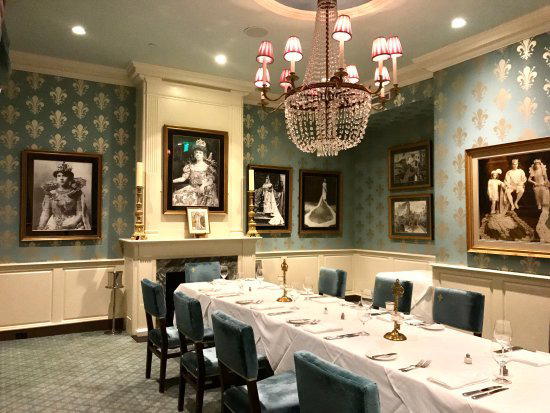
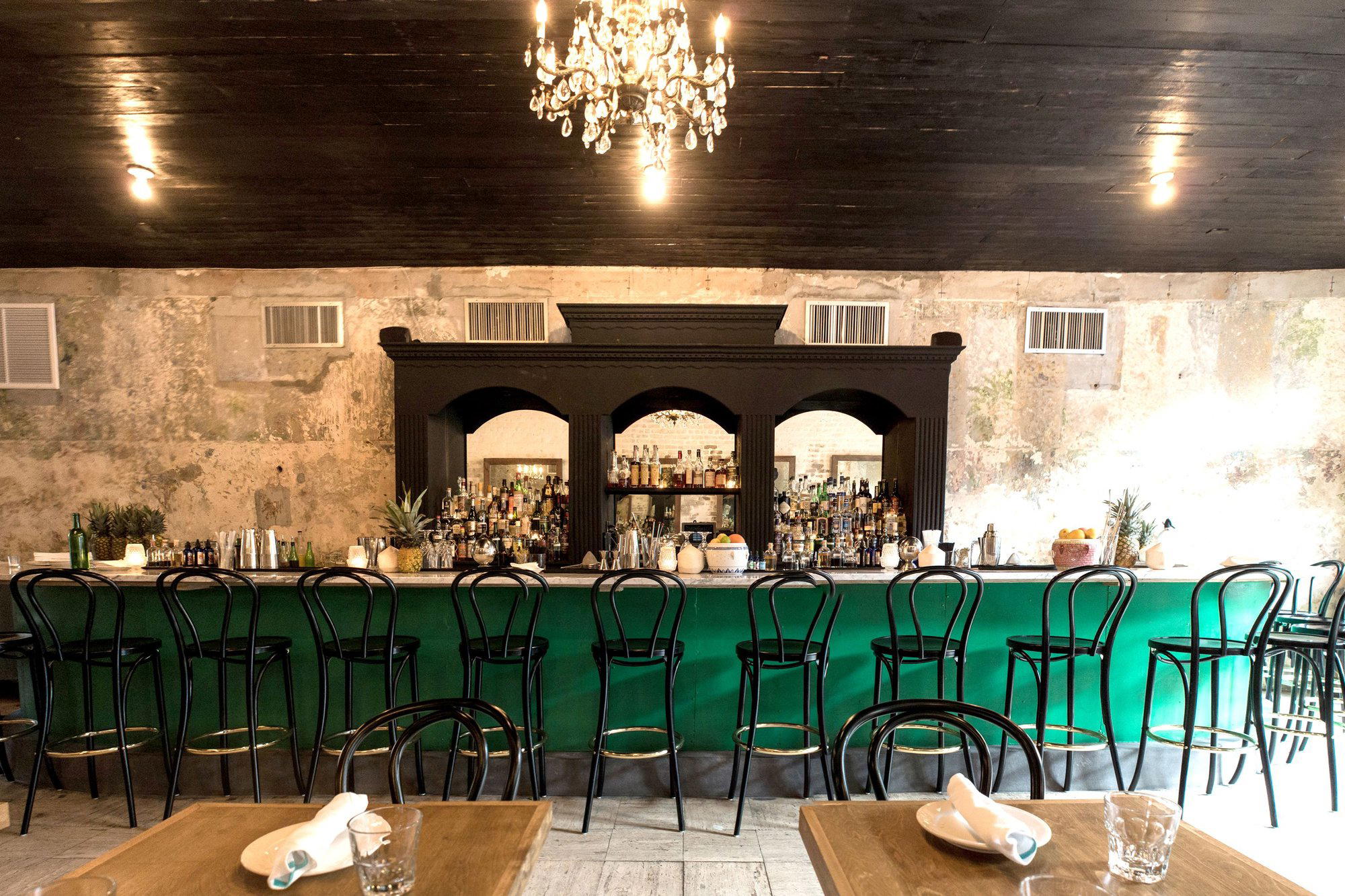
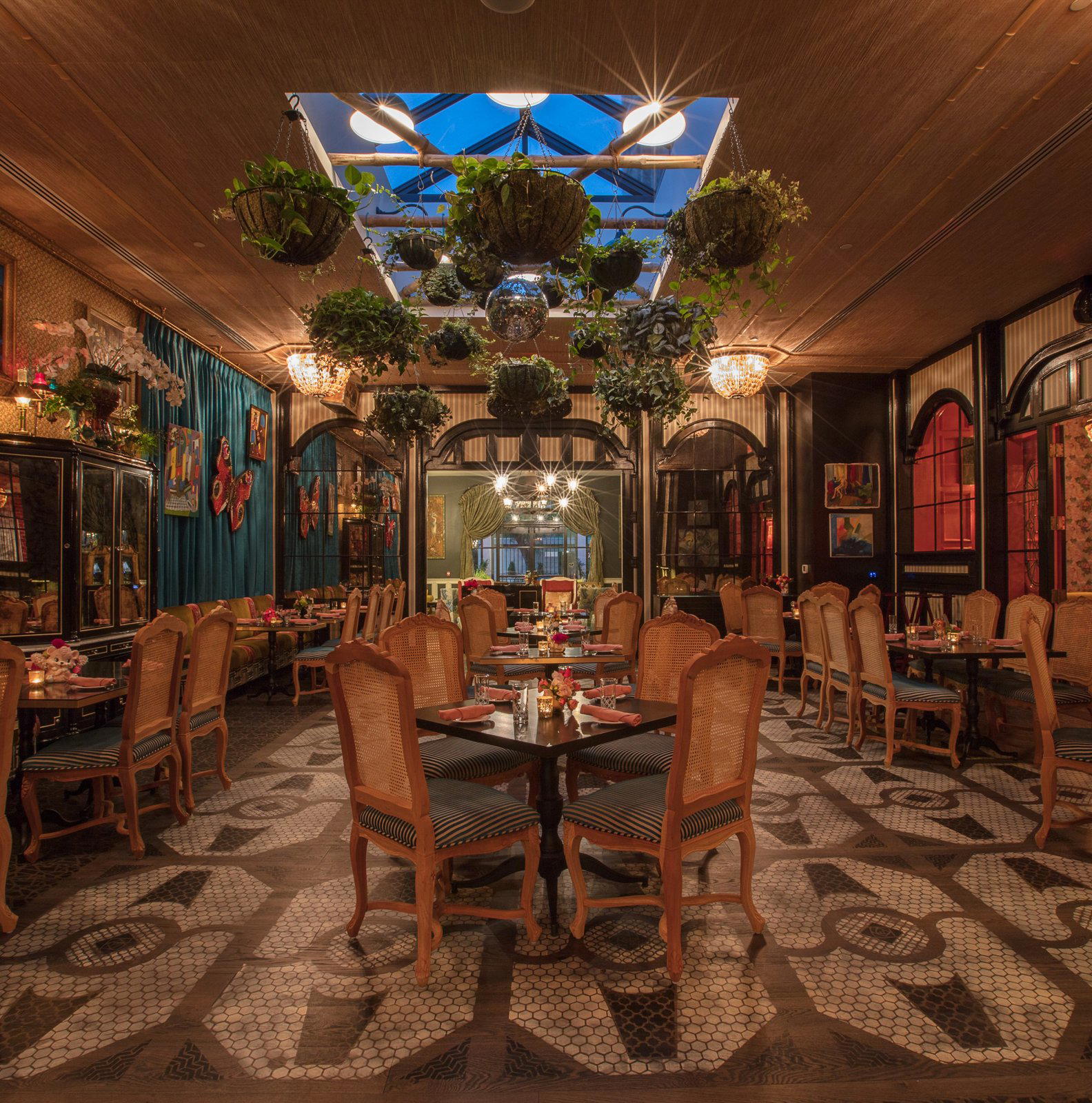
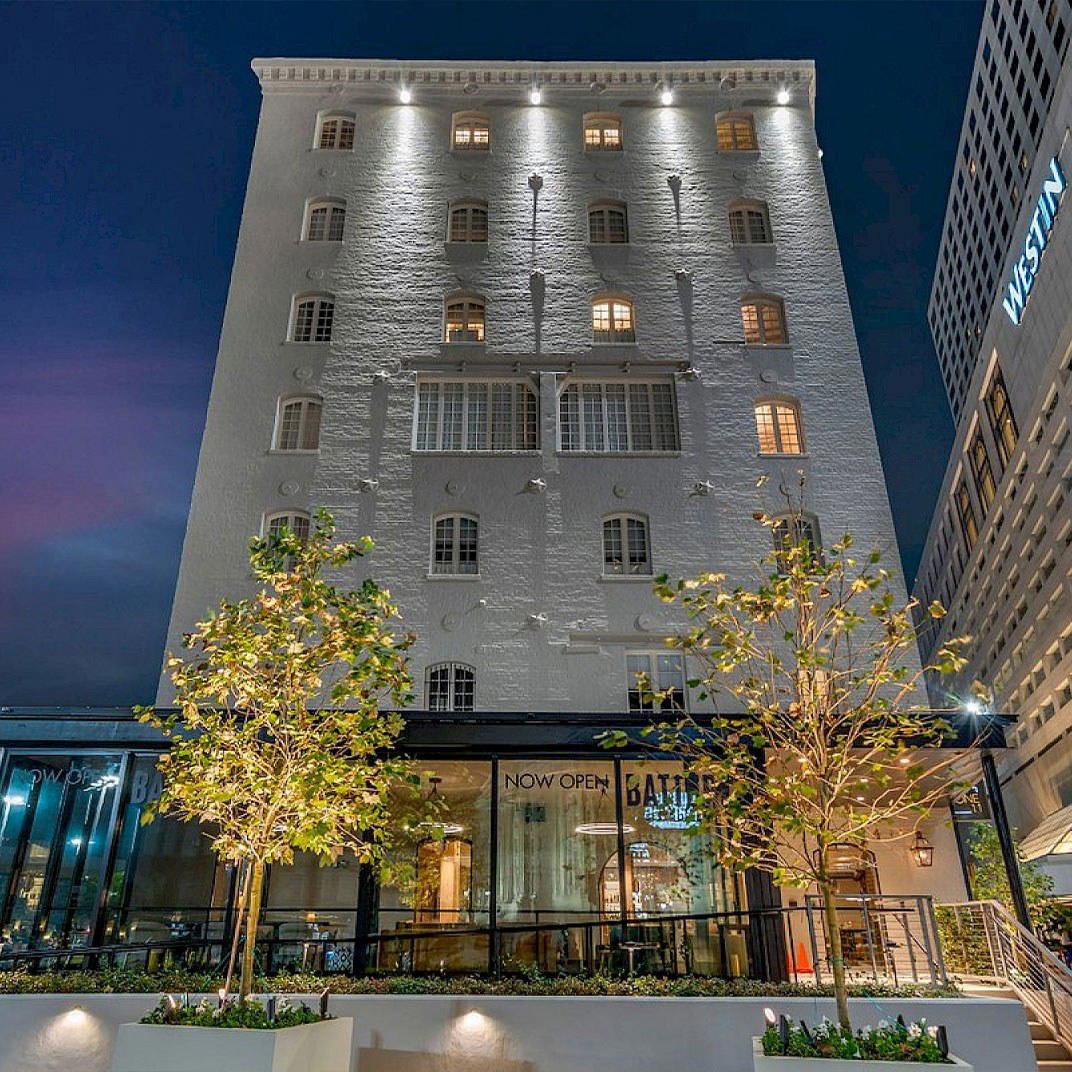
Tableau's address is part of that shift. The physical environment on St. Peter, with its balconied facades and courtyard access typical of the Quarter's Creole townhouse typology, provides an atmospheric starting point that few cities can match. The question any reinvented Quarter restaurant faces is whether the food program matches the architectural authority of the setting. The gap between those two things is where reputations are made or quietly lost in this part of the city.
Nationally, the category of fine-casual Creole-adjacent dining has grown more competitive. Restaurants like Le Bernardin in New York City, Alinea in Chicago, and The French Laundry in Napa define what sustained investment in a singular format looks like over decades. Closer to Tableau's register, Lazy Bear in San Francisco, Providence in Los Angeles, and Blue Hill at Stone Barns in Tarrytown show what it looks like when a restaurant commits to a point of view across seasons and years. The question for any French Quarter restaurant attempting to evolve is whether the reinvention has been additive or merely cosmetic.
The Creole Dining Tradition and Where Tableau Fits
New Orleans Creole cooking is one of the most documented regional traditions in American food, and it is also one of the most frequently misrepresented outside the city. The tradition draws from French, Spanish, West African, and Caribbean influences, producing a cuisine that is technique-intensive at its upper end, classical French methods applied to local shellfish, game, and produce, and deeply comfort-oriented at its more accessible tier. The restaurants that have navigated this spectrum successfully over time tend to share a common trait: they treat the tradition as a living system, not a museum exhibit.
The danger for any Creole-adjacent restaurant in the Quarter is calcification. The room fills with tourists who want the expected, and the kitchen can drift toward delivering exactly that: a beignet, a étouffée, a bread pudding souffle, executed competently but without the kind of precision that distinguishes a serious kitchen from a crowd-pleasing one. The restaurants that have avoided this across New Orleans share a commitment to sourcing discipline and seasonal adjustment, qualities that are harder to see on a menu but immediately apparent in the plate.
Within the American fine-dining conversation, the Gulf South region has historically been underrepresented relative to its culinary depth. Restaurants like Addison in San Diego, Single Thread Farm in Healdsburg, and Bacchanalia in Atlanta demonstrate what a regionally grounded fine-dining program looks like when it operates with full commitment. The bar is high, and New Orleans, with its depth of tradition and its increasingly competitive mid-market, is increasingly holding its restaurants to that standard.
For a broader map of how the city's dining scene is structured across price points and cuisines, the EP Club New Orleans restaurants guide provides context beyond any single address. Internationally, the parallel conversation about how historic dining traditions reinvent themselves without abandoning their foundations plays out at venues like 8 1/2 Otto e Mezzo Bombana in Hong Kong and Atomix in New York City, where lineage and innovation are held in deliberate balance. The Inn at Little Washington offers another model: a restaurant that has evolved its format continuously while maintaining a singular sense of place.
Practical Considerations for Visitors
Know Before You Go
- Address: 616 St Peter Street, New Orleans, LA 70116
- Neighbourhood: French Quarter, within walking distance of Jackson Square and Royal Street
- Phone: Not publicly listed, check the venue's current website for reservations and hours
- Timing: The French Quarter operates on a tourism cycle; weekday lunches and early-week dinner services tend to be quieter than Friday and Saturday peaks
- Getting there: The St. Peter address is accessible on foot from most Quarter hotels; parking in the Quarter is limited and metered, the Canal Street streetcar connects from the CBD
- Dress: The Quarter's finer tables still carry an expectation of smart-casual; check current policy directly with the venue
Frequently asked questions
Is Tableau good for families?
The French Quarter address at 616 St Peter Street puts Tableau in a neighborhood that draws a wide range of visitors, and the room has historically accommodated groups of different sizes and compositions. That said, the Creole dining tradition the restaurant operates within tends toward a sit-down, course-oriented pace rather than a casual drop-in format. Families with older children who are comfortable at a full-service table will find it more natural than those with young children expecting a quick meal.
How would you describe the vibe at Tableau?
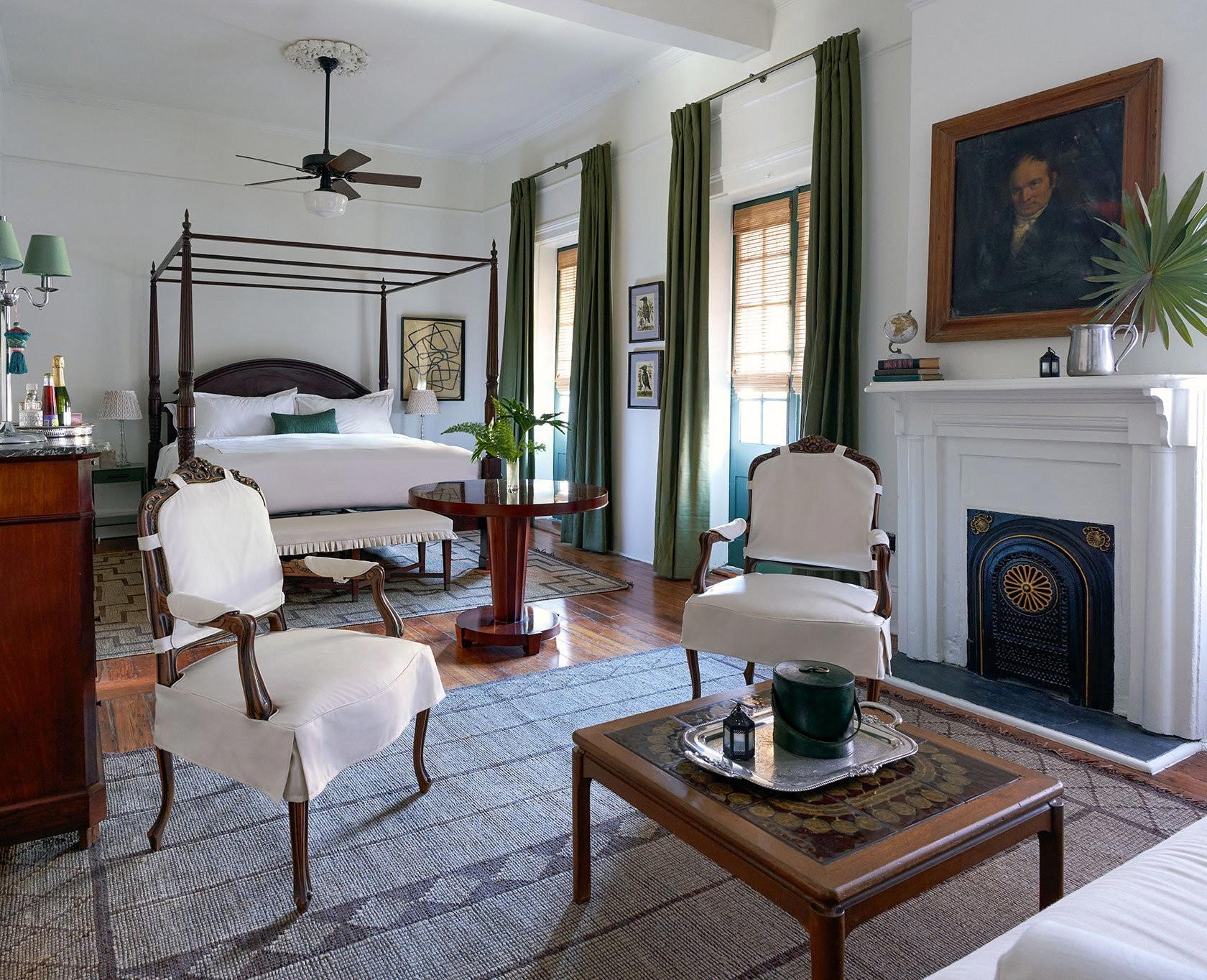
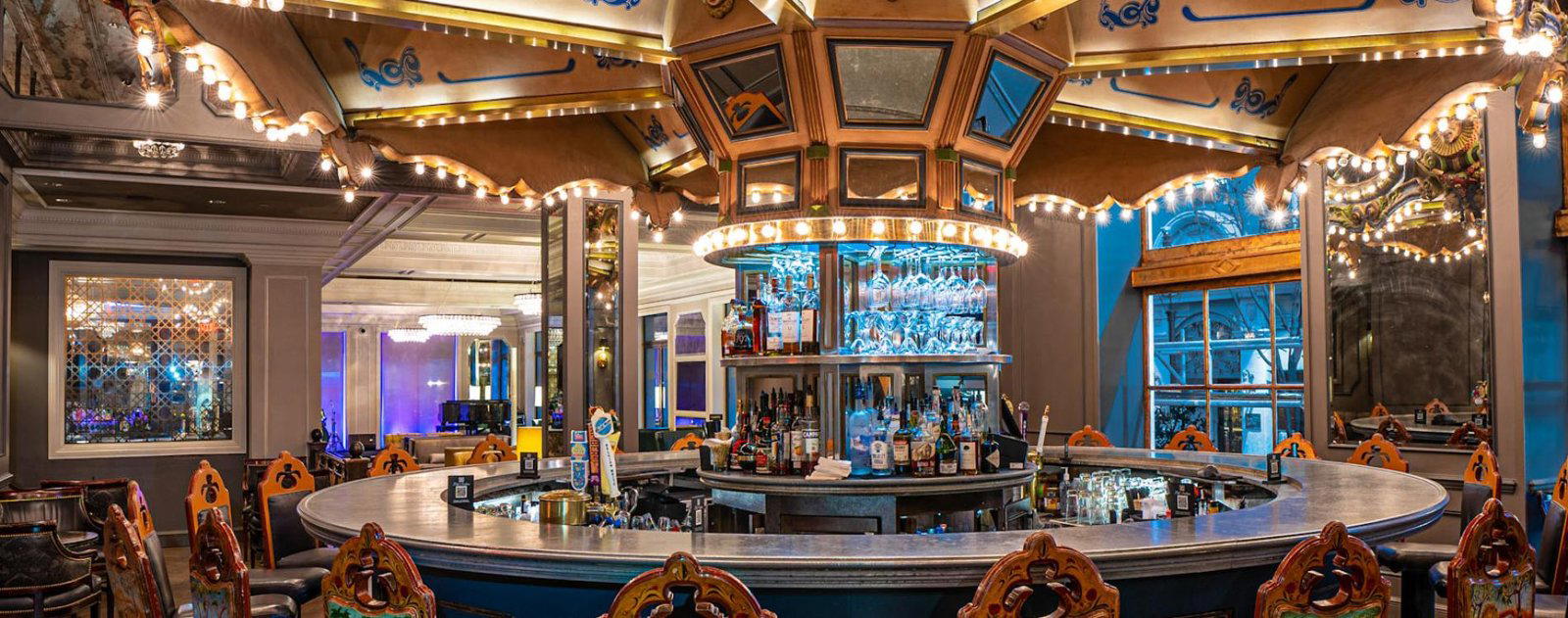
The room carries the weight of its St. Peter Street location, the French Quarter block at 616 has a long dining history that shapes the atmosphere before anyone sits down. Expect a formal-leaning but not stiff environment, consistent with the Creole restaurant tradition in New Orleans, where white tablecloths and deliberate service have coexisted with genuine neighborhood warmth for generations. It reads more like an established institution than a scene-driven newcomer.
Is Tableau a good choice for a first Creole restaurant experience in New Orleans?
For visitors approaching New Orleans Creole cooking for the first time, Tableau's French Quarter location at 616 St Peter Street places it at the center of the city's most visited dining corridor, which lowers the logistical barrier considerably. The Creole tradition it operates within is one of America's most documented regional cuisines, meaning the food has a clear reference point rather than an idiosyncratic or chef-driven angle that might require prior context. That combination of accessible location and grounded culinary tradition makes it a reasonable starting point for first-time visitors to the New Orleans dining scene.
What should I eat at Tableau?
Tableau operates within the New Orleans Creole tradition, one of the most documented regional cuisines in American food, which means the menu anchors on techniques and ingredients with deep local roots: roux-based sauces, Gulf seafood, and preparations that reference nineteenth-century Creole household cooking. Specific current dishes are best confirmed directly with the restaurant, as menus in this category shift with season and sourcing. The broader context suggests leaning toward Creole staples rather than fusion-adjacent items.
Where exactly is Tableau?
Tableau is located at 616 St Peter, New Orleans, LA 70116, New Orleans.
Can I walk in to Tableau?
Walk-in availability at a French Quarter restaurant on St. Peter Street depends heavily on the day of the week and time of year, given that New Orleans draws festival and convention traffic that compresses demand unpredictably. Contacting Tableau directly before arriving is the more reliable approach. The restaurant's address at 616 St Peter is confirmed, but real-time reservation data should come from the venue itself.
What's Tableau best at?
Tableau's clearest strength is its positioning within the Creole dining tradition at a French Quarter address that carries genuine historical weight. The restaurant sits on a block that has housed serious dining concepts across multiple eras of New Orleans food culture, which gives it a contextual credibility that newer entrants to the Quarter rarely achieve. For visitors specifically seeking a grounded introduction to New Orleans Creole cooking in an appropriately historic setting, the address alone does meaningful work.
Quick Comparison
Comparable venues nearby, for context on price, style, and recognition.
| Venue | Cuisine | Price | Awards | Notes |
|---|---|---|---|---|
| TableauThis venue (the venue you are viewing) | Modern French Creole | $50–100 | Wine Spectator Best of Award of Excellence | Not listed |
| Mosquito Supper Club | Gulf Coast Cajun Supper Club | $100–150 | Not listed | Milan |
| Fulton Alley | American Gastropub | $30–50 | Not listed | Arts District |
| Audubon Clubhouse by Dickie Brennan & Co. | Contemporary American with Louisiana Seafood | $30–50 | Not listed | Audubon |
| Commons Club New Orleans | Contemporary Southern with Mediterranean Influences | $50–100 | Not listed | Arts District |
| M bistro | Farm-to-Table American Cajun & Creole Bistro | Not listed | Not listed | French Quarter |
Recognition history
Dated appearances from independent guides and award organizations, with the underlying list record or original source where available.
Wine Spectator Best of Award of Excellence
Wine Spectator