Fulton Alley
Our verdict
Fulton Alley sits on the edge of the Warehouse District, where New Orleans' industrial past meets its dining present. The address at 600 Fulton Street places it within a neighbourhood that has absorbed creative businesses without shedding its working-city character. For visitors moving between the CBD and the French Quarter, it occupies a useful middle ground, both geographically and in terms of the city's broader dining conversation.

Pearl is the En Primeur Club membership app, where members save venues, book tables and use the concierge.

The menu
What to order
- Smash & Grab Burger
- Cheese Fries
- Chicken Wings
Sound and Surface on Fulton Street
There is a particular kind of New Orleans venue that arrives before you see it. The sound leaks out first: voices, something low-grade and percussive from inside, the ambient friction of a room in use. Fulton Alley, at 600 Fulton Street in the Warehouse District, fits that pattern. The address sits between the Convention Center corridor and the older industrial fabric of the neighbourhood, and the building carries that in-between quality into its interior register. This is not the French Quarter's performed hospitality, nor the Garden District's studied calm. It occupies a different register entirely, one shaped by the area's shift from warehouse economy to creative and commercial use over the past two decades.
The Warehouse District has become one of New Orleans' more interesting dining zones precisely because it lacks a fixed culinary identity. Unlike the French Quarter, where Creole tradition anchors the conversation, or Uptown, where neighbourhood institutions like Bayona define a block for decades, the Warehouse District absorbs formats from across the city's dining spectrum. That flexibility is both its strength and the reason individual venues there have to work harder to establish a distinct sensory presence.
Where the Warehouse District Fits in the New Orleans Dining Map
New Orleans dining has never been a monolith. The city runs several parallel traditions simultaneously: the deep-rooted Creole institutions, the Cajun-inflected registers that venues like Emeril's have long occupied, the newer contemporary formats represented by places like Re Santi e Leoni and Saint-Germain, and the mid-market American contemporary tier where venues such as Zasu operate. Fulton Alley sits in a different category from all of them, oriented less toward the city's culinary traditions and more toward the social function that a certain kind of venue performs in a neighbourhood undergoing sustained reinvention.
That social function matters. In cities where dining has bifurcated between high-commitment tasting menus and fast-casual formats, venues that hold the middle ground with a credible atmosphere and consistent programming carry disproportionate neighbourhood weight. The Warehouse District has several of these, and Fulton Alley is among the more physically distinctive, partly because of what it does with the spatial language of the building itself. The combination of lanes, bar, and dining space in a single address is not new as a format, but it is relatively unusual in a city that has historically kept its hospitality categories separate.
The Physical Environment as the Main Event
The bowling component at Fulton Alley is not incidental decoration. In cities like New York and San Francisco, the premium entertainment-dining hybrid has become a legitimate format category, with venues such as Lazy Bear in San Francisco demonstrating how experiential structure shapes the rhythm of an evening even when the food is the primary draw. Fulton Alley operates on a different scale and with a different ambition, but the underlying logic is similar: the physical activity organises the evening into phases, changes the social dynamic at the table, and gives the room a sonic texture that a restaurant-only format cannot replicate.
The sound environment is worth dwelling on. Bowling, even at low volume, generates a specific acoustic signature: the roll of the ball, the impact of pins, the response from adjacent lanes. Against a bar soundtrack and the general register of a dining room, that layered sound creates an atmosphere that is genuinely distinct from what you find at Commander's Palace or Pêche Seafood Grill or any of the city's more conventionally configured dining rooms. Whether that atmosphere suits your evening depends on what you are looking for, but it is specific, and specificity is underrated in a city that receives as many visitors as New Orleans does.
New Orleans in a Broader National Frame
It is useful to place New Orleans dining ambition against a national reference set. Venues like Le Bernardin in New York City, The French Laundry in Napa, Smyth in Chicago, Providence in Los Angeles, and Addison in San Diego represent the tier of American fine dining where technique, sourcing, and kitchen lineage drive the editorial conversation. New Orleans has its own serious-dining layer, represented by places like Saint-Germain and the more destination-oriented end of the Creole tradition. But the city also has a strong culture of social dining that operates outside that frame entirely, and that is the tradition Fulton Alley draws from.
That distinction matters for visitors approaching New Orleans with a tasting-menu mindset shaped by venues like Atomix in New York City, Blue Hill at Stone Barns in Tarrytown, Single Thread Farm in Healdsburg, Frasca Food and Wine in Boulder, The Inn at Little Washington, or Atelier Moessmer Norbert Niederkofler in Brunico. New Orleans rewards visitors who come with an appetite for multiple formats, not just the high-commitment evening. Fulton Alley is calibrated for something looser and more social than a structured tasting, and that is a legitimate programming choice for a city visit.
Planning Your Visit
Know Before You Go
- Address: 600 Fulton St, New Orleans, LA 70130
- Neighbourhood: Warehouse District, between the CBD and French Quarter corridor
- Format: Combined bowling, bar, and dining venue
- Hours: Confirm current operating hours before visiting
- Getting There: Walkable from the Convention Center and from the edge of the French Quarter; street parking available on surrounding blocks
For a fuller picture of where Fulton Alley sits within the city's dining options, see our full New Orleans restaurants guide.
Frequently asked questions
What dish is Fulton Alley famous for?
Is Fulton Alley reservation-only?
What is the defining idea behind Fulton Alley?
How does Fulton Alley fit into a broader New Orleans itinerary for first-time visitors?
In Context: Similar Options
Comparable venues nearby, for context on price, style, and recognition.
| Venue | Cuisine | Price | Awards | Notes |
|---|---|---|---|---|
| Fulton AlleyThis venue (the venue you are viewing) | American Gastropub | $30–50 | Not listed | Not listed |
| Headquarters by NGN | Creole / Cajun / Southern with a Twist | $30–50 | Not listed | Central Business District |
| Mr. B's Bistro | Creole Bistro | $50–100 | Wine Spectator Award of Excellence | French Quarter |
| Annunciation | Modern Creole & Southern | $50–100 | Not listed | Arts District |
| Ralph's on the Park | Modern Louisiana | $50–100 | Wine Spectator Award of Excellence | City Park |
| Red Dog Diner | American Comfort Diner | $20–30 | Not listed | Garden District |
Continue exploring
More in New Orleans
Restaurants in New Orleans
All restaurants in New Orleans →
Bars in New Orleans
All bars in New Orleans →

Details
- Lively
- Trendy
- Energetic
- Industrial
- Group Dining
- Celebration
- Casual Hangout
- Open Kitchen
- Private Dining
- Craft Cocktails
- A La Carte
- Small Plates
- Craft Cocktails
Current opening hours
- Monday
- Closed
- Tuesday
- Closed
- Wednesday
- 4–11 PM
- Thursday
- 4–11 PM
- Friday
- 4 PM–12 AM
- Saturday
- 11 AM–12 AM
- Sunday
- 11 AM–11 PM
Hours can change for holidays and private events. Hours as of .
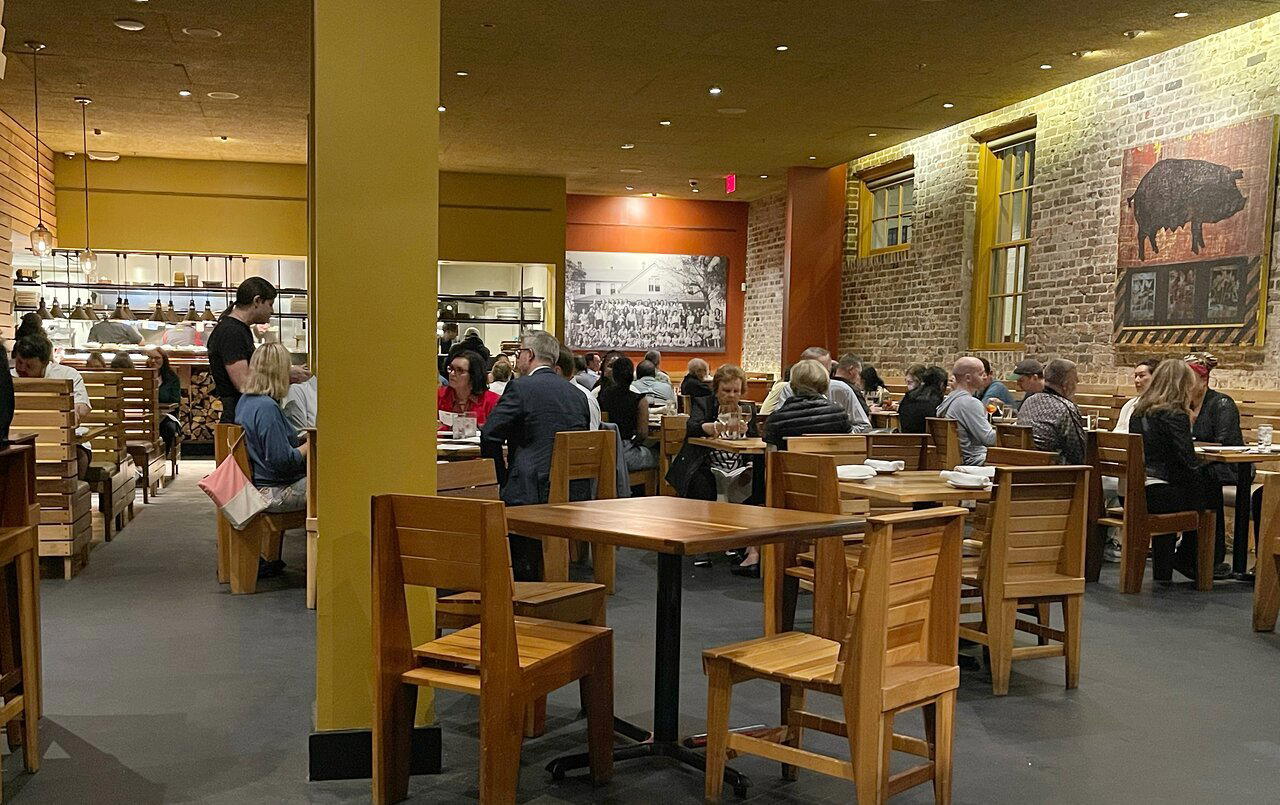
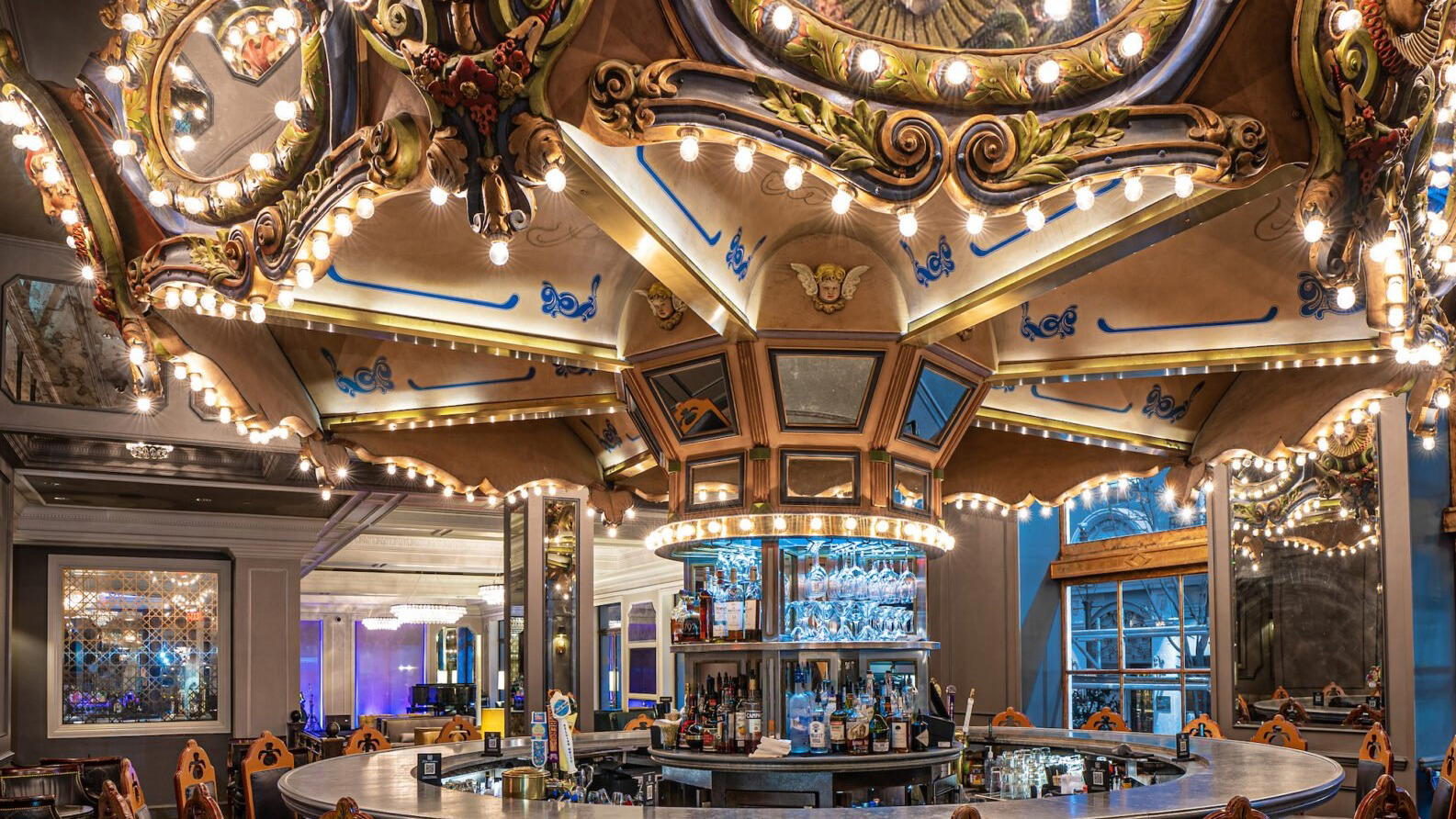
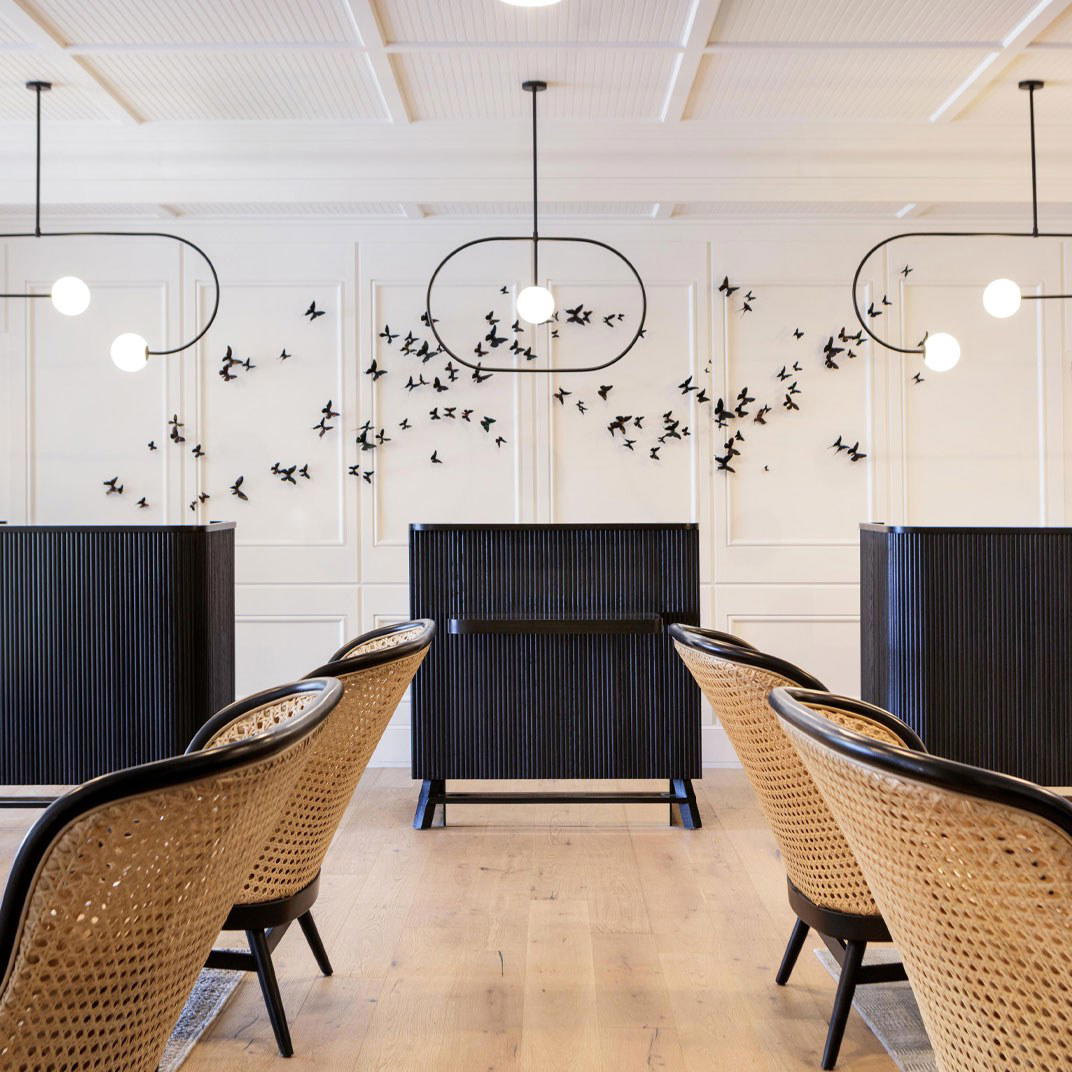
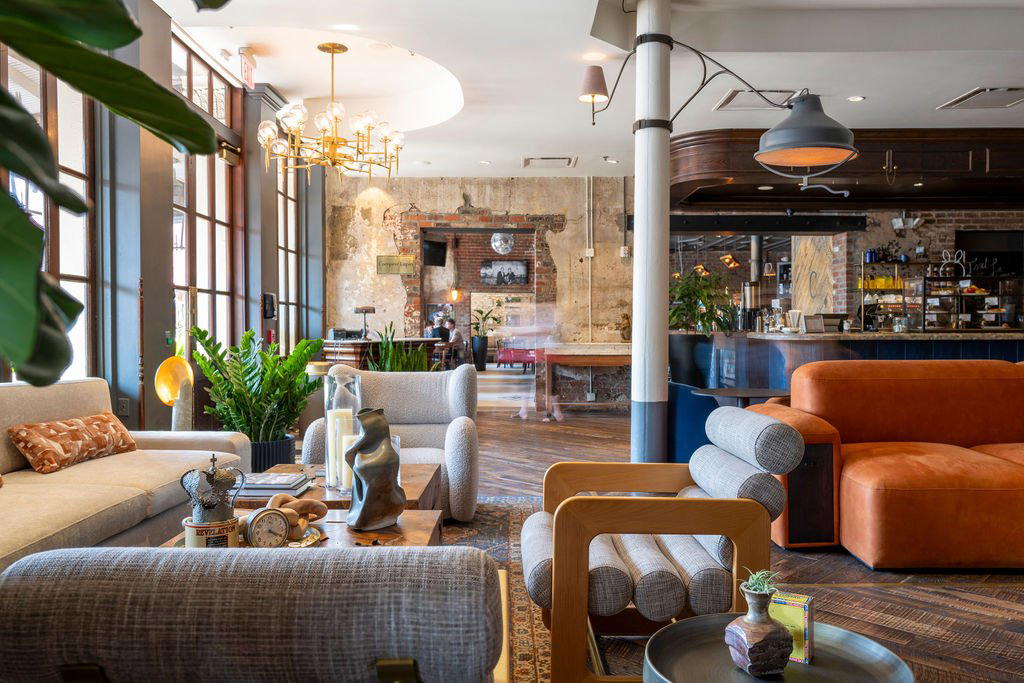
Lively and lively atmosphere with vintage-modern decor, well-suited for social gatherings and entertainment.