M bistro
Our verdict
M bistro occupies a Canal Street address that places it at the gateway between the Central Business District and the French Quarter, one of New Orleans' most trafficked corridors. The kitchen draws on Louisiana's deep pantry of Gulf seafood, Creole staples, and seasonal produce, positioning it within the city's mid-to-upper dining tier where ingredient provenance and regional identity carry real weight.

Pearl is the En Primeur Club membership app, where members save venues, book tables and use the concierge.

Canal Street as a Dining Address
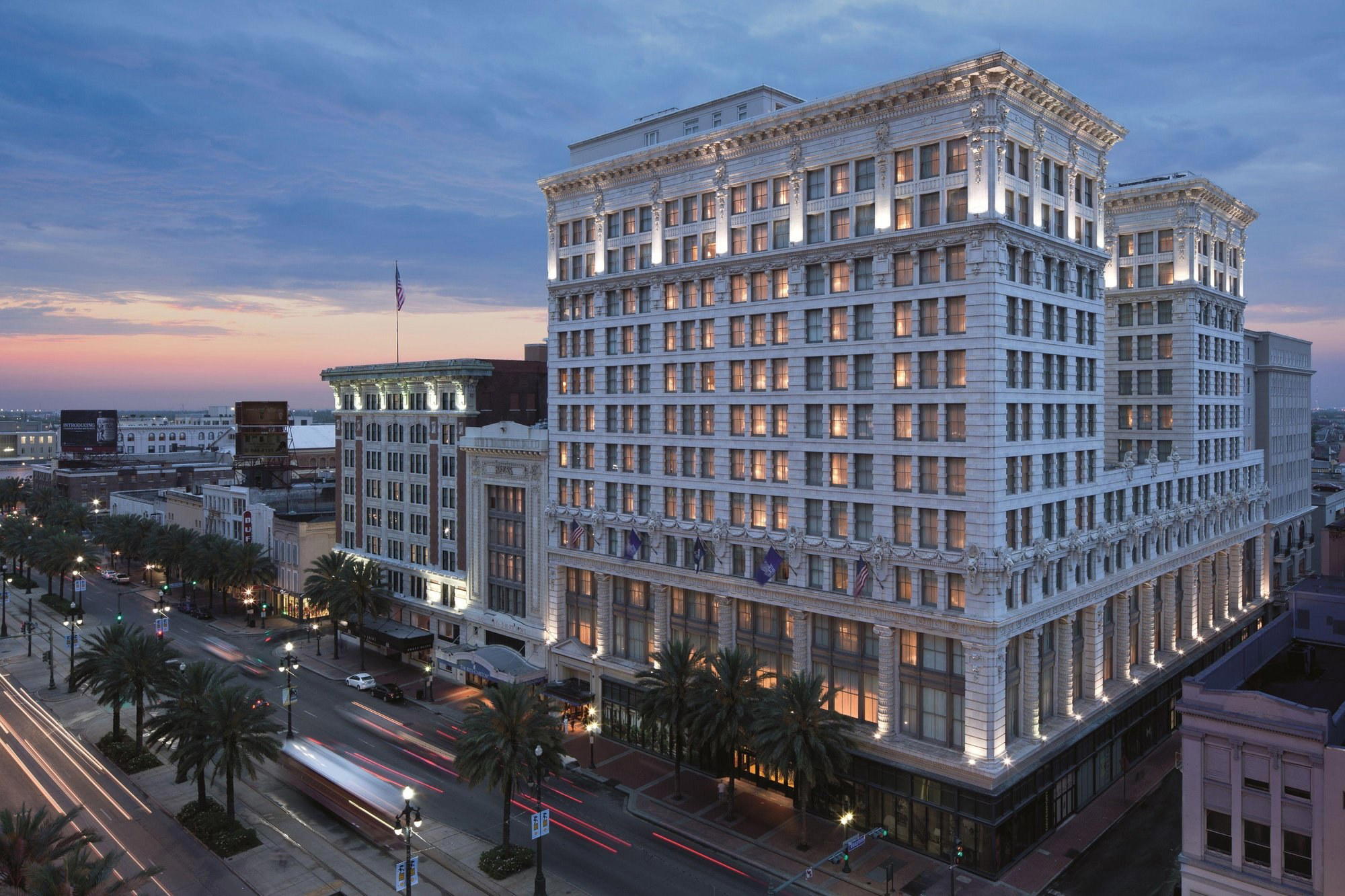
Canal Street has historically been a transit corridor rather than a dining destination. The wide boulevard that once served as the boundary between the Creole French Quarter and the American sector is better known for its streetcar line and hotel lobbies than for its restaurant culture. That context matters: a kitchen at 921 Canal St is drawing from foot traffic shaped by convention visitors, hotel guests, and locals cutting between neighborhoods rather than diners who have made a specific pilgrimage. The restaurants that succeed here tend to offer something worth arriving for, not just something convenient to stumble upon.
M bistro sits inside that urban reality. Its Canal Street position places it within walking distance of the French Quarter's dense concentration of Creole institutions, and within the same orbit as the CBD's growing roster of serious restaurants. For context on the wider scene, the full New Orleans restaurants guide maps how dining neighborhoods in the city have shifted over the past decade, with the CBD and Warehouse District absorbing much of the energy that once concentrated exclusively in the Quarter.
The Louisiana Pantry and Why It Sets a High Bar
New Orleans kitchens operate with an ingredient advantage that is difficult to replicate elsewhere in the United States. The Gulf of Mexico supplies shrimp, blue crab, oysters, and redfish within a supply chain short enough that seafood can move from boat to kitchen inside 24 hours in peak season. The surrounding delta region contributes andouille, tasso, and a heritage of smoked and cured pork that has no close analogue in other American regional cuisines. Crawfish arrives in volume from the Atchafalaya Basin from roughly February through June. Mirlitons, Creole tomatoes, and Tabasco-country peppers round out a pantry with genuine seasonality baked into its rhythms.
This is the same raw material that defines the city's Creole canon, from the gumbo traditions carried at Commander's Palace to the Gulf-focused cooking at Emeril's, which built its reputation on amplifying Louisiana's larder rather than importing European substitutes. At Pêche Seafood Grill, the whole-fish and wood-fire approach has made a persuasive case that the Gulf's catch is compelling without elaborate intervention. What connects these kitchens is an orientation toward local sourcing not as a marketing stance but as a practical response to what the region actually produces well.
Where a kitchen chooses to source within that system, whether it prioritizes named farms, specific fishing vessels, or particular bayou suppliers, says a great deal about its culinary positioning. Restaurants operating at the mid-to-upper tier in New Orleans have increasingly moved toward named-source procurement as a way of differentiating themselves from the city's many tourist-facing establishments where the ingredient story is thin. Bayona in the Quarter has long signaled its sourcing commitments through a menu that shifts with what's available regionally. Saint-Germain, at the upper end of the contemporary tier, uses a tasting format specifically designed to showcase seasonal and hyper-local produce.
Where M bistro Sits in the Competitive Set
The Canal Street address positions M bistro in a practical peer group that includes hotel-anchored dining rooms and accessible all-day formats rather than the reservation-driven destination restaurants of the Warehouse District or the historic Creole houses of the Quarter. This is neither a criticism nor an endorsement, it is a structural fact about the address and what it attracts.
New Orleans' dining tier below the destination-restaurant level is more competitive than visitors often expect. The city's tourism volume creates demand that supports a wide range of kitchens, but it also means that undifferentiated mid-tier restaurants face pressure from above and below. At the upper end, places like Re Santi e Leoni and Zasu have established credible contemporary identities that pull discerning diners away from the convention-hotel circuit. At the accessible end, the city's po-boy shops, neighborhood Creole spots, and Vietnamese restaurants along the West Bank offer formidable value that is hard to displace.
The restaurants that hold their ground in the middle tier typically do so through a clear sourcing story, a format that suits the address, or a price-to-quality ratio that makes the decision obvious. The same dynamic plays out in comparable American dining cities: at Bacchanalia in Atlanta, a sustained commitment to farm-sourced ingredients has preserved relevance across decades. At Blue Hill at Stone Barns in Tarrytown, the sourcing premise is so embedded in the format that the restaurant and its farm are effectively inseparable.
Planning Your Visit
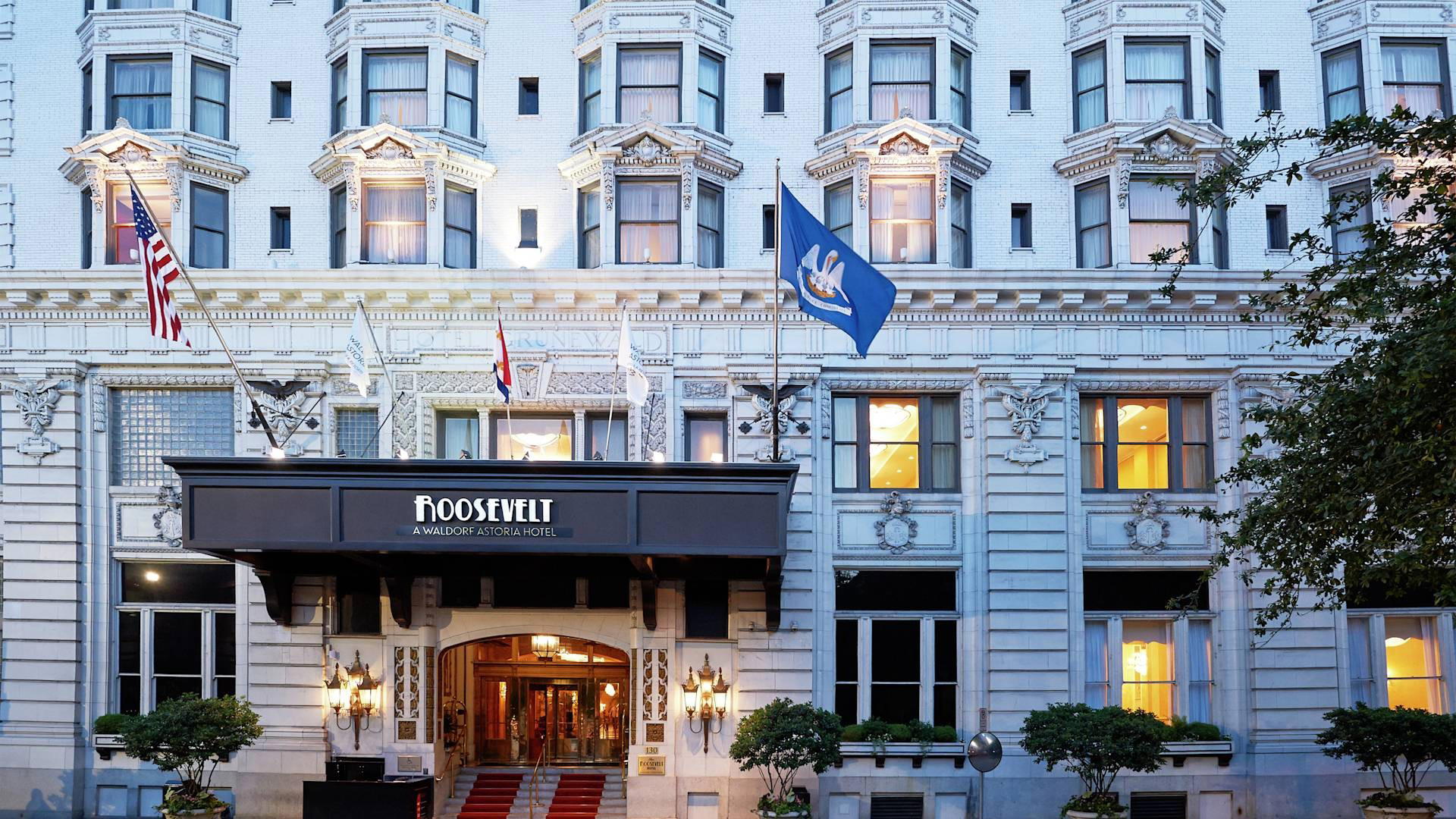
921 Canal Street is accessible by the Canal Street streetcar, which connects directly to the French Quarter, the CBD, and City Park depending on the branch. The location places it within a short walk of several major downtown hotels, making it a practical option for visitors based in that corridor. As with most New Orleans restaurants in the mid-tier, the question of walk-in availability versus advance reservations will depend on day of week and time of evening, weekend evenings at popular Canal Street addresses tend to fill earlier than the surrounding CBD dining rooms, which draw a more local, weekday-weighted crowd.
New Orleans dining tends to run later than in comparable American cities; kitchens that open for dinner at 5:30 or 6:00 p.m. often see their main service surge between 7:30 and 9:30 p.m. Arriving at or near opening is consistently the most reliable strategy for walk-in diners at any address on the city's busier corridors. For comparison across the wider American fine and near-fine dining tier, see EP Club's coverage of Le Bernardin in New York City, Lazy Bear in San Francisco, Alinea in Chicago, The French Laundry in Napa, Providence in Los Angeles, Addison in San Diego, The Inn at Little Washington, Atomix in New York City, 8 1/2 Otto e Mezzo Bombana in Hong Kong, and Single Thread Farm in Healdsburg.
Frequently asked questions
Where exactly is M bistro?
M bistro is located at 921 Canal St, New Orleans, LA 70112, New Orleans.
Is M bistro a good option for dining near the French Quarter in New Orleans?
At 921 Canal Street, M bistro sits at one of New Orleans' most accessible transit points: the Canal Street streetcar connects directly to the French Quarter, the CBD, and beyond. That address places it within the practical peer group of all-day and hotel-adjacent dining rooms rather than destination tasting-menu venues, which suits visitors looking for a convenient, centrally located meal in the city.
What dish is M bistro famous for?
Given its Canal Street address in New Orleans, the kitchen operates within a city where Gulf seafood, Creole seasoning traditions, and local produce set a high baseline across most dining rooms. Checking directly with the restaurant for current menu focus is the most reliable approach.
Do they take walk-ins at M bistro?
Canal Street's hotel-anchored dining formats in this corridor tend to accommodate walk-in traffic more readily than reservation-only counter restaurants, but contacting the venue directly before visiting is advisable.
At-a-Glance Comparison
Comparable venues nearby, for context on price, style, and recognition.
| Venue | Cuisine | Price | Awards | Notes |
|---|---|---|---|---|
| M bistroThis venue (the venue you are viewing) | Farm-to-Table American Cajun & Creole Bistro | Not listed | Not listed | Not listed |
| Easy Virtue | Modern American Brunch & Tapas | $30–50 | Not listed | Arts District |
| Annunciation | Modern Creole & Southern | $50–100 | Not listed | Arts District |
| Vessel NOLA | New American Seafood Bistro | $30–50 | Not listed | Mid-City |
| Ralph's on the Park | Modern Louisiana | $50–100 | Wine Spectator Award of Excellence | City Park |
| Killer Poboys at Erin Rose | Internationally Inspired New Orleans Po'boys | $10–20 | Not listed | French Quarter |
Continue exploring
More in New Orleans
Restaurants in New Orleans
All restaurants in New Orleans →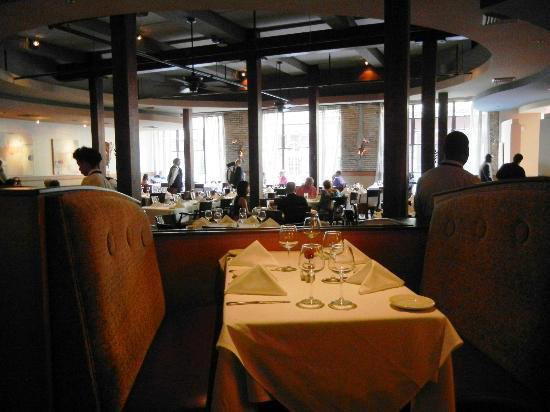
Bars in New Orleans
All bars in New Orleans →
Details
- Elegant
- Intimate
- Sophisticated
- Date Night
- Business Dinner
- Special Occasion
- Hotel Restaurant
- Private Dining
- Farm To Table
- Local Sourcing
- Organic
- A La Carte
- Vegetarian Friendly
- Gluten Free Options
Current opening hours
- Monday
- 7 AM–2 PM, 5:30–10 PM
- Tuesday
- 7 AM–2 PM, 5:30–10 PM
- Wednesday
- 7 AM–2 PM, 5:30–10 PM
- Thursday
- 7 AM–2 PM, 5:30–10 PM
- Friday
- 7 AM–2 PM, 5:30–10 PM
- Saturday
- 7 AM–2 PM, 5:30–10 PM
- Sunday
- 7 AM–2 PM, 5:30–10 PM
Hours can change for holidays and private events. Hours as of .
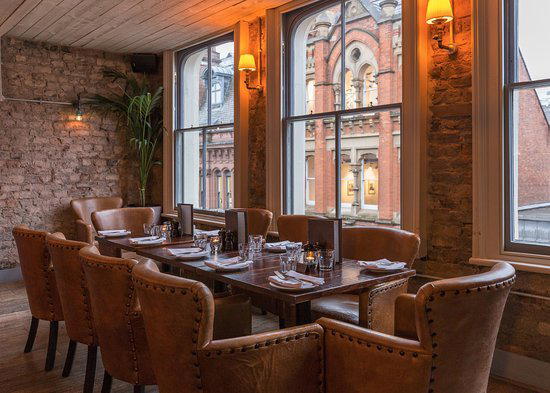
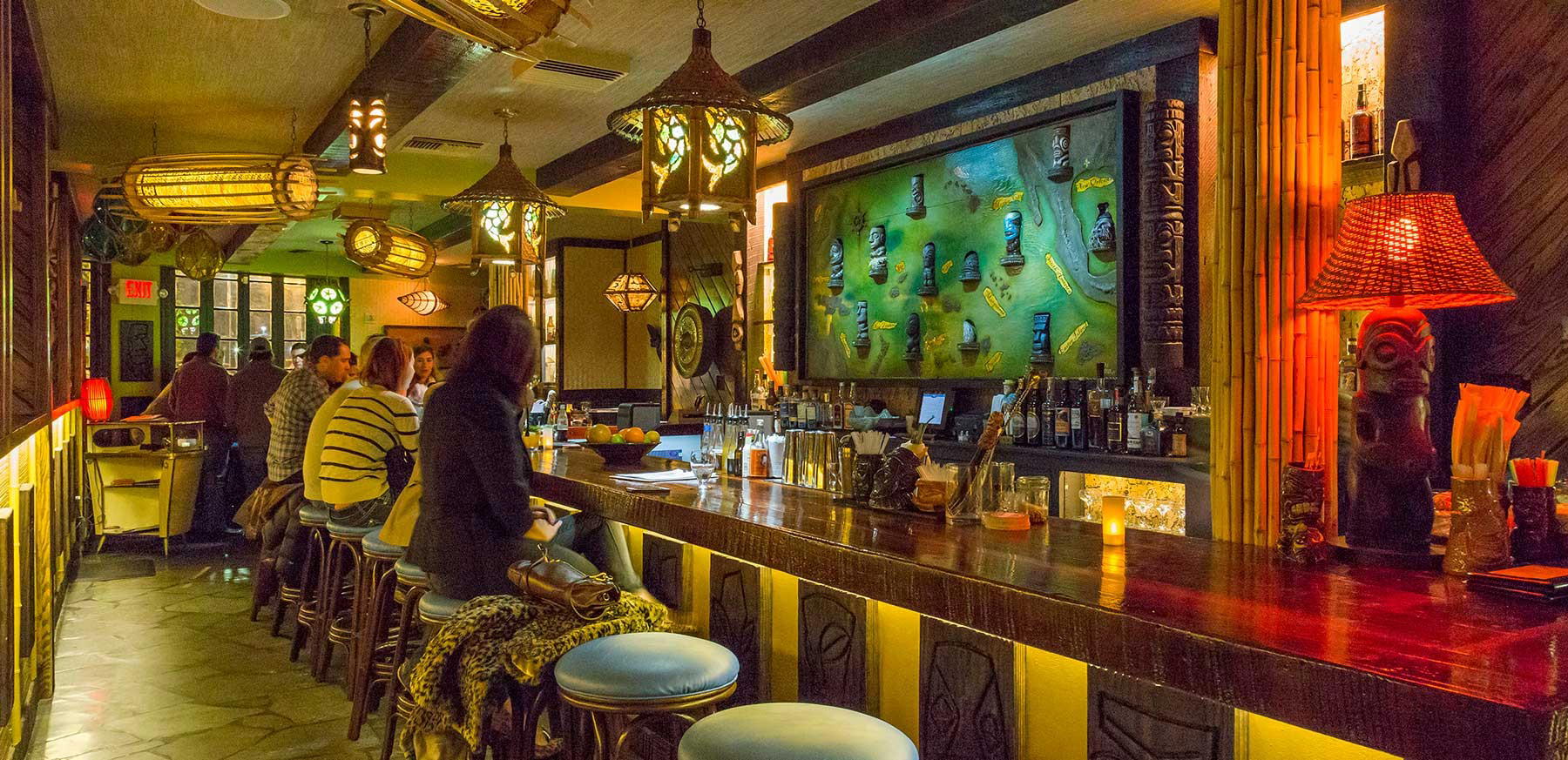
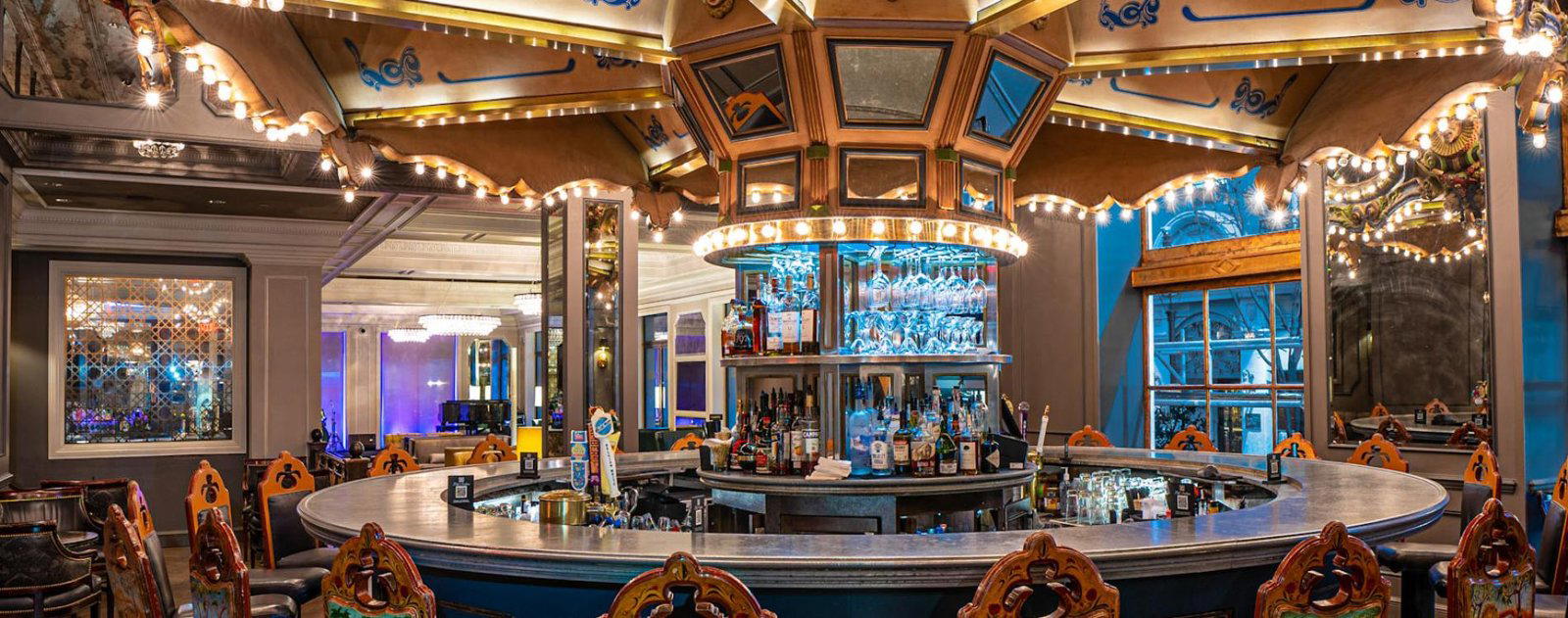
Elegant with soft lighting, intimate atmosphere, and live jazz music creating a refined and memorable dining experience.