Table 13
Table 13 occupies a Belt Line Road address in Dallas's northern suburbs, positioning itself within a corridor where American dining formats have shifted considerably over the past decade.
Pearl is the En Primeur Club membership app — saves, bookings, and concierge access live there. Same editors, same standards.
- Address
- 4812 Belt Line Rd, Dallas, TX 75254
- Phone
- +19727899558
- Website
- table13addison.com
- Directions
- Get directions
 Saves & bookings on Pearl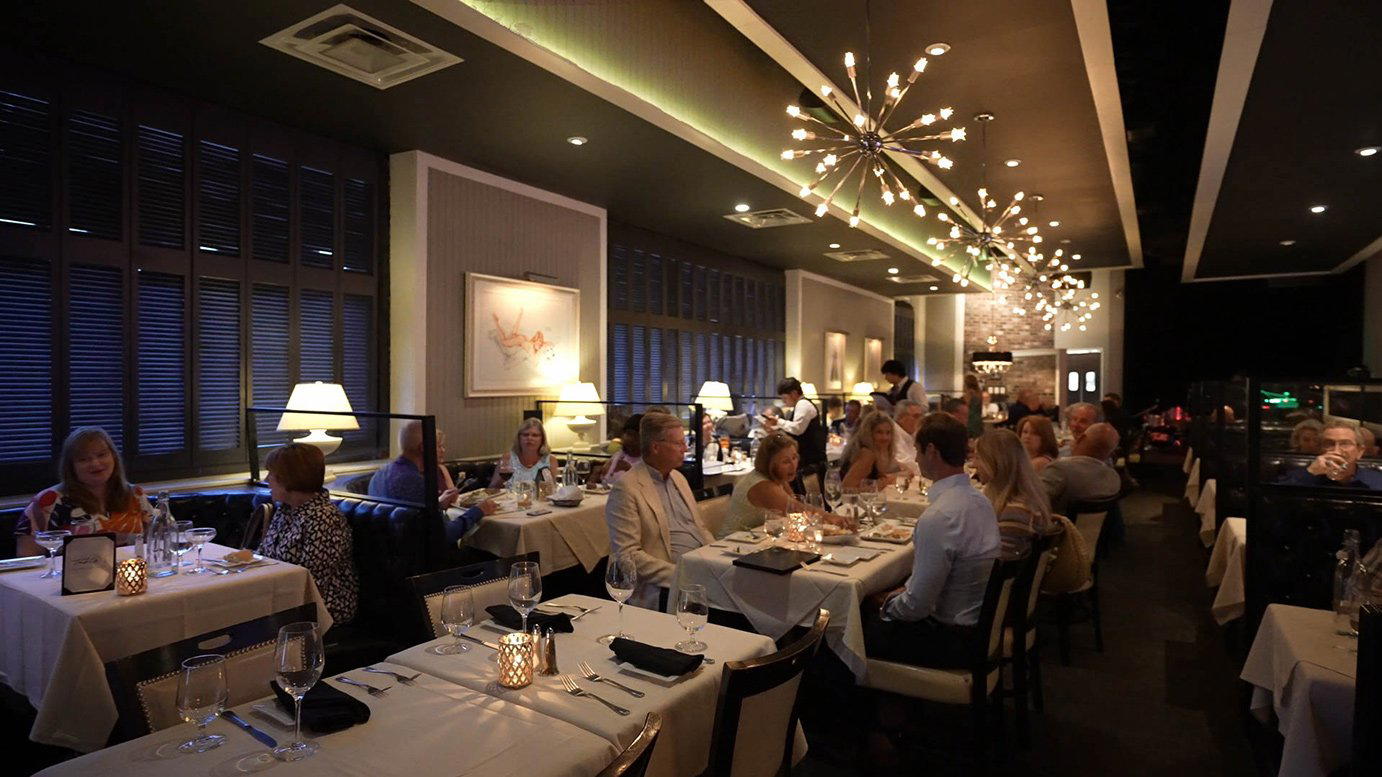
Belt Line Road and the Suburban Dining Shift
The stretch of Belt Line Road running through Dallas's northern suburbs has undergone a quiet but measurable transformation. A decade ago, this corridor was dominated by chain formats and casual concepts serving commuter traffic. Today, independent restaurants occupy storefronts that once hosted predictable national brands, and the competitive set along this road now includes venues that draw diners deliberately rather than incidentally. Table 13, at 4812 Belt Line Road, sits inside that broader pattern: a named, addressed venue in a zone where the dining conversation has grown more serious.
That geographic context matters more than it might appear. Dallas dining tends to concentrate its critical attention on Uptown, Deep Ellum, and the Design District, leaving suburban corridors underexamined by the publications that shape reservation behavior. Venues that establish themselves outside those central zones operate with a different set of pressures: they cannot rely on foot traffic or proximity to hotel guests, so repeat business and word-of-mouth carry more weight. The address on Belt Line Road implies a business model built around the surrounding residential community rather than the downtown dining circuit.
The Evolution of the Neighborhood Restaurant Format in Dallas
The category that Table 13 occupies, the neighborhood anchor that aspires beyond its postcode, has changed in Dallas as it has in most major American cities. Through the 2010s, the format was defined largely by accessible price points and familiar menus: steakhouse cuts, Tex-Mex inflections, and Southwestern signatures. That template produced durable venues, including Mamani and the long-running 3Eleven Kitchen and Cocktails, both of which have navigated similar positioning questions about how much culinary ambition a non-central Dallas address can sustain.
The shift since then has been toward more defined identities. Japanese formats, in particular, have carved out serious territory in Dallas: Tatsu Dallas operates at the $$$$ tier, while Tei-An has maintained an izakaya-and-soba focus with comparable pricing. That these formats have found sustained audiences at premium price points outside the central core suggests the city's dining public has broadened its willingness to seek out specificity. The question for any venue in a suburban corridor is whether it has built the kind of identity that drives that seeking behavior.
Where Table 13 Sits in the Dallas Competitive Set
Dallas restaurants with serious ambitions now operate across a spread of price tiers and cuisine types. At the upper end, Fearing's at the Ritz-Carlton holds a Southwestern American position at the $$$$ level, with the kind of hotel-backed infrastructure that allows for sustained investment. Lucia, the Italian-focused option from David Uygur, operates at $$$ and has maintained critical standing through consistency and a defined sourcing philosophy. These venues represent different models for how a Dallas restaurant builds legitimacy over time.
Table 13's current record does not carry the award citations, cuisine classification, or price tier that would allow precise placement within that competitive set. What the Belt Line Road address does indicate is a venue operating in a district where 12 Cuts Brazilian Steakhouse and 360 Brunch House have each found distinct audiences by committing to format specificity. The pattern across that corridor suggests that vague positioning tends not to survive; the venues that last do so by being clearly something to a specific diner.
For broader context on how Dallas's dining scene distributes across neighborhoods and tiers, our full Dallas restaurants guide maps the current field in more detail.
American Fine Dining's Ongoing Reinvention
The evolution question that surrounds Table 13 is not unique to Dallas. Across the United States, restaurants at the serious end of the independent spectrum have spent the past several years renegotiating what a full-service dinner is supposed to deliver. The tasting menu model that defined ambition through much of the 2000s and 2010s, practiced at places like Alinea in Chicago and The French Laundry in Napa, has not disappeared, but it has faced sustained pressure from formats that offer more flexibility and lower commitment thresholds.
The response from venues across different markets has varied. Lazy Bear in San Francisco has maintained a communal prix-fixe model that leans into occasion dining. Blue Hill at Stone Barns in Tarrytown has anchored its identity around farm-sourcing specificity. Atomix in New York City has built around Korean fine dining's particular capacity for ceremony and precision. Single Thread Farm in Healdsburg and Addison in San Diego have each staked positions at the top of their respective regional hierarchies through consistent investment in experience design. What these venues share is a clear answer to the question of what they are, even as the surrounding category has shifted beneath them.
Venues at the destination end of the American spectrum, including Le Bernardin in New York City, Providence in Los Angeles, Emeril's in New Orleans, and The Inn at Little Washington, have navigated reinvention at greater scale and with longer institutional histories. The lesson from those cases is that longevity in American dining tends to require periodic recalibration: not wholesale reinvention, but enough visible evolution that a returning guest can see that the kitchen has not stood still. How that principle applies to a Belt Line Road venue depends on what the venue's original identity was and how explicitly it has been maintained or shifted.
Planning a Visit
The table below positions Table 13 against nearby reference points for practical planning purposes. Where Table 13's own data is unavailable, the row reflects that directly rather than estimating.
| Venue | Cuisine | Price Tier | Booking |
|---|---|---|---|
| Table 13 | Not confirmed | Not confirmed | |
| Fearing's | Southwestern, American | $$$$ | Reservations recommended |
| Lucia | Italian | $$$ | Books ahead |
| Tatsu Dallas | Japanese | $$$$ | Advance booking advised |
| Cattleack Barbeque | Barbecue | $$ | Walk-in, limited hours |
For international reference, 8 1/2 Otto e Mezzo Bombana in Hong Kong illustrates how a fine dining venue sustains identity through deliberate reinvention across years of operation, a model worth considering when assessing how any serious independent restaurant positions itself over time.
At a Glance
- Elegant
- Sophisticated
- Classic
- Lively
- Date Night
- Special Occasion
- Business Dinner
- Live Music
- Private Dining
- Craft Cocktails
Current opening hours
- Monday
- 11 AM–10 PM
- Tuesday
- 11 AM–10 PM
- Wednesday
- 11 AM–10 PM
- Thursday
- 11 AM–10 PM
- Friday
- 11 AM–11 PM
- Saturday
- 5–11 PM
- Sunday
- Closed
Hours can change for holidays and private events. Last verified .
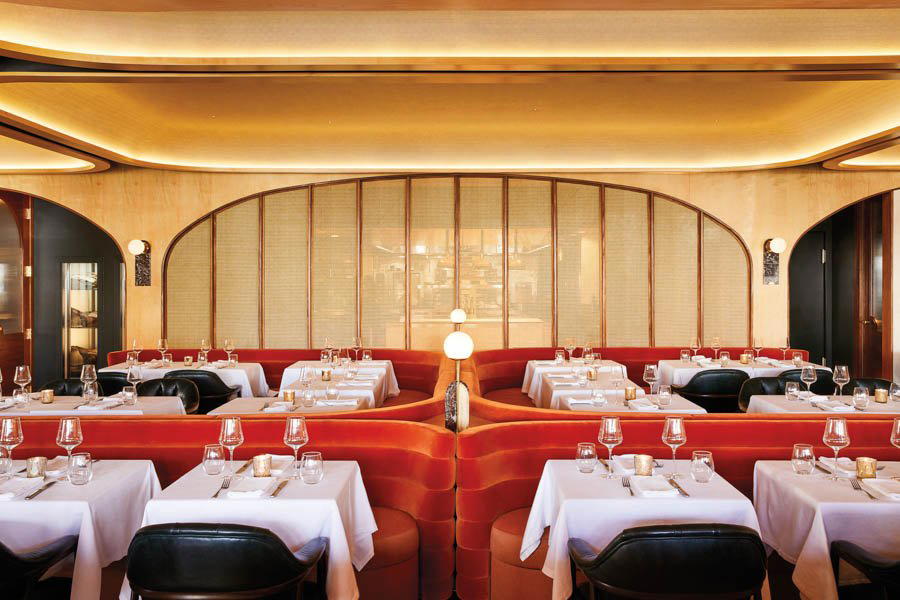
Sophisticated upscale atmosphere with glitzy black and white decor, starburst lighting, pin-up art, and Rat Pack vibe.
Know Before You Go
- Getting there
- 4812 Belt Line Rd, Dallas, TX 75254