Al Biernat's


Since 1998, Al Biernat's has anchored Oak Lawn's power-dining circuit, drawing Dallas deal-makers and regulars with prime-aged steaks, fresh seafood, and a wine list built for serious tables. The room operates as a social institution as much as a restaurant, where the crowd is part of the experience and a reservation at the right hour signals you know how this city works.
Pearl is the En Primeur Club membership app — saves, bookings, and concierge access live there. Same editors, same standards.
- Address
- 4217 Oak Lawn Ave, Dallas, TX 75219
- Phone
- (214) 219-2201
- Website
- albiernats.com
- Directions
- Get directions
 Saves & bookings on Pearl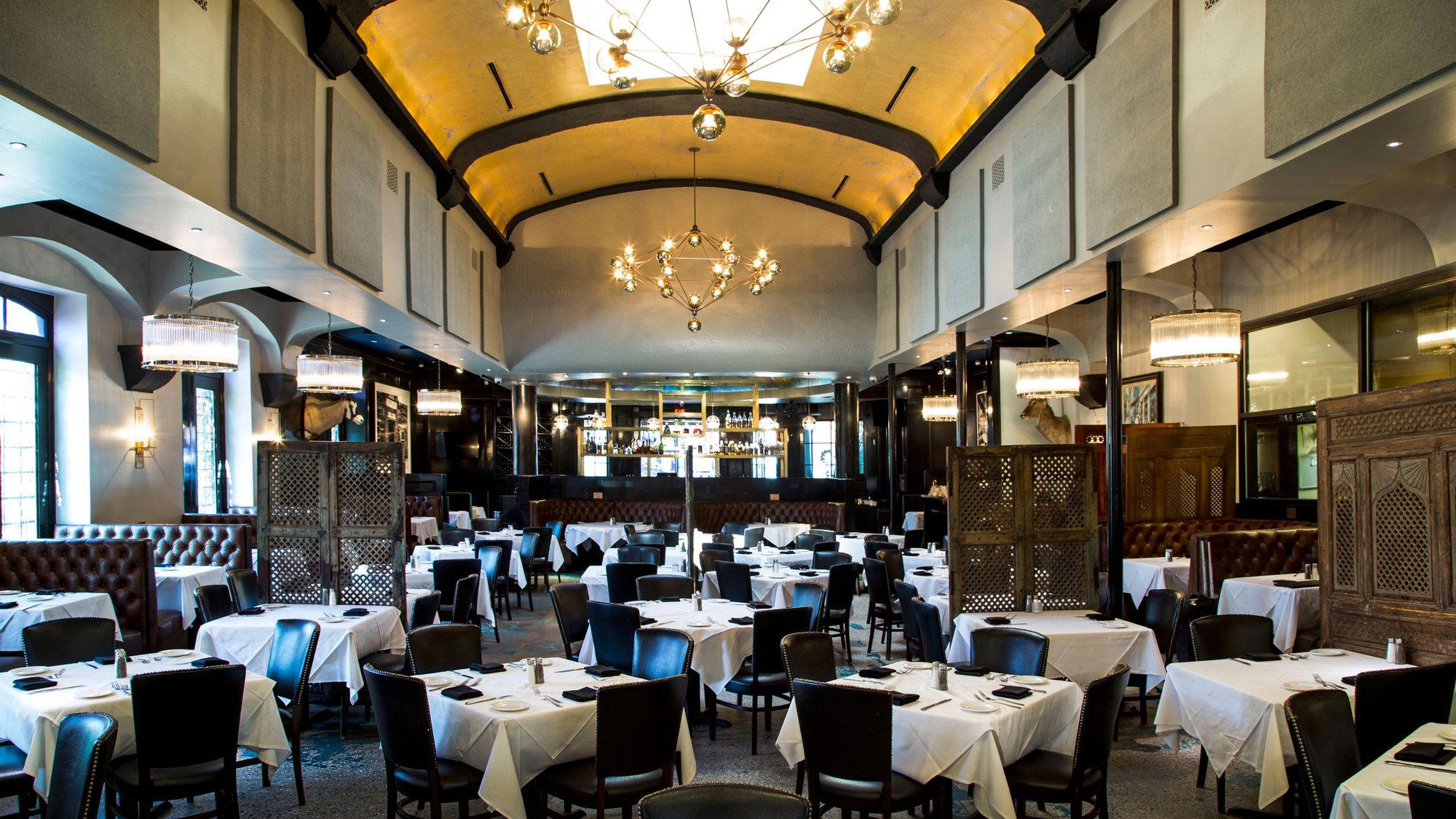
The Room Before the Menu
Oak Lawn has long been one of Dallas's most socially charged dining corridors, and 4217 Oak Lawn Ave operates at its centre of gravity. Walking into Al Biernat's during the dinner rush, the first thing you register is not the food but the room: a dense, warm press of faces that reads like a cross-section of Dallas's business, political, and social elite. This is a steakhouse that functions, in the way that a handful of American restaurants do, as a proxy for civic life. The table you get and the hour you arrive communicate something before a word is spoken.
That social architecture has been in place since 1998, which puts Al Biernat's in a category of its own within the Dallas dining scene. Most restaurants at this price tier in major American cities either reinvent themselves every few years or quietly fade. A steakhouse that maintains genuine cachet across more than two decades does so not through trendiness but through consistency of sourcing, service rhythm, and the reliable presence of the people its regulars want to be around.
Prime Beef and the Question of Where It Comes From
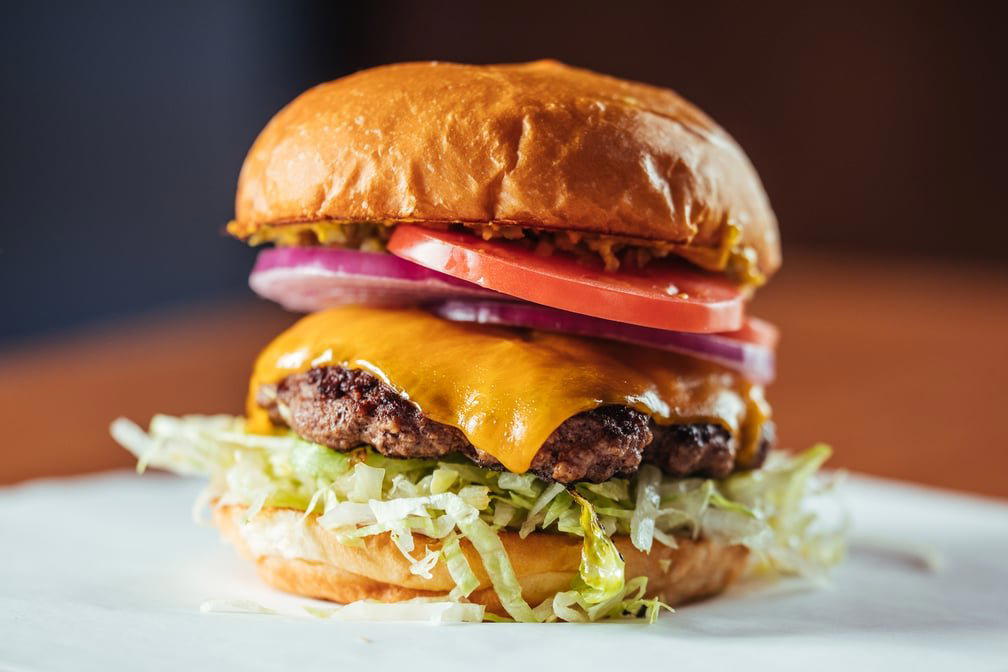
The American steakhouse tradition rests on a supply chain that most menus obscure. The difference between a steak that tastes like something and one that merely tastes expensive comes down to the grade, the breed, the aging process, and the handling between slaughterhouse and broiler. Al Biernat's built its reputation on prime-aged beef, positioning it within a tier of Dallas steakhouses that treat sourcing as the primary editorial statement on the plate.
Prime grade represents roughly eight percent of all beef graded by the USDA, and within that, the aging process further differentiates what reaches the table. Dry-aged beef loses moisture and concentrates flavour over weeks in controlled conditions; wet-aged beef, more common in high-volume operations, achieves tenderness more quickly but with a different flavour profile. A restaurant that has held a consistent sourcing commitment since the late 1990s is implicitly making a claim about its relationships with suppliers, not just its menu language. That kind of continuity is harder to fake than a press release.
The seafood side of the menu extends the sourcing argument in a different direction. Fresh fish programs in landlocked cities like Dallas depend entirely on logistics and relationships with coastal suppliers. The presence of a serious seafood offering alongside prime beef is less common than it appears, and where it does work, it typically reflects a kitchen with genuine sourcing discipline rather than a kitchen hedging on optionality. Al Biernat's extensive menu in this regard places it closer to a coastal American chophouse model than a purely Texas beef operation.
The Wine List as Infrastructure
An impressive wine list in a Dallas steakhouse context means something specific. It does not mean long; it means structured and sourced to match the food. Steakhouses that take wine seriously tend to hold significant inventory in Cabernet Sauvignon and Bordeaux-adjacent varietals, because that is what the food asks for, but the lists that actually reward exploration are the ones that carry depth in Burgundy, Rhône, and secondary American appellations. A wine program built to support prime beef at this price tier requires capital tied up in bottle inventory for years, which is itself a signal about the operation's financial health and long-term thinking.
The Al Biernat's wine program is designed for a table that wants to linger over a second bottle with a deal or a celebration, not to support a single-pour pairing sequence.
Power Lunch and the Sociology of the Dallas Midday Table
The power lunch is not a universal institution. It requires a city with enough concentrated business activity, enough deal culture, and enough restaurants willing to maintain the operational discipline to run both lunch and dinner service at high volume. Dallas has that infrastructure, and Al Biernat's has been one of its primary venues for more than twenty years.
The midday crowd at Oak Lawn Ave skews differently from the dinner crowd. Lunch tables here tend toward two- and three-tops with legal pads or open laptops just off the edge of the tablecloth, conversations that move fast and end with a handshake. The dinner service, by contrast, operates on a see-and-be-seen logic where lingering is the point. Both services have distinct social functions, and a restaurant that serves both well is doing something operationally rare.
For comparison within the Dallas scene, Barsotti's and Casa Brasa occupy different positions in the city's mid-to-upper dining tier, and Cattleack Barbeque represents where Dallas's barbecue tradition reaches its own ceiling of quality. Al Biernat's is not competing with any of them. It is operating in a separate register, one that has more in common with the institution-as-dining-room model found at places like Emeril's in New Orleans than with technique-forward rooms like Alinea in Chicago or Le Bernardin in New York City.
Planning Your Visit
Al Biernat's sits at 4217 Oak Lawn Ave in Dallas's Oak Lawn district, accessible by car with valet typically available at a venue of this standing. Reservations are advisable for dinner, particularly midweek when the business crowd peaks; lunch may offer more flexibility on shorter notice, though the room fills quickly during the standard midday window. Dress registers toward business casual to smart at minimum, consistent with the clientele the room attracts. Those looking to round out a Dallas trip should also consult our full Dallas restaurants guide, our full Dallas hotels guide, our full Dallas bars guide, our full Dallas wineries guide, and our full Dallas experiences guide for broader context on the city.
In Context: Similar Options
| Venue | Cuisine | Price | Awards |
|---|---|---|---|
| Al Biernat'sThis venue — the venue you are viewing | Al Biernat's is a Dallas landmark in the buzzing Oak Lawn district, known for its power lunches, "see and be seen" dinner crowd, and extensive menu featuring prime-aged steaks, fresh seafood, and an impressive wine list. It has been a staple of the Dallas dining scene since 1998. | This venue | Not listed |
| Lucia | Italian | $$$ | Italian, $$$ |
| Tei-An | Izakaya, Japanese | $$$$ | Izakaya, Japanese, $$$$ |
| Fearing's | Southwestern, American | $$$$ | Southwestern, American, $$$$ |
| Tatsu Dallas | Japanese | $$$$ | Michelin 1 Star |
| Cattleack Barbeque | Barbecue | $$ | Barbecue, $$ |
Recognition history
Dated appearances from independent guides and award organizations, with the underlying list record or original source where available.
Wine Spectator Best of Award of Excellence
Wine Spectator
Wine Spectator Best of Award of Excellence
Wine Spectator
World's Best Steaks 50 Best Steakhouses in North America #43
World's Best Steaks


At a Glance
- Elegant
- Sophisticated
- Classic
- Date Night
- Business Dinner
- Celebration
- Special Occasion
- Private Dining
- Extensive Wine List
Current opening hours
- Monday
- 11 AM–10 PM
- Tuesday
- 11 AM–10 PM
- Wednesday
- 11 AM–10 PM
- Thursday
- 11 AM–10 PM
- Friday
- 11 AM–10 PM
- Saturday
- 11 AM–9 PM
- Sunday
- 11 AM–9 PM
Hours can change for holidays and private events. Last verified .
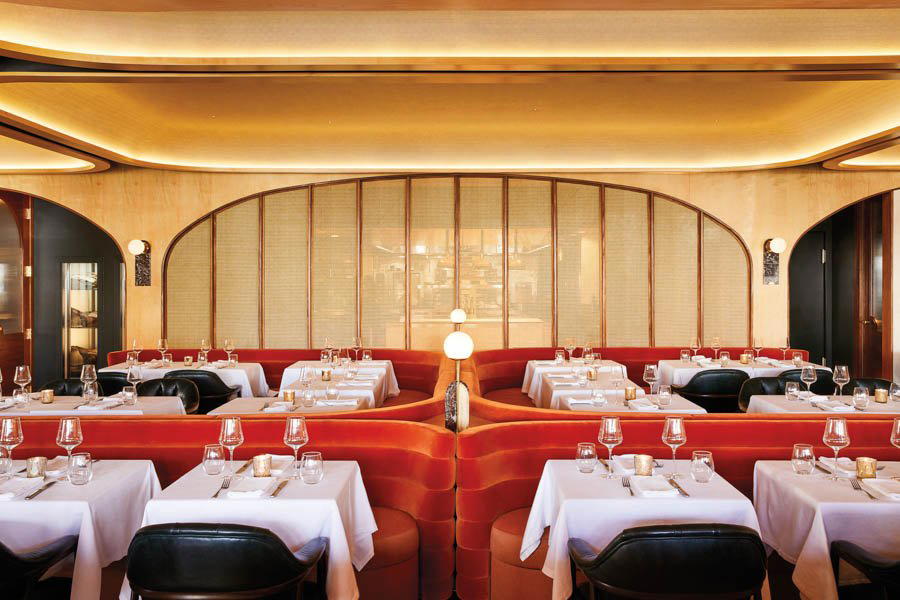
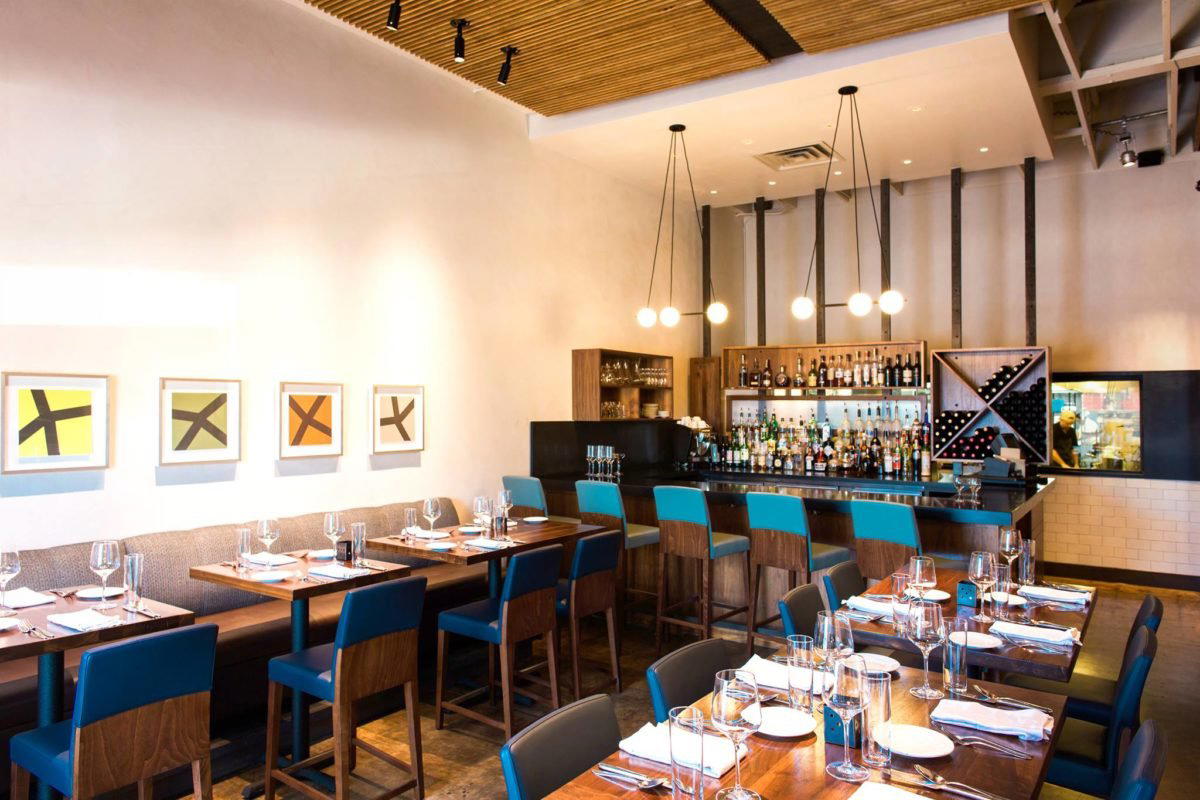
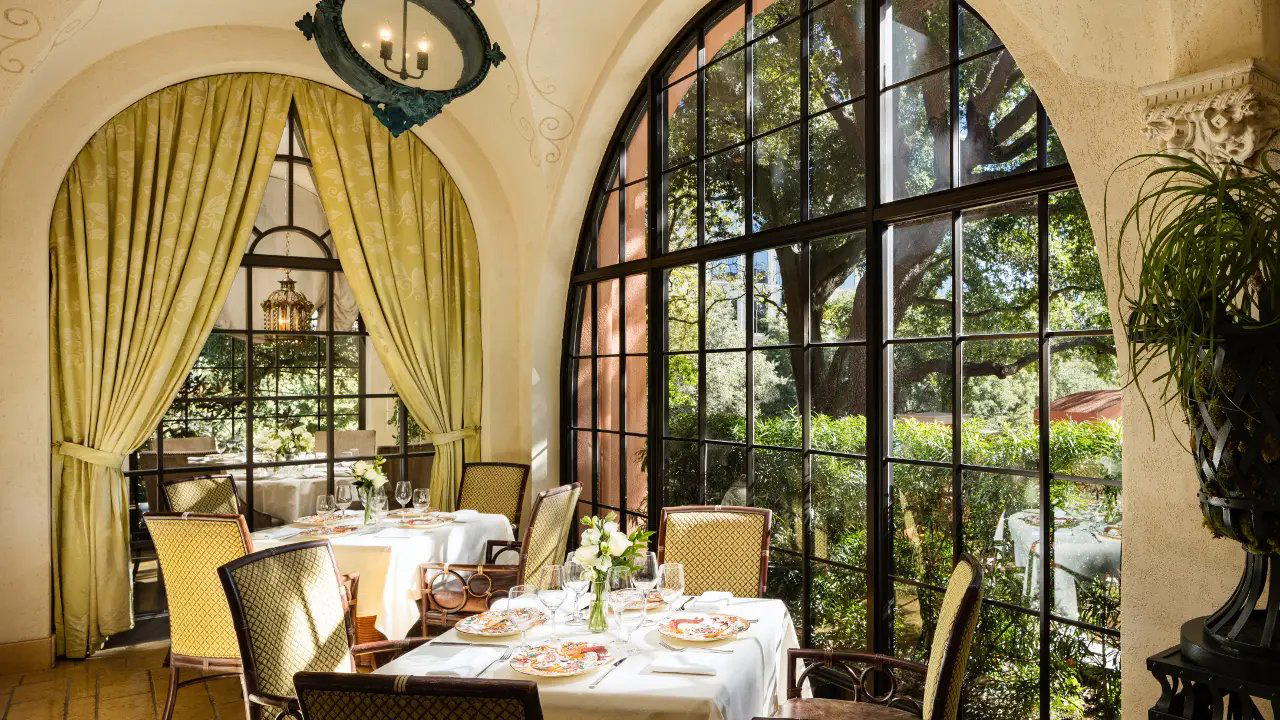
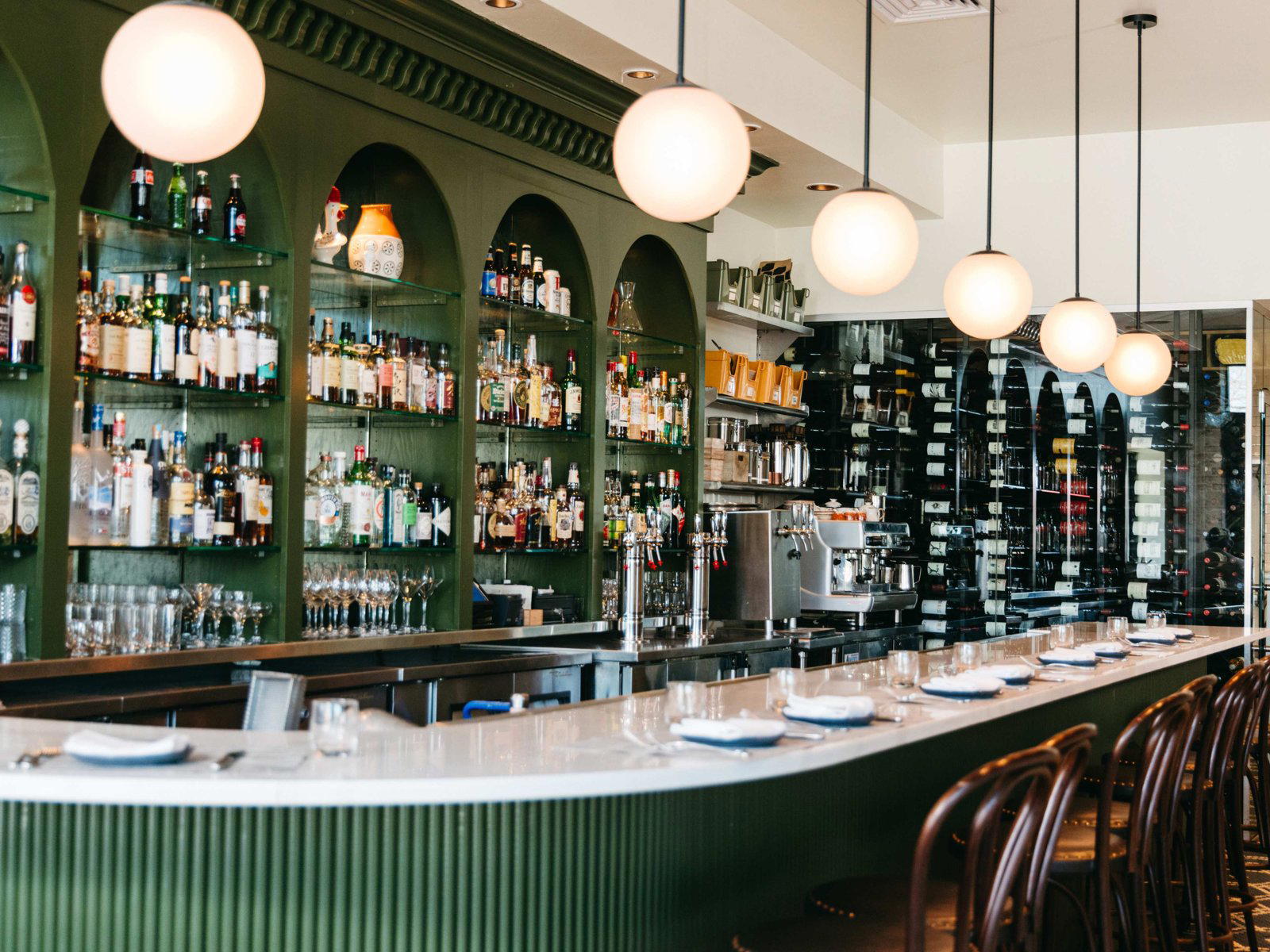
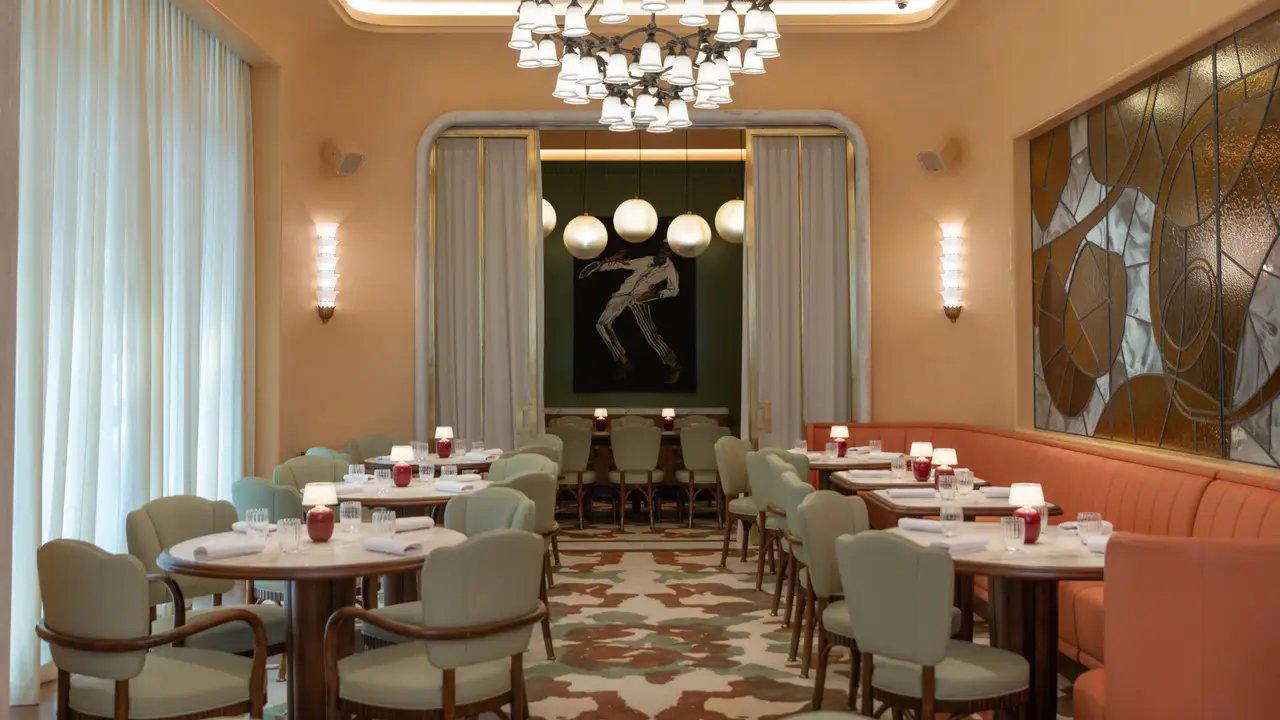
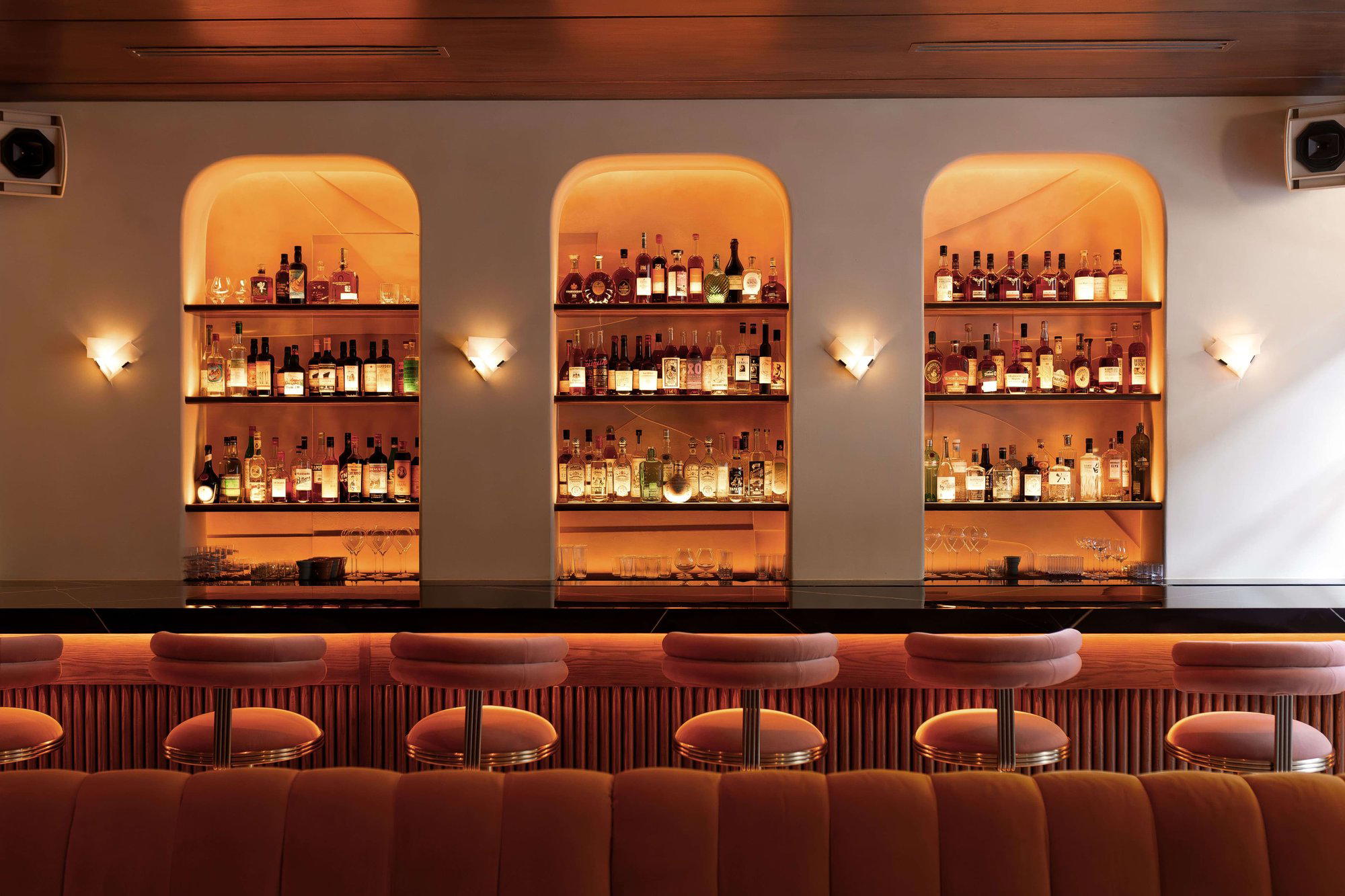
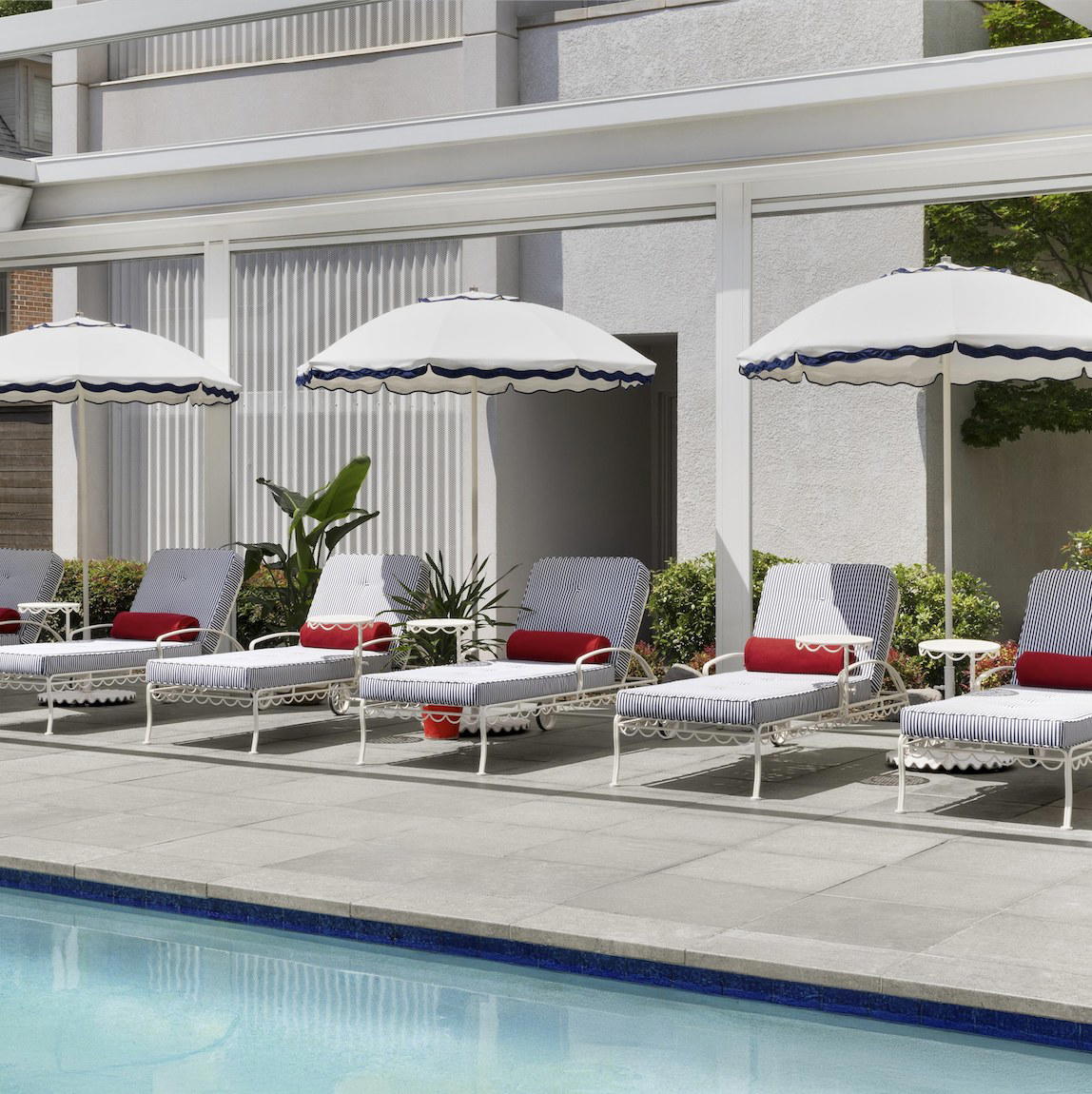
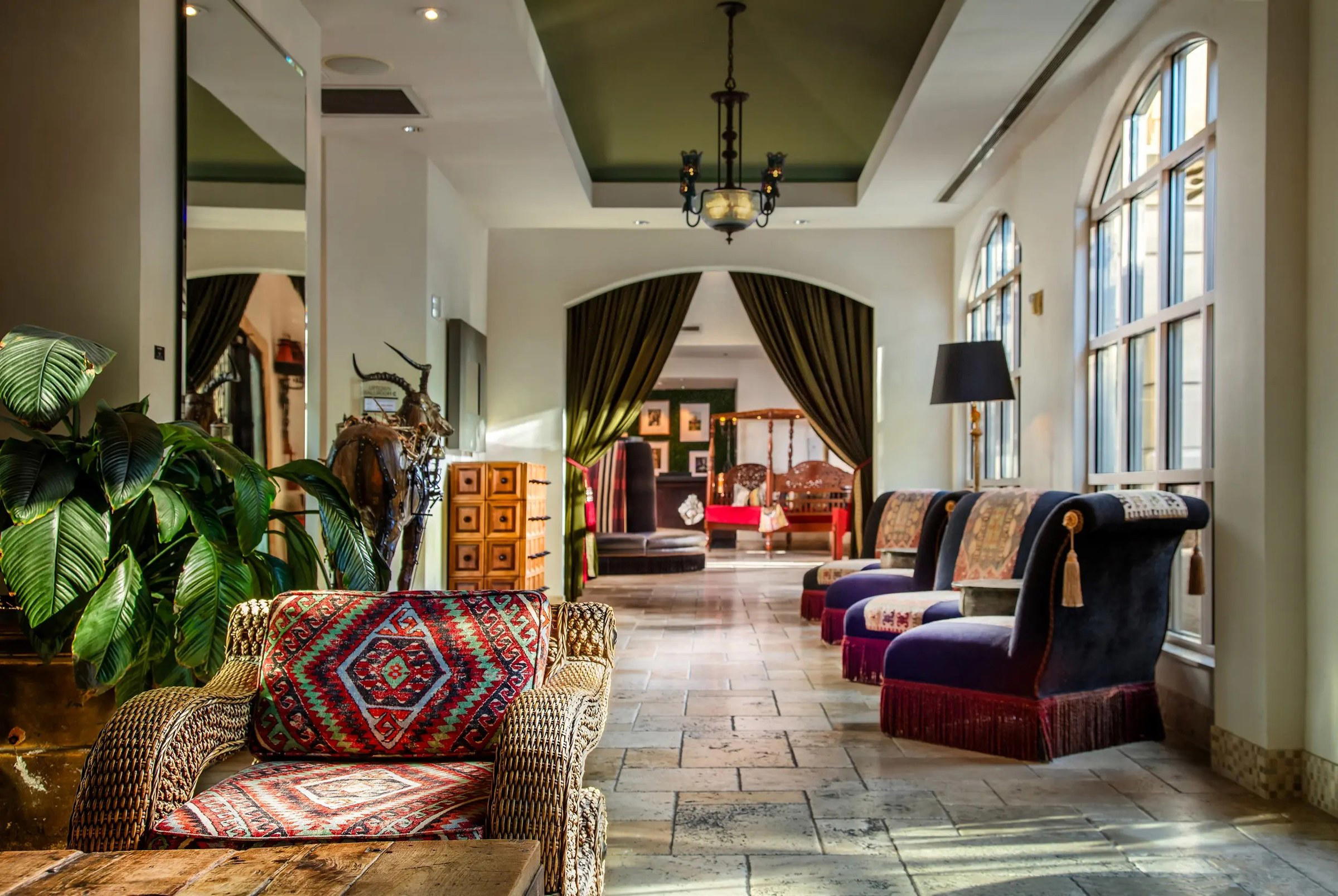
Elegant upscale atmosphere with warm decor, beautiful lighting, and an energetic yet classy vibe well-suited for special occasions.
Know Before You Go
- Getting there
- 4217 Oak Lawn Ave, Dallas, TX 75219