Knife


Knife, Chef John Tesar's dry-aging program in Plano's Legacy West corridor, ranks among the most seriously sourced steakhouses in Texas. Beef is aged in-house up to 240 days, with cuts presented alongside full traceability data on breed, feed, and method. Ranked #302 on Opinionated About Dining's North America list in 2025, it sits in a different tier from the conventional Dallas chophouse.
Pearl is the En Primeur Club membership app — saves, bookings, and concierge access live there. Same editors, same standards.
- Address
- 6121 W Park Blvd RS9, Plano, TX 75093
- Phone
- (214) 299-5943
- Website
- knifeplano.com
- Directions
- Get directions
 Saves & bookings on Pearl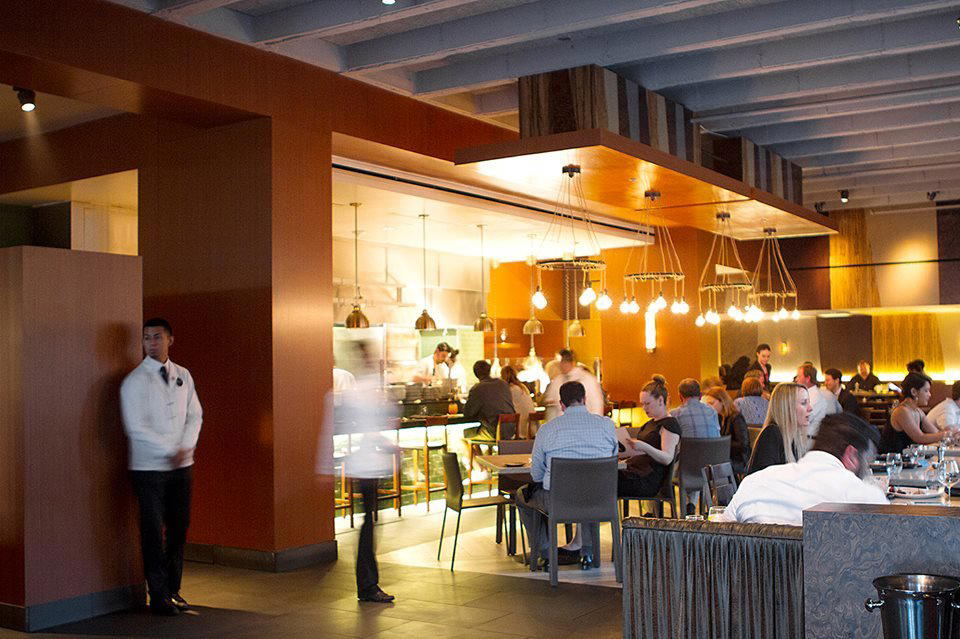
West of the City, Past the Usual Circuit
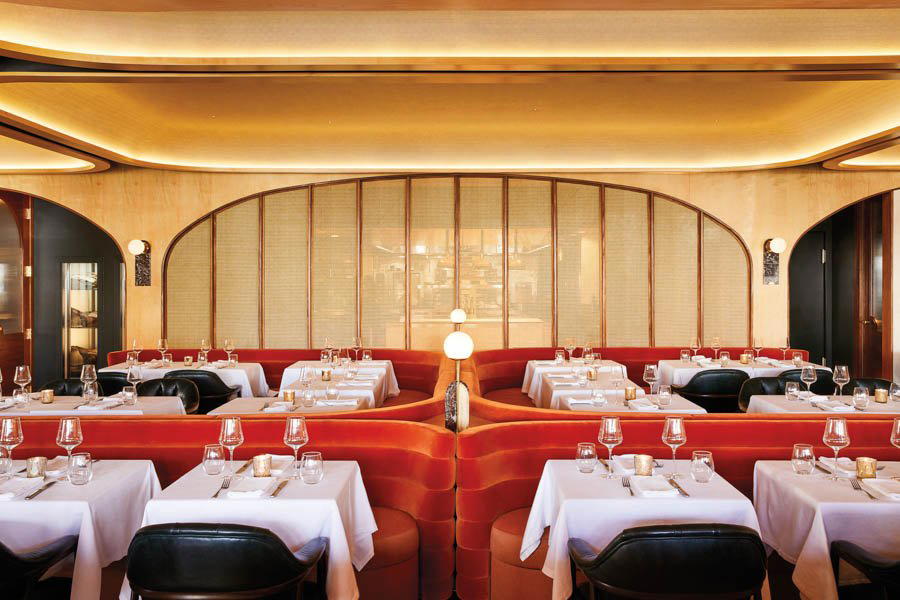
Plano's Legacy West development sits about 20 miles north of downtown Dallas, which places Knife outside the usual rotation of Oak Lawn steakhouses and Uptown expense-account rooms. The address is deliberate rather than peripheral: Legacy West has drawn a specific dining crowd, one comfortable with the drive and expecting something beyond the regional chain-steakhouse default. In that context, Knife occupies an interesting position. It is the kind of restaurant that earns a destination trip on its own terms, not because of what surrounds it. The room reads modern without being austere, with an edge of industrial confidence that matches the cooking program's approach to beef.
The American steakhouse format has been argued over for decades. At one end, the classic chophouse model prioritises ritual: leather, tableside preparation, USDA Prime served with minimal intervention. At the other, a newer cohort of meat-focused restaurants has introduced dry-aging programs, breed traceability, and sourcing specificity borrowed from European butchery culture. Knife, under Chef John Tesar, sits firmly in the latter group, and its position on the our full Dallas restaurants guide reflects that distinction. For broader context across the city's hospitality offerings, see our full Dallas hotels guide, our full Dallas bars guide, and our full Dallas experiences guide.
The Dry-Aging Program as Editorial Statement
Dry-aging at serious steakhouses typically runs between 28 and 60 days. Knife's program pushes considerably further: beef is aged in-house up to 240 days, with the house programme focused primarily on Prime Texan beef and Akaushi, a Japanese-origin breed known for higher intramuscular fat and a distinct flavor profile when aged. The practical effect of extended aging is significant. At 45 days, moisture loss concentrates flavour and enzymes begin to break down muscle fibre, producing a tenderness that differs qualitatively from wet-aging. At 140 days and beyond, the result is something closer to the aged beef traditions found at specialist European butchers, with nutty, almost umami-forward notes that require no elaboration at the table.
Each cut is presented with full traceability: breed, feed, age, and method. This level of sourcing transparency is not common in the American steakhouse format, where provenance language often stays vague. The commitment aligns Knife with a narrow peer group nationally, comparable to what high-specification dry-aging programs are doing at venues like Capa in Orlando or, in the Asian context, operations such as A Cut in Taipei, where beef sourcing has become the primary editorial point of differentiation. The cooking method relies on a high-temperature broiler, which creates the crust formation and internal temperature consistency that extended-age beef requires.
Beyond the Steak Program
Texas beef defines what Knife is known for, but the menu extends into territory that suggests a kitchen operating with broader technical range. A bacon tasting featuring multiple in-house cured and smoked preparations has developed a following among regulars. Preparations like beef cheek ravioli and smoked short rib indicate a kitchen comfortable moving between formats, from whole-muscle cuts to braised applications and pasta work. Bone marrow with oxtail marmalade sits at the intersection of nose-to-tail cooking and fine-dining technique, and its presence on the menu signals how seriously the program treats the animal as a whole rather than as a set of premium cuts.
The wine list is structured around bold, structured reds suited to richly marbled beef: Napa Valley Cabernet, Rhône-style varietals, and Spanish reds with sufficient tannin and weight to hold their own against extended-age cuts. This approach mirrors the logic behind wine programs at serious American steak restaurants, where the list functions as a pairing tool rather than a general collection. For those exploring the full range of Texas drinking culture, our full Dallas wineries guide covers regional production worth knowing.
Knife in the Dallas Steakhouse Context
Dallas has a deep and competitive steakhouse market. Al Biernat's holds its place as one of the city's most socially embedded chophouses, operating in a register of polished hospitality and long-term relationships. Southwestern-influenced formats at restaurants like Georgie and Stillwell's demonstrate how Texas beef intersects with broader American regional cooking. Further afield in the city's dining ecosystem, Japanese precision at Tatsu Dallas and modern global formats at Mamani indicate how far Dallas's fine-dining range now extends beyond its steakhouse heritage.
Knife competes in a specific sub-category of this market: restaurants where the beef program itself is the primary credential, not the room, the service legacy, or the chef's broader celebrity. Nationally, that places it in conversation with technically focused meat programs at restaurants like Lazy Bear in San Francisco, where format discipline and sourcing specificity drive the editorial identity, rather than the classically anchored models of Le Bernardin in New York City or The French Laundry in Napa. For format-driven comparison in a different register, Alinea in Chicago and Emeril's in New Orleans show how chef-driven American restaurants have built identity around program rather than tradition. Single Thread Farm in Healdsburg offers another point of comparison for sourcing-led thinking at the American fine-dining level.
Knife's consistent presence on the Opinionated About Dining North America rankings, listed at #316 in 2024 and rising to #302 in 2025, with a recommended designation in 2023, reflects sustained critical recognition rather than a single-year spike. OAD rankings are compiled from a voting base of experienced diners rather than a single inspectorate, which gives the recognition a different character from a Michelin star but a meaningful signal about ongoing quality and reputation within a knowledgeable audience.
Practical Planning
Knife operates across breakfast, lunch, and dinner Monday through Friday, with service beginning at 6:30 am on weekdays. Saturday and Sunday drop the midday service break, running from 6:30 am through 1:30 pm before dinner begins at 5 pm. Friday and Sunday dinner service extends to 10:30 pm, while other evenings close at 9:30 pm. The Plano address at 6121 W Park Blvd places the restaurant within the Legacy West retail and dining complex, accessible by car from central Dallas in around 25 to 30 minutes depending on traffic. Reservations are advisable for dinner service, particularly on weekend evenings when demand for prime-cut availability and extended-aging rarities tends to run high.
Cuisine and Credentials
| Venue | Cuisine | Price | Awards |
|---|---|---|---|
| KnifeThis venue — the venue you are viewing | Steakhouse | Not listed | Not listed |
| Lucia | Italian | Not listed | Italian, $$$ |
| Tei-An | Izakaya, Japanese | Not listed | Izakaya, Japanese, $$$$ |
| Fearing's | Southwestern, American | Not listed | Southwestern, American, $$$$ |
| Tatsu Dallas | Japanese | $$$$ | Michelin 1 Star |
| Cattleack Barbeque | Barbecue | Not listed | Barbecue, $$ |
Recognition history
Dated appearances from independent guides and award organizations, with the underlying list record or original source where available.
Opinionated About Dining Top Restaurants in North America Ranked #302
Opinionated About Dining
World's Best Steaks 101 Best Steak Restaurants #47
World's Best Steaks
Opinionated About Dining Top Restaurants in North America Ranked #316
Opinionated About Dining
Opinionated About Dining Top Restaurants in North America Recommended
Opinionated About Dining
At a Glance
- Elegant
- Cozy
- Sophisticated
- Date Night
- Business Dinner
- Special Occasion
- Celebration
- Open Kitchen
- Extensive Wine List
- Craft Cocktails
- Local Sourcing
Current opening hours
- Monday
- 11 AM–3 PM, 5–9 PM
- Tuesday
- 11 AM–3 PM, 5–9 PM
- Wednesday
- 11 AM–3 PM, 5–9 PM
- Thursday
- 11 AM–3 PM, 5–9 PM
- Friday
- 11 AM–3 PM, 5–10 PM
- Saturday
- 11 AM–3 PM, 5–10 PM
- Sunday
- 11 AM–3 PM, 5–9 PM
Hours can change for holidays and private events. Last verified .
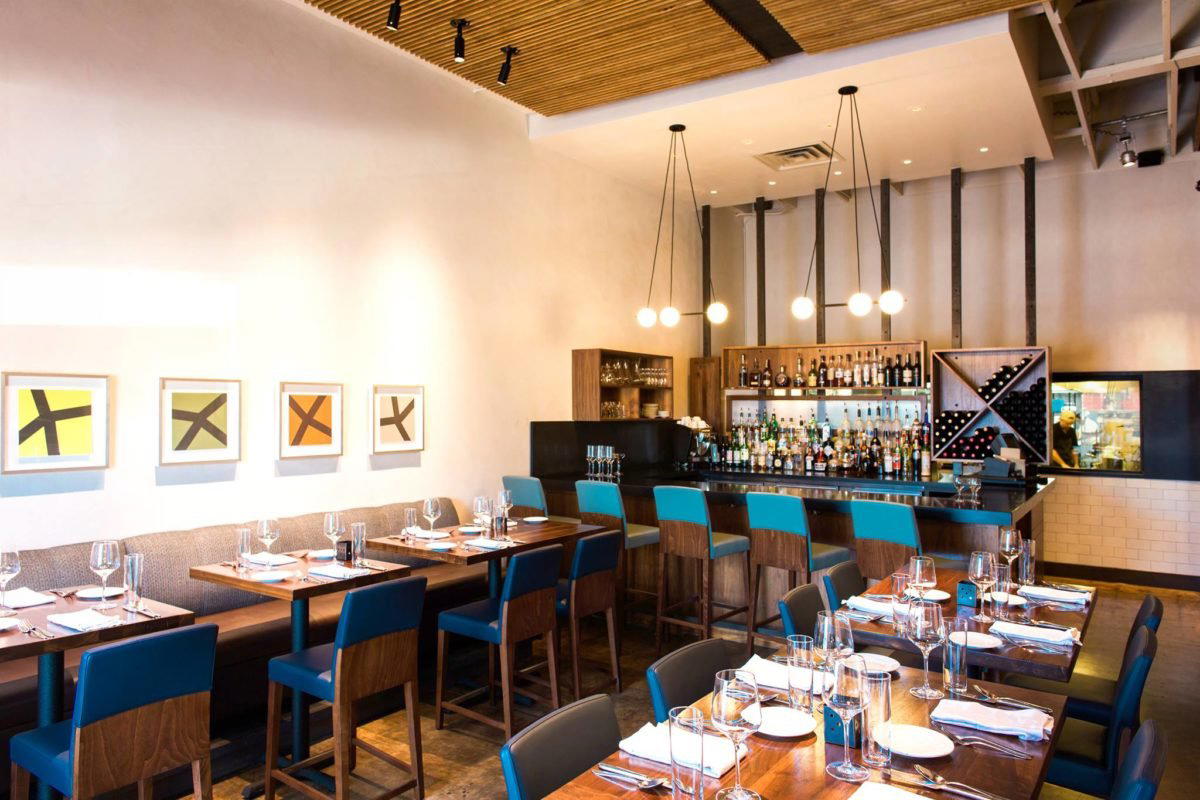
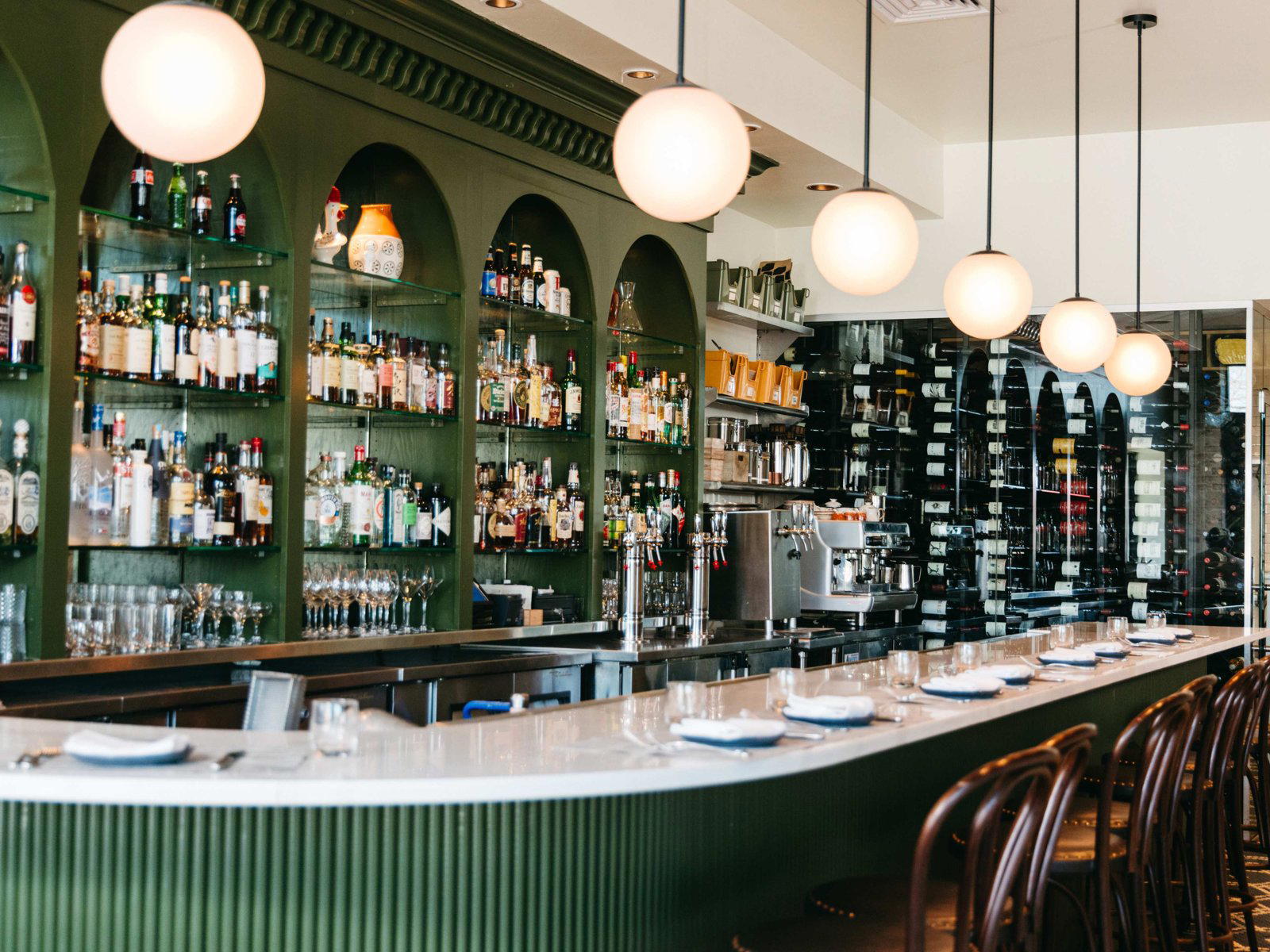
Clubby and inviting with warm wood tones, dark walls, and an exhibition kitchen; dark and cozy creating romantic elegance.
Know Before You Go
- Getting there
- 6121 W Park Blvd RS9, Plano, TX 75093