99 Pocha
99 Pocha brings the Korean pojangmacha tradition to Carrollton's Mac Arthur Drive corridor, where late-night street food culture and soju-driven drinking have quietly taken hold alongside the area's Korean BBQ circuit. The format is casual and communal, built around sharing plates and poured drinks rather than formal dining progressions. It sits inside a broader North Dallas Korean food cluster worth understanding before you arrive.
Pearl is the En Primeur Club membership app — saves, bookings, and concierge access live there. Same editors, same standards.
- Address
- 1008 Mac Arthur Dr #120, Carrollton, TX 75007
- Phone
- +1 469 758 6414
- Website
- 99pochausa.com
- Directions
- Get directions
 Saves & bookings on Pearl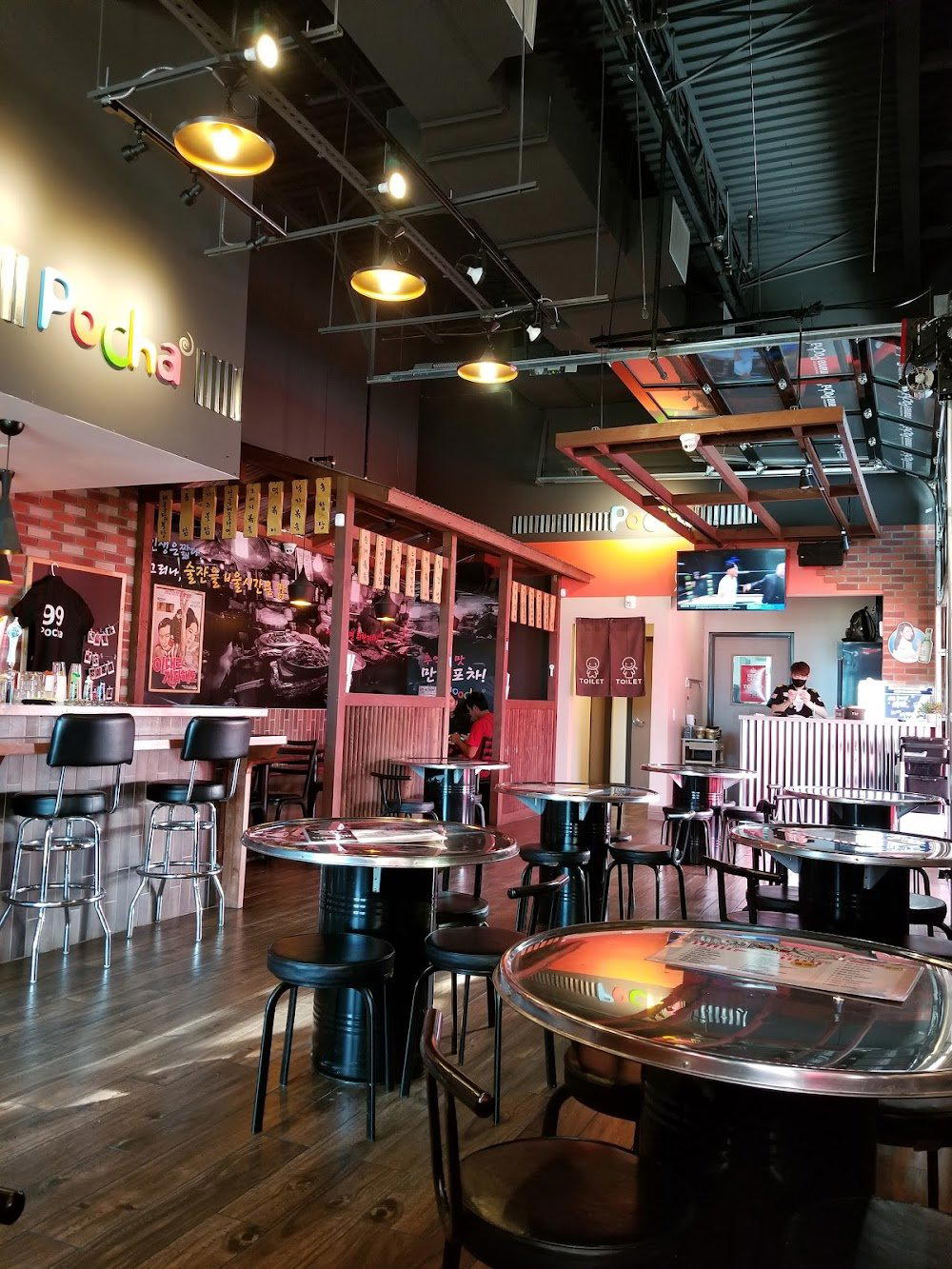
The Pojangmacha Format in a Strip-Mall City
Korean drinking culture has a specific architecture. The pojangmacha, or street tent bar, is where soju meets anju, the catch-all term for food eaten alongside alcohol. In Seoul, these are canvas-draped stalls on sidewalks; in North Texas, the format migrates indoors and into strip-mall units, where the logic of the experience, small plates ordered in rounds, bottles shared across the table, late hours, stays mostly intact. Ddong Ggo Tx and Bros Korean BBQ Sushi Shabu occupy adjacent points in Carrollton's Korean hospitality circuit; 99 Pocha works a different register, leaning into the pocha identity rather than the BBQ grill or the multi-concept format.
Mac Arthur Drive in Carrollton is one of the denser corridors of Korean business concentration in the Dallas metro. The strip at 1008 Mac Arthur, where 99 Pocha occupies unit 120, fits the pattern of low-overhead spaces that allow food and drink concepts to run lean and stay accessible. In a market where Korean dining ranges from fast-casual to tableside grill houses, the pocha model sits at the informal, drinking-first end of the spectrum.
Drinking First: The Soju and Anju Logic
The editorial angle here is the drink-first structure. At a pocha, the beverage order is not secondary to the food, it is the organizing principle around which plates are selected. Soju, Korea's dominant distilled spirit, is typically ordered by the bottle and consumed across multiple pours, which changes how food is sequenced. Anju is calibrated for this: dishes tend to be salty, spicy, and portioned for sharing, designed to sustain a drinking session rather than constitute a standalone meal.
This model has rough parallels in other drinking cultures. Spanish tapas bars operate on a similar drinks-anchor logic; izakayas in Japan build the same rhythm around sake or shochu and small plates. What distinguishes the Korean pocha format is the specific role of soju, which at roughly 20 percent ABV sits between beer and spirits and is typically consumed in small, frequently refilled glasses. The communal pour, where each person at the table fills others' glasses rather than their own, is a social convention that shapes the pace of the evening.
Across the broader American bar scene, drink-led formats with serious beverage programs have expanded significantly. Venues like Kumiko in Chicago and Jewel of the South in New Orleans represent the high-craft, spirits-forward end of that movement. ABV in San Francisco and Bar Leather Apron in Honolulu occupy a similar specialist tier. The pocha format is a distinct category within that broader shift toward drinking-anchored hospitality, one where the beverage is approachable by price and familiarity rather than technical complexity, but the social structure around consumption is no less deliberate.
Carrollton's Korean Cluster in Context
Carrollton's Korean food and nightlife scene has developed alongside the city's significant Korean-American population, concentrated particularly in the area around Old Denton Road and Mac Arthur Drive. The cluster includes karaoke venues such as City Night KTV Karaoke Bar and Café, Korean BBQ operations, sushi-adjacent Korean-Japanese hybrids, and craft beer options including 3 Nations Brewing. Together these form a hospitality circuit that functions as an evening destination in its own right, where guests move between venues or combine a meal at one spot with drinks at another.
99 Pocha's position in that circuit is as a drinking-first anchor. The pocha format is designed for extended stays: multiple rounds of anju, bottles finished and replaced, conversation rather than a fixed dining clock. In a neighborhood where late-night options are concentrated and the KTV bar next door assumes you're staying out rather than heading home, this sequencing makes sense. The Mac Arthur strip operates more like a Korean entertainment district in miniature than a collection of standalone restaurants.
Compared to the Houston Korean dining scene, where venues like Julep represent a different end of the cocktail-and-food spectrum, or the New York model exemplified by Superbueno's approach to bar-led hospitality, Carrollton's Korean cluster is less about technique or critical cachet and more about cultural authenticity and community function. The Parlour in Frankfurt and other internationally recognized bar programs operate with a different kind of ambition. The value proposition in Carrollton is different: the draw is the format itself, the specific social ritual of the pocha evening, delivered without the markup that a cocktail bar would attach to the same experience.
Continue exploring
More in Carrollton
Bars in Carrollton
Browse all →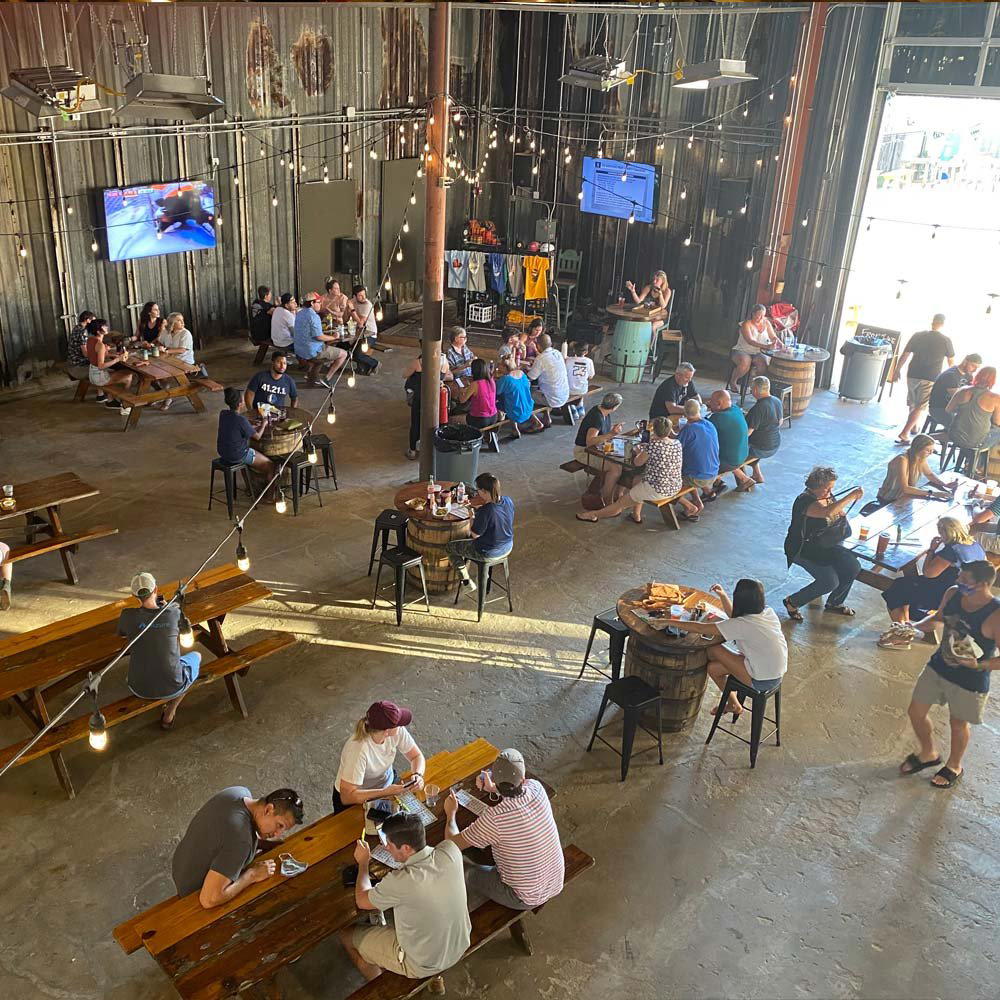
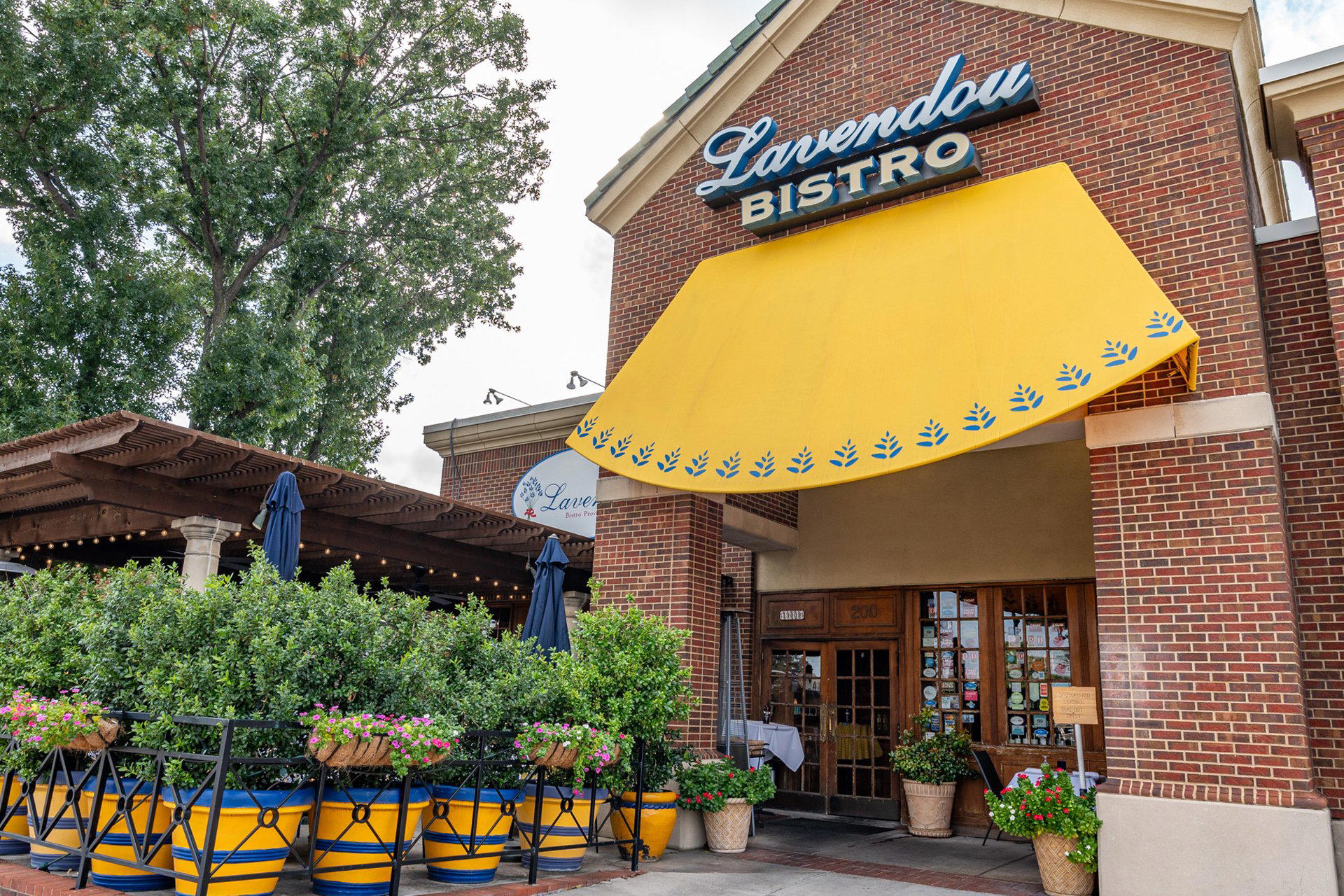
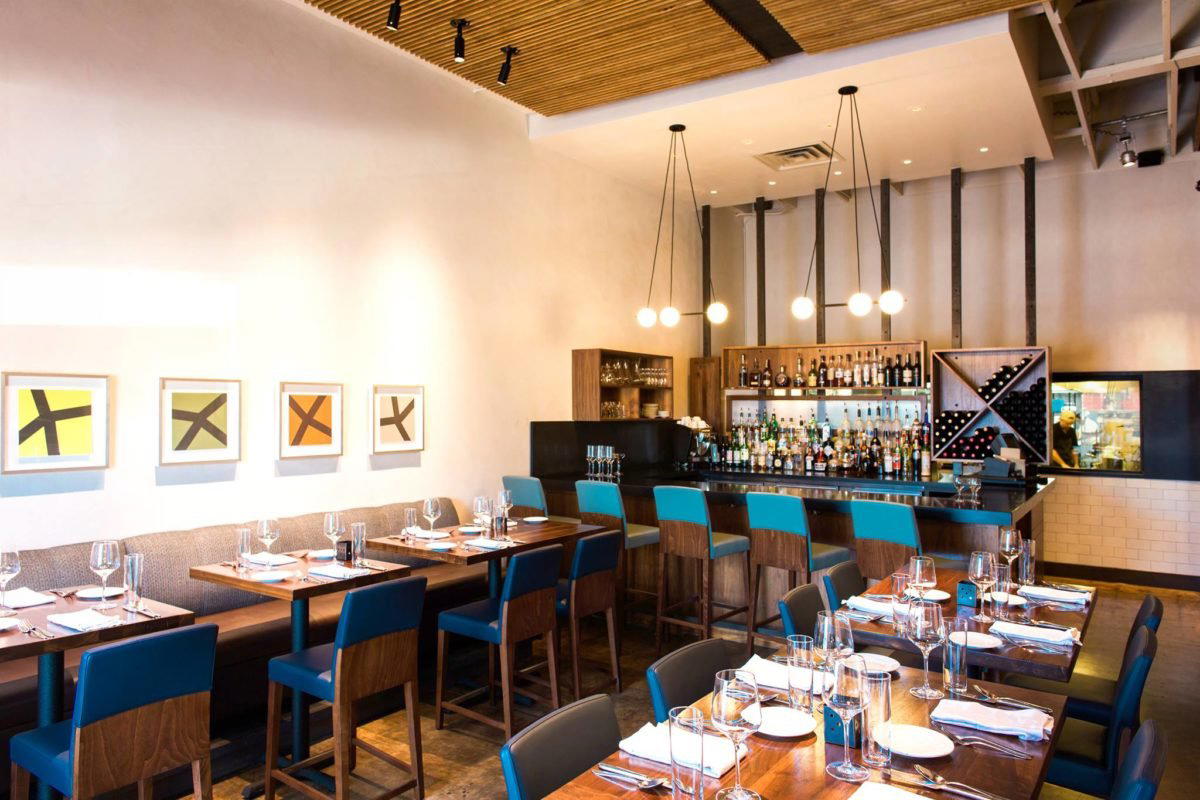
Restaurants in Carrollton
Browse all →
Hotels in Carrollton
Browse all →
Wineries in Carrollton
Browse all →
At a Glance
- Lively
- Energetic
- Late Night
- Group Outing
- Casual Hangout
Current opening hours
- Monday
- 5 PM–2 AM
- Tuesday
- 5 PM–2 AM
- Wednesday
- 5 PM–2 AM
- Thursday
- 5 PM–2 AM
- Friday
- 5 PM–2 AM
- Saturday
- 5 PM–2 AM
- Sunday
- 5 PM–2 AM
Hours can change for holidays and private events. Last verified .
Dive-like interior with a charming, romanticized atmosphere.
Know Before You Go
- Getting there
- 1008 Mac Arthur Dr #120, Carrollton, TX 75007