On Wollestraat, one of Bruges's most-walked canal streets, Pralinette occupies a address that puts it squarely in the city's serious chocolate and confectionery tradition. The shop draws on Belgium's deep praline culture, sitting a short walk from the historic Markt and within easy reach of the city's broader fine-dining circuit. For visitors planning around Bruges's culinary calendar, it warrants a stop alongside the city's restaurant scene.
Pearl is the En Primeur Club membership app — saves, bookings, and concierge access live there. Same editors, same standards.
- Address
- Wollestraat 31, 8000 Brugge, Belgium
- Phone
- +3250348383
- Website
- pralinette.be
- Directions
- Get directions
 Saves & bookings on Pearl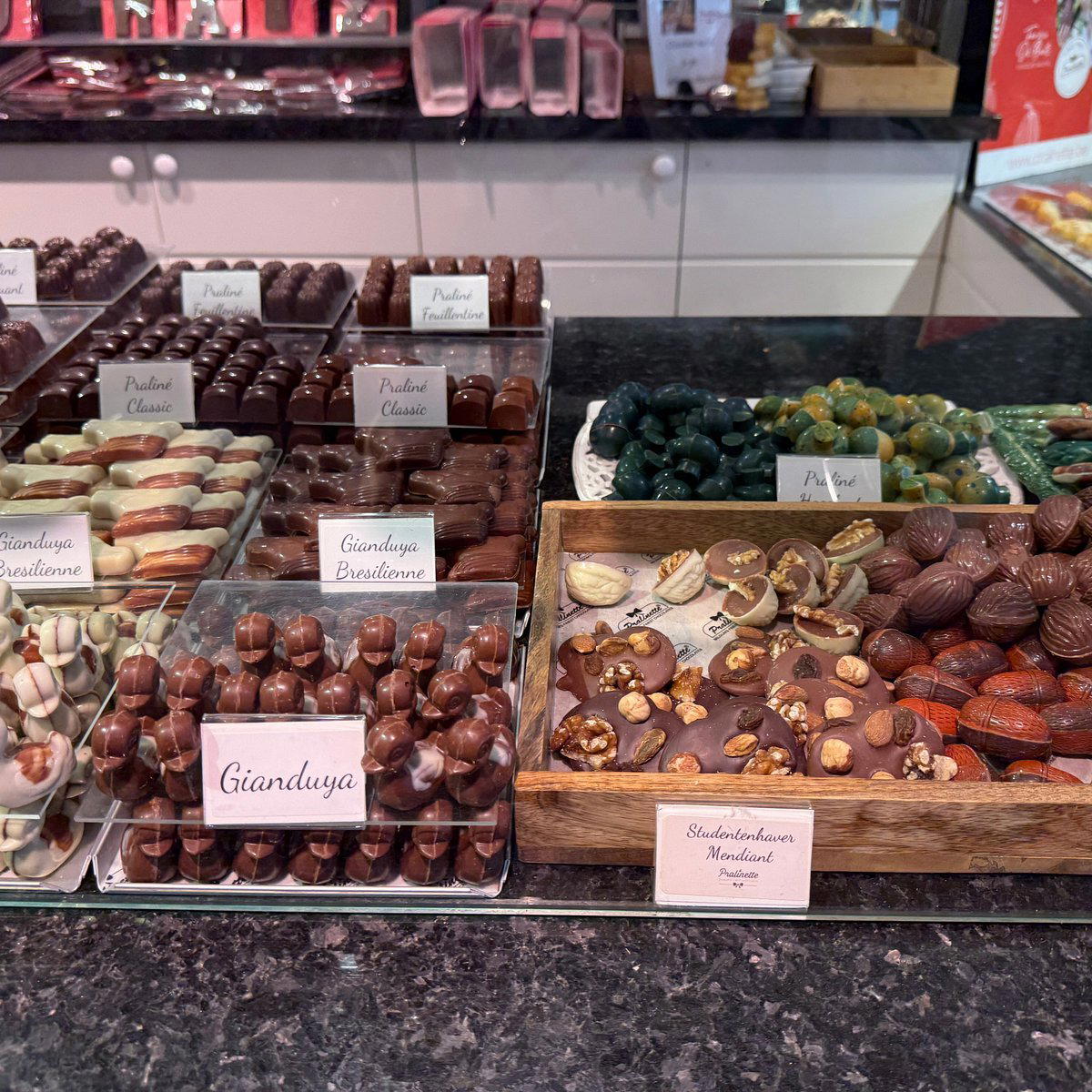
A Street With Weight Behind It
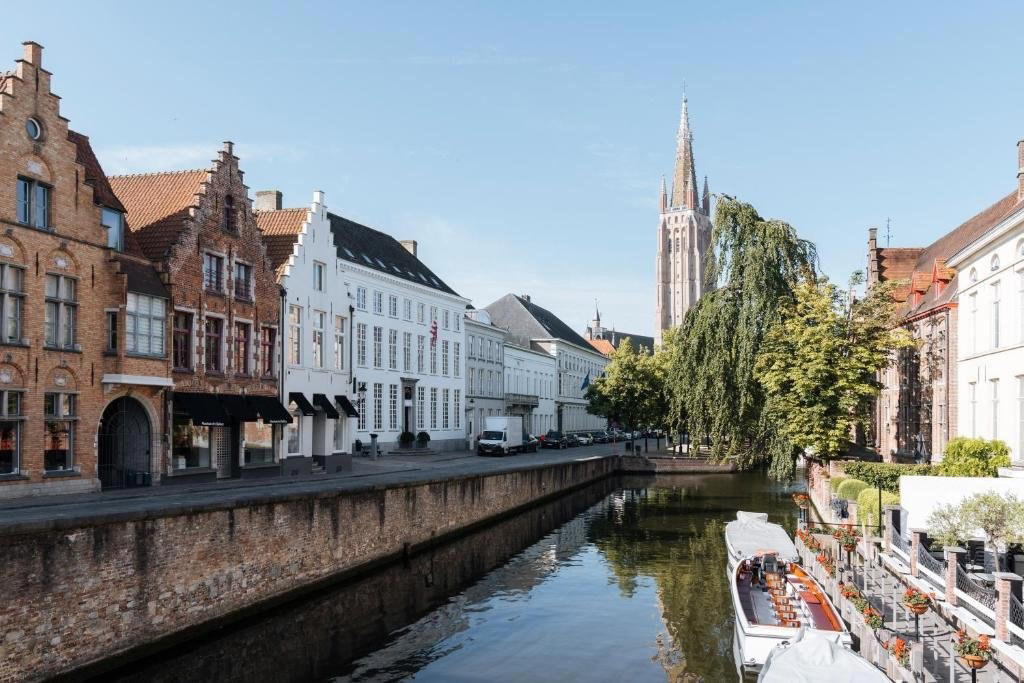
Wollestraat runs between the Markt and the Rozenhoedkaai, which means it carries some of the heaviest foot traffic in a city already overloaded with tourists. That location creates a filtering problem for serious visitors: most of what lines that corridor is aimed at volume, not quality. Pralinette, at number 31, sits on that same stretch and operates within Belgium's chocolate and confectionery tradition. In a country where praline-making has a codified craft history dating back to the late nineteenth century, the address alone does not confer credibility. What the location does offer is accessibility, which matters when you are building a visit around the city.
Bruges occupies a particular position in Belgium's food culture. The city has enough serious restaurant ambition to hold its own against Brussels, with names like Mémoire and Sans Cravate anchoring the creative French end of the spectrum, and Zet'Joe by Geert Van Hecke and De Karmeliet representing the more established fine-dining tier. Pralinette sits outside that restaurant conversation, functioning instead within the city's confectionery tradition, which runs parallel to the table-service scene and often outlasts it in terms of cultural memory for visitors.
The Confectionery Context
Belgian praline culture is not a marketing construct. The filled chocolate format, distinct from the French praline of ground almonds and sugar, was developed in Brussels in 1912 and became a national craft exported globally through names like Neuhaus, Leonidas, and Godiva. What distinguishes the serious end of that tradition from mass production is the ganache-to-shell ratio, the sourcing of cocoa, and the shelf life, which in a quality house is deliberately short because the fillings use real cream and fresh ingredients rather than stabilisers. Bruges has benefited from this tradition, and several of its chocolate shops operate at a level well above what you would find in the average European tourist centre.
Within that local field, the practical details of a visit to any Bruges chocolate address follow a similar logic.
Planning a Visit Around the Wollestraat Address
The experience is shaped heavily by when and how you arrive. Wollestraat at midday in summer functions differently from Wollestraat at 10am on a Tuesday in November. The canal view at the Rozenhoedkaai end of the street draws photographers and tour groups in predictable waves, and those waves wash back along the street throughout the day. Visitors who build a morning itinerary around the confectionery stop and then move to lunch at 't Apertje or another canal-side address will find the experience more coherent than those arriving between noon and three.
Bruges is a walkable city with a historic centre concentrated enough that most addresses sit within fifteen minutes of each other on foot. That compactness is an advantage when planning a multi-stop day, and it positions Pralinette as a natural component of a broader itinerary rather than a destination in isolation. For those extending into the wider West Flanders and Flemish region, the restaurant circuit includes Boury in Roeselare, Willem Hiele in Oudenburg, and Bartholomeus in Heist, all within driving range and representing different points on the Flemish fine-dining spectrum.
What the Belgian Confectionery Tier Signals
At the serious end of Belgian chocolate retail, the signals that separate a craft address from a tourist-facing operation are fairly legible once you know what to look for. Short shelf-life labelling, small batch production notes, and seasonal rotation of ganache flavours all point toward genuine craft. The counter layout tends to be restrained rather than maximalist, and staff knowledge of provenance and production method is usually evident within the first exchange. Whether Pralinette operates at that tier or at a more accessible mid-range, the framework for assessing it remains consistent with how Belgium's serious confectionery houses distinguish themselves.
For comparison points beyond Belgium, the praline tradition has few direct equivalents. French pâtisserie houses like Pierre Hermé have a filled chocolate programme, but the format and cultural reference points differ. The Belgian model prioritises the ganache as the primary expression, with the shell as a delivery mechanism rather than an aesthetic statement, which inverts some of the priorities you see in Japanese confectionery or Parisian bonbon work. That distinction is worth holding when you visit any Belgian chocolate address: the question is not what the box looks like but what the filling does.
Visitors building a first serious engagement with Belgian food culture in Bruges might orient around the restaurant scene first and fit confectionery stops around meal anchors. Those already familiar with the city's table-service options, including the Flemish-inflected cooking at addresses further from the centre, will find that a stop on Wollestraat adds a different register to the day without duplicating what the restaurants offer. The Belgian fine-dining circuit extends well beyond Bruges, with Hof van Cleve in Kruishoutem, Zilte in Antwerp, and Bozar in Brussels all representing different facets of what the country does at its most ambitious table level.
Comparable Venues
Comparable venues nearby, for context on price, style, and recognition.
| Venue | Cuisine | Price | Notes |
|---|---|---|---|
| PralinetteThis venue — the venue you are viewing | Artisanal Belgian Chocolatier | $$ | Not listed |
| Atelier Flori | Vegan Tapas | $$ | city center |
| PUUR chocolat | Artisan Belgian Chocolatier | $ | Historic Center |
| Tom's Diner | Belgian Fusion Tapas | $$ | centrum |
| Depla Chocolatier | Belgian Chocolatier | $$ | Historic Centre |
| Zevensterre | Sustainable Seasonal Belgian | $$$ | Sint-Kruis |
Continue exploring
More in Bruges
Restaurants in Bruges
Browse all →
Bars in Bruges
Browse all →
Hotels in Bruges
Browse all →
Wineries in Bruges
Browse all →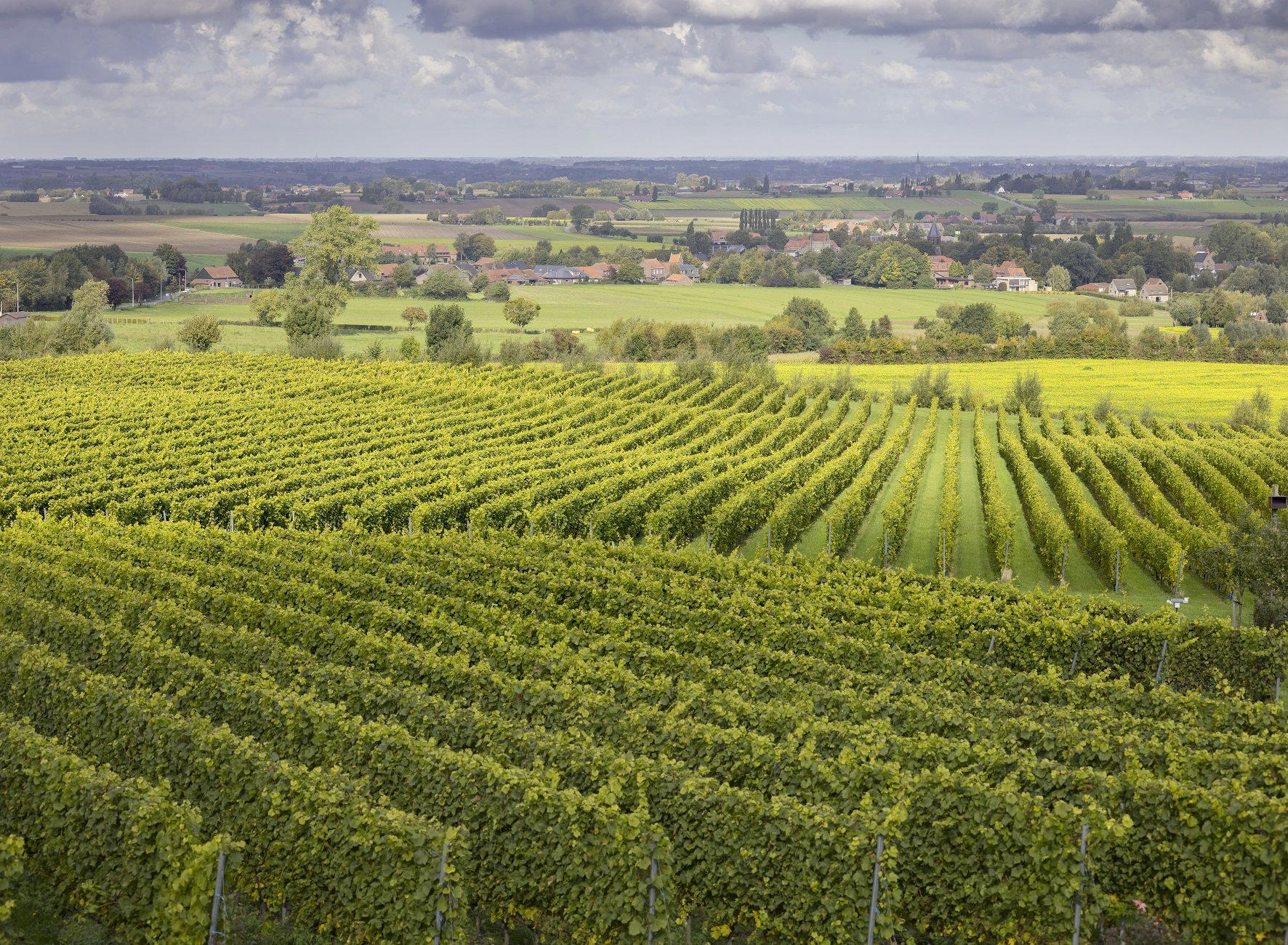
At a Glance
- Cozy
- Modern
- Whimsical
- Casual Hangout
- Open Kitchen
- Street Scene
Current opening hours
- Monday
- 10 AM–6:30 PM
- Tuesday
- 10 AM–6:30 PM
- Wednesday
- 10 AM–6:30 PM
- Thursday
- 10 AM–6:30 PM
- Friday
- 10 AM–6:30 PM
- Saturday
- 10 AM–6:30 PM
- Sunday
- 10 AM–6:30 PM
Hours can change for holidays and private events. Last verified .
Cozy atmosphere filled with the enticing aroma of molten chocolate in a modern, visually dramatic setting near Bruges' Market Square.