Symbol occupies a specific position in Budapest's Óbuda dining scene, where a growing number of restaurants are rethinking their relationship with ingredients, sourcing, and waste. Located on Bécsi út in the city's third district, it operates at a remove from the dense tourist corridors of the inner city, drawing a clientele that arrives with purpose rather than by accident. For Budapest diners tracking the city's more considered end of the restaurant market, Symbol merits attention.
Pearl is the En Primeur Club membership app — saves, bookings, and concierge access live there. Same editors, same standards.
- Address
- Budapest, Bécsi út 56, 1036 Hungary
- Phone
- +36307484050
- Website
- symbolbudapest.hu
- Directions
- Get directions
 Saves & bookings on Pearl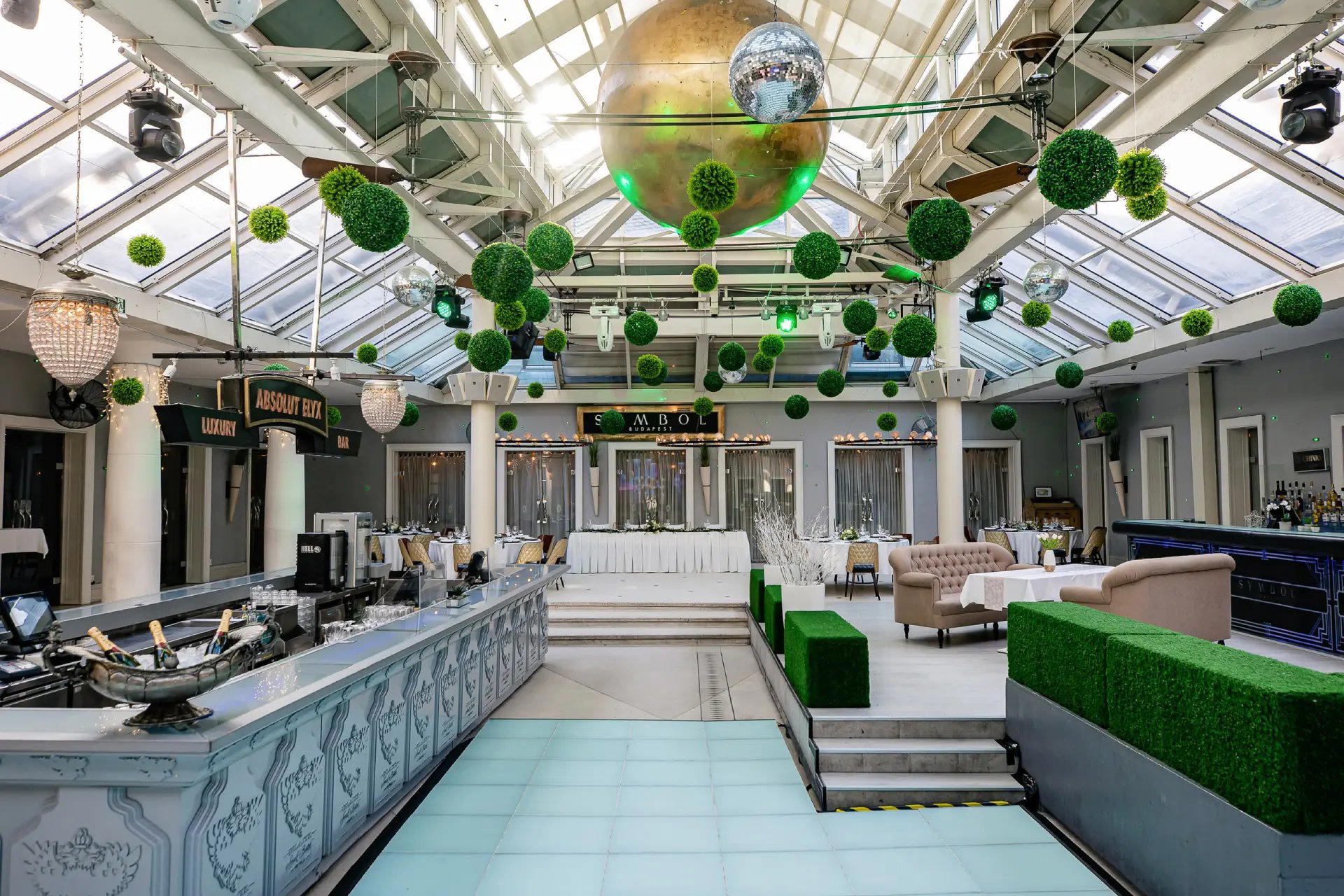
Óbuda's Quieter Register
Budapest's dining conversation tends to concentrate in the fifth and seventh districts, where Michelin-decorated addresses like Costes and Stand anchor the premium tier and international visitors cluster around the Danube-facing blocks. Óbuda, the city's third district, operates on a different frequency. Bécsi út runs north from the old Roman settlement of Aquincum through a neighbourhood that mixes residential blocks, artisan workshops, and a small number of restaurants that have little incentive to perform for passing trade. Symbol sits at number 56 on that street, and its location alone signals something about the kind of experience it is structured to deliver: deliberate, locally embedded, and addressed to a guest who has made a specific choice to be there.
That geographic remove from the tourist belt matters. Budapest is no exception. The restaurants pushing hardest on ingredient provenance and kitchen discipline in relation to sustainability are largely found where the overhead structure permits it.
Where Budapest's Sustainability Conversation Is Happening
Hungary's fine dining tier has spent the past decade establishing its credentials on the international stage. Costes earned the country's first Michelin star in 2010, and the city now holds multiple starred addresses including Babel and Stand. A parallel and less publicised shift has been running alongside that recognition story: a growing number of Budapest kitchens are reorganising their operations around proximity sourcing, seasonal discipline, and the reduction of food waste as structural commitments rather than marketing positions.
Borkonyha Winekitchen, which holds a Michelin star and prices at the €€€ tier, has long demonstrated that Hungarian wine-led dining can carry serious culinary ambition. essência operates at the €€€€ tier with a similar commitment to ingredient focus. What Symbol represents, positioned in Óbuda rather than the inner city, is the extension of that seriousness into a neighbourhood context, where the relationship between kitchen and local supply network can be built with less friction.
The sustainability story in Budapest's restaurant sector is told through sourcing decisions: which farms supply the kitchen, how far ingredients travel, and what happens to trim and by-product. Across Hungary, a number of regional restaurants are demonstrating what that looks like in practice. Pajta in Őriszentpéter has built its identity around hyper-local sourcing in the Őrség region. Almalomb in Hosszúhetény applies similar thinking in the Mecsek hills. Symbol's Óbuda position places it in a Budapest equivalent of that pattern: removed enough from the centre to maintain direct supplier relationships, close enough to the city's dining public to function as a reference point.
The Óbuda Context and What It Changes
Dining in Óbuda carries a different set of expectations than dining in the fifth district. The neighbourhood has a legible residential character, and restaurants there are generally held to a standard of consistency and value that tourist-facing addresses can sometimes sidestep. A restaurant operating on Bécsi út is accountable to a local clientele in a way that concentrates the mind on the quality of what arrives on the plate rather than the theatre of the room.
That accountability structure tends to produce kitchens that are more responsive to seasonal availability, because the local guests who return regularly will notice when the same ingredient appears month after month irrespective of what the season produces. The Hungarian agricultural calendar is specific: asparagus from the Transdanubian lowlands in April and May, stone fruits through July, game from autumn onwards. Kitchens that track that calendar closely are making a sourcing commitment with real implications for how the menu moves across the year.
Regional Comparisons Worth Making
Budapest-based diners who take the sourcing conversation seriously increasingly look beyond the city limits for reference points. Platán Gourmet in Tata has established a model for what proximity sourcing looks like when a restaurant has direct access to a defined agricultural zone. BoriMami in Gyöngyös and Forst-Ház in Eger demonstrate how regional Hungarian dining can carry genuine ingredient specificity without the formal fine dining apparatus.
In Villány, Halasi Pince Panzió connects wine production and table in a way that collapses the distance between agricultural origin and finished dish. Aranysárkány Vendéglő in Szentendre offers a different model: a historic river-town restaurant where local identity and ingredient sourcing are part of the same proposition. These are the reference points against which a Budapest restaurant serious about its sourcing credentials is usefully measured.
Further afield, the international register for this kind of disciplined, ingredient-led cooking is set by addresses like Le Bernardin in New York City, where the relationship between sourcing and technique has been a defining commitment for decades, and Atomix, which applies Korean-inflected precision to the same set of questions about what arrives in the kitchen and why.
Know Before You Go
| Address | Bécsi út 56, Budapest 1036, Hungary |
|---|---|
| District | Óbuda (III. kerület) |
| Getting There | Tram line 17 runs along the Danube embankment to Óbuda; bus routes connect Bécsi út to the city centre. A taxi or rideshare from central Pest takes approximately 20 to 25 minutes depending on traffic. |
| Booking | Recommended. |
| Price | Price tier €€€. |
| Phone |
Comparable Venues
Comparable venues nearby, for context on price, style, and recognition.
| Venue | Cuisine | Price | Notes |
|---|---|---|---|
| SymbolThis venue — the venue you are viewing | Traditional Hungarian with Swabian & Jewish Influences | $$$ | Not listed |
| St. George | Classic Hungarian | $$$ | Varhegy |
| Hemingway | Hungarian and International Lakeside Dining | $$$ | Kis-Gellerthegy |
| Araz Restaurant | Contemporary Hungarian Bistro | $$$ | Pest |
| The Great Hall | Modern Hungarian Fine Dining | $$$ | Terézváros |
| Baltazár Budapest | Modern Hungarian Grill | $$$ | Varhegy |
Continue exploring
More in Budapest
Restaurants in Budapest
Browse all →
Bars in Budapest
Browse all →
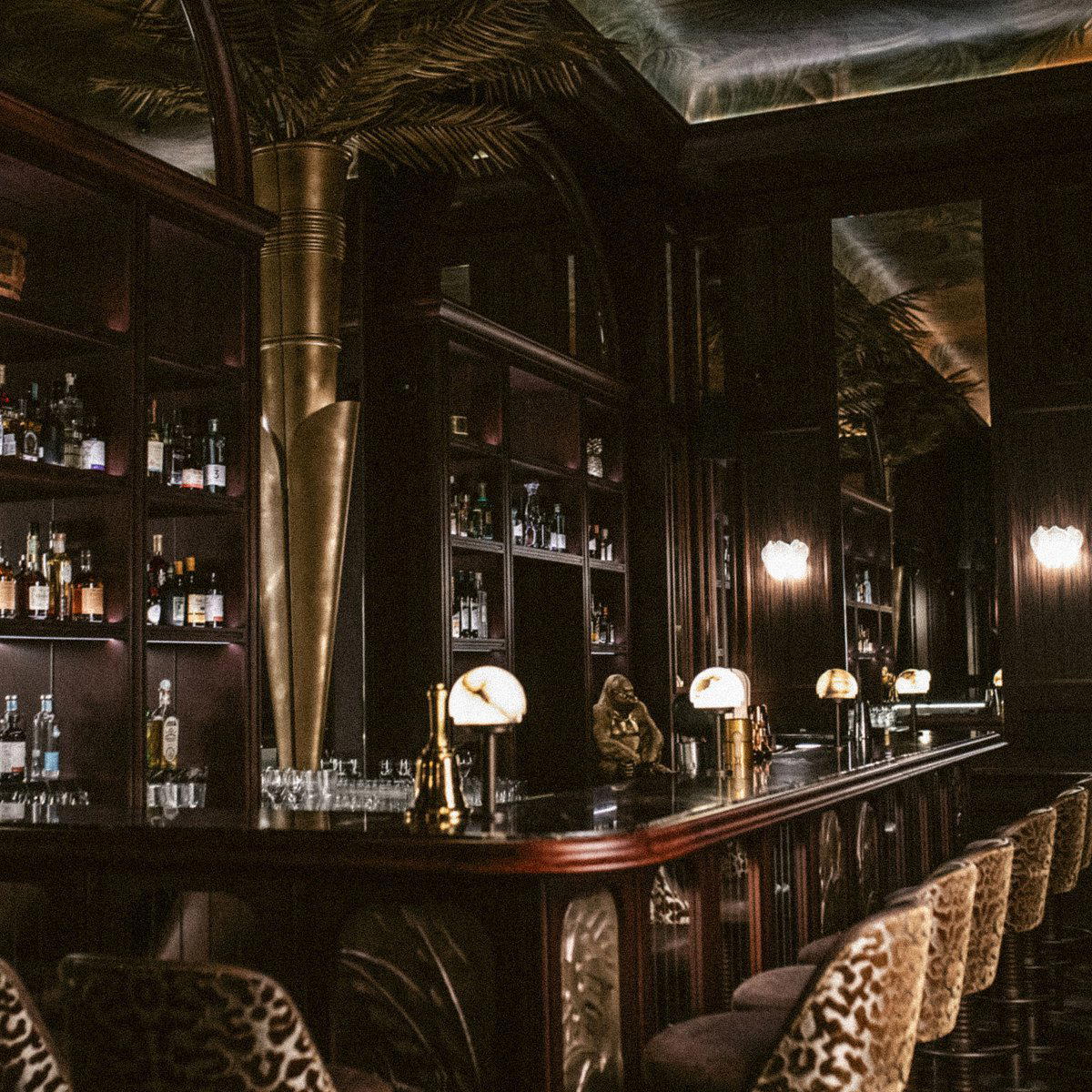
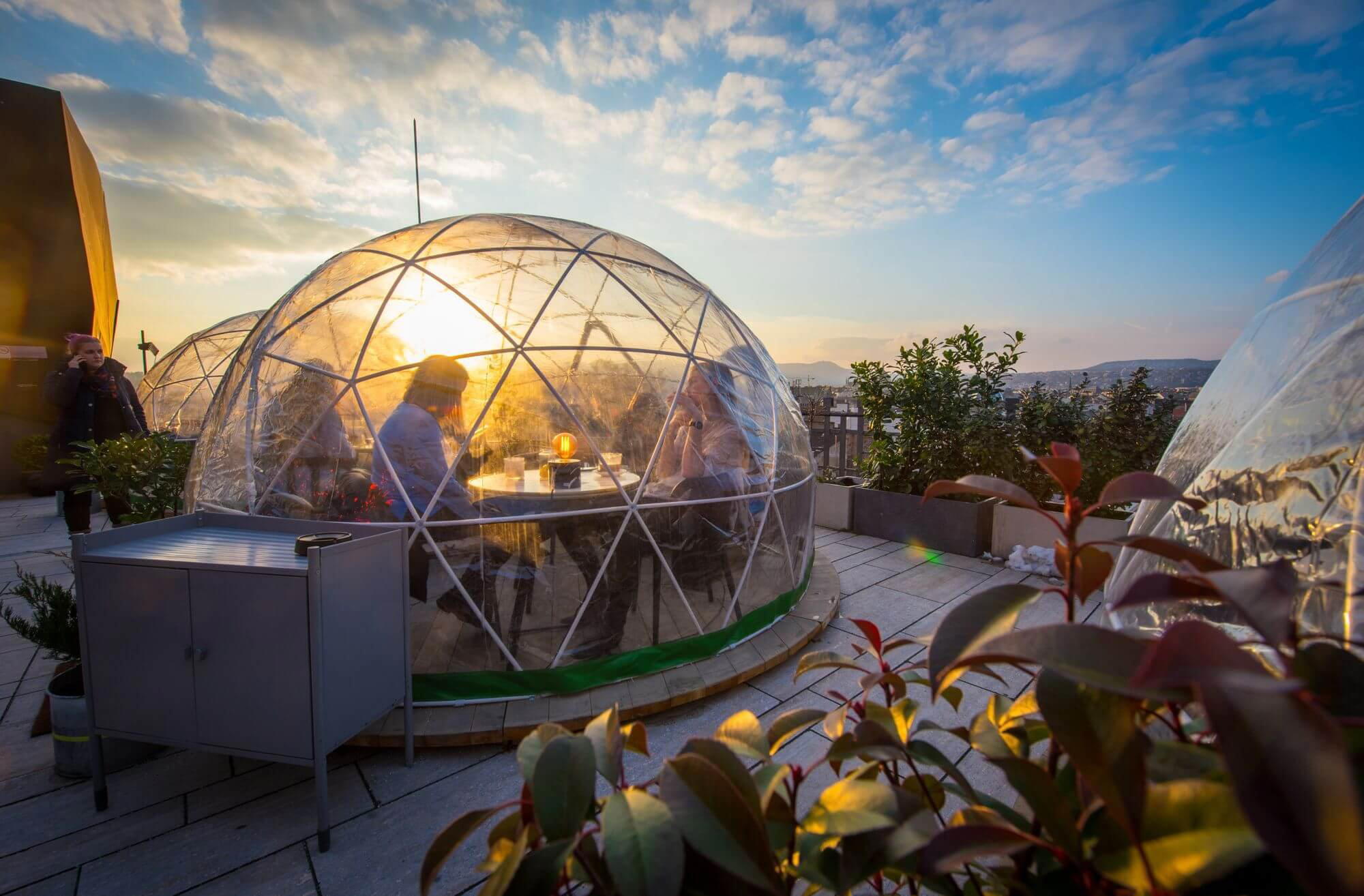
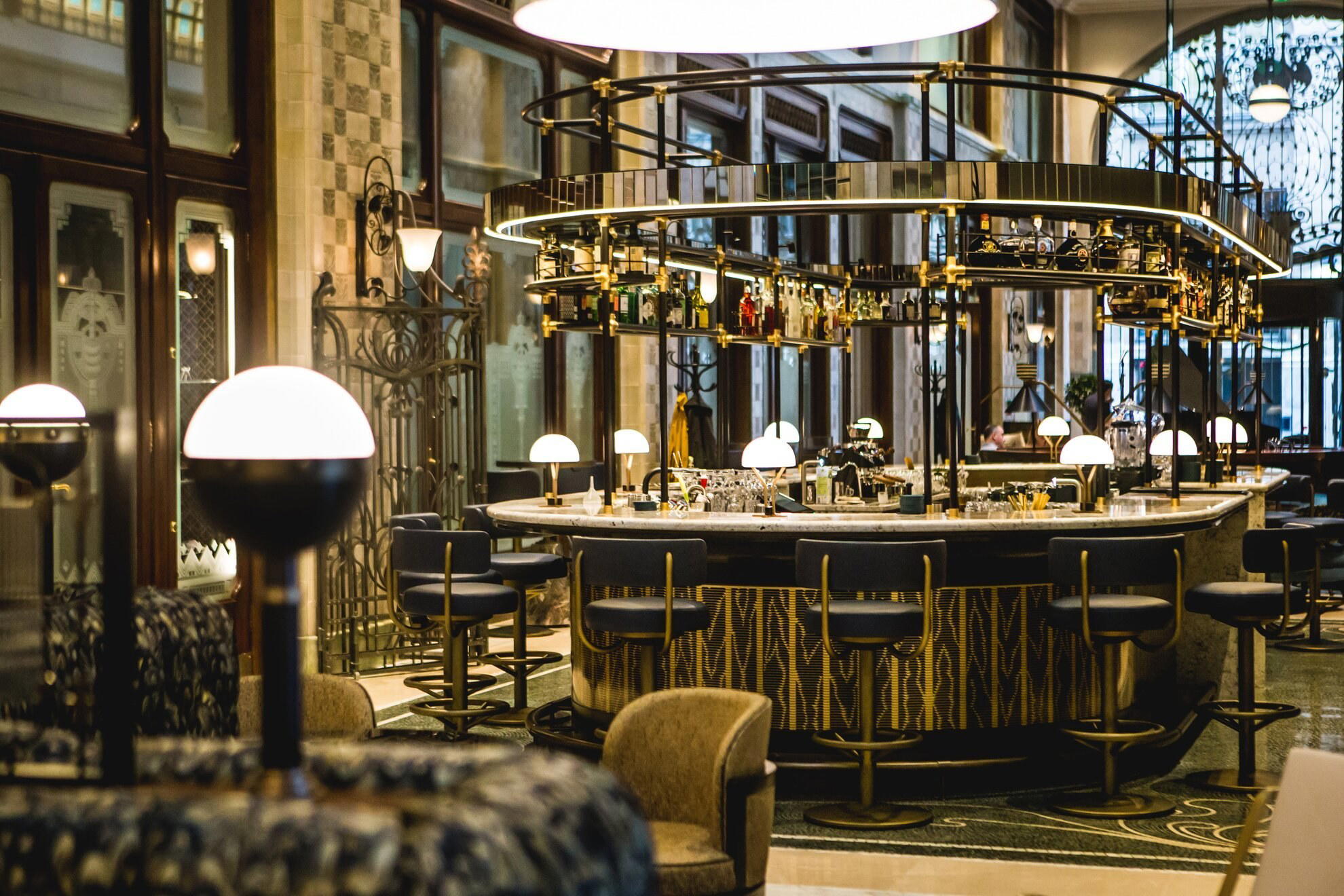
Hotels in Budapest
Browse all →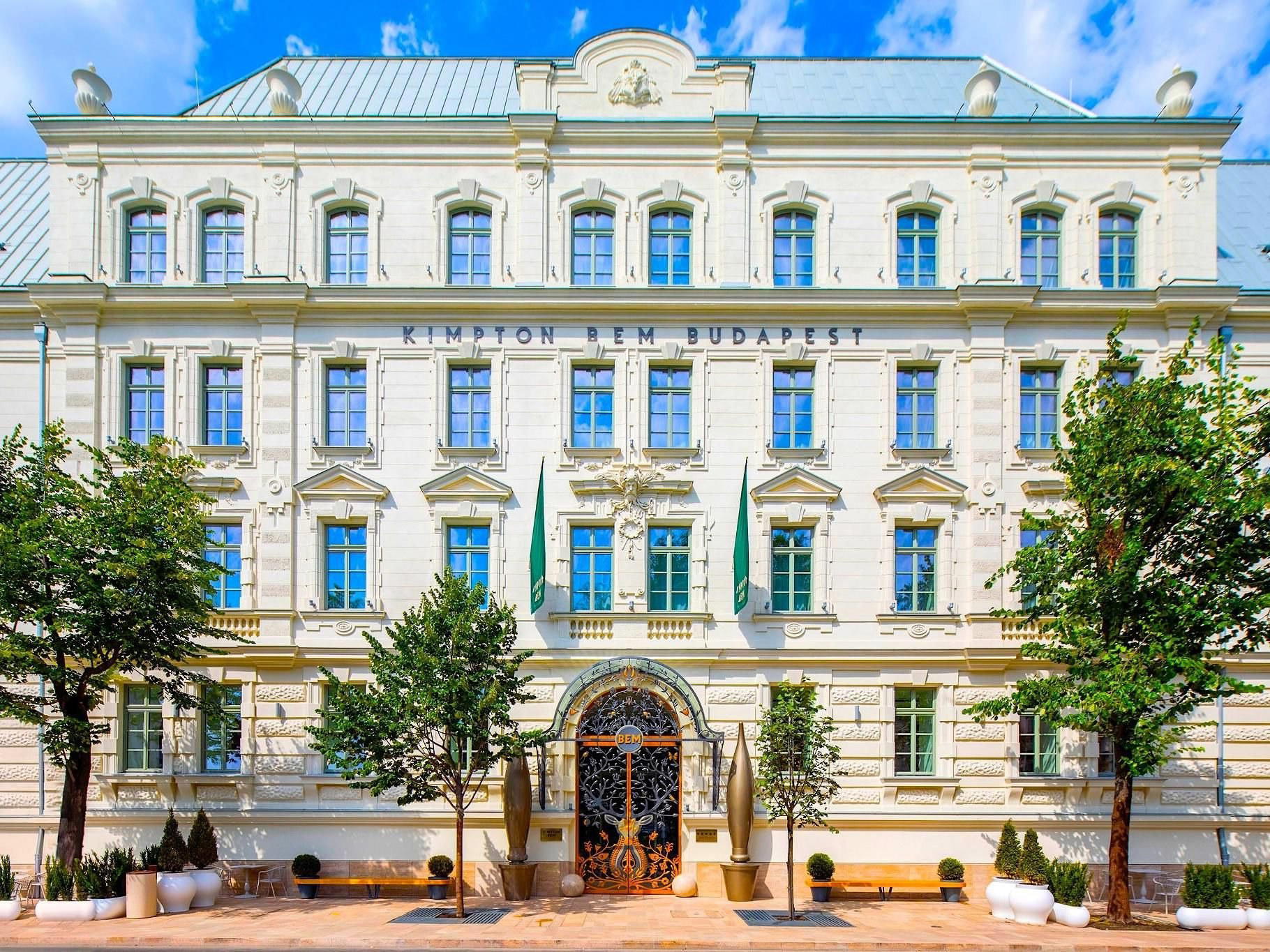

At a Glance
- Elegant
- Historic
- Romantic
- Sophisticated
- Date Night
- Special Occasion
- Group Dining
- Celebration
- Wine Cellar
- Live Music
- Open Kitchen
- Historic Building
- Garden
- Private Dining
- Extensive Wine List
- Sommelier Led
- Garden
Current opening hours
- Monday
- Closed
- Tuesday
- Closed
- Wednesday
- Closed
- Thursday
- Closed
- Friday
- Closed
- Saturday
- 10 PM–12 AM
- Sunday
- Open 24 hours
Hours can change for holidays and private events. Last verified .
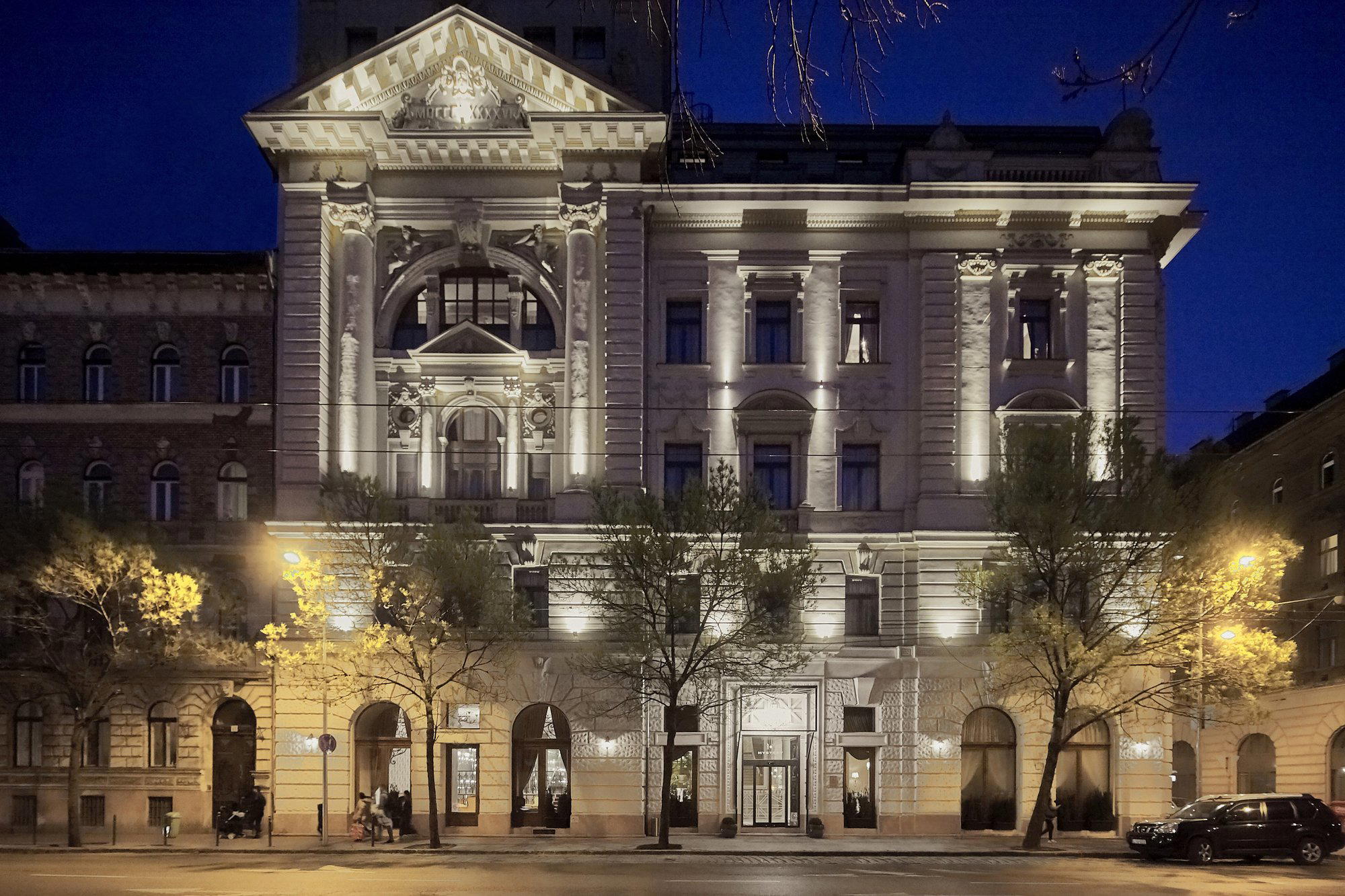
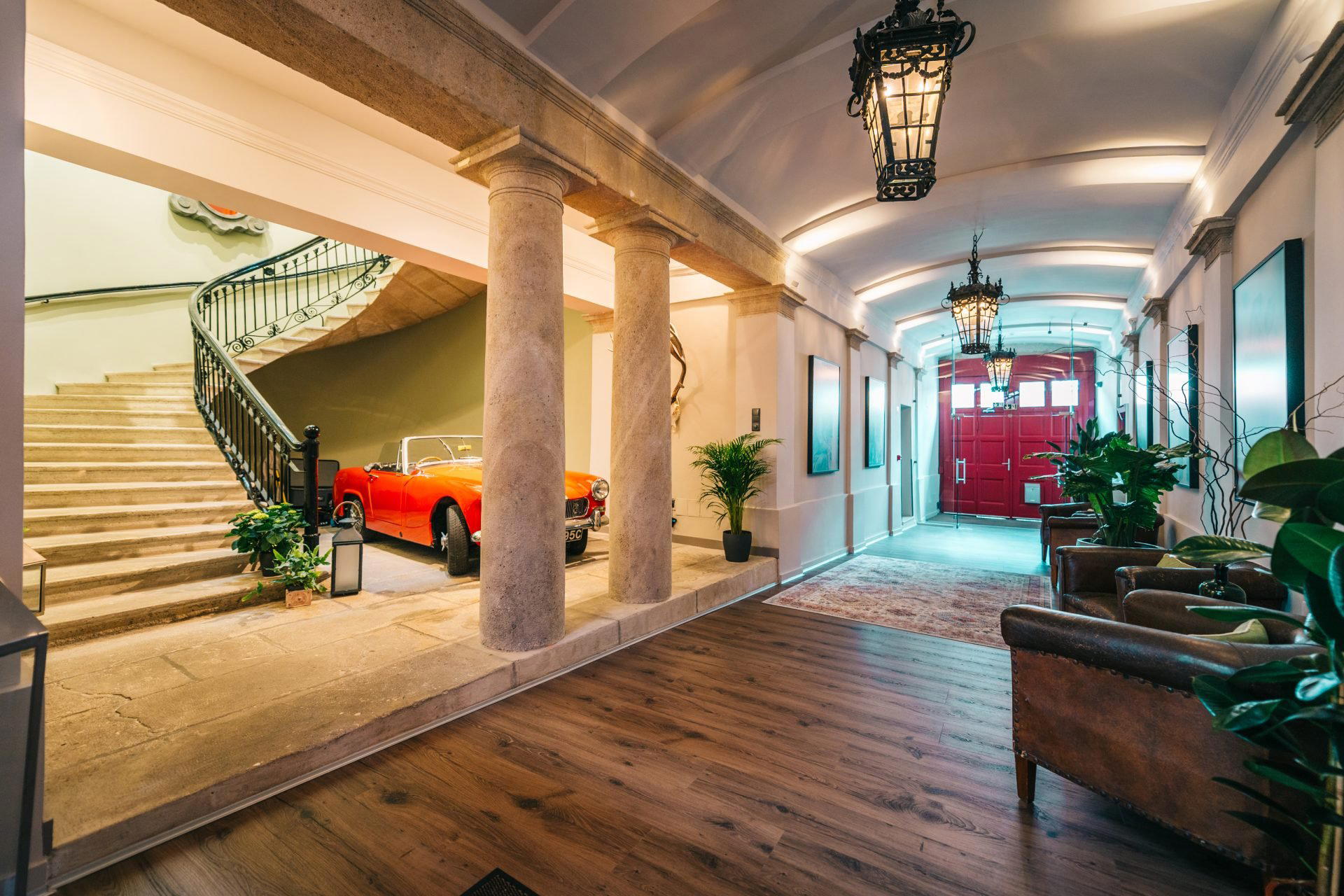
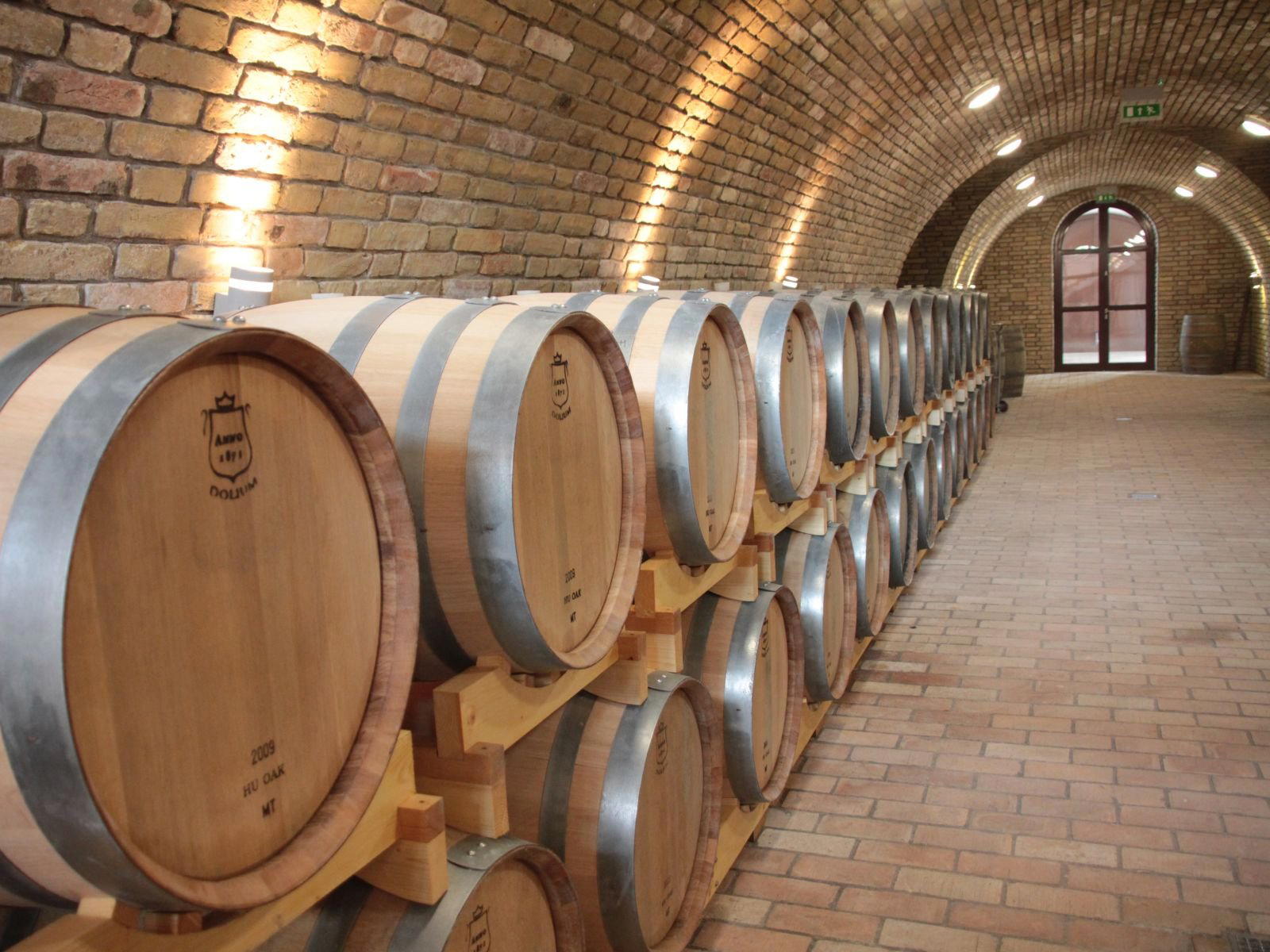
Far-reaching architecture combining modern design with historic 1783 cellar ambiance, featuring antique furnishings, open kitchens, and an inimitable atmosphere enhanced by live music performances Thursday-Saturday.