Baltazár Budapest occupies a centuries-old townhouse on Országház utca in the Castle District, where the address alone signals a specific tier of the city's dining scene. The kitchen operates within a tradition of central European hospitality that has been selectively updated over time, making it a useful reference point for understanding how Buda's oldest neighbourhood has repositioned itself for a more international audience.
Pearl is the En Primeur Club membership app — saves, bookings, and concierge access live there. Same editors, same standards.
- Address
- Budapest, Országház u. 31, 1014 Hungary
- Phone
- +3613007050
- Website
- zsidai.com
- Directions
- Get directions
 Saves & bookings on Pearl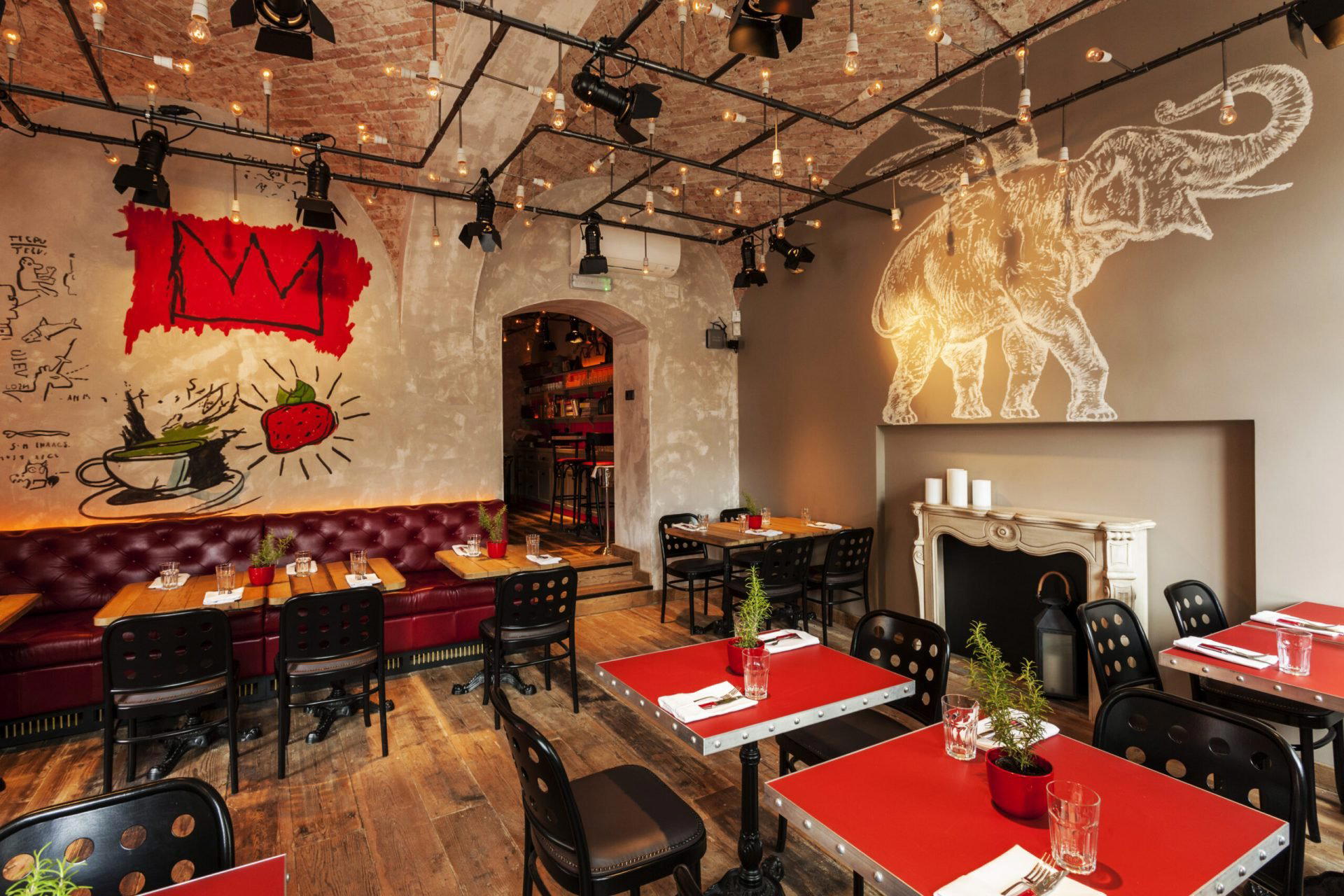
A Castle District Address and What It Means
The Castle District's hospitality offer has shifted considerably over the past two decades. What was once a circuit of tourist-facing restaurants serving goulash and Tokaji to coach-tour groups has gradually acquired a smaller layer of properties that position themselves against a different audience entirely. Baltazár Budapest is a restaurant in Budapest’s Castle District at Országház u. 31, a modern Hungarian grill with a casual dress code and reservations recommended. It sits within this reconfigured tier: a boutique hotel and restaurant combination in a building whose stone walls and narrow street context set the physical terms before you've read a menu. In a neighbourhood where the scenery can easily carry mediocre food, the more interesting operations are those that use the address as a platform rather than a crutch.
How the Castle District Dining Scene Has Shifted
To understand where Baltazár fits, it helps to map the evolution of Budapest's premium restaurant geography. Budapest's dining has historically been distributed across both Buda and Pest, but the higher density of ambitious kitchens, venues like Stand (€€€€ · Modern Cuisine), Babel (€€€€ · Modern Cuisine), and Costes (€€€€ · Modern Cuisine), sits in Pest. The Castle District, by contrast, has built its premium identity around a combination of heritage setting and hotel-integrated dining, where the accommodation product and the restaurant reinforce each other. That model has become more sophisticated since Budapest entered serious international travel conversations around 2010, and properties that haven't adapted to post-pandemic traveller expectations, higher technique, locally sourced ingredients, legible wine programs, have lost ground to those that have.
Baltazár's evolution follows this pattern. The property has tracked the city's broader shift toward a guest profile that compares it not to other Castle District options but to boutique hotel restaurants in Prague, Vienna, and Kraków. That is a different competitive pressure than it faced when the surrounding neighbourhood was operating at a lower baseline, and the kitchen's current direction reflects that recalibration.
The Room and What It Signals
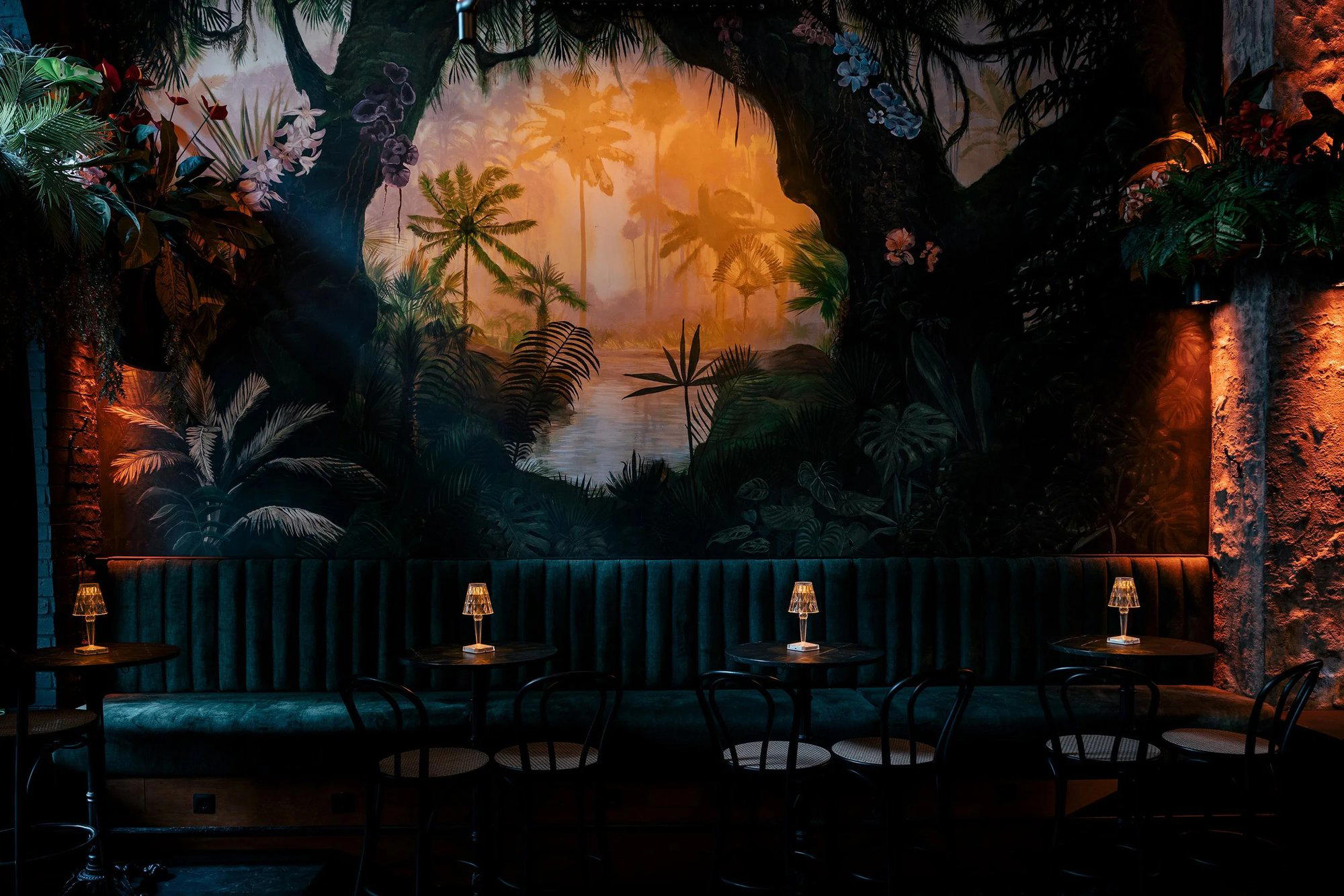
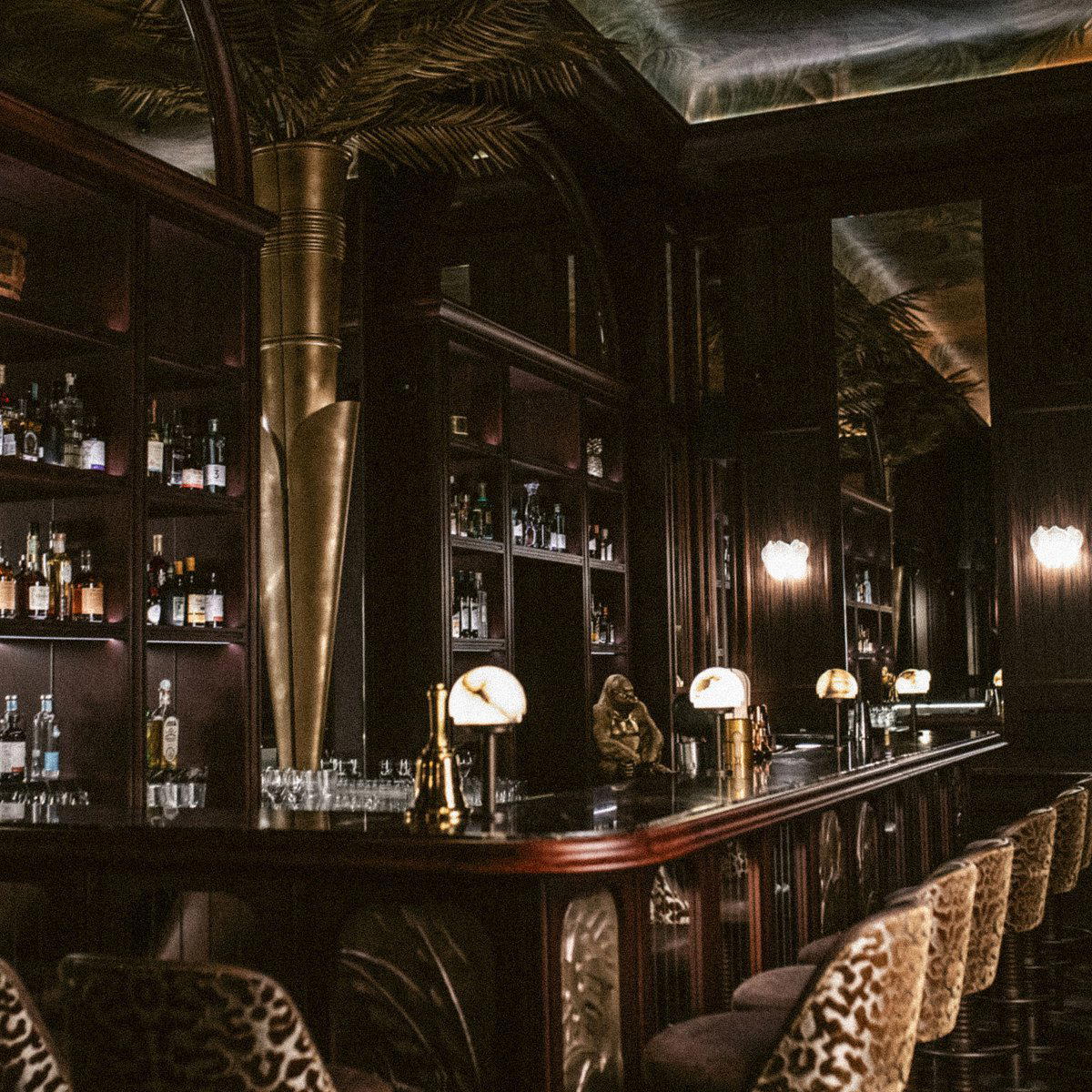
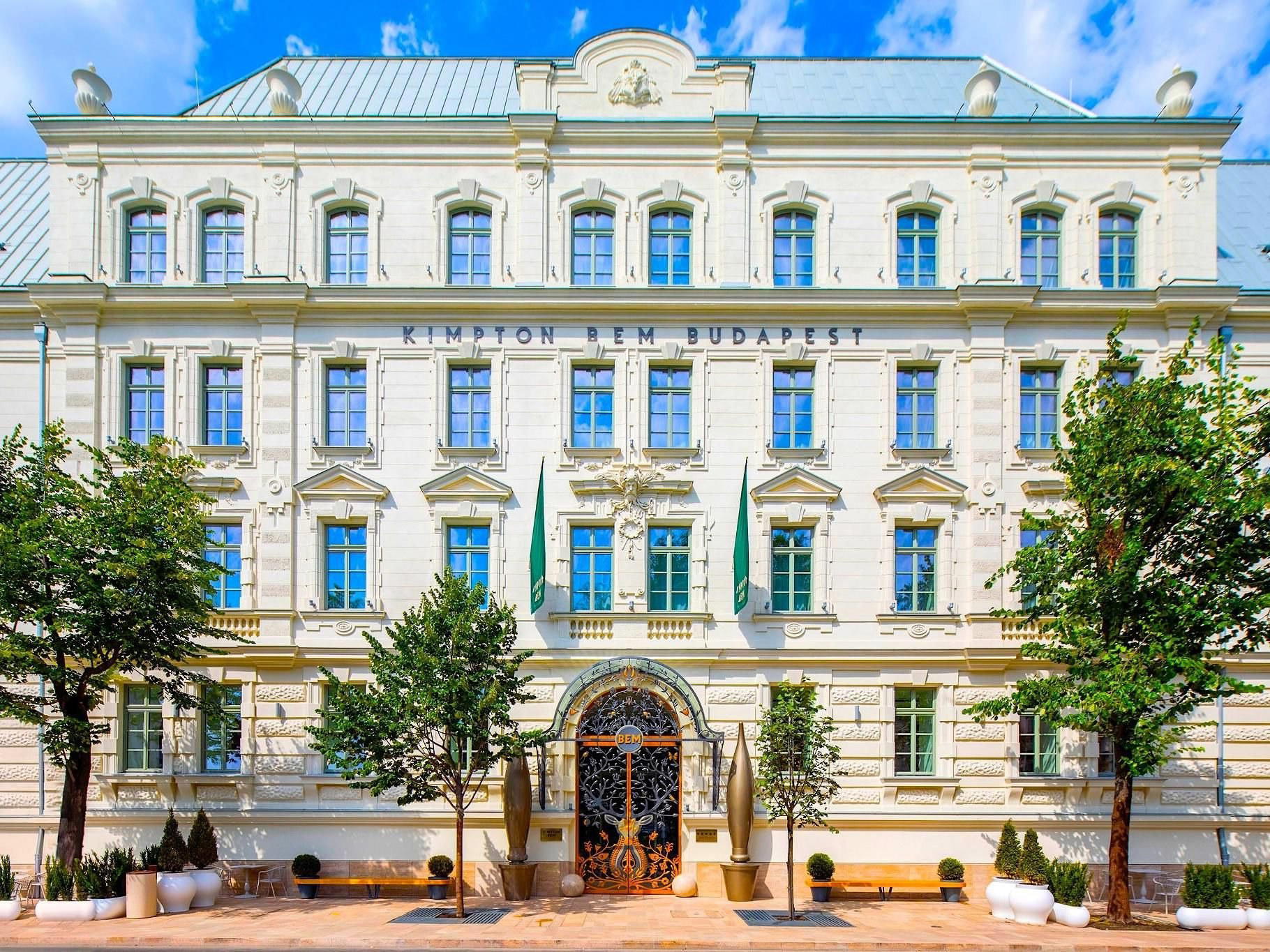
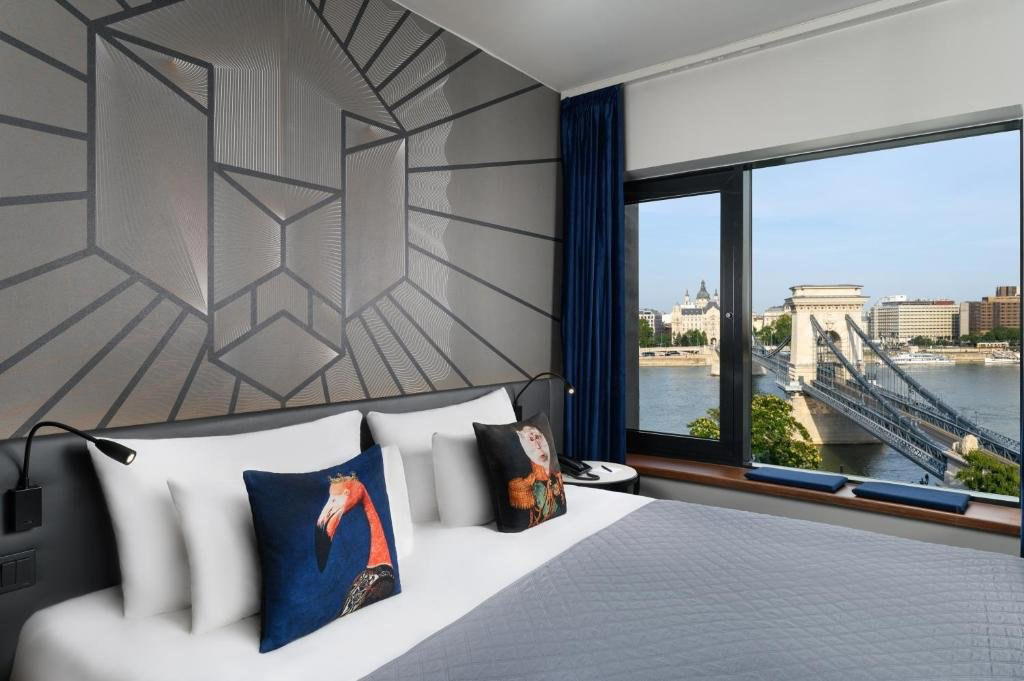
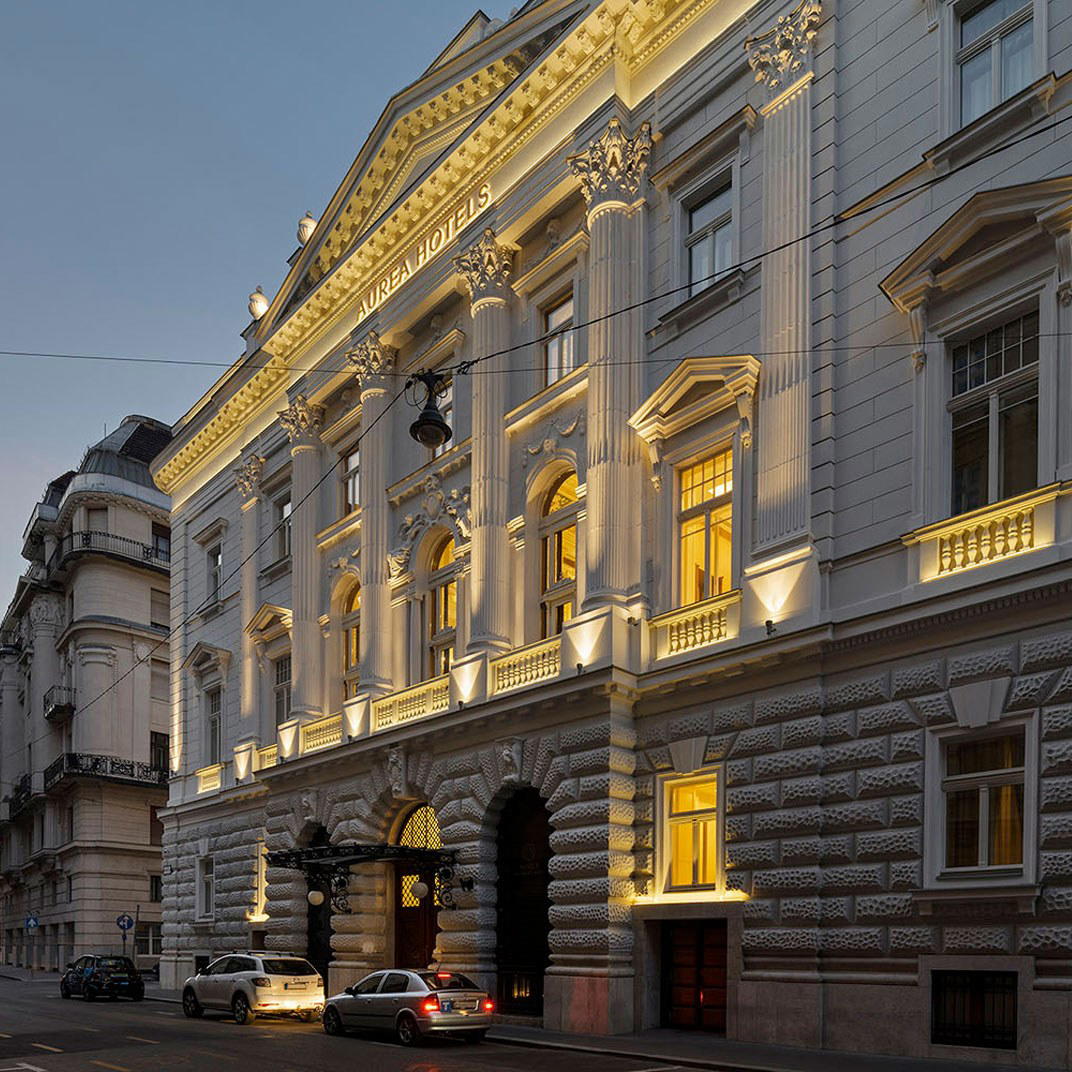
The physical environment at Baltazár does specific work. The building's age and the lane it occupies, narrow, cobbled, within walking distance of Matthias Church and the Fisherman's Bastion, establish a visual register that few Budapest restaurants can access. But the interior choices matter as much as the exterior: the degree to which a Castle District venue leans into period detail versus calibrated contemporary design tells you a great deal about which audience it has decided to prioritise. Properties that have undergone thoughtful reinvention in this neighbourhood tend to hold the architectural bones while editing out the heavier period pastiche, producing spaces that read as confident rather than preserved.
Where It Sits in Budapest's Broader Dining Tier
Budapest's restaurant scene is more stratified than it was even five years ago. At the upper end, venues competing for Michelin recognition or following Michelin-starred kitchens like Borkonyha Winekitchen (€€€ · Modern Cuisine) and essência (€€€€ · Modern Cuisine) operate with a distinct set of priorities: tasting menu formats, sommelier-led wine programs, sourcing narratives built around Hungarian producers. Hotel-integrated restaurants in the boutique tier occupy a slightly different position, they serve a more mixed audience of hotel guests and walk-in diners, which tends to push the menu toward a broader range of dishes and formats rather than a single fixed experience.
That breadth is itself a positioning choice. A restaurant that can serve a casual lunch, a wine-led dinner, and a private event within the same space is making a different argument about what dining in the Castle District should be. Compared to the focused tasting formats at the summit of Pest's scene, the hotel-restaurant model trades some menu intensity for range and accessibility. Whether that trade-off suits a given visit depends entirely on what the traveller is optimising for.
Outside Budapest, the regional scene has its own logic. Properties like Sauska 48 in Villány operate within wine country contexts that carry their own sourcing advantages, while Kővirág in Köveskál and Platán Gourmet in Tata represent the smaller-town gourmet format that has grown steadily over the past decade. Pajta in Őriszentpéter and Hosszú Tányér in Hosszúhetény extend that picture further. The contrast with Budapest's hotel-integrated dining makes the capital's offer clearer by comparison. Other points of reference beyond Hungary's borders include Le Bernardin in New York City and Lazy Bear in San Francisco, both of which illustrate how a distinctive format and clear identity can anchor a dining room's reputation over time.
Planning a Visit
Given the Castle District's restricted access and the concentration of tourism in the area, timing a visit to Baltazár involves more logistical thought than most central Pest restaurants. Dinner reservations on weekends in the high summer season, roughly June through August, benefit from advance booking, as the neighbourhood as a whole fills with visitors and walk-in options compress. The shoulder seasons of April to May and September to October offer a more measured pace, cooler temperatures for the cobbled streets, and typically better availability.
Other venues in and around Budapest worth cross-referencing include Teyföl in Szentendre for a day-trip dining option north of the city, Botanica in Dánszentmiklós for a countryside format, Öreg Prés in Mór for wine-region dining, Petrányi Csopak in Csopak for the Balaton shore, and Old Kőrössy Fish Restaurant in Szegedin for a regional specialty that reads differently once you've spent time in the capital.
Reputation Context
Comparable venues nearby, for context on price, style, and recognition.
| Venue | Cuisine | Price | Notes |
|---|---|---|---|
| Baltazár BudapestThis venue — the venue you are viewing | Modern Hungarian Grill | $$$ | Not listed |
| Symbol | Traditional Hungarian with Swabian & Jewish Influences | $$$ | Pasaret |
| Százéves Étterem | Traditional Hungarian | $$$ | Belvaros |
| Halászbástya | Modern Hungarian Fine Dining | $$$ | Varhegy |
| LEO Bistro | Modern Hungarian Bistro | $$$ | Varhegy |
| Riso Ristorante & Terrace | Traditional Italian with Risottos and Pizzas | $$$ | Varhegy |
Continue exploring
More in Budapest
Restaurants in Budapest
Browse all →
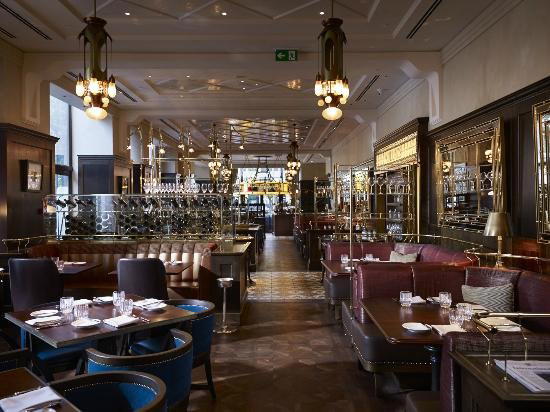
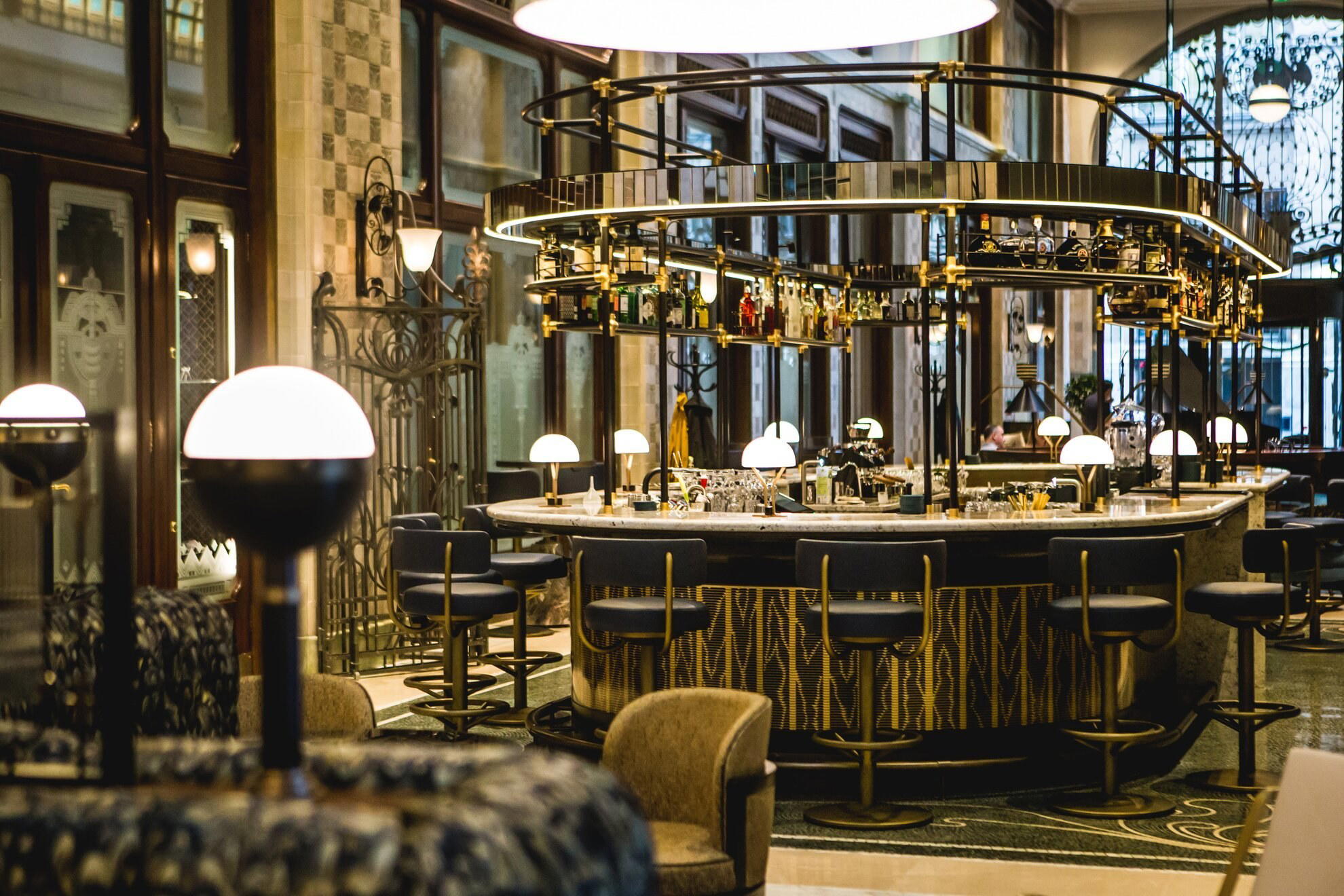
Bars in Budapest
Browse all →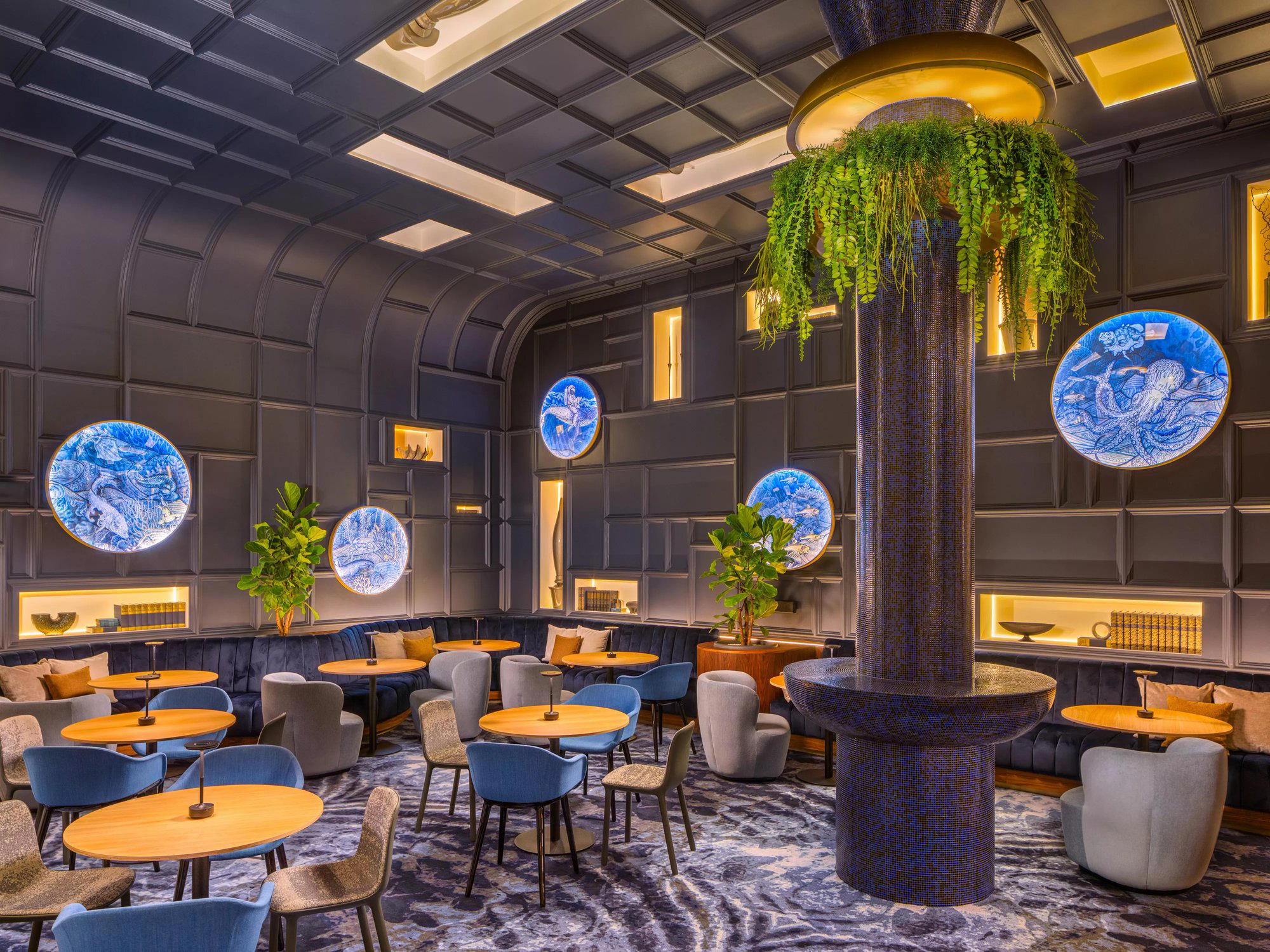
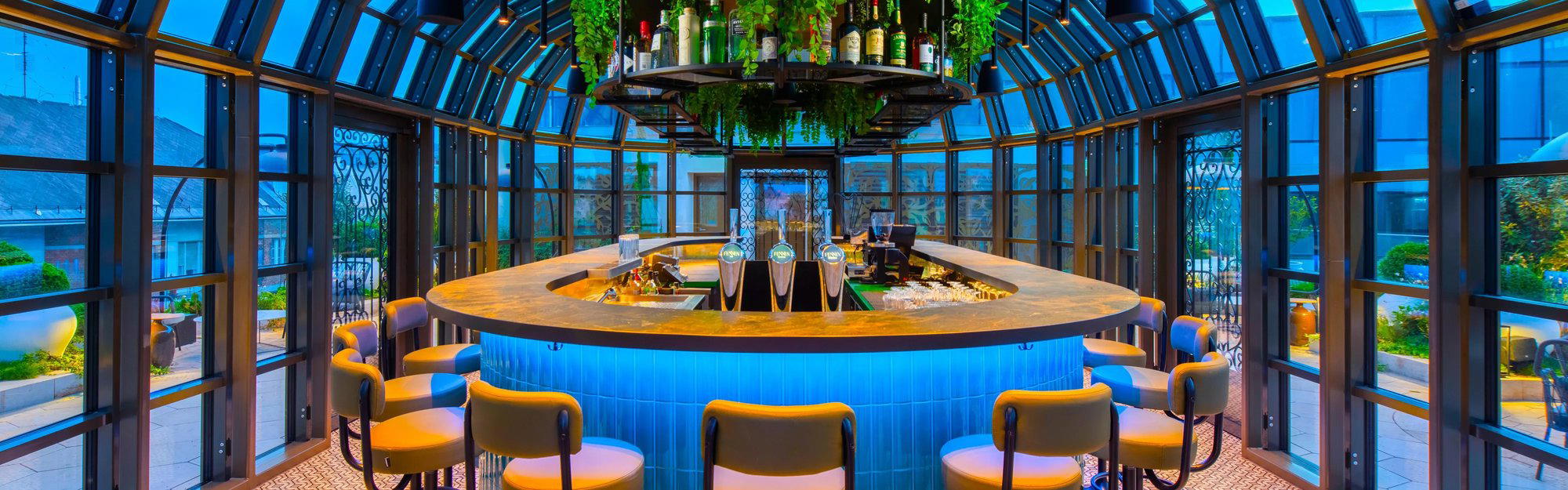
Hotels in Budapest
Browse all →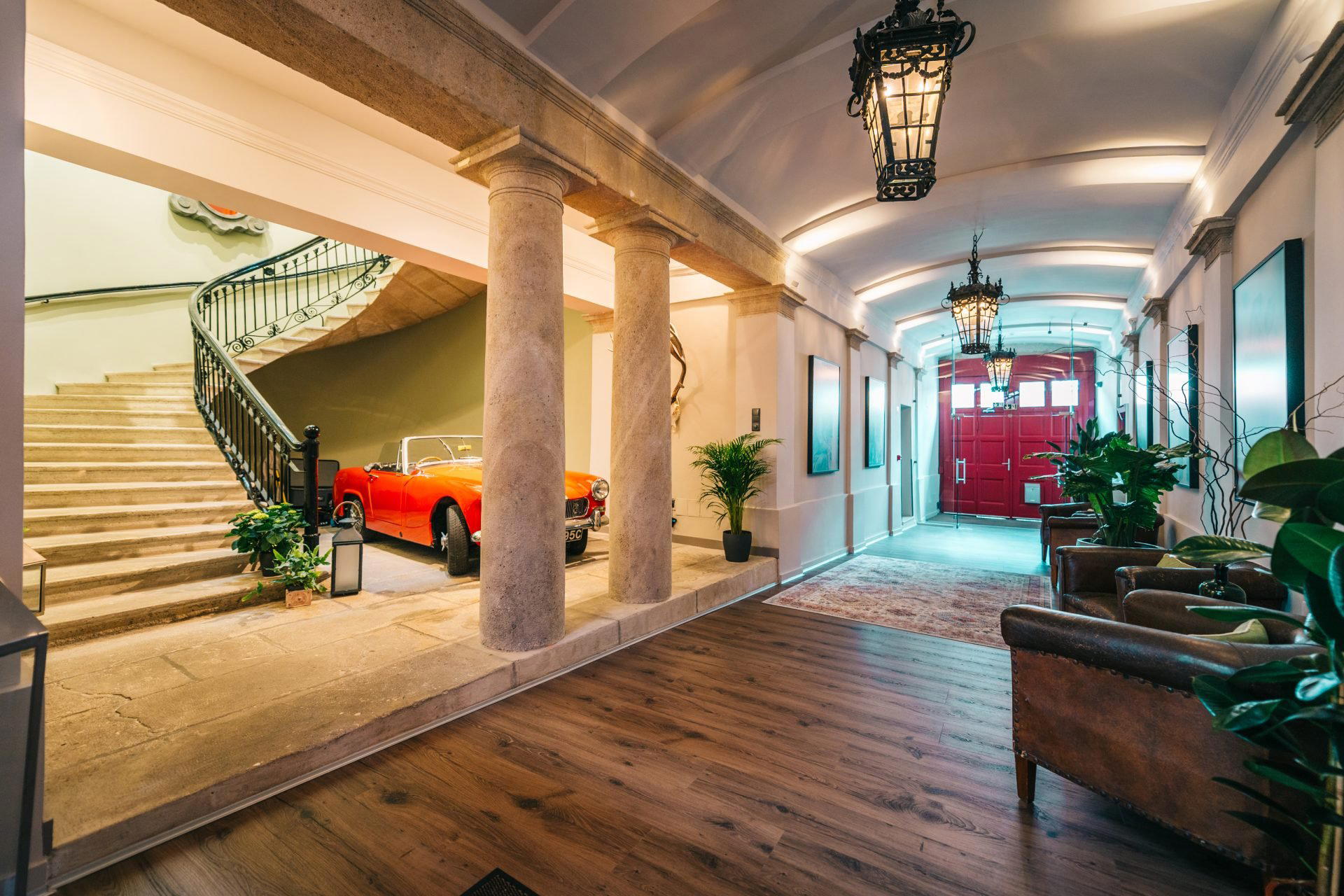

At a Glance
- Lively
- Cozy
- Elegant
- Historic
- Date Night
- Group Dining
- Casual Hangout
- Brunch
- Terrace
- Historic Building
- Open Kitchen
- Hotel Restaurant
- Extensive Wine List
- Local Sourcing
- Street Scene
Current opening hours
- Monday
- 7:30 AM–10 PM
- Tuesday
- 7:30 AM–10 PM
- Wednesday
- 7:30 AM–10 PM
- Thursday
- 7:30 AM–10 PM
- Friday
- 7:30 AM–10 PM
- Saturday
- 7:30 AM–10 PM
- Sunday
- 7:30 AM–10 PM
Hours can change for holidays and private events. Last verified .
Warm, friendly, and understated with a lively social hub atmosphere, cozy interior, and romantic cobbled terrace.