Sylvestre
Sylvestre sits in the Santa Fe commercial district of Mexico City, a dining room that aligns with the growing conversation around ethical sourcing and environmental accountability in Mexican fine dining. Its address in the Vasco de Quiroga corridor places it within a business-heavy neighbourhood that has quietly developed a more considered restaurant culture, making it a relevant stop for anyone tracking sustainability-minded dining across the capital.
Pearl is the En Primeur Club membership app — saves, bookings, and concierge access live there. Same editors, same standards.
- Address
- Vía Santa Fe, Local 1807 Av. 3800, 05109, Vasco de Quiroga 3800, Cuajimalpa de Morelos, 05109 Ciudad de México, CDMX, Mexico
- Phone
- +525596885549
- Website
- sylvestre.mx
- Directions
- Get directions
 Saves & bookings on Pearl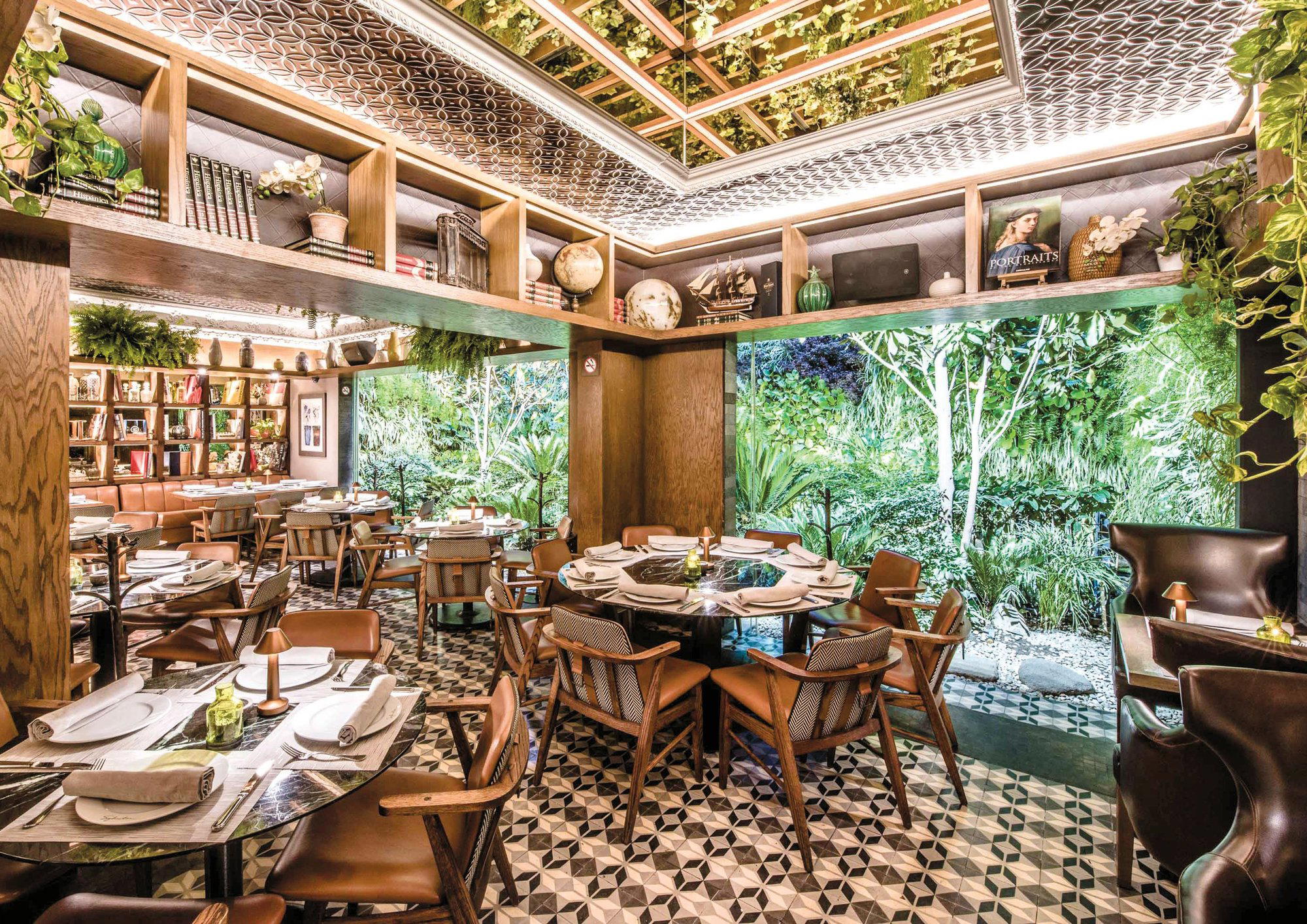
Santa Fe's Quieter Dining Argument
Mexico City's fine dining conversation tends to circle the same coordinates: Polanco's tasting-menu circuit, Roma Norte's natural wine bars, Condesa's all-day bistros. Santa Fe, the capital's western business district, rarely enters that conversation at the same volume, which means restaurants operating there are making a different kind of argument. Sylvestre, a Mexican-Argentinian Fusion Grill in Mexico City’s Santa Fe district, exists in that quieter register. It serves a clientele that is largely corporate on weekdays and more deliberately curious on weekends, and the pressure that creates, to hold attention beyond the expense-account occasion, has pushed restaurants in this district toward more considered programming.
Across Mexico, a specific tier of restaurant has emerged in the past decade that frames its entire operation around supply chain accountability: where ingredients originate, how far they travel, whether the farmers and producers involved are compensated at rates that sustain their practice. You see this at Animalón in Valle de Guadalupe, where the surrounding agricultural land is part of the proposition, and at Olivea Farm to Table in Ensenada, where the Baja California growing season structures the menu's rhythm. Sylvestre positions itself within that same current, though it does so from an urban address rather than a rural one, which changes both the logistics and the visual language of that commitment.
The Sustainability Framework in Mexican Urban Dining
Environmental consciousness in Mexico City's restaurant scene has moved past aesthetic signalling. The early phase of farm-to-table rhetoric in the capital, roughly 2015 to 2019, produced menus with producer names listed as decoration rather than as genuine supply accountability. The more recent wave is harder and more operational: documented sourcing relationships, reduced waste protocols that affect how kitchens are structured, and menus that change not on a chef's creative whim but on what producers can actually deliver at a given point in the season.
This shift is visible across the country. Levadura de Olla in Oaxaca works within indigenous ingredient traditions that are inherently low-waste and regionally grounded. KOLI Cocina de Origen in Monterrey has built its identity around northern Mexican producers and has been explicit about the traceability of its sourcing. In the Yucatán, Huniik in Merida draws from regional biodiversity in ways that reinforce local agricultural continuity. Sylvestre enters this conversation from Mexico City's west, where the infrastructure challenges of urban sourcing, longer supply chains, more complex logistics, and less direct access to farms, make the commitment more operationally demanding rather than less.
The international comparison is instructive. At Le Bernardin in New York City, sustainability has long been embedded in seafood sourcing at a technical level, with documented supplier relationships and certification frameworks. At Atomix in New York City, the approach is more about ingredient philosophy and waste reduction through whole-utilisation techniques. Mexican restaurants approaching this question are doing so with different constraints: a national agricultural system that is extraordinarily biodiverse but unevenly formalised, and a restaurant culture that is still negotiating what certification and accountability actually look like in practice.
Where Sylvestre Sits in Mexico City's Competitive Field
Mexico City's most-discussed sustainability-conscious restaurants tend to cluster in established fine dining neighbourhoods. Pujol has embedded Mexican ingredient archaeology into its format for years, treating pre-Hispanic and indigenous pantries as the ethical and creative foundation of contemporary cooking. Quintonil has built a reputation around native greens and foraged ingredients, sourcing with enough specificity that individual producers are part of the restaurant's public narrative. Sud 777 has spent over a decade developing its own kitchen garden and local sourcing network in Pedregal. Em operates in a similarly committed register, with a menu architecture that follows Mexican seasonality closely.
Sylvestre, operating from Santa Fe, is not competing directly with Polanco's tasting-menu tier. Its position is closer to Rosetta in terms of neighbourhood function: a restaurant that holds serious culinary intention within a district that could otherwise settle for convenience dining. That positioning, serving a local community with genuine editorial ambition rather than chasing destination-diner traffic, is increasingly where the more durable sustainability-minded restaurants operate. The commitment is tested daily by a neighbourhood audience rather than validated periodically by visiting critics.
For broader context on where Sylvestre fits within the capital's restaurant geography, the full Mexico City restaurants guide maps the city's dining tiers across neighbourhoods. Restaurants like Alcalde in Guadalajara, Pangea in San Pedro Garza Garcia, HA' in Playa del Carmen, Le Chique in Puerto Morelos, and Lunario in El Porvenir are part of the same national conversation about what serious Mexican dining looks like outside the capital's most-documented corridors.
The Santa Fe Dining Environment
The Vasco de Quiroga corridor is not a dining destination in the way that Roma or Condesa are. It is a business district with a significant daytime population and a restaurant scene that has historically skewed toward volume and speed. What has changed gradually is that a subset of residents and regular visitors to the area, particularly those based in the towers and corporate campuses that define the district, have created enough consistent demand for more deliberate cooking. Sylvestre's address within the Vía Santa Fe complex places it inside a built environment that is architecturally corporate, which makes the case for sustainability-minded cooking a more unusual editorial claim than it would be in a neighbourhood already associated with culinary credibility.
This is, where such a commitment matters more. Restaurants in Roma Norte or Condesa making sustainability claims are speaking to an audience already predisposed to receive them. A restaurant making the same argument in Santa Fe is doing so in a context where convenience dining dominates and where the audience is largely arriving out of proximity rather than destination intent. Converting that audience, or at least holding its attention with genuine quality, is the harder and more interesting work.
Planning Your Visit
Location: Vía Santa Fe, Local 1807, Vasco de Quiroga 3800, Cuajimalpa de Morelos, Mexico City. The address sits within the Vía Santa Fe shopping and commercial complex in the western Santa Fe district. Opening hours are Monday to Wednesday from 1 to 11 PM, Thursday to Saturday from 1 PM to 1 AM, and Sunday from 1 to 7 PM. Getting There: Santa Fe is most practically reached by car or rideshare from central Mexico City neighbourhoods; the Observatorio metro station connects to the area via feeder routes but adds travel time from the city centre. Timing: Weekday lunch sees the heaviest corporate traffic; weekend dinner is likely to offer a more relaxed pace and a more mixed clientele. Reservations: Recommended. Dress: Santa Fe's business district context suggests smart casual as a baseline.
City Peers
Comparable venues nearby, for context on price, style, and recognition.
| Venue | Cuisine | Price | Notes |
|---|---|---|---|
| SylvestreThis venue — the venue you are viewing | Mexican-Argentinian Fusion Grill | $$$ | Not listed |
| Tetetlán | Modern Mexican | $$$ | Puente Sierra |
| La Imperial - Virreyes | Traditional Mexican Cantina | $$$ | Molino Del Rey |
| La Imperial - Reforma | Traditional Mexican Cantina | $$$ | Nva Anzures |
| LORENZO | Contemporary Mexican | $$$ | Hipodromo de la Condesa |
| Azul Condesa | Traditional Mexican Ancestral Cuisine | $$$ | Hipodromo |
Continue exploring
More in Mexico City
Restaurants in Mexico City
Browse all →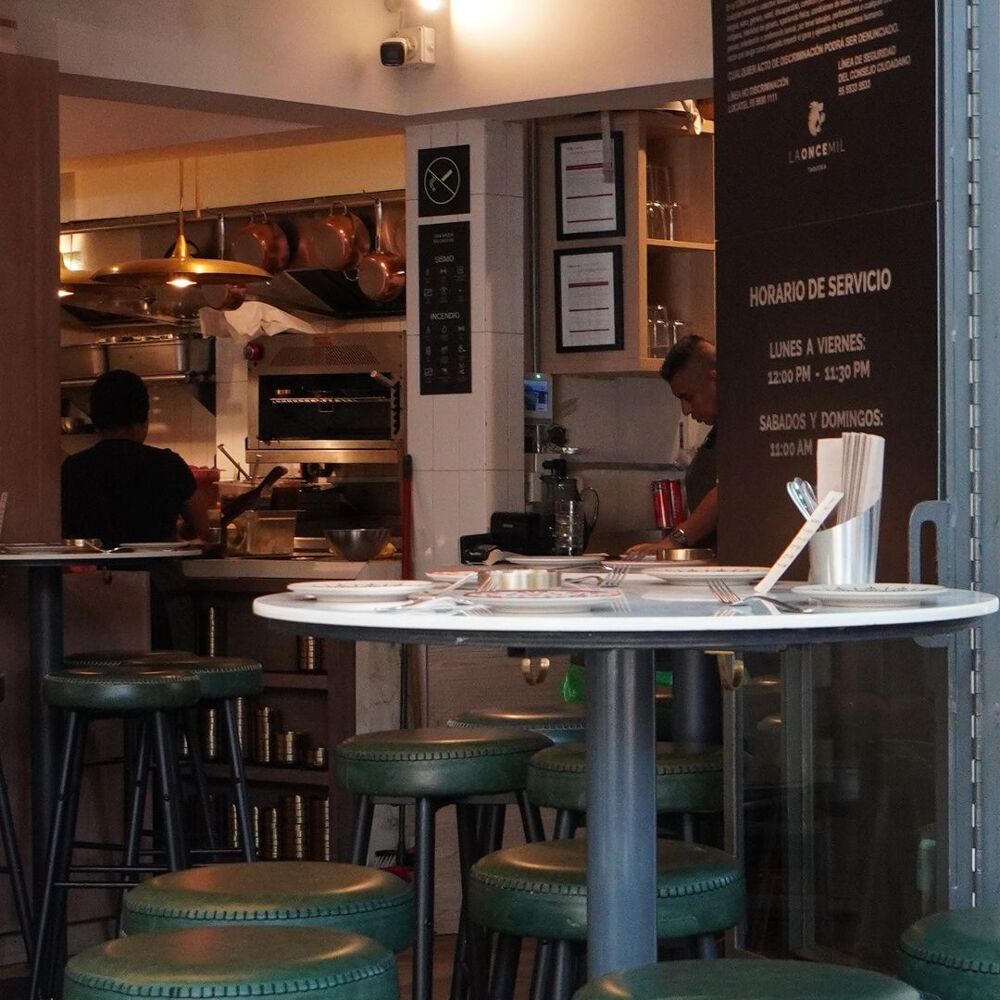
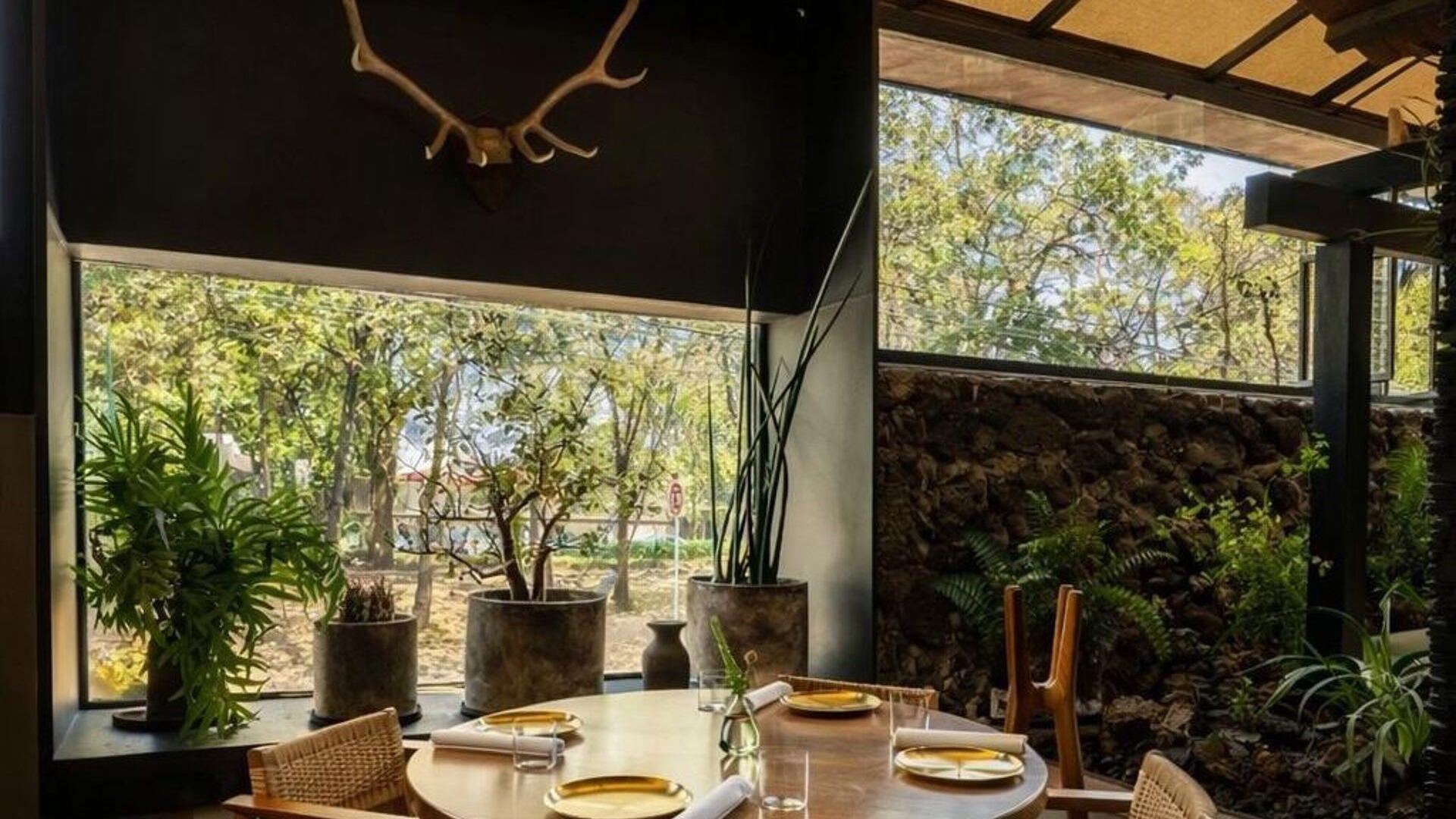
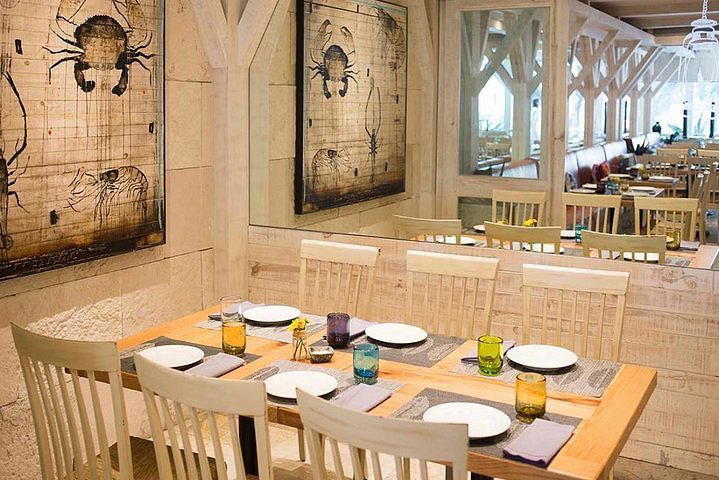
Bars in Mexico City
Browse all →




At a Glance
- Elegant
- Sophisticated
- Cozy
- Business Dinner
- Date Night
- Special Occasion
- Terrace
- Private Dining
- Extensive Wine List
- Craft Cocktails
Current opening hours
- Monday
- 1–11 PM
- Tuesday
- 1–11 PM
- Wednesday
- 1–11 PM
- Thursday
- 1 PM–1 AM
- Friday
- 1 PM–1 AM
- Saturday
- 1 PM–1 AM
- Sunday
- 1–7 PM
Hours can change for holidays and private events. Last verified .
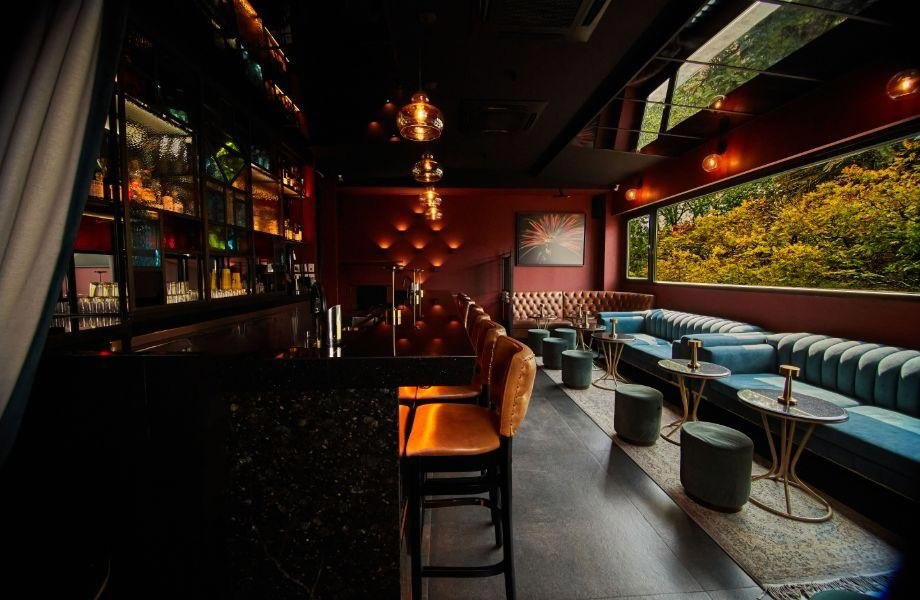
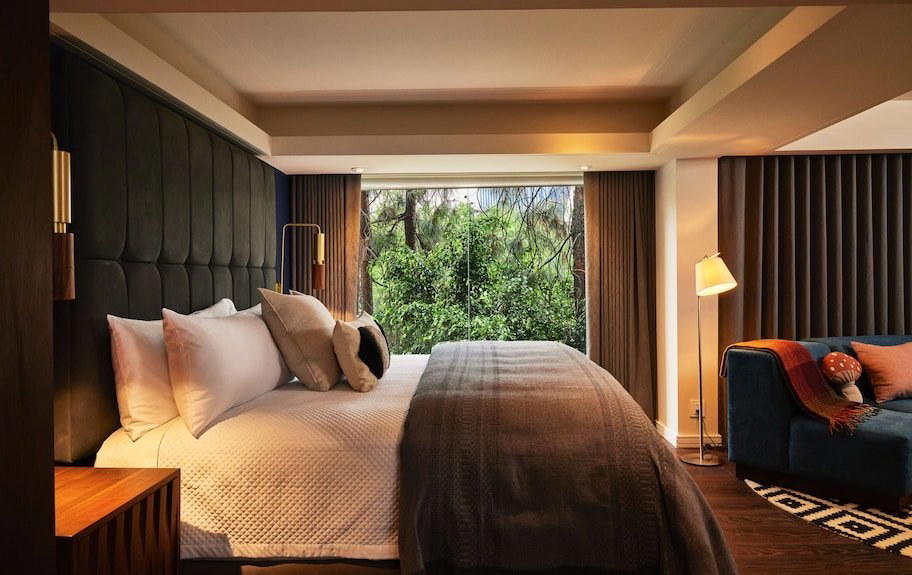
Cozy and elegant atmosphere with distinguished decor featuring petrified wooden bars, pleasant lighting, and a lively yet inviting vibe across multiple connected rooms and a large terrace.