Tetetlán
Our verdict
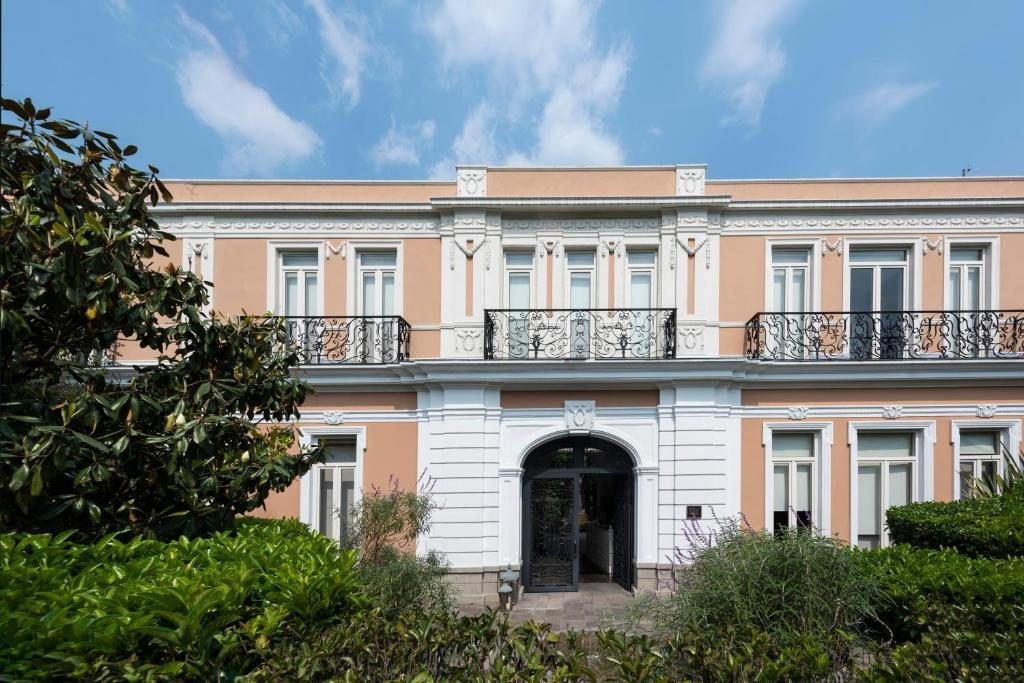
Tetetlán operates from a residential address in Jardines del Pedregal, one of Mexico City's quieter southern districts, placing it at a deliberate remove from the Polanco and Roma corridors where the city's dining attention is typically concentrated. The restaurant engages with Mexican culinary tradition through a menu structure that rewards close reading, making it a reference point for how the capital's serious dining scene extends beyond its most visible postcodes.

Pearl is the En Primeur Club membership app — saves, bookings, and concierge access live there. Same editors, same standards.
- Address
- Av. de Las Fuentes 180 - B, Jardines del Pedregal, Álvaro Obregón, 01900 Ciudad de México, CDMX, Mexico
- Phone
- +52 55 5668 5335
- Hours
- Mon–Wed 7 AM–11:45 PMThu–Sat 7 AM–1 AMSun 7 AM–11:45 PM
- Website
- tetetlan.com
- Directions
- Get directions
The menu
What to order
- Avocado pizza
- Passion fruit ceviche
- Tatemada carrots
South of the Noise: Jardines del Pedregal and What It Signals
Mexico City's serious dining conversation defaults, almost reflexively, to a triangle drawn between Polanco, Roma, and Condesa. Restaurants in those corridors benefit from foot traffic, international press cycles, and proximity to the hotels where visiting critics tend to stay. Jardines del Pedregal, the residential district in the city's southwestern quadrant where Tetetlán operates, is not part of that triangle. The neighbourhood occupies volcanic rock terrain developed mid-century as a planned garden suburb, and it has never acquired the kind of dense restaurant culture that makes a district self-promoting. A restaurant choosing to operate at Av. de Las Fuentes 180-B is making an implicit argument: that the food is the reason to come, and that the address is not. In a city where location functions as both marketing and social signal, that argument is its own form of positioning. For context on where Tetetlán sits relative to the wider Mexico City scene, see our full Mexico City restaurants guide.
Reading the Menu as Architecture
The editorial angle that matters most at Tetetlán is not which ingredients appear on the plate, but how the menu is constructed as a document. Mexico City's top tier of contemporary restaurants tends to organise menus around one of two competing logics. The first, exemplified by places like Pujol and Quintonil, is the evolution-of-tradition format: a tasting sequence that moves from pre-Hispanic reference points through colonial-era technique into something the restaurant frames as distinctly contemporary Mexican. The second logic, visible at spots like Em, is the abbreviated counter-led menu where the kitchen's decision-making is foregrounded and the diner surrenders choice to the chef's sequence. Tetetlán's menu architecture, operating in a residential setting removed from those competitive pressures, does not need to perform for the same audience. That physical and conceptual distance from the city's most scrutinised addresses tends to produce a more considered structure: one where dishes are not arranged to signal ambition to a first-time international visitor, but to communicate something to a diner who has already moved past spectacle.
Mexican cuisine's formal structure, at its most disciplined, follows a logic of temperature, texture, and preparation method that predates European menu conventions. A well-composed Mexican menu will move through raw preparations, masa-based intermediaries, slow-cooked or braised centrepieces, and sweet or acid finishers in a sequence that builds without overwhelming. Whether Tetetlán adheres strictly to that architecture or cuts across it is detail we cannot confirm from public record. What the location signals, however, is a kitchen operating for a neighbourhood clientele with developed palates rather than for the tourism and media circuit. That context shapes what a menu can afford to do and what it does not need to justify.
Where Tetetlán Sits in the Competitive Set
Mexico City's restaurant market has stratified considerably over the past decade. The upper bracket, anchored by the handful of restaurants with Latin America's 50 Best recognition, operates at price points and booking lead times that position them closer to destination dining than neighbourhood eating. A second tier, which includes ambitious but less-exposed addresses, serves a primarily local clientele willing to pay for serious cooking without the premium attached to international brand recognition. Sud 777 and Rosetta each occupy specific corridors within that second tier, the former in southern Pedregal territory, the latter in Roma. Tetetlán's positioning in Jardines del Pedregal places it in a similar southern orbit to Sud 777, though the districts, clientele, and culinary reference points are distinct enough that direct comparison is imprecise.
Across Mexico's broader fine-dining geography, the conversation about regional technique and local sourcing has spread well beyond the capital. Restaurants like Alcalde in Guadalajara, KOLI Cocina de Origen in Monterrey, and Levadura de Olla in Oaxaca each ground their menus in the specific agricultural and culinary identity of their region. Mexico City, as a capital that absorbs rather than originates regional identity, produces restaurants that must be deliberate about which traditions they claim. A restaurant in Pedregal, away from the prestige addresses, has more room to make that claim without performing it for external validation. Further afield, the Baja California corridor, represented by addresses like Animalón in Valle de Guadalupe and Olivea Farm to Table in Ensenada, has built a distinct identity around open-fire technique and coastal sourcing that contrasts with the more urbane, technique-led cooking of the capital's serious restaurants. Coastal operators like HA' in Playa del Carmen, Le Chique in Puerto Morelos, and Arca in Tulum extend the country's fine dining conversation into the Caribbean coast. Pangea in San Pedro Garza García and Lunario in El Porvenir round out the northern tier. Internationally, restaurants built around similarly deliberate tasting formats and removed-from-spectacle premises include Lazy Bear in San Francisco and, at the technical extreme, Le Bernardin in New York City.
Planning a Visit
Jardines del Pedregal is not a walkable dining district, and the standard approach from central Mexico City involves either a taxi or a ride-share from Roma or Polanco, typically 25 to 40 minutes depending on traffic conditions. The neighbourhood sits near the Periférico, which makes it accessible from the south of the city as well. de Las Fuentes before planning travel. Dress expectations in this kind of residential setting tend toward smart-casual rather than formal, consistent with a clientele of neighbourhood regulars rather than occasion-driven tourists, though this cannot be confirmed without direct contact. For visitors building a multi-day Mexico City dining itinerary, pairing Tetetlán with addresses in Roma or Condesa the same visit is logistically awkward; it works better as a standalone southern excursion.
Frequently asked questions
What dish is Tetetlán famous for?
Is Tetetlán reservation-only?
What's the standout thing about Tetetlán?
How does Tetetlán handle allergies?
Is Tetetlán worth the price?
What kind of diner is Tetetlán most suited for, and how does it compare to Mexico City's more prominent addresses?
Cuisine and Recognition
A compact comparison to help you place this venue among nearby peers.
| Venue | Cuisine | Price | Awards | Notes |
|---|---|---|---|---|
| TetetlánThis venue — the venue you are viewing | Modern Mexican | $30–50 | Not listed | Not listed |
| Pujol | Modern Mexican Fine Dining | $200–300 | 2 Michelin Stars · World's 50 Best #60 | Mexican |
| Quintonil | Modern Mexican Fine Dining | $300–500 | 2 Michelin Stars · World's 50 Best #7 | Modern Mexican, Contemporary |
| Rosetta | Mexican-Italian Fusion Fine Dining | $30–50 | 1 Michelin Star · World's 50 Best #39 | Italian, Creative |
| Em | Modern Japanese-Mexican Fusion | $200–300 | 1 Michelin Star · World's 50 Best #71 | Mexican |
| Comedor Jacinta | Traditional Mexican | Not listed | Michelin Bib Gourmand | Mexico, Mexican |
Continue exploring
More in Mexico City
Restaurants in Mexico City
Browse all →
Bars in Mexico City
Browse all →

Details
- Trendy
- Modern
- Elegant
- Well Known
- Brunch
- Date Night
- Family
- Casual Hangout
- Open Kitchen
- Design Destination
- Historic Building
- Craft Cocktails
- Local Sourcing
- A La Carte
- Small Plates
- Family Style
- Vegetarian Friendly
- Vegan Options
- Gluten Free Options
Current opening hours
- Monday
- 7 AM–11:45 PM
- Tuesday
- 7 AM–11:45 PM
- Wednesday
- 7 AM–11:45 PM
- Thursday
- 7 AM–1 AM
- Friday
- 7 AM–1 AM
- Saturday
- 7 AM–1 AM
- Sunday
- 7 AM–11:45 PM
Hours can change for holidays and private events. Last verified .
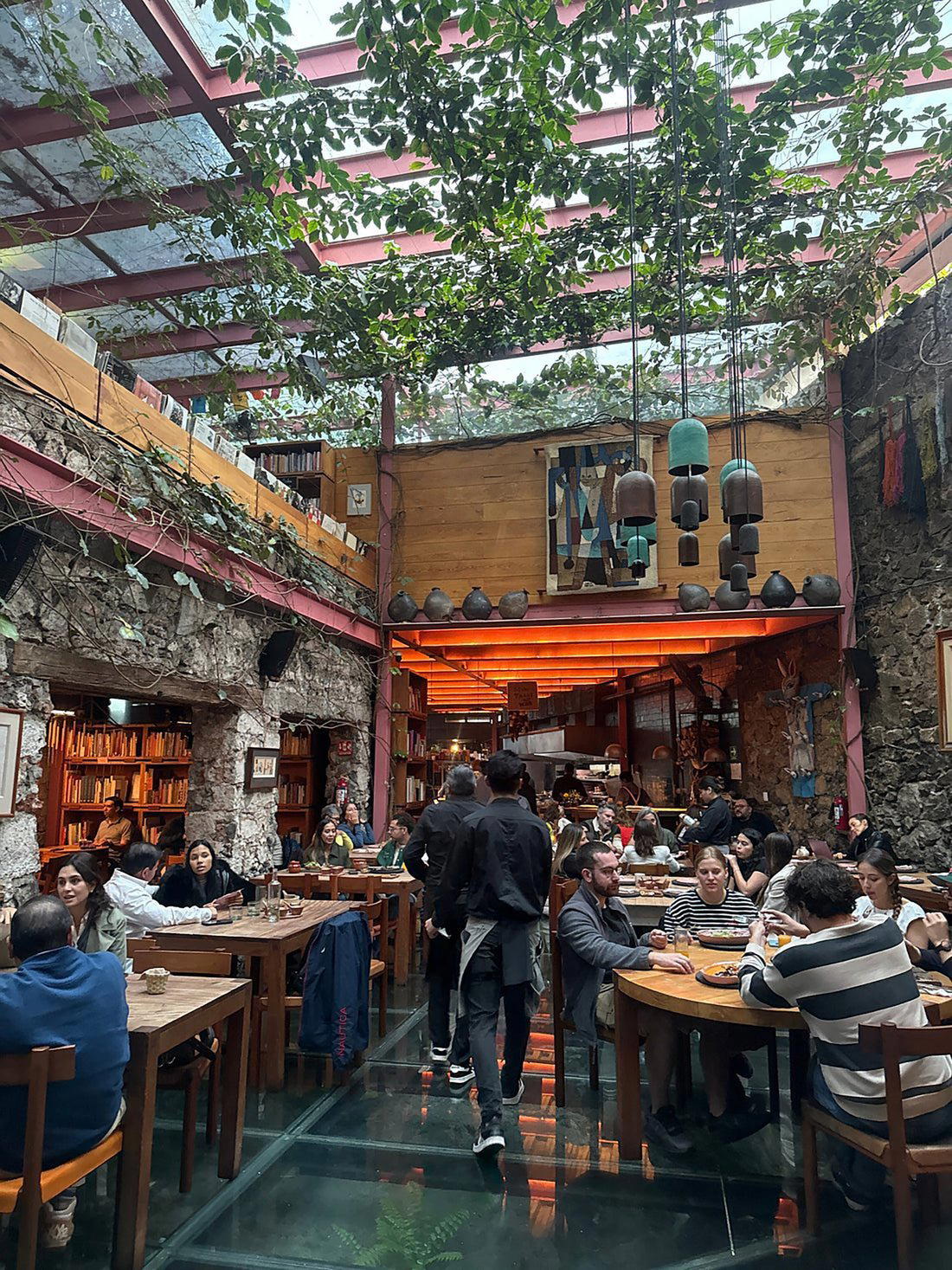
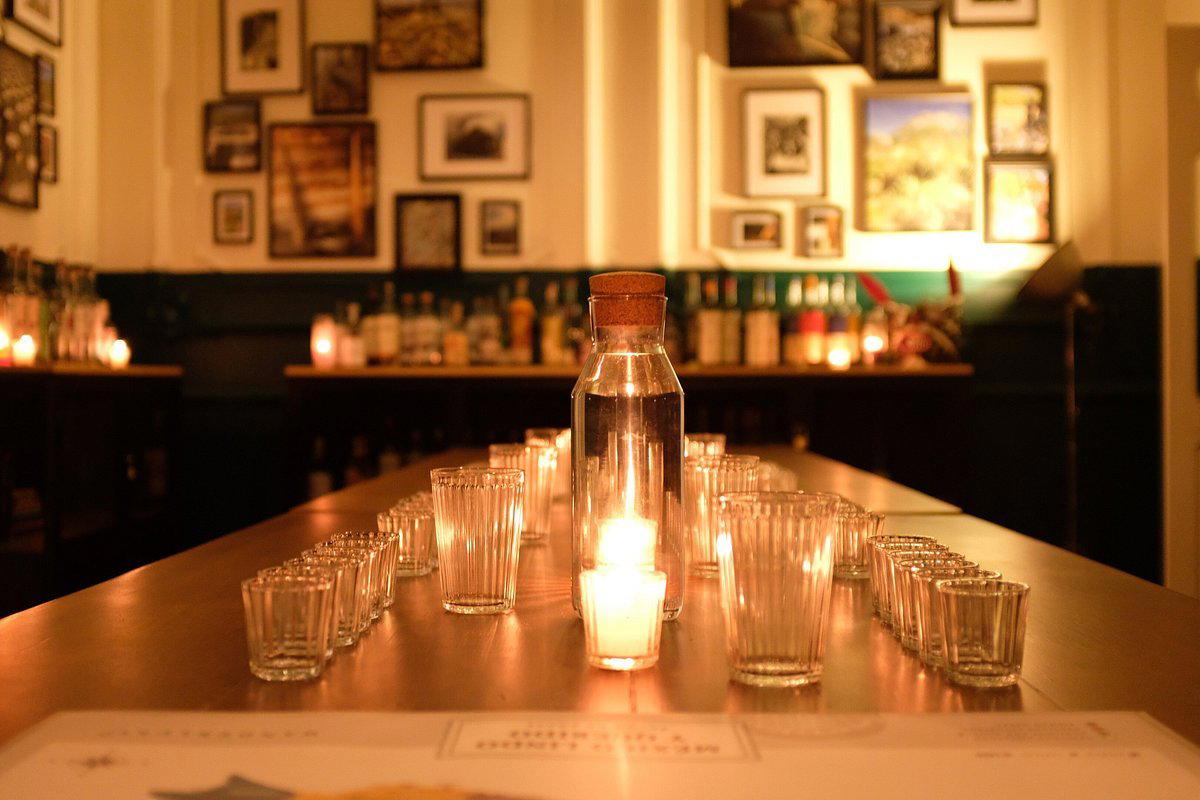
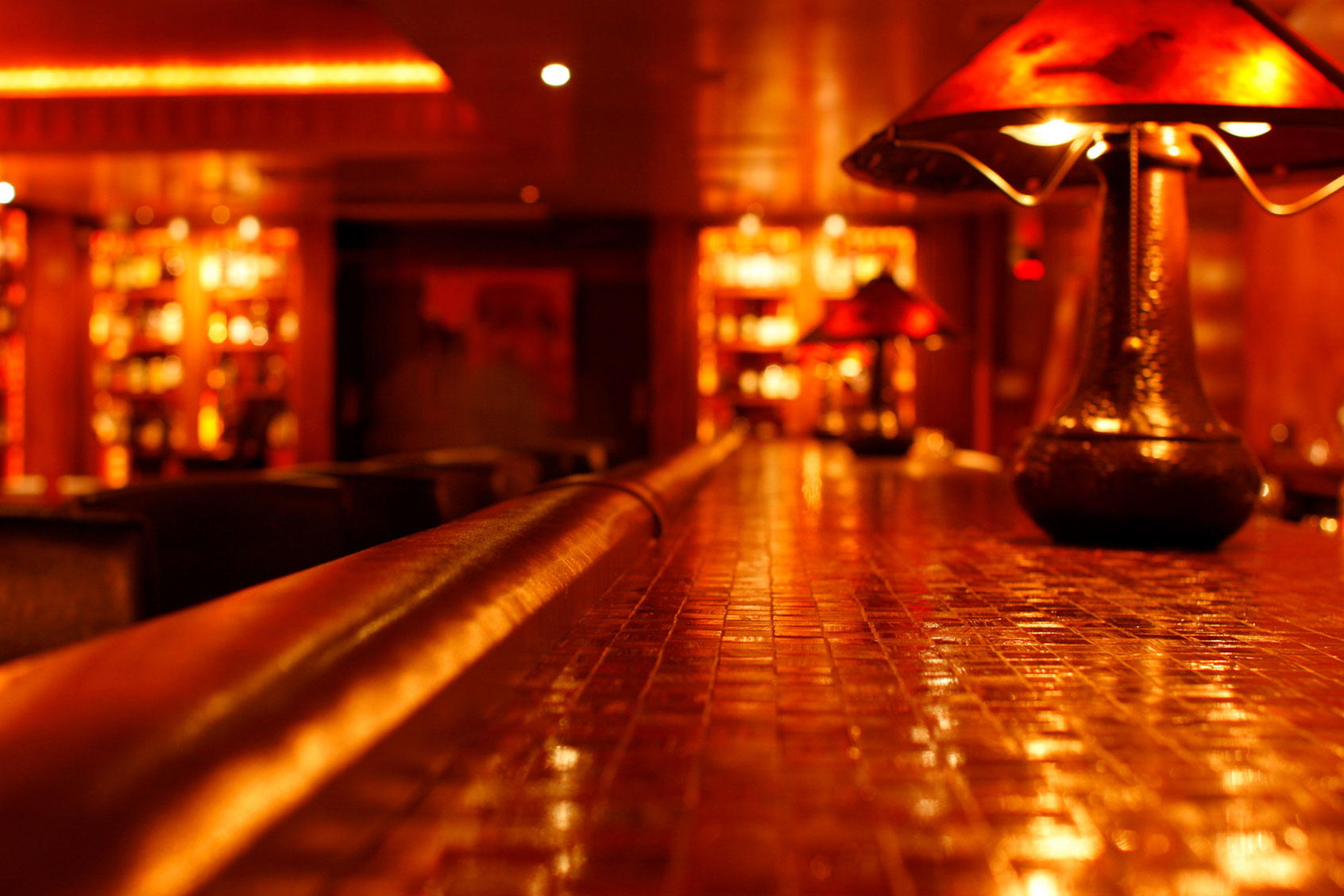
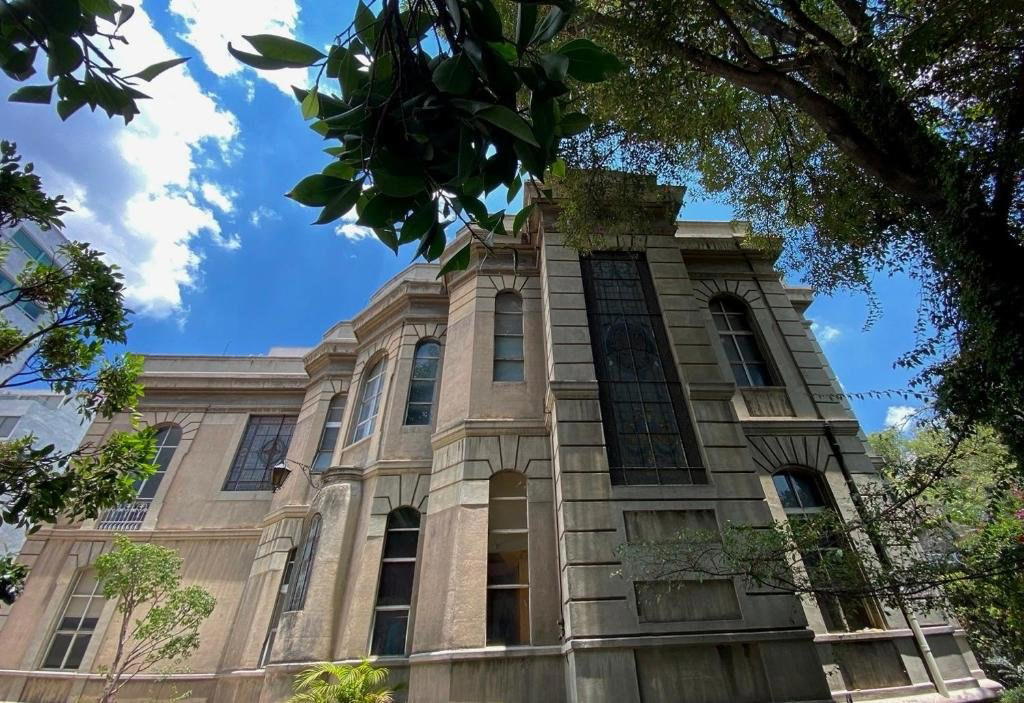
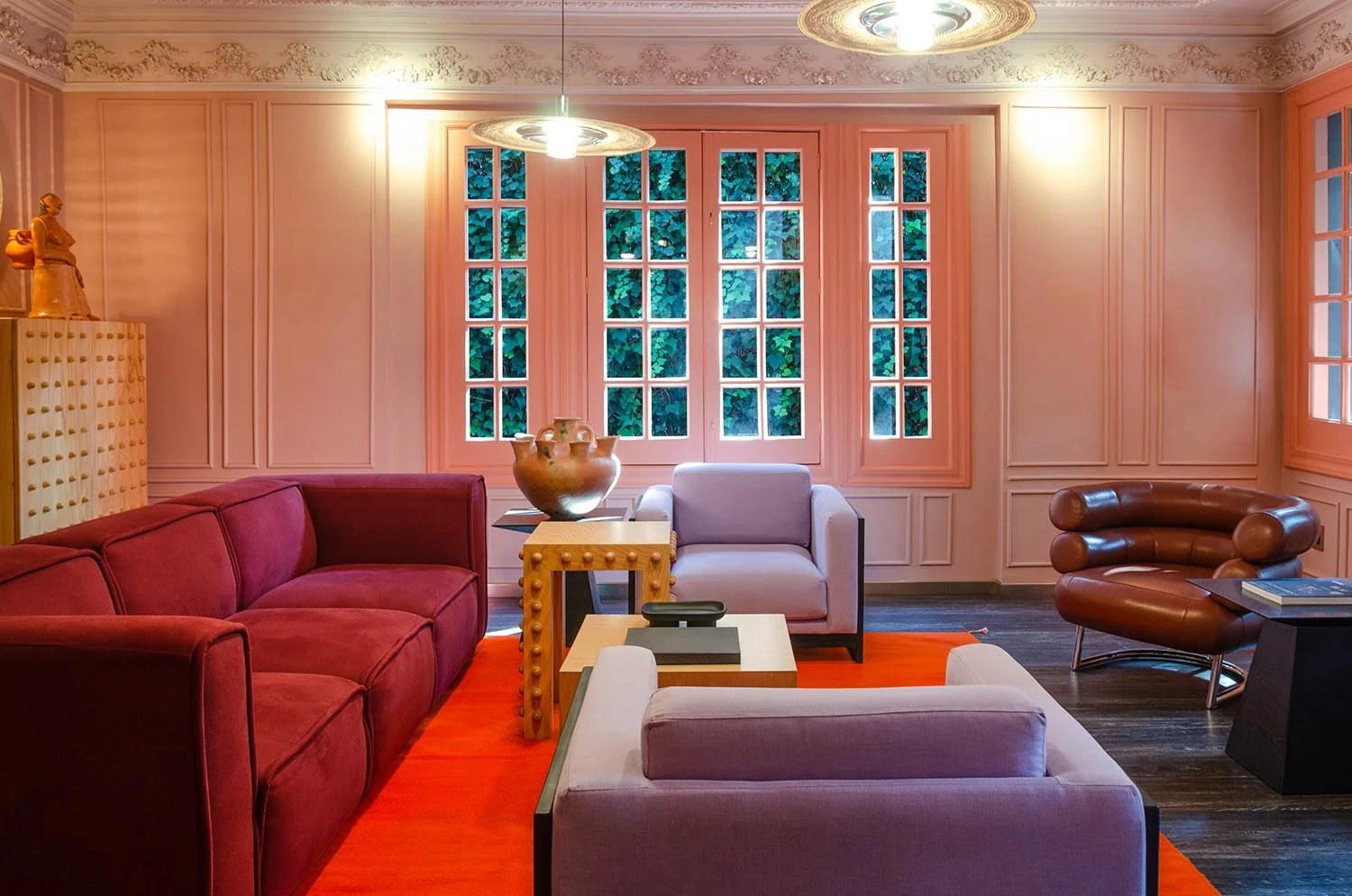
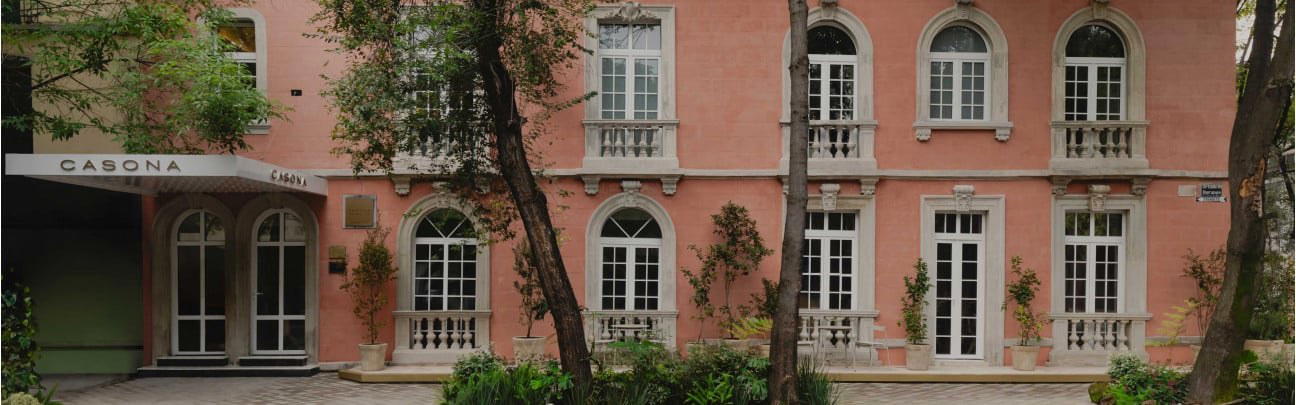
Inviting space with innovative design, open kitchen, eclectic trendy atmosphere, and art installations.