


1 Michelin Star · Falstaff Restaurant - 93 Falstaff Points · Macarfi 8 Food Rating
Our verdict
Suto occupies a narrow bar counter near Sants station in Barcelona, serving omakase in a format that reads more like a private kitchen than a restaurant. Chef Yoshikazu Suto holds a Michelin star (2024) and ranks 317th among Europe's top restaurants per Opinionated About Dining. The menu runs through highly personalised Japanese-style cooking, finishing with nigiri prepared from premium-sourced fish, served on handmade ceramics by the chef's aunt.

Pearl is the En Primeur Club membership app — saves, bookings, and concierge access live there. Same editors, same standards.
- Address
- Carrer de Violant d'Hongria Reina d'Aragó, 134, Sants-Montjuïc, 08028 Barcelona, Spain
- Phone
- +34 610 90 86 51
- Hours
- Mon ClosedTue 8 PM–12 AMWed 1:30–4 PM, 8 PM–12 AMThu 1:30–4 PMFri 1:30–4 PM, 8 PM–12 AMSat 1:30–4 PMSun Closed
- Website
- restaurante.covermanager.com
- Directions
- Get directions
- Booking
- Book on CoverManager
The menu
What to order
- Wagyu nigiri
- Tempura oyster with kimchi
- Mackerel escabeche
A Counter in Sants, Far From the Tourist Circuit
Barcelona's most-discussed restaurants tend to cluster in the Eixample, the Born, or the upper reaches of the city where ambitious tasting menus compete for a similar international audience. The neighbourhood of Sants-Montjuïc sits apart from that concentration, better known for its railway station and working residential streets than for the kind of address that earns a Michelin star. That geographic remove is part of what defines the experience at Suto: arriving here, on Carrer de Violant d'Hongria Reina d'Aragó, requires a deliberate choice, and the format rewards that intention.
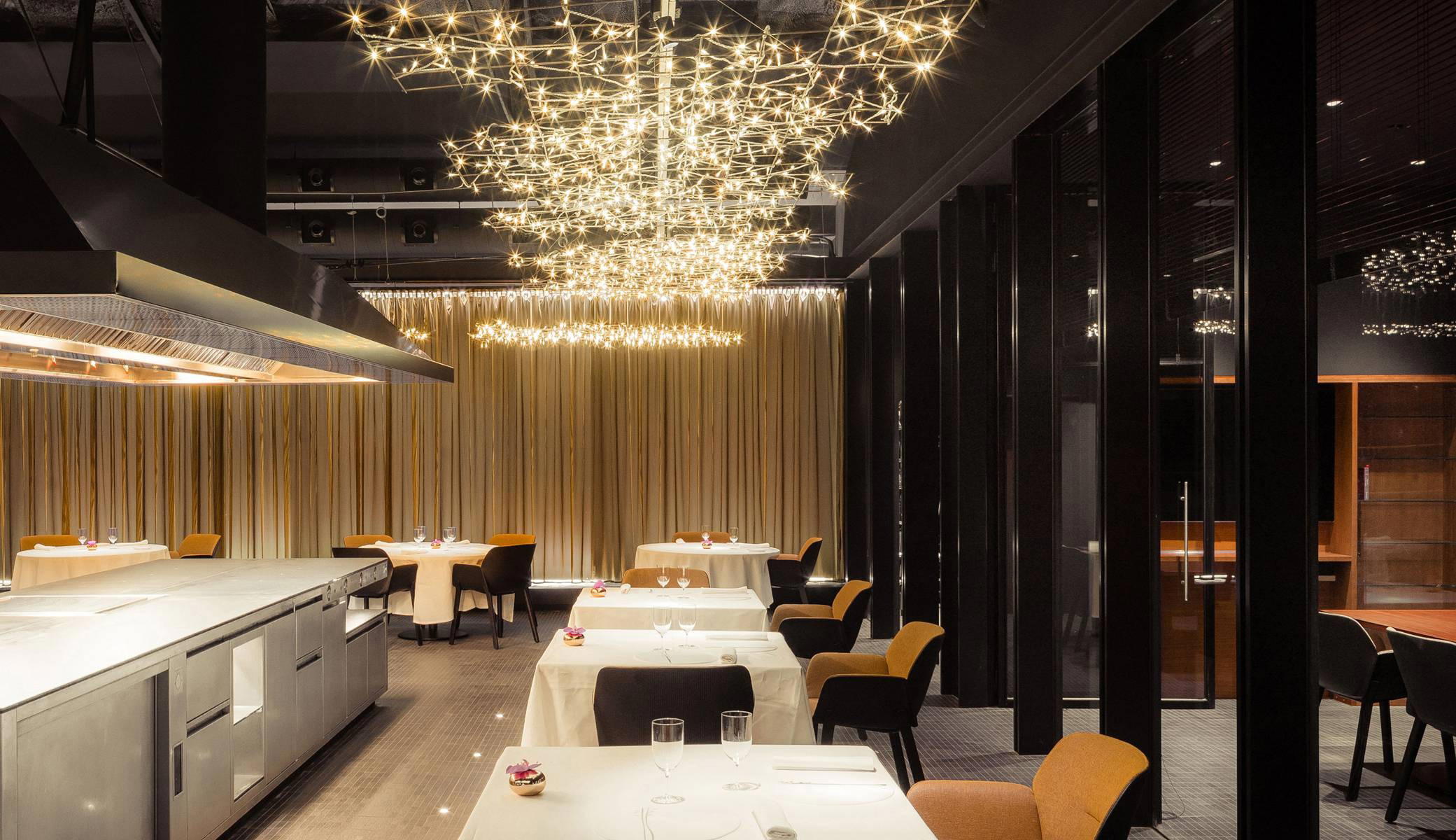
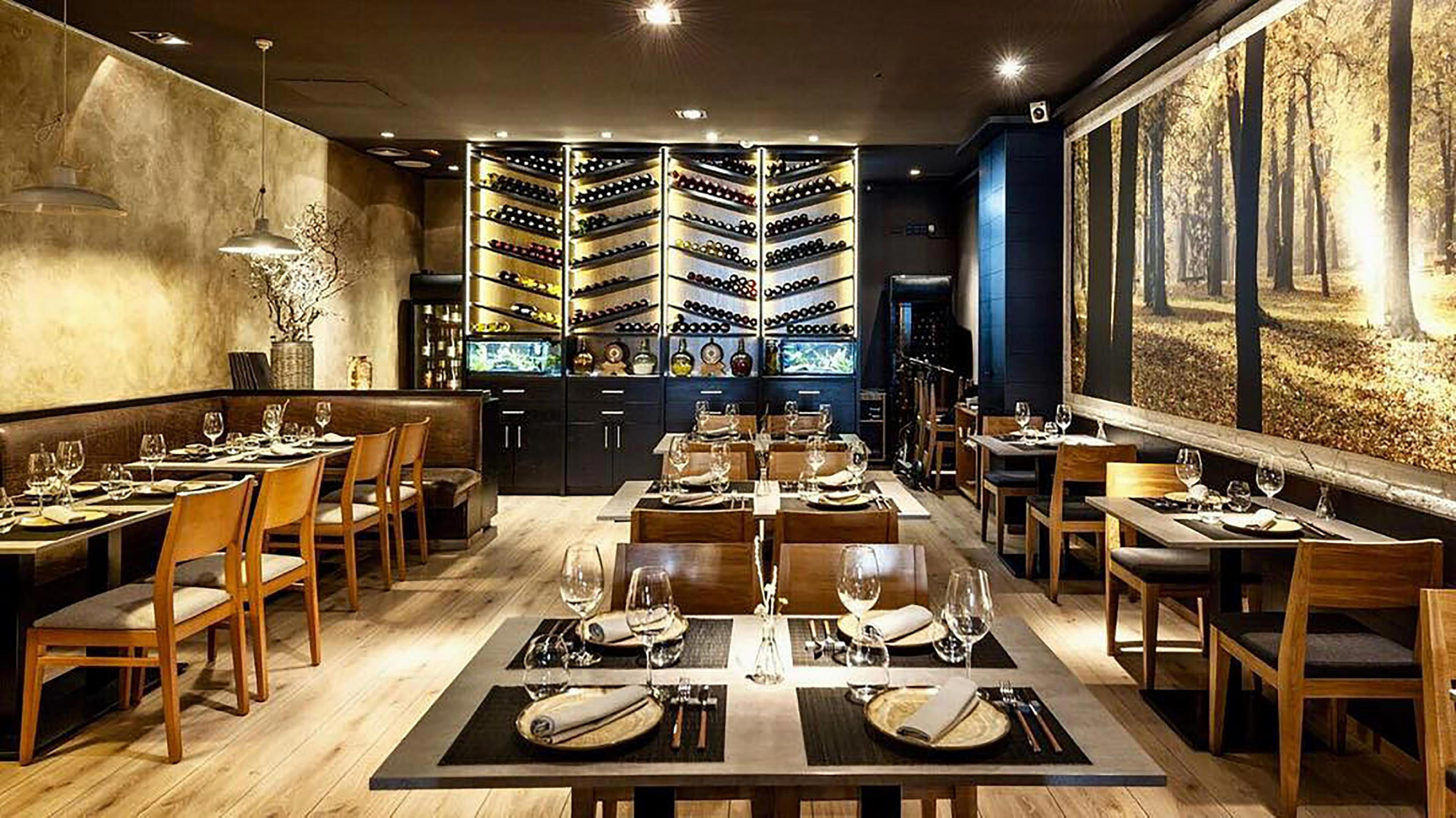
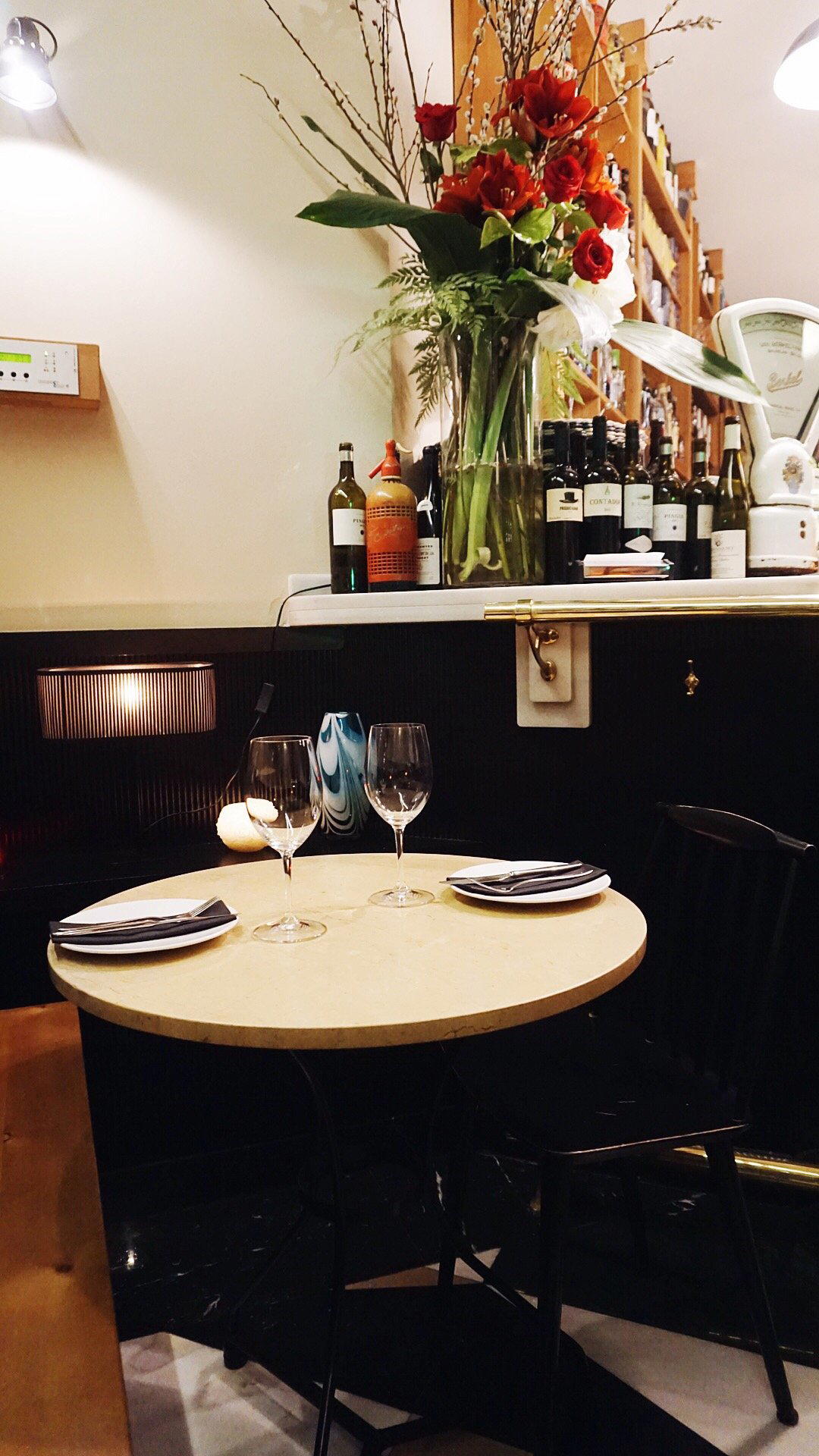
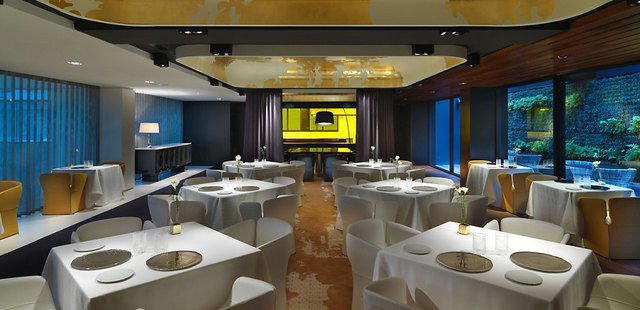
The physical setting is a counter with a handful of tables, scaled to something closer to a domestic dining room than a restaurant in the conventional sense. Reviewers consistently describe the atmosphere as resembling a private house where the staff happen to be cooking for you, and that framing is useful: there is no front-of-house performance, no curated distance between kitchen and guest. You watch chef Yoshikazu Suto work, at close range, throughout the meal. For the style of omakase being served here, that proximity is structural, not decorative.
Fish First: How Sourcing Shapes the Menu
Omakase, as a format, places all meaningful decisions in the kitchen. The guest's experience is entirely contingent on what the chef has sourced that day, which means the integrity of the supply chain is not incidental — it is the menu. At this price tier (€€€€), that expectation carries weight, and the sourcing of fish and seafood is where the kitchen's editorial choices become most visible.
Japanese omakase practice, transplanted to Europe, faces a specific set of constraints. The fish species central to Tokyo's counter culture — Tsugaru Strait bluefin, Hokkaido sea urchin, specific Kyushu shellfish, are either unavailable or available only at significant logistical cost. Kitchens operating in this format on the European side of that gap tend to resolve the tension in one of two ways: by importing Japanese species for specific applications, or by identifying Mediterranean equivalents that behave comparably under the same technique. Suto's menu, which combines hot dishes with nigiri across a single sequence, reflects the latter orientation, with mackerel escabeche served in taco form with shichimi demonstrating how Iberian ingredients and Japanese spice logic can occupy the same dish without either element being subordinated.
The nigiri sequence that closes the meal is where fish quality is most exposed. Handmade ceramics, produced by the chef's aunt, serve as the presentation medium across the meal, a detail that places the sourcing logic within a broader principle: the materials that carry the food are made, not purchased, at the same level of intention as the food itself.
Placing Suto in Barcelona's Japanese Tier
Barcelona's Japanese dining scene has historically operated in two modes: mid-market Japanese-fusion restaurants serving a broad audience, and a smaller cohort of more rigorous formats that engage seriously with Japanese technique. The latter group has grown in ambition over the past decade as the city's overall restaurant culture has attracted more international attention and a more technically informed local clientele.
Suto, with its 2024 Michelin star and a ranking of 317th in Opinionated About Dining's 2025 list of Europe's leading restaurants, sits at the serious end of that cohort. For a Barcelona address to place in the OAD Europe ranking at all is notable given the volume of competition from France, Italy, and the Nordic countries; for an omakase counter in Sants-Montjuïc to do so positions it as one of the most significant Japanese addresses in the city. The comparison set, in terms of format and seriousness, points more naturally toward dedicated omakase counters in other European cities than toward Barcelona's broader Japanese restaurant market.
For context on Barcelona's wider fine dining landscape, the city's other starred and highly ranked addresses tend to work in progressive Spanish or creative European formats: Disfrutar (Progressive, Creative), Cocina Hermanos Torres (Creative), Lasarte (Progressive Spanish, Creative), and ABaC (Creative) all occupy the same price tier but operate in an entirely different register. Nobu Barcelona offers Japanese influence at the luxury hotel end, but the format and intent are substantially different from counter omakase. Suto operates in relative isolation at its specific intersection of format, price, and neighbourhood.
Those looking to map Suto's approach against Japanese omakase in a Tokyo context can reference Myojaku and Azabu Kadowaki as relevant points of comparison for the counter omakase format, even though the culinary traditions and sourcing conditions differ substantially between cities.
The Kakigori Detail and What It Signals
Among the details recorded in independent reviews is the presence of a machine dedicated to making kakigori, the Japanese shaved-ice preparation traditionally served as a dessert or palate reset. The specificity of that equipment, in a kitchen operating at this scale, is an indicator of the depth of commitment to Japanese technique rather than Japanese-adjacent approximation. Kakigori is not a dish that benefits from improvised equipment; the texture depends on the precision of the shave, and professional kakigori machines are a significant investment for a small operation. Its presence here signals that the Japanese dessert tradition is taken as seriously as the savory sequence.
Spain's Broader Fine Dining Backdrop
Suto sits within a Spanish restaurant culture that has generated some of the most-discussed fine dining addresses in Europe over the past two decades. Spain's starred landscape ranges from Basque institutions such as Arzak in San Sebastián and Azurmendi in Larrabetzu to Mediterranean technique houses like Quique Dacosta in Dénia and seafood-focused operations like Aponiente in El Puerto de Santa María, with Madrid's DiverXO and Girona's El Celler de Can Roca representing the country's most internationally visible addresses. Within that context, a Michelin-starred Japanese omakase counter is a specific counterpoint: it does not engage with Spanish culinary tradition as its primary language, though the sourcing of local fish and ingredients means the Mediterranean supply chain is present in the food even when the technique is wholly Japanese.
Practical Planning
Know Before You Go
- Address: Carrer de Violant d'Hongria Reina d'Aragó, 134, Sants-Montjuïc, 08028 Barcelona
- Getting there: Adjacent to Sants-Estació, Barcelona's main intercity rail hub, making it accessible from the city centre and directly from the high-speed rail network.
- Service days: Thursday and Friday only. Thursday: lunch (1:30 PM–4 PM) and dinner (8:30 PM–12 AM). Friday: same hours. The restaurant is closed Monday through Wednesday and on Saturday and Sunday.
- Price tier: €€€€ (top tier by Barcelona standards)
- Format: Single omakase menu served simultaneously to all guests; counter seating with a small number of tables
- Awards: Michelin 1 Star (2024); Opinionated About Dining Leading Restaurants in Europe, Ranked #317 (2025)
- Booking: Contact method not listed; given the format and scale, advance booking is advisable well ahead of your intended date
For broader planning, see our full Barcelona restaurants guide, Barcelona hotels guide, Barcelona bars guide, Barcelona wineries guide, and Barcelona experiences guide.
Questions About Suto
- Is Suto a family-friendly restaurant?
- At €€€€ with a fixed omakase format and a counter-focused setup, Suto is aimed at adult diners who want to engage with a structured Japanese tasting menu in an intimate setting, it is not a format designed for children.
- How would you describe the vibe at Suto?
- If you arrive expecting a formal Barcelona fine dining room, you will need to adjust: the setting reads more like an informed private kitchen than a tasting-menu restaurant. That said, the Michelin star and OAD ranking mean the guest list skews toward serious diners, and at €€€€ the expectations on both sides of the counter are high. The informality is structural, not casual, the cooking demands attention.
- What should I order at Suto?
- There is no menu to order from: the omakase format means the kitchen decides the entire sequence. Based on independent reviews, the nigiri, prepared from premium-sourced fish, and the mackerel escabeche with shichimi in taco form are dishes that have drawn specific attention. The kakigori is worth noting as a dessert course that reflects genuine technical investment in Japanese pastry tradition.
Frequently asked questions
Is Suto a family-friendly restaurant?
Suto is an intimate counter-format restaurant with a small number of tables, where all guests receive the same omakase menu simultaneously. The format demands patience with pacing and engagement with each course as it is served, which makes it better suited to adults with an interest in Japanese cooking than to young children. The Friday-only service window further limits flexibility for family schedules.
How would you describe the vibe at Suto?
Independent reviewers describe the atmosphere as closer to a private home than a restaurant — you watch chef Yoshikazu Suto cook directly from the bar, the crockery is handmade by his aunt, and the room operates without the formality typical of Michelin-starred addresses. It holds a Michelin star (2024) and ranks #317 in Europe on the 2025 OAD list, but the physical setting is deliberately unassuming for a venue at that level.
What's Suto known for in terms of accolades?
Suto has received recognition including: An intimate Japanese-style restaurant close to Sants railway station, featuring a bar (there are also a few tables) where guests can eat while watching young chef Yoshikazu Suto at work. The ambience here is more that of a private house in ….
What should I order at Suto?
There is no à la carte — Suto runs a single omakase menu served to all guests at the same time, combining hot and cold dishes before moving into nigiri prepared with the day's fish. One dish that has drawn specific editorial attention is a mackerel escabeche served in two small tacos with shichimi, a blend of seven Japanese spices. The kakigori, made using a dedicated machine, closes the menu in traditional Japanese fashion.
What kind of cuisine does Suto serve?
City Peers
| Venue | Cuisine | Price | Awards | Notes |
|---|---|---|---|---|
| SutoThis venue — the venue you are viewing | Modern Japanese Omakase | Not listed | 1 Michelin Star · Falstaff Restaurant - 93 Falstaff Points | Not listed |
| Disfrutar | Avant-Garde Catalan Fine Dining | $300–500 | 3 Michelin Stars · World's 50 Best #1 | Progressive, Creative |
| Cocina Hermanos Torres | Modern Spanish Fine Dining | $300–500 | 3 Michelin Stars · World's 50 Best #78 | Creative |
| Lasarte | Modern Basque-Mediterranean Fine Dining | $300–500 | 3 Michelin Stars · La Liste Top Restaurants | Progressive Spanish, Creative |
| Cinc Sentits | Modern Catalan Fine Dining | $150–200 | 2 Michelin Stars · La Liste Top Restaurants | Modern Spanish, Creative |
| Enoteca Paco Pérez | Modern Mediterranean Seafood | $200–300 | 2 Michelin Stars · La Liste Top Restaurants | Modern Spanish, Modern Cuisine |
Recognition history
Dated appearances from independent guides and award organizations, with the underlying list record or original source where available.
Michelin 1 Star
Michelin
Falstaff Restaurant - 93 Falstaff Points
Falstaff
Macarfi 8 Food Rating
Macarfi
Opinionated About Dining Top Restaurants in Europe Recommended
Opinionated About Dining
Full recognition history (7 entries)
Michelin 1 Star
Michelin
Opinionated About Dining Top Restaurants in Europe Ranked #317
Opinionated About Dining
Michelin 1 Star
Michelin