
Sushi to Shuko Tomikawa brings sushi, seafood and sake-drinking culture into Kichijoji’s more grown-up evening circuit. The appeal is less Ginza ceremony than a split-format room: a small sushi counter for focused pacing, plus tables built around sake, shochu, wine and snacks. Its selection for Tabelog 100 Izakaya EAST 2025 gives the address a clear signal in a neighbourhood better known for cafés, casual dining and local regulars.
Pearl is the En Primeur Club membership app — saves, bookings, and concierge access live there. Same editors, same standards.
- Address
- 東京都武蔵野市吉祥寺南町1-11-3 いづみビル 1F
- Phone
- +81422249355
- Website
- tabelog.com
 Saves & bookings on Pearl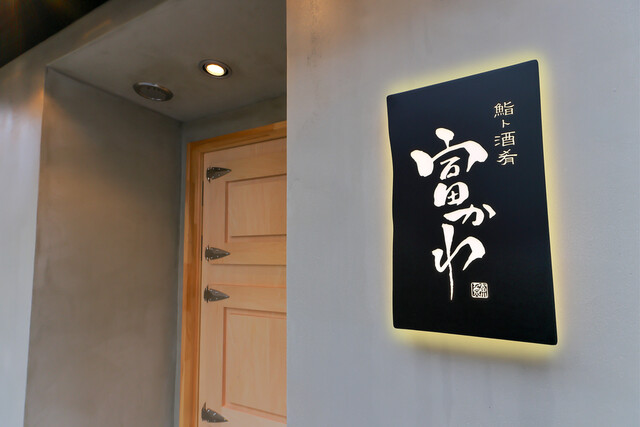
South of Kichijoji Station, the mood changes quickly from retail brightness to the compact backstreet rhythm that gives west-side Tokyo its appeal after dark. This is not the theatre of Ginza sushi, where silence and counter choreography can become the whole point. The more interesting local format is looser: fish handled with sushi-counter discipline, drinks treated as part of the meal, and repeat diners reading the room as much as the menu.
Sushi to Shuko Tomikawa fits that Kichijoji pattern with unusual clarity. Its listed categories, izakaya, sushi and seafood, describe a hybrid that Tokyo does particularly well outside the central luxury districts. The serious signal is Tabelog 100 Izakaya EAST 2025 recognition, not a claim to temple-like sushi orthodoxy. That matters. It places the restaurant inside an eastern Japan izakaya conversation where consistency, alcohol pairing and regular-customer gravity count as heavily as formal cuisine.
Kichijoji's fish-and-sake lane, not Ginza's sushi theatre
Kichijoji dining has always rewarded the guest who stays past the shopping hours. The area can move from old coffee rooms to Neapolitan pizza, curry counters and izakaya tables within a few blocks, which makes it a different proposition from Tokyo neighbourhoods built around a single prestige cuisine. In the comparison set here, L'EPICURIEN, chai break, woodberry's Honten, COFFEE HALL Kugutsusou and pizzeria GG Kichijouji sit at gentler everyday price bands, while this address belongs to the more deliberate evening tier, where dinner becomes the plan rather than a stop between errands.
The format explains the loyalty. A six-seat sushi counter creates the focused axis, while a larger table area is oriented toward sake and snacks. That split gives regulars two modes of use: concentrated sushi for a planned night, or a more conversational meal built around seafood, nihonshu, shochu, wine and cocktails. Tokyo has many restaurants that call themselves casual while operating with rigid ceremony. This one’s structure suggests something more useful: a restaurant that lets sushi technique coexist with izakaya habits.
That distinction is important for travellers. A high-end sushi counter can be thrilling, but it often asks guests to submit to a single tempo. An izakaya-sushi hybrid rewards a different kind of attention: what people are drinking, how the room divides between counter diners and table groups, and why certain neighbourhood restaurants become part of local routine. The English multilingual menu is a practical advantage for visitors, but the room’s deeper logic is local. Regulars return to places where the second drink makes sense, where seafood anchors the evening, and where the experience does not collapse if conversation becomes part of the meal.
The regulars' read: counter discipline with table-room ease
The counter is the editorial clue. Six seats is not a decorative number; it creates scarcity, pacing and a direct relationship to the sushi side of the operation. The separate table section changes the social temperature. Children are welcomed at tables, private rooms are available for small groups, and the restaurant is non-smoking, all of which point to a broader audience than the hushed omakase stereotype. In Tokyo terms, that combination is valuable: serious fish, but not a room designed only for collectors of counter reservations.
The drinks list also tells a story. Sake and shochu are expected in an izakaya, but the inclusion of wine and cocktails, plus a sommelier listing, widens the meal’s range without turning the place into a Westernized dining room. For regulars, that breadth is often what keeps a restaurant in rotation. A sushi-only format can become occasional by nature; a fish-and-drinks format can absorb birthdays, family dinners, quiet adult nights and small group meals without changing identity.
Tabelog score of 3.64 is less useful as a standalone number than as part of the selection signal for the 2025 izakaya list. Tabelog’s Hyakumeiten lists tend to reward category specialists with sustained user attention, and an izakaya selection in Tokyo carries a different meaning from a Michelin-style hierarchy. It points toward repeatability. For a neighbourhood restaurant, repeatability is the currency: not a single spectacular order, but a room that local diners trust across seasons, companions and occasions.
How to place it in a Tokyo itinerary
This is a stronger choice for visitors who already understand that Tokyo’s dining culture is not arranged only around central wards. Kichijoji gives the meal a different frame: Inokashira Park nearby, compact shopping streets, café culture by day, and a more residential dinner mood after dark. It pairs naturally with a west-side evening rather than a cross-city sprint after appointments in Ginza or Roppongi.
For a broader map of the city, start with Our full Tokyo restaurants guide, then use neighbouring categories to build the trip around meals rather than monuments: Our full Tokyo hotels guide, Our full Tokyo bars guide, Our full Tokyo wineries guide and Our full Tokyo experiences guide. For other Tokyo restaurant textures, compare it with. 鮪と炭火焼き うお炭 秋葉原店, 12/10 Shinjuku ten, 124. KAGURAZAKA (Yakitori), 2D Cafe and 3 Chome no Curry Ya San.
Japan’s regional dining map also sharpens the point. A Tokyo fish-and-sake room reads differently beside -Grilled beef Sukiyaki- KAMAKURA TANUKIAN 鎌倉 たぬき庵 in Kamakura.cafe in Osaka.know in Kumamoto, (Shoku) Vietnam in Kawasaki, [Curry Senmon Ten] Maruyama Kyoju. in Sapporo and [ki:] in Kyoto. For Japanese drinking culture abroad, Jōdo Saké Bar in Los Angeles and Onigiri Time in Pasadena show how far the vocabulary travels, though the Kichijoji original context is harder to export.
The editorial case is simple: choose Sushi to Shuko Tomikawa when the aim is not a trophy sushi sitting, but a Tokyo evening where fish, alcohol and neighbourhood regularity share the frame. Its value lies in that balance. The room gives visitors a way into Kichijoji after dark without stripping the meal of local habits.
Credentials Lens
Comparable venues to place this listing in its category.
| Venue | Cuisine | Price | Notes |
|---|---|---|---|
| Sushi to Shuko Tomikawa | Modern Sushi & Sake Omakase | $$$ | Kichijoji |
| Shinjuku Takano Fruits Parlor | Japanese Fruit Parlor | $$$ | Shinjuku |
| Soba Koji Sawarabi | Traditional soba noodle shop | $$$ | Chiyoda |
| YAKINIKU A FIVE 徳 銀座八丁目店 | Premium Japanese Yakiniku | $$$ | Chiyoda |
| Niou | Yoshoku (Japanese-style Western Cuisine) | $$$ | Chiyoda |
| Nodoguro Senmon Ginza Nakamata | Nodoguro-focused Japanese set-course dining | $$$ | Chūō |
Recognition history
Dated appearances from independent guides and award organizations, with the underlying list record or original source where available.
Tabelog 100 #65 · No. 65
Tabelog · Tabelog 100 - Izakaya - EAST - 2025
Continue exploring
More in Tokyo
Restaurants in Tokyo
Browse all →



Bars in Tokyo
Browse all →



Hotels in Tokyo
Browse all →


Wineries in Tokyo
Browse all →
At a Glance
- Modern
- Cozy
- Elegant
- Intimate
- Trendy
- Date Night
- Business Dinner
- Celebration
- Special Occasion
- Group Dining
- Solo
- Chefs Counter
- Standalone
- Private Dining
- Sake Program
- Beer Program
- Local Sourcing
- Sustainable Seafood
A warm, *wa-modern* space with a sushi counter and separate sake-and-snacks tables, designed for guests to relax over a leisurely omakase with softly lit, contemporary Japanese decor rather than a formal hushed atmosphere.