
1 Michelin Star
Our verdict
Sushi Takeshi operates a single omakase format inside The Mira hotel on Nathan Road, drawing on Chef Kin's training across Hong Kong and Japan to deliver a counter-style meal built entirely from Japanese-sourced ingredients. The lunchtime menu represents notable value by Tsim Sha Tsui standards. Reservations are required.

Pearl is the En Primeur Club membership app, where members save venues, book tables and use the concierge.
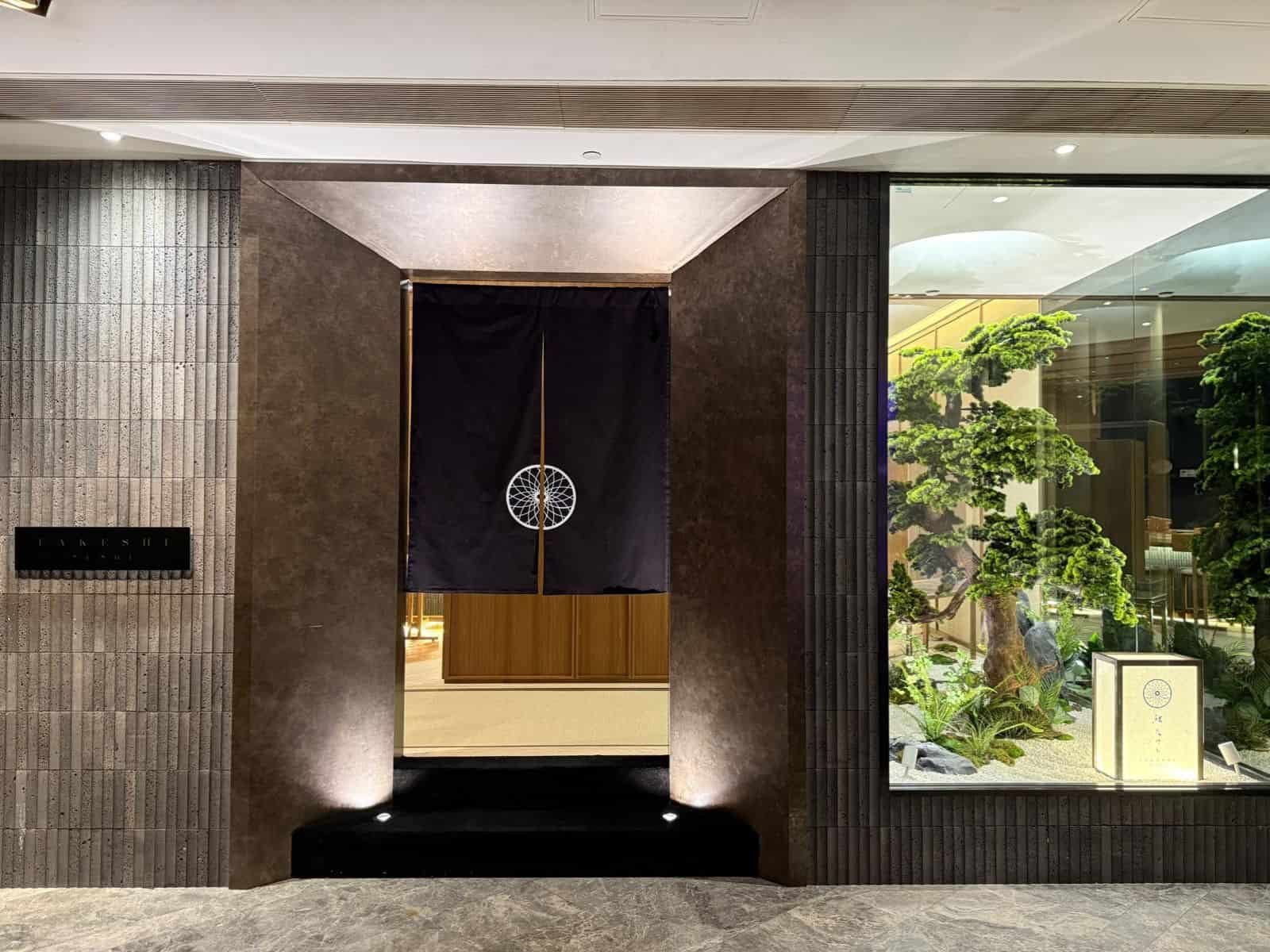
Nathan Road's Omakase Counter in Context
Tsim Sha Tsui occupies an unusual position in Hong Kong's fine dining geography. The district carries a reputation shaped by decades of tourist trade and mid-market Cantonese houses, yet its hotel dining rooms have quietly accumulated serious kitchens. The Mira on Nathan Road is one node in that pattern: a design-conscious property that has hosted formats aimed at a different audience than the surrounding street-level commerce. Sushi Takeshi operates from the ground floor of that hotel, placing a reservation-only Japanese counter inside a neighbourhood better known for dim sum and shopping than for precision omakase.
That placement matters for how the restaurant functions. Diners arriving from the Kowloon side, or crossing the harbour from Central, are not walking into a purpose-built sushi district. Hong Kong lacks the kind of concentrated counter geography that defines Tokyo's Ginza or Shinjuku. Instead, its serious Japanese kitchens are distributed across the city's hotel and commercial towers, from Tsim Sha Tsui up through Wan Chai and into Causeway Bay. Sushi Takeshi is one point in that spread, sitting geographically closer to the Star Ferry pier than to the dense fine dining cluster around Central's IFC. For diners based on the Kowloon side, it removes a commute that the city's top-tier restaurants, Caprice, Amber, Ta Vie, 8 1/2 Otto e Mezzo Bombana, tend to require.
The Omakase Format and What It Demands
A single omakase menu is the operating model at Sushi Takeshi. There is no à la carte, no choice of format, no abbreviated option beyond the distinction between lunch and dinner. That format signals something about the kitchen's priorities: the sourcing decisions, the sequencing, and the technical execution are fixed around a coherent progression rather than adjusted to individual orders. It is a format that places considerable pressure on ingredient quality, because when the menu offers no alternative paths, the fish itself carries the entire argument.
The sourcing answer to that pressure is direct importation from Japan. Ingredients are flown in from Japan, a supply chain that is neither unusual among Hong Kong's leading Japanese kitchens nor inexpensive to maintain. What distinguishes the approach at Sushi Takeshi is the rice work: Chef Kin uses two separate vinegar blends, selected according to the oiliness of each fish. That pairing decision, matching the acidity and character of the shari to the fat content of the neta, is a technical practice rooted in traditional Edo-mae sushi, where the rice is understood as a active component of the dish rather than a neutral base. It is the kind of detail that separates a kitchen working from first principles from one executing a generic omakase template.
Noted among the menu's ingredients is kuruma prawn, a species associated with premium Japanese sushi counters for its clean, concentrated sweetness and firm texture. Precise sourcing and careful preparation are what the format promises, and the prawns arrive cooked, a technique that requires timing discipline to preserve the texture the ingredient is known for.
The Chef's Training and What It Signals
Chef Kin's background spans serious sushi-ya in both Hong Kong and Japan. In the context of Hong Kong's omakase tier, that dual training matters as a credential. Japanese-trained technique, applied through Hong Kong's particular supply networks and diner expectations, is the standard operating model among the city's credible counters. Kitchens working in this lineage tend to sit in a peer group defined less by price point than by sourcing rigour and technical discipline. The comparables are not the hotel buffets or neighbourhood sushi bars on Nathan Road; they are the city's other reservation-only counters, where the chef's biography functions as a proxy for the kitchen's standards.
That credential positioning is relevant for how Sushi Takeshi competes in its category. Among Hong Kong's fine dining options, the Japanese counter format has grown considerably over the past decade. The city now supports multiple tiers of omakase experience, from high-volume Japanophile restaurants aimed at group diners through to small-seat counters with long booking leads. Sushi Takeshi operates in the serious tier of that market, distinguished from the city's broader restaurant field, Forum representing the Cantonese tradition, the hotel dining rooms of Central representing European fine dining, by its format specificity and its sourcing commitments.
Lunch as the Strategic Entry Point
Omakase pricing in Hong Kong has followed the upward trajectory visible across the Asia-Pacific region, where direct Japan sourcing, small counter sizes, and reservation-only formats combine to push the per-head cost to a level that makes dinner a considered commitment. Sushi Takeshi's lunchtime menu is specifically noted as a value proposition within that context. Among the city's serious Japanese counters, a discounted lunch format is a recognised pattern: the sourcing costs are fixed regardless of the meal period, but lunch allows the kitchen to offer a shorter or adjusted sequence at a lower price point.
For a diner wanting to assess the kitchen's rice work and sourcing quality without a full dinner outlay, lunch is the logical starting point. The reservation requirement applies regardless of meal period, which means planning ahead is necessary in either case. Walk-in availability is not part of the format.
Planning Your Visit
Sushi Takeshi is located on the ground floor of The Mira hotel, 118-130 Nathan Road, Tsim Sha Tsui. The hotel sits within walking distance of multiple MTR exits, making it accessible from both sides of the harbour. Reservations are required for all sittings, and given the counter format and limited seat count typical of omakase operations, booking lead times should be factored into any itinerary. The lunchtime menu is the recommended starting point for first visits, both for the value it represents relative to dinner and for the practical advantage of approaching a focused counter experience in the lower-pressure midday context.
For broader planning across Hong Kong, see our guides to restaurants, hotels, bars, wineries, and experiences. For comparison across the global omakase and tasting-menu tier, reference points include Le Bernardin in New York, Alinea in Chicago, Alain Ducasse at Louis XV in Monte Carlo, Alléno Paris au Pavillon Ledoyen, Aponiente in El Puerto de Santa María, Lazy Bear in San Francisco, Emeril's in New Orleans, and Le Salon de Thé de Joël Robuchon in Hong Kong's IFC. See also our guide to Hong Kong restaurants for the full picture of the city's dining range.
Frequently asked questions
What should I order at Sushi Takeshi?
Do I need a reservation for Sushi Takeshi?
What is the signature at Sushi Takeshi?
The Short List
Comparable venues nearby, for context on price, style, and recognition.
| Venue | Cuisine | Price | Awards | Notes |
|---|---|---|---|---|
| Sushi TakeshiThis venue (the venue you are viewing) | Edomae-style Japanese Omakase | Not listed | 1 Michelin Star | Not listed |
| Nikushou | Premium Yakiniku | $100–150 | Not listed | Wan Chai, Premium Yakiniku |
| Sushi Kuu | Modern Japanese Sushi and Omakase | $100–150 | Not listed | Central, Modern Japanese Sushi and Omakase |
| Sushi Kami | Premium Edomae Omakase | $300–500 | Not listed | Central, Premium Edomae Omakase |
| Tempura Uchitsu | Edomae Tempura Omakase | $300–500 | Not listed | Central, Edomae Tempura Omakase |
| Tominokoji Yamagishi HK | Kyoto Cha-Kaiseki | Not listed | Not listed | Yau Tsim Mong South, Kyoto Cha-Kaiseki |
Recognition history
Dated appearances from independent guides and award organizations, with the underlying list record or original source where available.
Michelin 1 Star
Michelin
Continue exploring
More in Hong Kong
Restaurants in Hong Kong
All restaurants in Hong Kong →
Bars in Hong Kong
All bars in Hong Kong →
Hotels in Hong Kong
All hotels in Hong Kong →
Wineries in Hong Kong
All wineries in Hong Kong →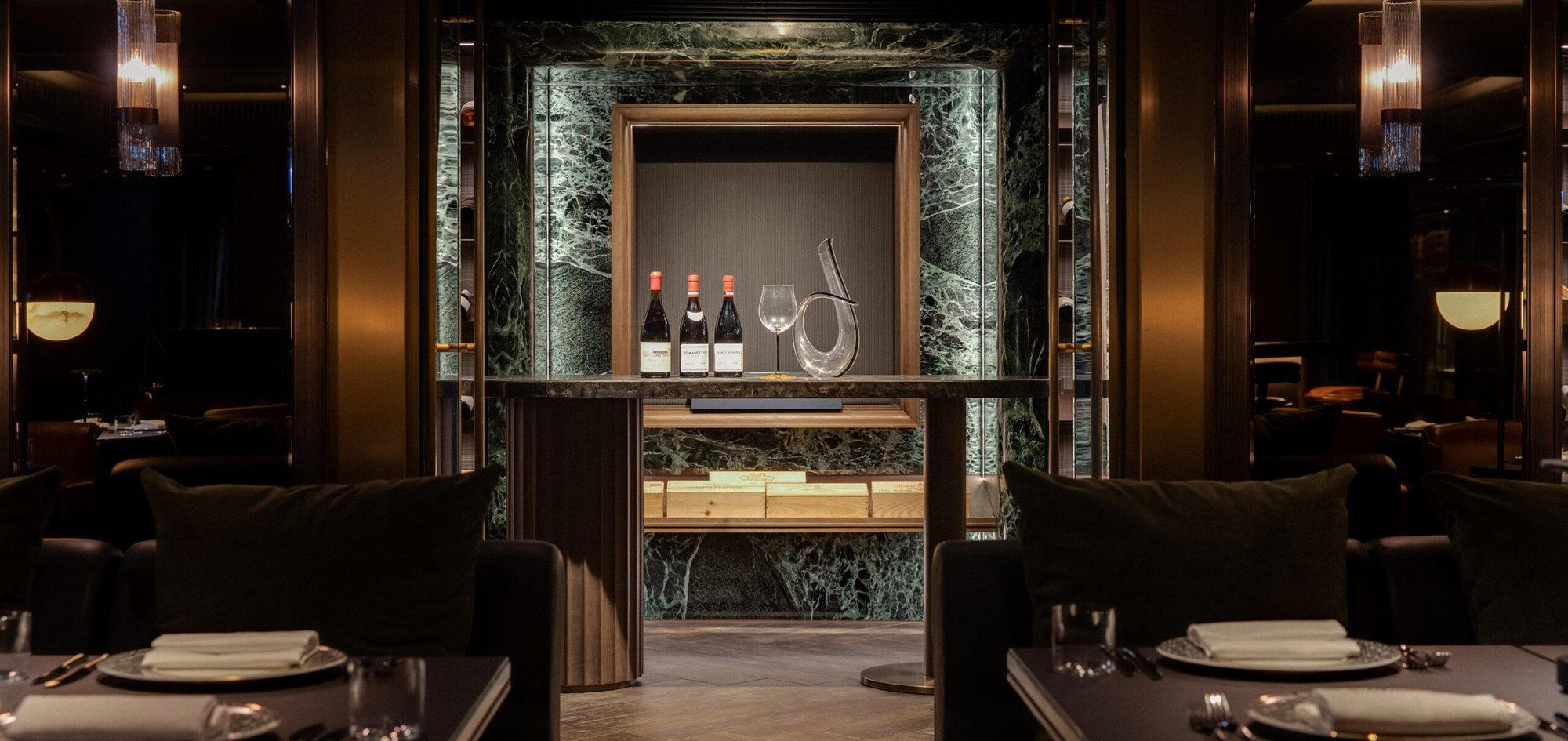
Details
- Intimate
- Elegant
- Sophisticated
- Date Night
- Special Occasion
- Chefs Counter
- Sake Program
- Sustainable Seafood
- Omakase
- Counter Dining
Current opening hours
- Monday
- 12:30–3 PM, 7–10 PM
- Tuesday
- 12:30–3 PM, 7–10 PM
- Wednesday
- 12:30–3 PM, 7–10 PM
- Thursday
- 12:30–3 PM, 7–10 PM
- Friday
- 12:30–3 PM, 7–10 PM
- Saturday
- 12:30–3 PM, 7–10 PM
- Sunday
- 12:30–3 PM, 7–10 PM
Hours can change for holidays and private events. Hours as of .
Intimate chef's counter with high-quality wood finishes and cushions, creating a focused sushi experience.