Skip to Main Content
Kyoto Cha Kaiseki
← Collection
Hong Kong, Hong Kong

Tominokoji Yamagishi HK

CuisineJapanese
Executive ChefTomio Sato
Price≈$320
Dress CodeSmart Casual
ServiceFormal
NoiseQuiet
CapacityIntimate
Pearl

Tominokoji Yamagishi HK brings a Kyoto-rooted kaiseki tradition to Tsim Sha Tsui, operating from a polished counter setting inside K11 MUSEA on Victoria Dockside. Chef Tomio Sato leads the kitchen, earning a Pearl Recommended Restaurant recognition in 2025. Among Hong Kong's growing tier of serious Japanese dining rooms, it represents the quieter, ritual-led end of the spectrum, where pacing and form carry as much weight as the plate.

Pearl is the En Primeur Club membership app — saves, bookings, and concierge access live there. Same editors, same standards.

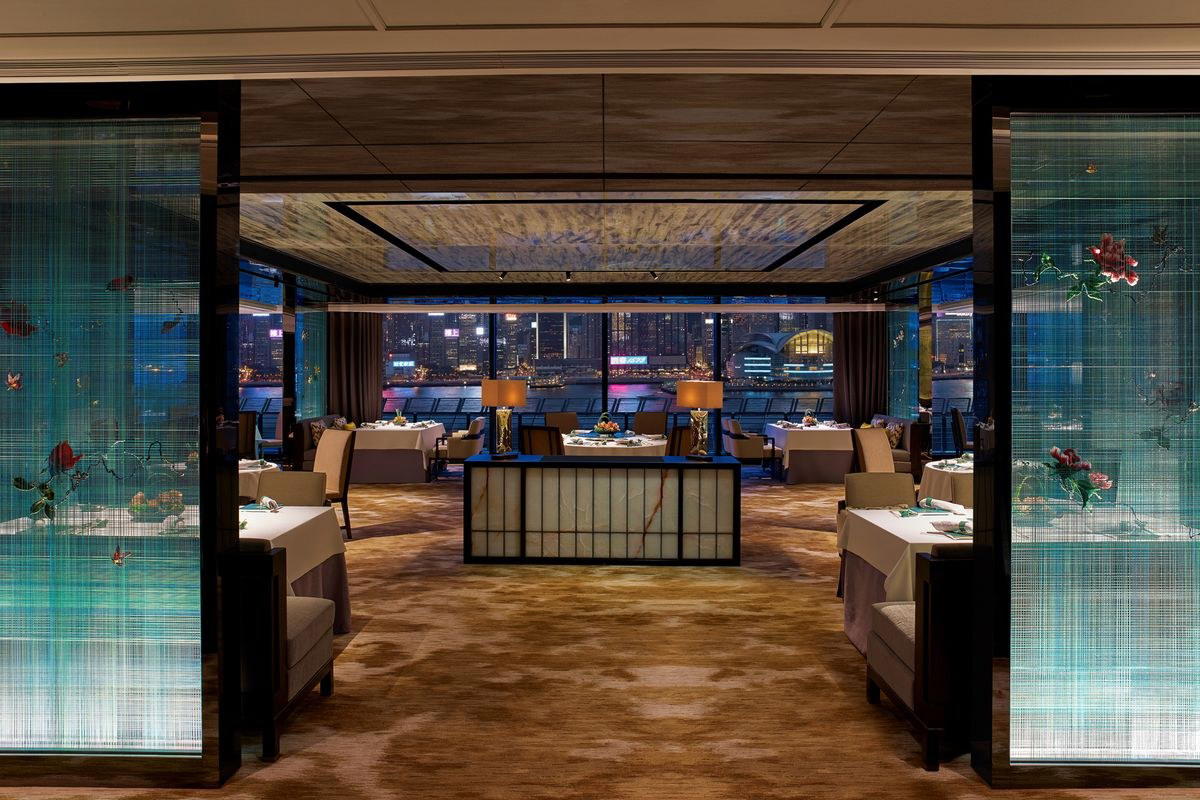
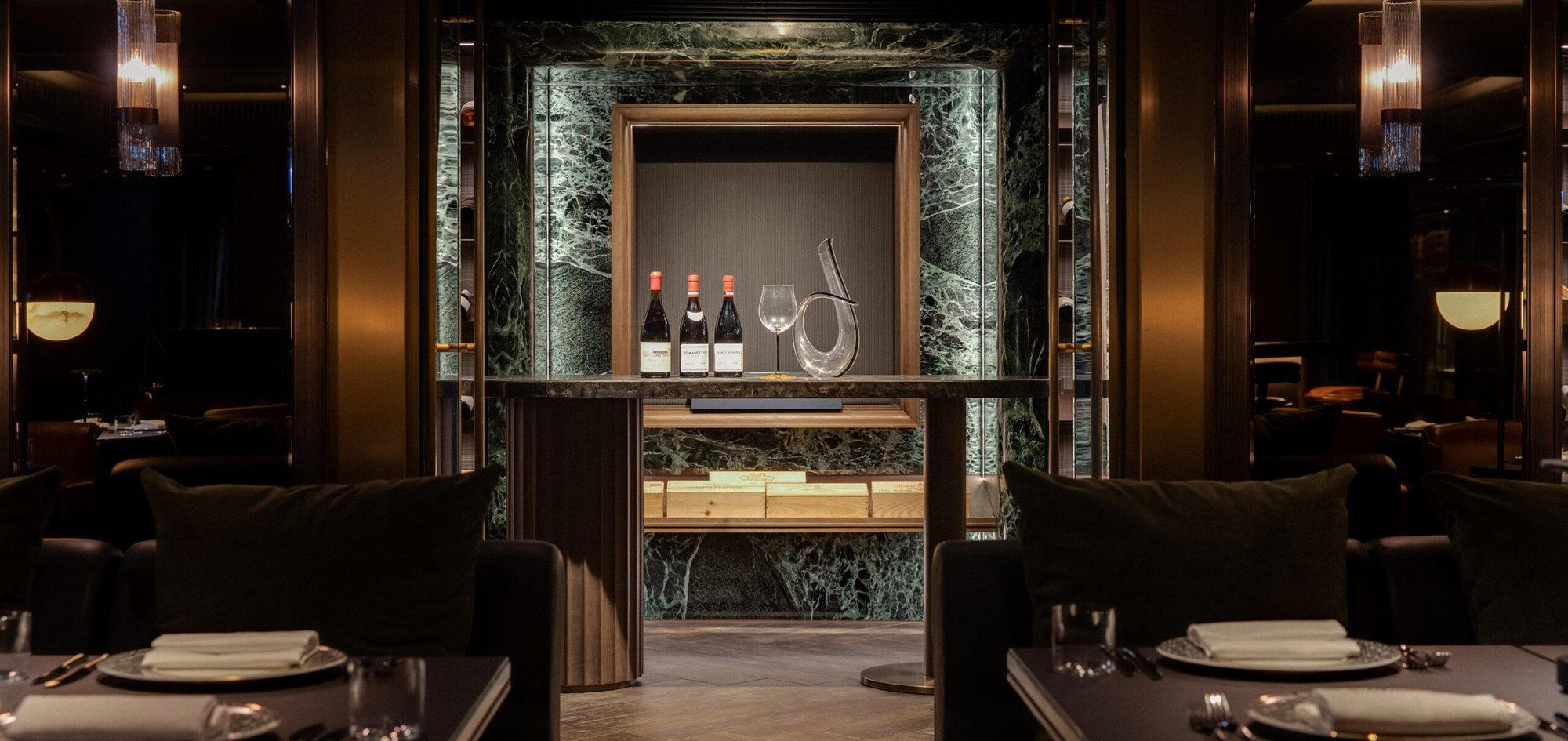
Tominokoji Yamagishi HK restaurant in Hong Kong, Hong Kong
About

The Ritual Before the Restaurant

There is a version of Japanese dining in Hong Kong that operates at volume — large, lively izakayas and sushi conveyor formats that fill quickly and turn over fast. And then there is a smaller, more deliberate tier, one where the architecture of the meal itself is the experience: the sequence, the pause between courses, the temperature of the bowl, the way a server places rather than slides a dish. Tominokoji Yamagishi HK occupies this second category. Located on Level 6 of K11 MUSEA at Victoria Dockside in Tsim Sha Tsui, it brings a kaiseki sensibility rooted in Kyoto's Tominokoji district to one of Hong Kong's most design-conscious retail and dining destinations. The setting — a harbour-adjacent tower with considered architectural bones , does much of the atmospheric framing before you even sit down.

Kyoto in Tsim Sha Tsui: What That Actually Means

Kaiseki, in its strictest form, is among the most codified meal structures in Japanese culinary tradition. It follows a seasonal logic, a course-by-course grammar of flavour, temperature, and technique that evolved from the tea ceremony tradition in Kyoto. The parent restaurant, Tominokoji Yamagishi, takes its name from a street in central Kyoto, a neighbourhood associated with high-end kappō and kaiseki dining. Bringing that reference to Hong Kong is less a marketing gesture than a declaration of method: the kitchen here operates within a particular philosophical framework, not a freestyle Japanese menu. For diners who have eaten at comparable rooms in Kyoto , places like Isshisoden Nakamura or Gion Matayoshi , that framing will read immediately. For those less familiar with the format, the sequence will announce itself through pacing and portion rather than explanation.

Hong Kong has developed a credible tier of Japanese restaurants that operate within this tradition. Kappo Rin and Zuicho work within the kappō format, which shares kaiseki's deliberateness but allows for more direct chef-to-diner interaction across the counter. Ryota Kappou Modern and Godenya approach Japanese technique from different angles , one kappō-contemporary, the other sake-forward. Nagamoto is another counter that sits in the serious Japanese dining tier. Tominokoji Yamagishi HK fits this peer set , it is not outlier territory, but it does bring a specific Kyoto lineage that distinguishes it from the group.

Chef Tomio Sato and the Weight of the Counter

Chef Tomio Sato leads the kitchen. In kaiseki and kappō dining, the chef's position behind the counter is structural rather than performative , the counter is where the ritual is administered, and the chef's role is closer to conductor than entertainer. This matters because it shapes how a meal at Tominokoji Yamagishi HK unfolds: the pacing is the kitchen's, not the diner's. Dishes arrive when they are ready, in the order they are meant, and the correct way to engage with that is to relinquish the instinct to direct the meal. Compared to formats popular at Tokyo counters , Kagurazaka Ishikawa or Azabu Kadowaki operate similarly , the experience rewards patience over impatience, attention over appetite.

The restaurant earned a Pearl Recommended Restaurant recognition in 2025, placing it within a curated tier of dining worth attention in Hong Kong. That credential is meaningful less as a quality ceiling and more as a signal of consistency and seriousness , the kind of recognition that confirms a room is doing what it claims to do. For context on how Pearl recognition places venues in the broader Japanese category, comparisons to Tokyo peers like Myojaku or Ginza Fukuju illustrate the tier. The restaurant holds a Google rating of 4.2 across 65 reviews, a number that reflects a still-forming reputation rather than a settled one , early visits appear to be landing well.

The Dining Ritual: How to Read the Meal

Kaiseki operates on a principle of accumulated effect. No single course is designed to be the peak , the format is horizontal rather than pyramidal, meaning each dish earns its place in a sequence rather than competing for dominance. This runs against the instinct of diners trained on highlight-course menus, where the protein centrepiece is the event and everything else is context. At a room like this, arriving hungry in the wrong way , with a checklist of expectations , tends to produce disappointment. Arriving with patience and some familiarity with the structure produces something closer to what the kitchen is actually offering.

For those approaching kaiseki for the first time, the format can feel opaque at the start: small portions, quiet presentation, subtlety over impact. This is deliberate. The flavour register in Kyoto-style kaiseki tends toward dashi-forward restraint rather than the bolder, richer seasoning common in Tokyo kappō. Comparing across the Japanese restaurants in Hong Kong, Kappo Rin and Tominokoji Yamagishi HK sit at different ends of the register , the former more interactive and direct, the latter more ceremonial. Neither approach is superior; they are different agreements between kitchen and diner about what the meal is for. For a deeper look at how Japanese fine dining in the city fits into the wider picture, see our full Hong Kong restaurants guide.

International comparisons are instructive. Kashiwaya Osaka Senriyama in Osaka and Hayato in Los Angeles represent different geographies of this same tradition , kaiseki transplanted or transmitted across city and cultural contexts. Tominokoji Yamagishi HK follows that pattern of serious Japanese restaurants establishing formal counters in cities outside Japan, where the format carries value precisely because it is not diluted to fit local expectations.

K11 MUSEA and What the Location Signals

Victoria Dockside is not a casual dining precinct. K11 MUSEA positions itself as a culture-retail hybrid , the building houses art installations alongside its food and retail tenants, and the overall address skews toward a clientele that treats dining as an extended occasion rather than a transaction. Within that context, Tominokoji Yamagishi HK makes geographic sense: the surrounding environment primes a diner for deliberateness rather than efficiency. The Tsim Sha Tsui waterfront location places it across the harbour from the Island's dense fine-dining cluster, making it a natural anchor for an evening that stays Kowloon-side. For those planning a broader evening, our full Hong Kong bars guide and our full Hong Kong experiences guide map the surrounding options. The Hong Kong hotels guide covers properties within the Tsim Sha Tsui corridor for those staying Kowloon-side.

Planning Your Visit

Address: Shop 603, Level 6, K11 MUSEA, 18 Salisbury Road, Tsim Sha Tsui, Kowloon. Reservations: Booking details are not listed publicly , contact the restaurant directly or use K11 MUSEA's dining concierge for assistance. Budget: Price range is not publicly stated, but kaiseki counters at this tier in Hong Kong typically operate in the premium bracket; arrive with that expectation. Dress: Smart casual at minimum; the K11 MUSEA context and counter format both lean toward considered dress over casual. Timing: The format rewards a full evening; do not schedule commitments immediately after. The 2025 Pearl Recommended Restaurant recognition suggests the kitchen has found its rhythm since opening.

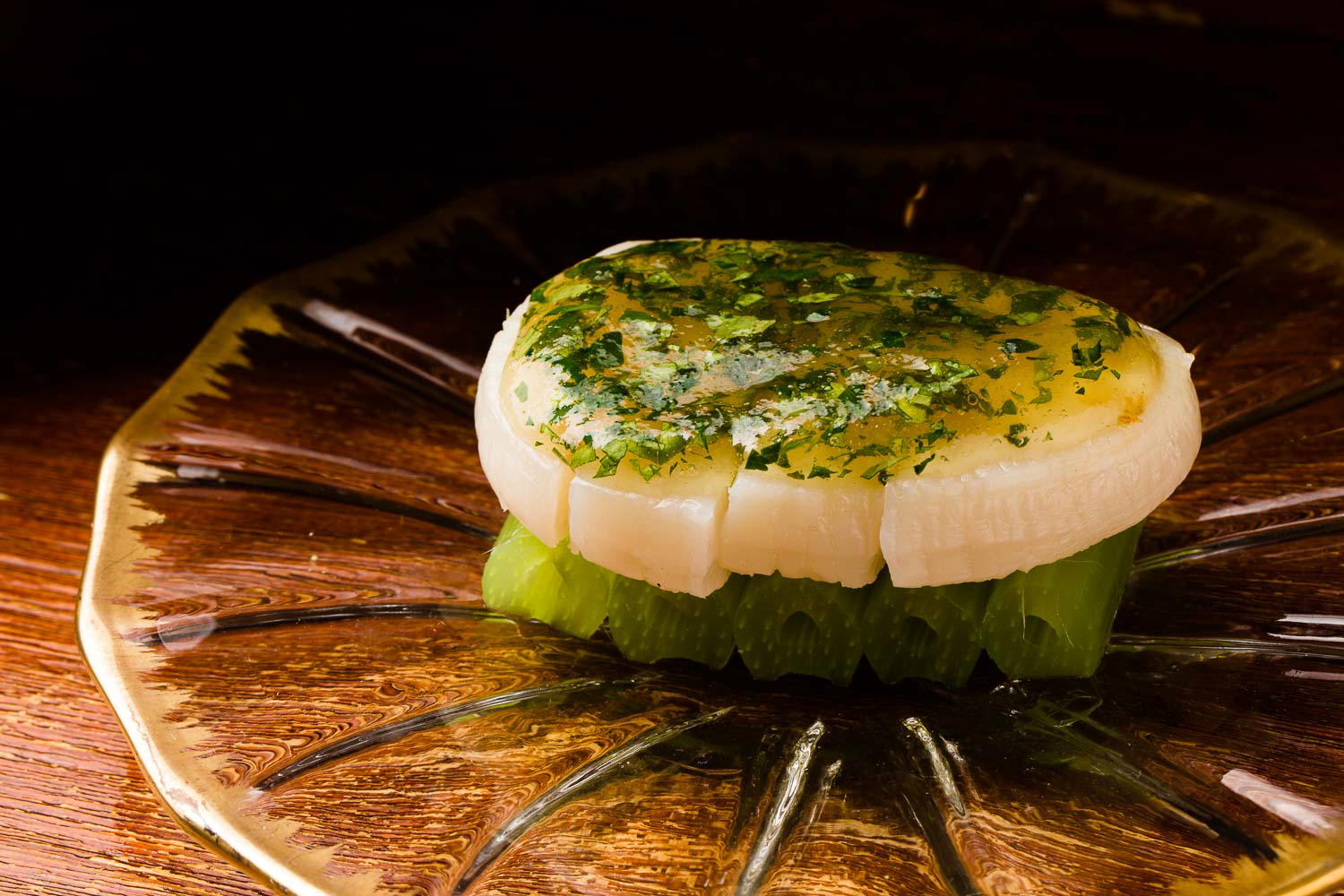
Signature Dishes
Uni Dogclay pot rice
Frequently asked questions

A Lean Comparison

A short peer set to help you calibrate price, style, and recognition.

At a Glance
Vibe
  • Intimate
  • Minimalist
  • Elegant
  • Sophisticated
Best For
  • Special Occasion
  • Date Night
Experience
  • Chefs Counter
  • Open Kitchen
Drink Program
  • Sake Program
Dress CodeSmart Casual
Noise LevelQuiet
CapacityIntimate
Service StyleFormal
Meal PacingExtended Experience

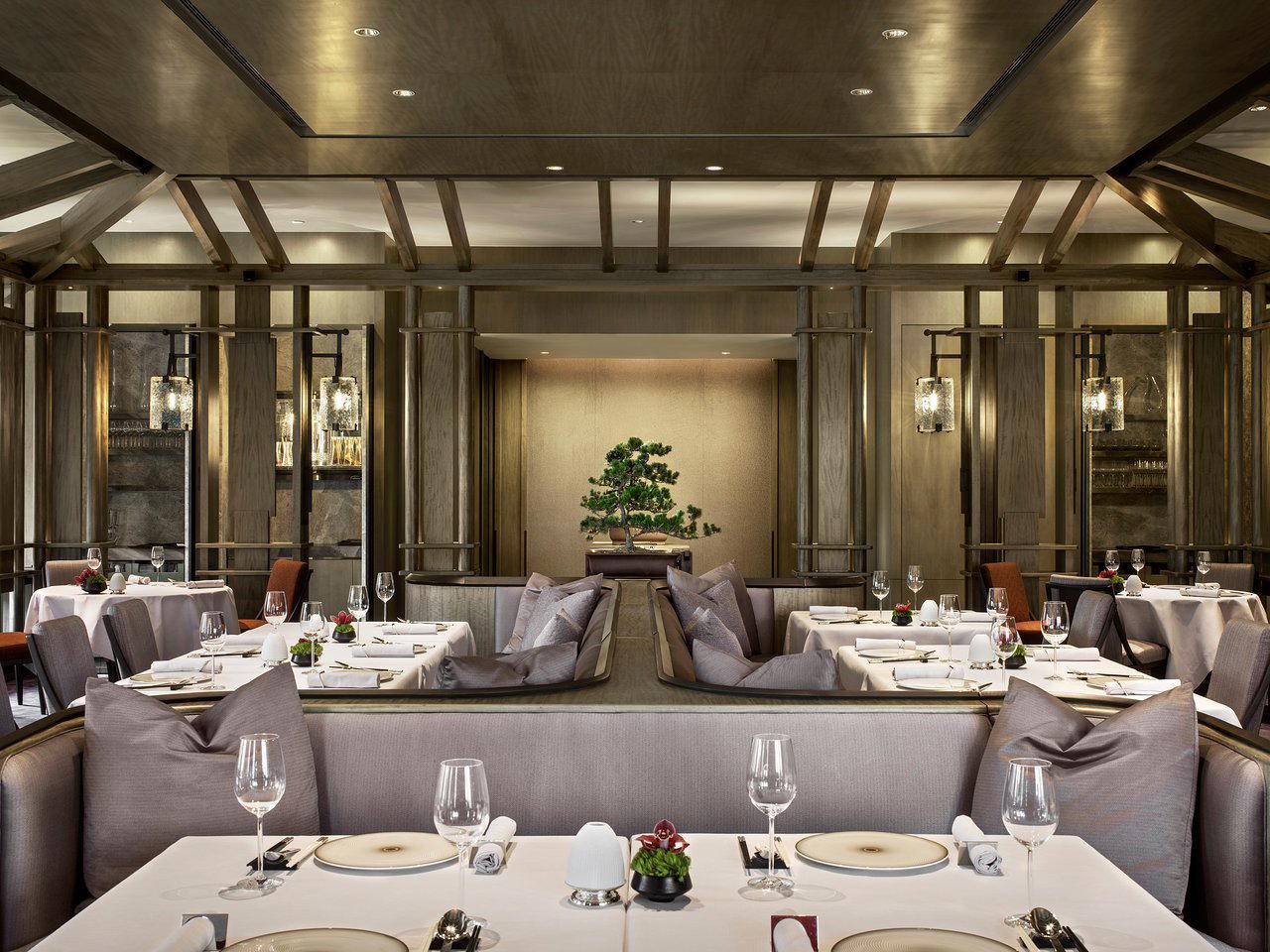
Japanese minimalism with serene atmosphere, museum-quality ceramics including 17th-century Ming dynasty pieces, and open kitchen for direct chef interaction.

Signature Dishes
Uni Dogclay pot rice