Skillet


Skillet at Menara Hap Seng holds two consecutive Michelin Plate recognitions (2024 and 2025) and positions itself at the more accessible end of Kuala Lumpur's European Contemporary tier, with a season-driven menu that weaves local ingredients into classical European technique. The set lunch offers strong value at the $$$ price point, and the wine cellar and lounge give the experience a deliberate pre- and post-dinner structure.
Pearl is the En Primeur Club membership app — saves, bookings, and concierge access live there. Same editors, same standards.
- Address
- Lot 1-01, Level 1, Menara Hap Seng, 3, Jalan P. Ramlee, Kuala Lumpur, 50250 Kuala Lumpur, Wilayah Persekutuan Kuala Lumpur, Malaysia
- Phone
- +60 19-212 1240
- Website
- skilletkl.com
- Directions
- Get directions
 Saves & bookings on Pearl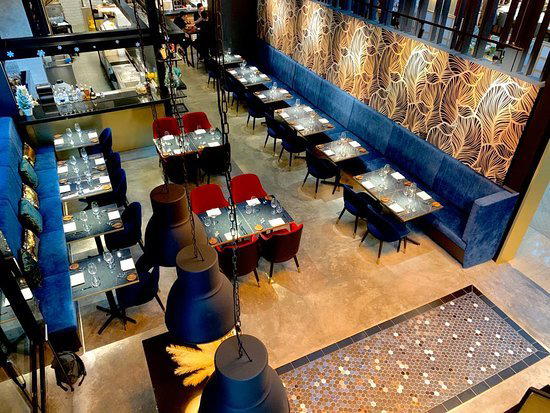
Where the Seasons Arrive Before the First Course
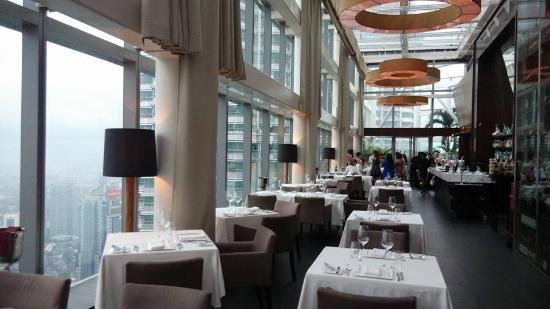
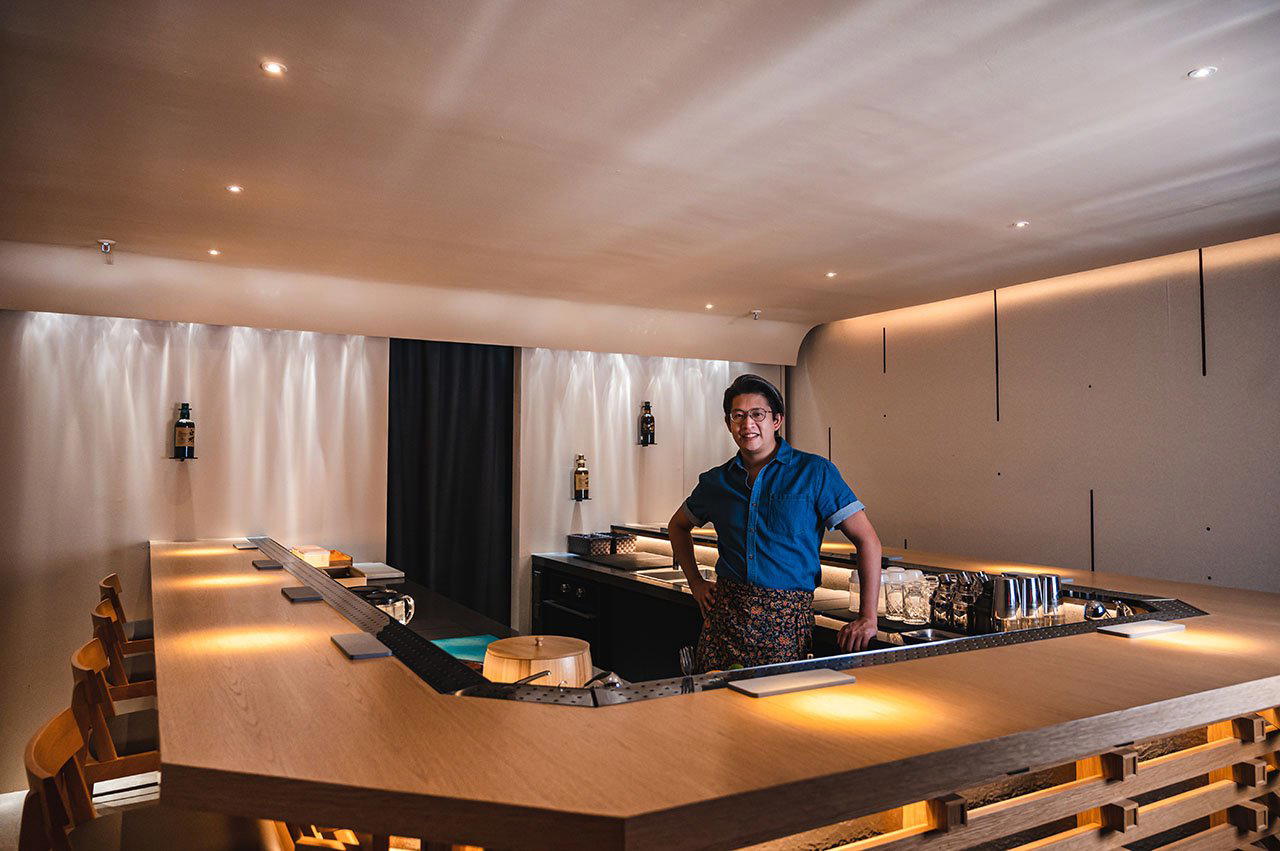
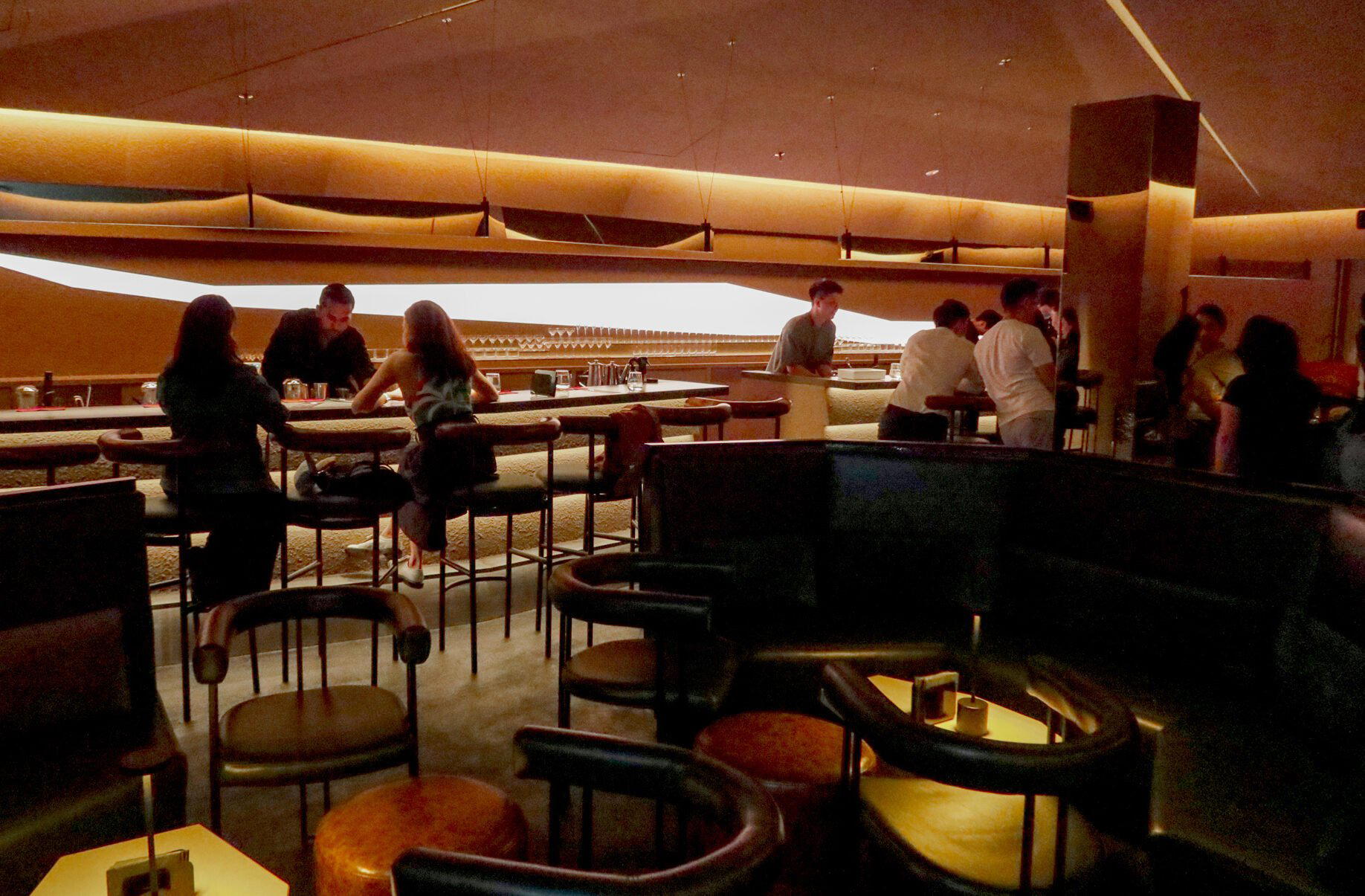
Skillet is a restaurant in Kuala Lumpur serving Modern European with Asian Influences, with a price point of $$$ and a Michelin Plate in 2024 and 2025. The corporate tower address on Jalan P. Ramlee is easy to read as a functional lunch stop, but the interior argues otherwise. Dried flower arrangements organised by season line the room, an immediate visual cue that the kitchen's calendar logic is built into the physical space itself. This is a deliberate design move common in European fine dining but less frequently executed with this level of consistency in Kuala Lumpur's mid-to-upper restaurant tier. The lounge at the front of the house, attached to a functioning wine cellar, sets a different rhythm to the meal: you are meant to arrive, settle, and build into the experience rather than walk straight to a table. The atmosphere leans formal without tipping into stiff, which is roughly where Kuala Lumpur's better European Contemporary addresses tend to sit.
The European Contemporary Tier in Kuala Lumpur
European Contemporary dining in Kuala Lumpur has widened considerably over the past decade. At the upper end of that market, DC. by Darren Chin (French Contemporary) and Molina (Innovative) operate at the $$$$ price point with full tasting-menu formats. Skillet sits one bracket lower at $$$, which positions it as the more accessible entry into serious European technique in the city, without the full commitment in cost or formality that the tasting-menu tier demands. That gap is where the restaurant carries most of its appeal: for diners who want rigorous technique and a considered wine program without a four-figure bill.
The Michelin Plate recognition in both 2024 and 2025 places Skillet in clear company. A Michelin Plate signals that inspectors found cooking worthy of attention, a meaningful threshold in a city where the guide's Malaysia coverage is still relatively young and where every awarded entry in the European Contemporary category occupies a niche against a much larger field of Malaysian and Chinese restaurants. For global comparisons in the same cuisine category, Zén in Singapore, Caractère in London, and Ad Astra in Taipei represent the breadth of how European Contemporary formats translate across Asian and European city contexts.
The Menu's Logic: Seasons and the Local Shelf
European cooking's classical structure, built on technique and seasonal rotation, does not always translate cleanly to a tropical city where the agricultural calendar runs differently. Skillet's response to that tension is the detail that most distinguishes it within its comparable set: the kitchen brings in local ingredients alongside the European framework rather than ignoring the geography entirely. Dried longan bread and ramson-flavoured angel hair pasta, both noted in the Michelin documentation, illustrate the approach. Longan, a fruit native to Southeast Asia, enters through the bread course; ramson, the European wild garlic, appears in pasta. Neither is a novelty combination for its own sake. Both reflect a menu built to acknowledge where the restaurant physically sits, even while its technique references a European tradition.
This approach places Skillet in a broader conversation happening across Kuala Lumpur's more ambitious kitchens. Dewakan (Malaysian) and Beta (Malaysian) approach the same question from the opposite direction, using classical fine-dining structure to refine Malaysian ingredients and technique. Skillet works inward from a European base, and the Michelin recognition across two consecutive years suggests that inspectors found the synthesis coherent rather than contrived. Elsewhere in the region, EHB in Shanghai and Schwarzer Adler in Hall in Tirol represent European Contemporary kitchens navigating their own local ingredient questions in different geographic contexts.
Lunch as the Strategic Entry Point
The set lunch at Skillet is explicitly flagged in the Michelin record as a value proposition, and it deserves treating as the primary access point for first visits. At the $$$ price tier, a set lunch format allows the kitchen to demonstrate the seasonal menu logic at a fraction of the full dinner spend, which is the rational approach for anyone mapping Kuala Lumpur's European Contemporary segment before committing to the longer dinner format. Lunch in the Menara Hap Seng building also draws a corporate crowd, which creates a different room dynamic than dinner, but the kitchen does not run a separate, simplified menu for that audience. The cooking remains technically consistent across both services, according to the Michelin documentation.
This lunch-as-entry-point dynamic is worth noting across KL's fine dining tier more broadly. Restaurants like Soleil share a similar approach where lunch becomes the more considered gateway into the full dining program.
The Wine Program and Lounge Structure
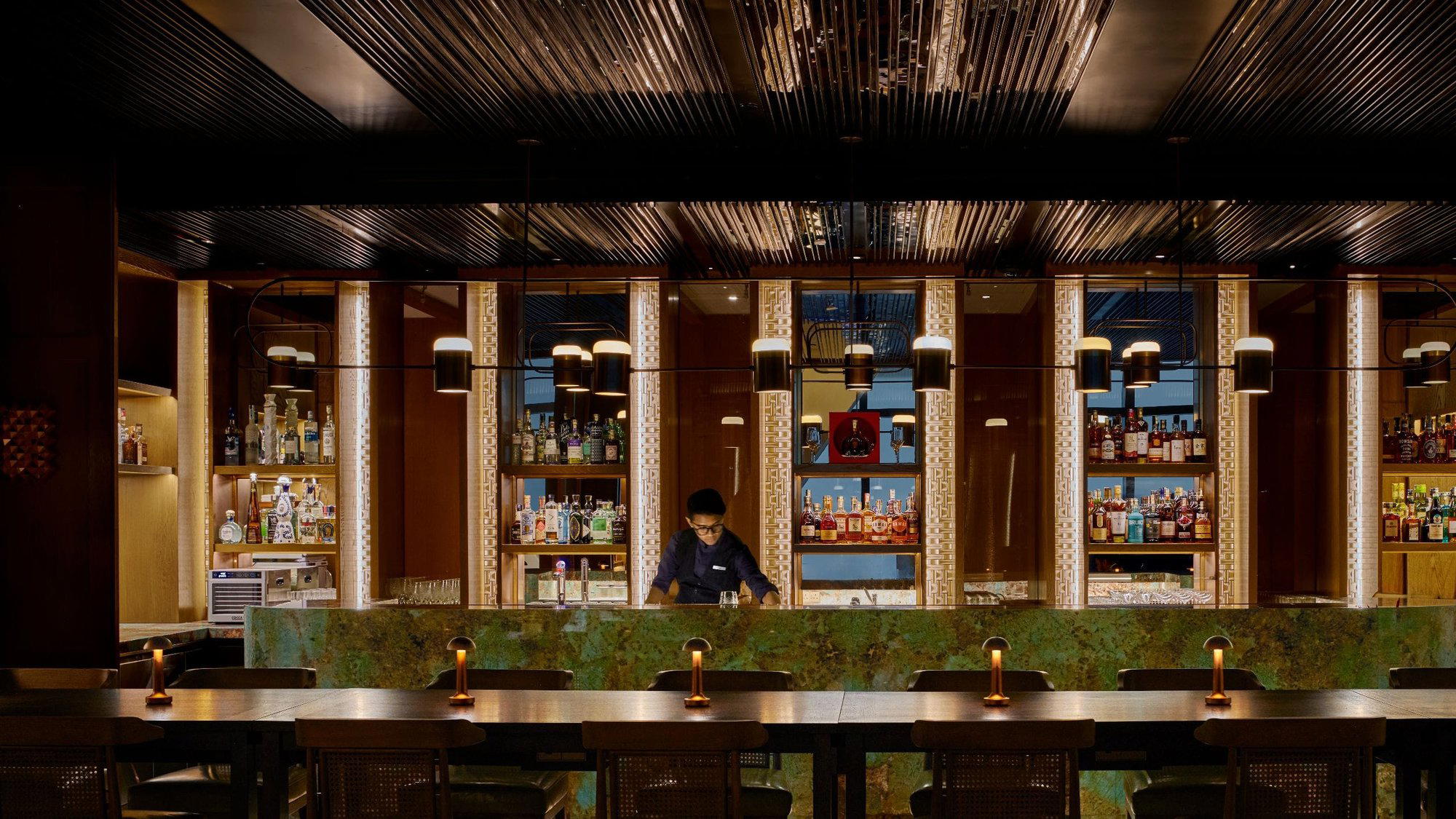
The wine cellar is visible from the lounge, not hidden in a back-of-house utility space, which means it functions as part of the room's visual identity. This presentation approach is relatively uncommon in KL's European Contemporary segment, where wine lists tend to be competent but rarely architecturally integrated into the dining space. The pre-dinner lounge sequence, combined with the cellar display, gives Skillet a format closer to European restaurant structures where aperitif time is treated as a distinct phase of the visit rather than a waiting-room necessity. For a $$$ address in a commercial tower, that formal hospitality logic is notable.
Know Before You Go
- Address: Lot 1-01, Level 1, Menara Hap Seng, 3 Jalan P. Ramlee, Kuala Lumpur 50250
- Cuisine: European Contemporary with Malaysian ingredient references
- Price range: $$$
- Awards: Michelin Plate 2024 and 2025 5 from 1,083 reviews
- Booking: Reservations essential
- Lunch: The set lunch menu offers the kitchen's seasonal program at a lower price point and is the recommended entry for first visits
- Wine: On-site cellar with pre-dinner lounge access
The Quick Read
Comparable venues nearby, for context on price, style, and recognition.
| Venue | Cuisine | Price | Notes |
|---|---|---|---|
| SkilletThis venue — the venue you are viewing | European Contemporary | $$$ | Not listed |
| Cilantro | Not listed | $$$$ | Kampong Dollah, Contemporary French-Japanese Fine Dining |
| Elegant Inn | Kampong Baharu, Hong Kong Cantonese | $$$ | Not listed |
| Bar Kar | Not listed | $$$ | Pulapol, Modern Malaysian Wood-Fired Grill |
| Frangipaani | Not listed | $$$ | Bukit Damansara, Contemporary North Indian with Goan influences |
| Ushi | Brickfields, Japanese Ozaki Beef Kaiseki | $$$$ | Not listed |
Recognition history
Dated appearances from independent guides and award organizations, with the underlying list record or original source where available.
Michelin Plate
Michelin
Star Wine List
Star Wine List
Michelin Plate
Michelin
Michelin Plate
Michelin
Continue exploring
More in Kuala Lumpur
Restaurants in Kuala Lumpur
Browse all →
Bars in Kuala Lumpur
Browse all →


At a Glance
- Elegant
- Modern
- Sophisticated
- Romantic
- Date Night
- Special Occasion
- Celebration
- Business Dinner
- Open Kitchen
- Wine Cellar
- Private Dining
- Extensive Wine List
- Sommelier Led
- Local Sourcing
- Zero Waste
Current opening hours
- Monday
- Closed
- Tuesday
- 6–10 PM
- Wednesday
- 6–10 PM
- Thursday
- 12–3 PM, 6–10 PM
- Friday
- 12–3 PM, 6–10 PM
- Saturday
- 12–3 PM, 6–10 PM
- Sunday
- 12–3 PM, 6–10 PM
Hours can change for holidays and private events. Last verified .
Contemporary urban setting with striking dried flower installations depicting the seasons, open-plan kitchen concept, tasteful modern décor, and a sophisticated lounge area for pre- or post-dinner drinks.