

Tabelog Bronze
Our verdict
Torisawa is a yakitori counter in Kameido, Koto City, where Chef Akira Nakazawa has built a following serious enough to earn consecutive Opinionated About Dining rankings, #236 in 2024, #255 in 2025, alongside a Tabelog Bronze Award. The format is classic izakaya-adjacent: skewers, smoke, and a rhythm that rewards slow evenings rather than quick meals.

Pearl is the En Primeur Club membership app, where members save venues, book tables and use the concierge.
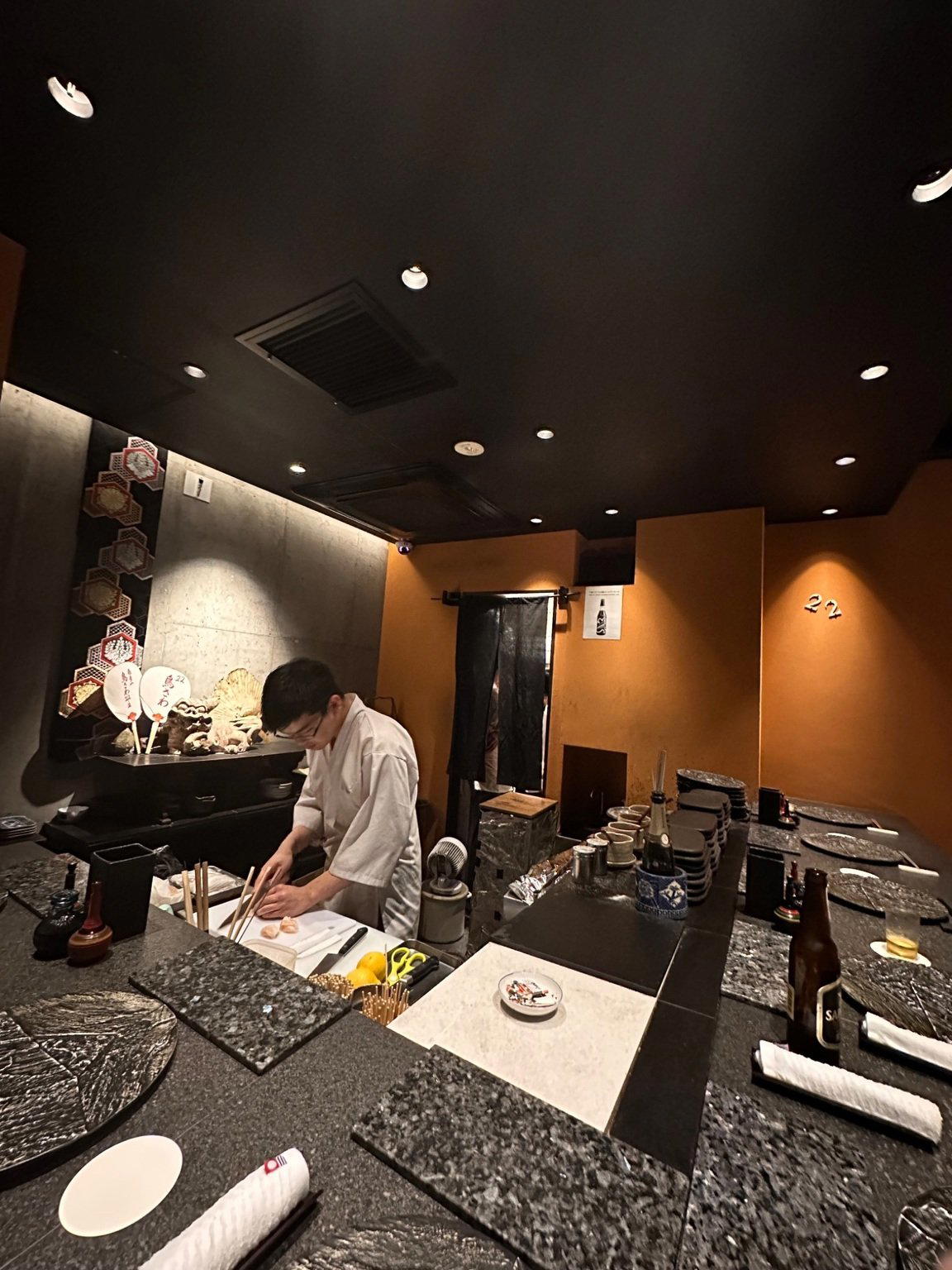
The menu
What to order
- Daisen chicken skewers
- Lanterns (nankotsu)
- Ginkgo nuts (ginnan)
- Chicken liver (chigimo)
- Toris Noodle
Where the Skewer Is the Point, Not the Preamble
Tokyo's yakitori scene divides into two broad camps. The first is the high-concept counter, where premium Jidori chicken, precisely sourced from named farms, anchors an omakase progression and prices reflect the kaiseki adjacency. The second is the izakaya-rooted grill house, where the cooking is no less serious but the social contract is different: you're there to drink, eat in your own order, and stay as long as the last skewer demands. Torisawa, operating out of Kameido in Koto City, belongs firmly to the second tradition, and it has accumulated enough critical recognition to suggest that tradition is being executed at a high level.
The Opinionated About Dining list, which draws on thousands of verified diner submissions weighted toward frequency and consistency, placed Torisawa at #236 among all Japanese restaurants in 2024, rising from a Highly Recommended citation in 2023 before settling at #255 in 2025. A Tabelog score of 3.87, supplemented by a Tabelog Bronze Award in 2025, places it in a bracket where fewer than a fraction of Tokyo's several thousand yakitori-category listings sit.
The Izakaya Logic and Why It Matters Here
The izakaya format is frequently misread outside Japan as simply informal dining. It is more specifically a social architecture: the meal exists to extend the drinking session, the table turns slowly if at all, and the kitchen's job is to keep the conversation going rather than to impose a narrative. Skewers arrive when they're ready. You order another round of highball or shochu and decide whether you want tsukune next or liver. The cook at the grill is not staging a performance, they're maintaining a rhythm.
What makes a yakitori counter in this mold succeed critically is precisely what makes it hard to replicate: consistency across a long service and a wide range of cuts. Anyone can char a thigh well on a good night. Threading the needle on less forgiving cuts, heart, gizzard, skin, cartilage, over a full evening of back-to-back orders is where skill shows. Kameido is not a dining-destination neighbourhood in the way that Nishi-Azabu or Ginza are, which means Torisawa's recognition has been earned through the food rather than the address.
Kameido and the Value of an Unfashionable Postcode
Koto City sits east of central Tokyo, across the Sumida River from the more frequently cited dining wards. Kameido itself is a working residential neighbourhood: a large shrine, a covered shopping street, and a grid of low-rise blocks that has not been significantly touched by the westward drift of Tokyo's dining scene. The area's dining culture runs on local loyalty rather than destination traffic, which historically produces a different kind of restaurant, one that earns repeat visits from people who live within walking distance and will be back next week if anything is off.
That context matters when reading Torisawa's Tabelog score. A 3.87 in a neighbourhood without the gravitational pull of Ebisu or Roppongi is a different kind of achievement than the same number in Ginza. The comparison set is not the high-concept omakase counters of central Tokyo; it's the broader field of neighbourhood-anchored yakitori houses across the city, where the benchmark is regular, reliable, and worth the commute.
Chef Akira Nakazawa and the Counter Tradition
In the yakitori world, chef lineage tends to matter less as a marketing signal and more as a practical guarantee of technique. The tradition of apprenticeship in Japanese grill cooking is well-established, and at a counter level, the chef's presence during service is the constant rather than a rotating brigade. That trajectory, from Highly Recommended to a ranked position, is not a debut spike but a consolidation.
For comparison, the yakitori category in Tokyo includes counters operating at a wide range of price and format points. At one end, places like Yakitori Omino and Asagaya BIRD LAND represent the format at its most critically refined. Torisawa operates at a different register: more neighbourhood-anchored, more izakaya in its social rhythm, but with recognition signals that place it well above casual grill territory.
The Service Hours and What They Suggest
Torisawa runs from 5:30 pm to 11 pm Monday through Thursday, extends to 11:30 pm on Fridays, and opens at 5 pm on Saturdays. Sunday is closed. That schedule is the exact shape of a restaurant built for the working week: the early opening on Saturdays acknowledges that the evening starts earlier when there's no office to return to the next morning. The late Friday close is a practical concession to the same logic. There are no lunch sittings, no afternoon service, no weekend brunch pivot. This is a dinner-and-drinks operation, structured around the social function it performs rather than around seat-turn maximization.
That kind of schedule signals something about the ownership philosophy without requiring any editorial invention: the kitchen's energy is concentrated into evening service, every night of the working week, with a day of rest on Sunday. For a yakitori counter where the grill work is physical and the consistency bar is set by repeat locals, that structure is rational rather than precious.
Tokyo's Yakitori Tradition in Context
Yakitori as a category sits in an interesting position within Tokyo's broader dining conversation. The city's international reputation is built substantially on sushi, ramen, and kaiseki, with yakitori functioning as a supporting register rather than a headliner. But within Japan, the form is taken seriously enough to generate its own Michelin recognition, its own dedicated OAD tracking, and its own geography of acclaimed counters. The skewer format has expanded well beyond chicken in many serious kitchens, and the sourcing conversation around breeds, feed, and slaughter age has become as granular in the leading yakitori tier as it is in kaiseki.
Torisawa's position in this field, anchored in an east Tokyo neighbourhood and recognised consistently across three evaluation cycles, is evidence that the form's serious practitioners are not concentrated only in the obvious central wards. For those exploring the wider Tokyo dining scene, the EP Club's full Tokyo restaurants guide provides context across categories and neighbourhoods. Those planning a broader Japan itinerary might also consider recognised addresses in other cities: HAJIME in Osaka, Gion Sasaki in Kyoto, akordu in Nara, Goh in Fukuoka, 1000 in Yokohama, and 6 in Okinawa. For yakitori specifically beyond Tokyo, Ichimatsu in Osaka and Torisaki in Kyoto represent the format in their respective cities.
Other Tokyo counters worth placing alongside Torisawa in a broader dining itinerary include 124. KAGURAZAKA, Aramaki, and Aria di Takubo, each operating in distinct registers from Torisawa but together mapping the range of serious dinner options in the city. For accommodation, nightlife, and experience planning, the EP Club's Tokyo hotels guide, bars guide, and experiences guide cover the broader picture, with a wineries guide for those interested in the Japanese wine and sake scene.
Know Before You Go
- Address: 2 Chome-24-13 Kameido, Koto City, Tokyo 136-0071, Japan
- Hours: Monday to Thursday 5:30–11 pm | Friday 5:30–11:30 pm | Saturday 5–11 pm | Sunday closed
- Awards: Opinionated About Dining Leading Restaurants in Japan #255 (2025), #236 (2024), Highly Recommended (2023); Tabelog Bronze Award 2025, score 3.87
- Cuisine: Yakitori / Poultry
- Chef: Akira Nakazawa
- Booking: Contact details available via Tabelog listing
What Do People Recommend at Torisawa?
The public record on Torisawa does not include a documented signature dish in the venue data available to EP Club. What the awards trail does confirm is that the kitchen operates at a Tabelog Bronze level with a score of 3.87, placing it among a small cohort of yakitori addresses in Tokyo recognised for consistency across the full range of skewer cuts rather than a single headline preparation. In the yakitori tradition, the most telling indicators of quality are the treatment of offal cuts, liver, heart, gizzard, and the precision applied to tsukune, the minced chicken skewer where texture and seasoning carry the most weight. Torisawa's consecutive OAD recognition, anchored by peer yakitori counters operating in the same critical field, suggests the kitchen's range is broad enough to sustain that level of attention. For dish-level detail, Tabelog's user-generated content and the restaurant's own current menu remain the authoritative sources.
Frequently asked questions
What days is Torisawa closed?
Hours at Torisawa: Hours: Monday 5:30–11 pm Tuesday 5:30–11 pm Wednesday 5:30–11 pm Thursday 5:30–11 pm Friday 5:30–11:30 pm Saturday 5–11 pm Sunday Closed.
What's Torisawa known for in terms of accolades?
Torisawa has received recognition including: Opinionated About Dining Top Restaurants in Japan Ranked #255 (2025); Tabelog Bronze Award 2025 Score: 3.87 Cuisine: Yakitori/Poultry / Tokyo Phone: 03-3499-1808 Hours: ■Closed onSundays and public holidays Address: Tokyo Minato Ward NishiA….
What do people recommend at Torisawa?
No single signature dish is formally documented in the public record for Torisawa. What the awards trail does establish is consistent quality across the chicken-focused menu: the restaurant has held a Tabelog Bronze Award with a score of 3.87 and has appeared on Opinionated About Dining's Top Restaurants in Japan list three consecutive years, reaching #236 in 2024 and #255 in 2025. In yakitori at this level, the recommendation is almost always to follow the omakase sequence rather than order selectively, the counter format at Kameido is built around that progression.
Where is Torisawa located?
Torisawa is located at 2 Chome-24-13 Kameido, Koto City, Tokyo 136-0071, Japan, Tokyo.
Where the Accolades Land
A quick snapshot of similar venues for side-by-side context.
| Venue | Cuisine | Price | Awards | Notes |
|---|---|---|---|---|
| TorisawaThis venue (the venue you are viewing) | Premium Yakitori Omakase | $200–300 | Tabelog Bronze | Not listed |
| Harutaka | Edo-Style Omakase Sushi | $200–300 | 3 Michelin Stars · World's 50 Best #76 | Sushi |
| RyuGin | Modern Kaiseki | $500+ | 3 Michelin Stars · World's 50 Best #41 | Kaiseki, Japanese |
| L'Effervescence | Modern French with Japanese Influences | $200–300 | 3 Michelin Stars · World's 50 Best #69 | French |
| HOMMAGE | Modern French with Japanese Influences | $150–200 | 2 Michelin Stars · World's 50 Best #78 | Innovtive French, French |
| MAZ | Innovative Peruvian-Japanese Fusion | $150–200 | 2 Michelin Stars · World's 50 Best #28 | Innovative |
Recognition history
Dated appearances from independent guides and award organizations, with the underlying list record or original source where available.
Opinionated About Dining Top Restaurants in Japan Recommended
Opinionated About Dining
Tabelog Bronze
Tabelog
Full recognition history (6 entries)
Opinionated About Dining Top Restaurants in Japan Ranked #255
Opinionated About Dining
Tabelog 100 #53 · No. 53
Tabelog · Tabelog 100 - Yakitori - EAST - 2025
Opinionated About Dining Top Restaurants in Japan Ranked #236
Opinionated About Dining
Opinionated About Dining Top Restaurants in Japan Highly Recommended
Opinionated About Dining
Continue exploring
More in Tokyo
Restaurants in Tokyo
All restaurants in Tokyo →






Details
- Intimate
- Elegant
- Sophisticated
- Special Occasion
- Date Night
- Celebration
- Business Dinner
- Chefs Counter
- Open Kitchen
- Sake Program
- Local Sourcing
- Omakase
- Counter Dining
- Sake
- Wine
- Allergy Accommodating
Current opening hours
- Monday
- 5:30–11 PM
- Tuesday
- 5:30–11 PM
- Wednesday
- 5:30–11 PM
- Thursday
- 5:30–11 PM
- Friday
- 5:30–11:30 PM
- Saturday
- 5–11 PM
- Sunday
- Closed
Hours can change for holidays and private events. Hours as of .
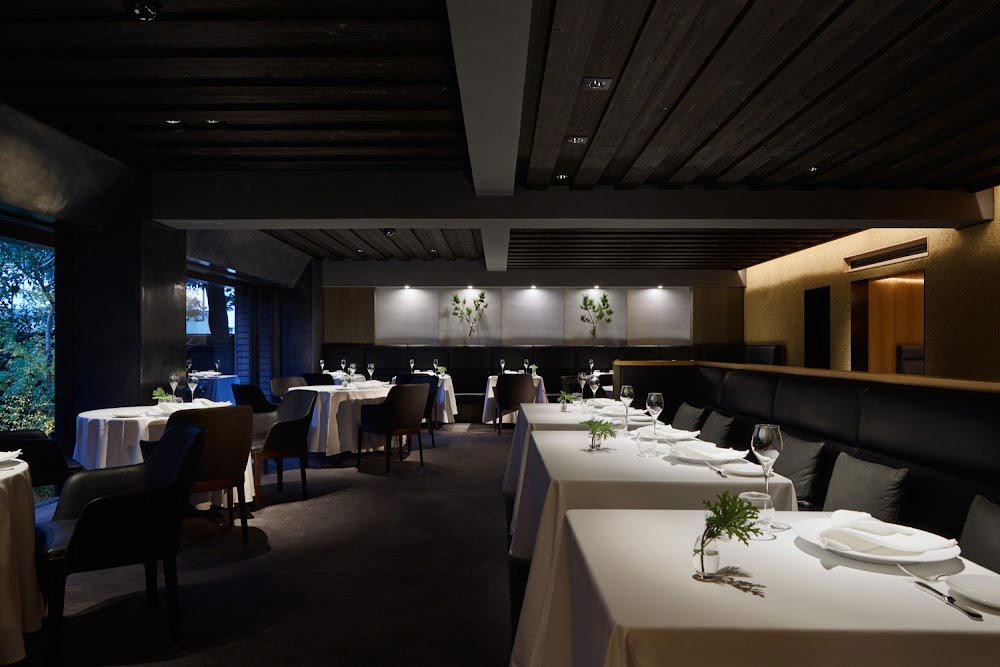
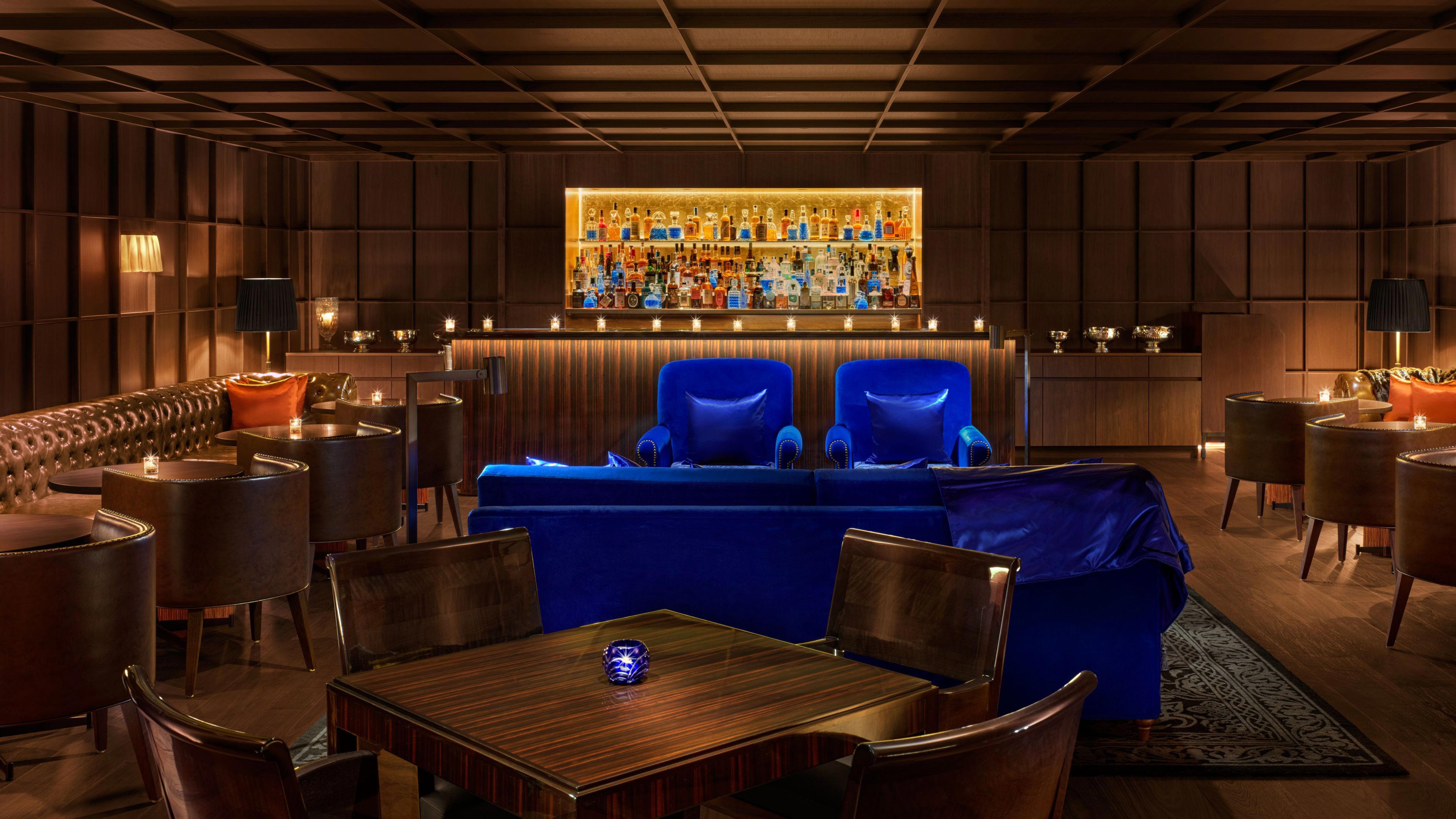
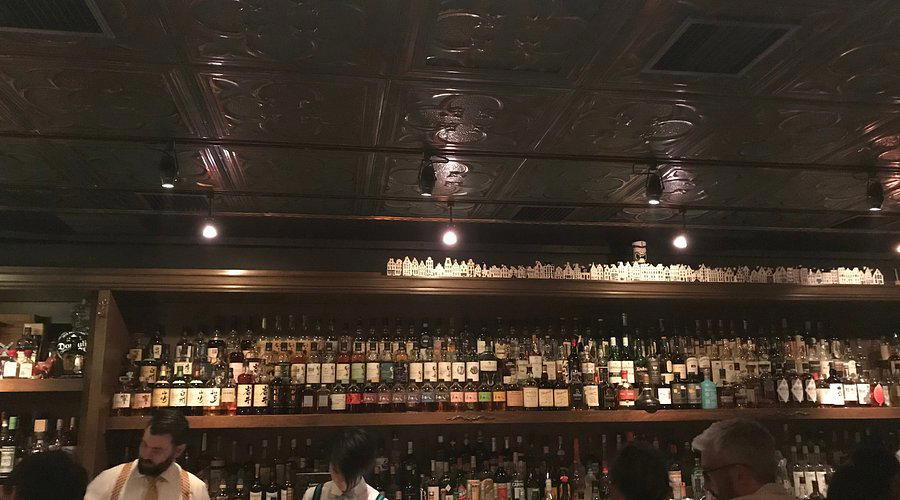
Minimalist low-profile address with subtle signage, warm lighting from grilling stations, curated 90s pop music, intimate counter and table seating creating a relaxed yet refined atmosphere.