Sushi Love Las Vegas
Sushi Love sits on the southern stretch of Las Vegas Boulevard, well outside the concentrated energy of the Strip's resort corridor. The address places it in a neighbourhood where local diners, not hotel guests, set the tone, a different context for Japanese dining than the celebrity-chef rooms that dominate the city's hospitality marketing. For visitors willing to travel south, it represents a shift in register from the spectacle-first dining formats common further up the boulevard.
Pearl is the En Primeur Club membership app — saves, bookings, and concierge access live there. Same editors, same standards.
- Address
- 7430 S Las Vegas Blvd, Las Vegas, NV 89123
- Phone
- +17029544926
- Website
- sushilovelv.com
- Directions
- Get directions
 Saves & bookings on Pearl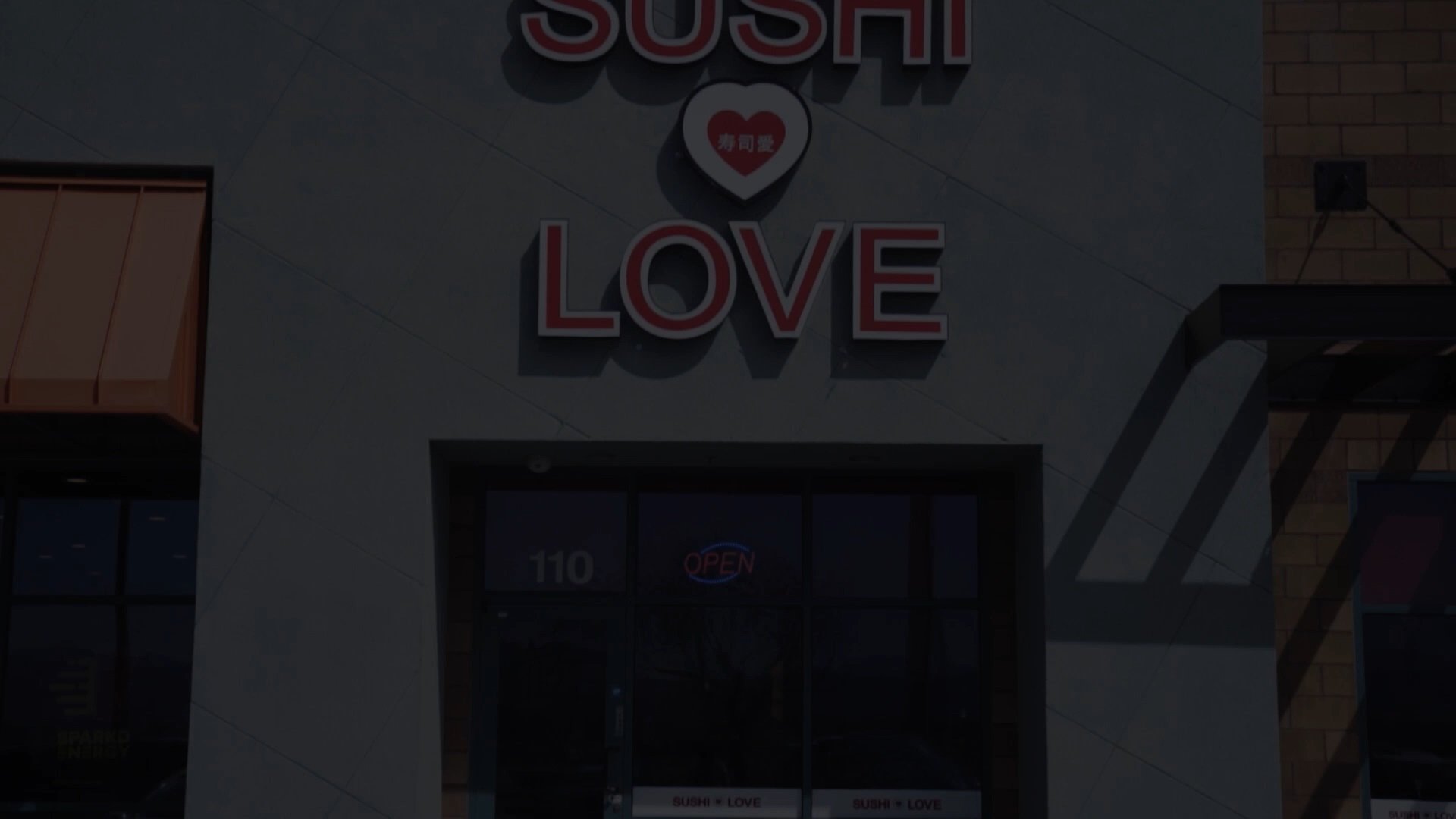
South of the Strip: What the Address Tells You
Las Vegas dining has long been organised around a simple geography: the resort corridor on and immediately adjacent to the Strip concentrates the city's highest-profile rooms, its Michelin-recognised kitchens, and its most theatrical formats. Everything south of the airport tends to operate in a different register entirely. At 7430 S Las Vegas Blvd, Sushi Love sits in that southern residential and commercial stretch, a part of the city where the customer base skews local and repeat rather than convention-week and hotel-concierge-referred. That positioning matters more than it might appear on a map.
Japanese dining in Las Vegas splits across several distinct tiers. At the leading end, properties like Aburiya Raku have built national reputations for serious yakitori and robata programming. Blue Ribbon Sushi Bar and Grill operates within the resort ecosystem, serving a volume-oriented format tuned for hotel traffic. Between those poles and below them sits a dense layer of neighbourhood Japanese restaurants serving Las Vegas's large and genuinely food-literate residential population, a group that tends to be less interested in celebrity-chef branding and more attuned to consistency, value, and proximity. Sushi Love's south-boulevard address places it squarely in that neighbourhood tier.
The Sushi Category in a Resort City
Understanding where Sushi Love fits requires some context about how sushi has evolved as a dining category in American cities with large Japanese restaurant populations. In markets like Los Angeles, the sushi spectrum runs from conveyor-belt and supermarket counter formats all the way through omakase-only rooms with four-month waiting lists. Las Vegas has compressed a similar range into fewer venues, with the Strip's premium economics pulling the upper tier toward expensive omakase formats while the neighbourhood level continues to serve the city's own residents.
The neighbourhood sushi model, menu-driven, table-service, accessible price points, family-appropriate, remains the dominant format across most American cities. It sits in contrast to the allocation-based omakase model that has attracted attention from critics in cities like New York and San Francisco, where Atomix in New York City represents the kind of high-concept, highly structured dining that sets the critical benchmark. Las Vegas has its own version of that fine-dining ambition, with rooms drawing comparisons to flagship American restaurants like Le Bernardin in New York City or The French Laundry in Napa. Sushi Love does not compete in that register. Its south-Strip address signals a different set of priorities.
What the Location Delivers
The practical implication of the south Las Vegas Boulevard address is significant for anyone planning around it. Visitors staying on the central or northern Strip should account for travel time, and the distance from MGM Grand to this address is substantial enough to require a ride-share rather than a walk. For visitors staying at properties in the southern corridor, or for Las Vegas residents in Henderson and the surrounding suburbs, the location is considerably more convenient than the clustered dining rooms of the resort district.
That trade-off, less convenient for Strip hotel guests, more natural for residential diners and south-side visitors, defines the experience before you arrive. Neighbourhood Japanese restaurants in this part of Las Vegas tend to operate without the cover charge, minimum spend, or choreographed booking windows that characterise the resort dining ecosystem. The comparison set here is less Alinea in Chicago or Blue Hill at Stone Barns in Tarrytown and more the local sushi rooms that Las Vegas residents return to weekly.
Las Vegas's Neighbourhood Dining Layer
The city's residential dining scene is less visible to outside coverage than its resort properties, but it is substantial. Las Vegas has a population of over 650,000 within city limits, with the broader metropolitan area approaching two million. That residential base supports a dense layer of neighbourhood restaurants, including Japanese, Korean, and other Asian dining formats, that operate largely outside the tourism economy. The south Strip corridor, adjacent to Henderson and the Green Valley area, is one of the denser concentrations of that residential dining activity.
Other neighbourhood-oriented restaurants in the EP Club Las Vegas record include 108 Eats, 18bin, and 777 Korean Restaurant, all operating at some distance from the Strip's resort infrastructure. A Different Beast represents another format in that same neighbourhood-first tier. These venues collectively suggest that Las Vegas's most interesting dining for residents often happens off the promotional radar that covers the resort corridor. For contrast, Strip-adjacent steakhouse programming like Craftsteak operates in an entirely different economic and experiential context. See our full Las Vegas restaurants guide for coverage across both tiers.
The broader American dining context is worth noting here too. The same period that produced destination-level ambition at Single Thread Farm in Healdsburg, Providence in Los Angeles, Addison in San Diego, and The Inn at Little Washington in Washington also saw the neighbourhood sushi format expand and consolidate across American cities. The two tracks developed in parallel, serving different needs. Venues like Lazy Bear in San Francisco or Emeril's in New Orleans represent destination programming with heavy editorial attention; the neighbourhood Japanese room represents the dining that actually sustains most cities week to week. Both matter. They are not in competition. The same logic applies to comparing 8 1/2 Otto e Mezzo Bombana in Hong Kong to a local trattoria, the frame shifts the entire evaluation.
Planning Your Visit
Address: 7430 S Las Vegas Blvd, Las Vegas, NV 89123. Getting There: The location is best reached by ride-share from central Strip properties; it is not walkable from the resort corridor. Reservations: Recommended. Hours: Mon: 11 AM-9 PM; Tue: 11 AM-9 PM; Wed: 11 AM-9 PM; Thu: 11 AM-9 PM; Fri: 11 AM-10 PM; Sat: 11 AM-10 PM; Sun: 11 AM-9 PM. Price: About $30 per person. Dress: Business casual.
Where the Accolades Land
Comparable venues nearby, for context on price, style, and recognition.
| Venue | Cuisine | Price | Notes |
|---|---|---|---|
| Sushi Love Las VegasThis venue — the venue you are viewing | Japanese Sushi | $$ | Not listed |
| Kabuki Japanese Restaurant | Japanese Sushi & Traditional | $$ | Boulder Junction |
| Sushi Fever | Traditional Japanese Sushi | $$ | West Sahara |
| Yama Sushi | All-You-Can-Eat Sushi | $$ | Eastside |
| Yu or Mi Sushi | Japanese Sushi Bar | $$$ | Rhodes Ranch |
| Monta Ramen | Authentic Japanese Tonkotsu Ramen | $$ | The Asian District |
Continue exploring
More in Las Vegas
Restaurants in Las Vegas
Browse all →
Bars in Las Vegas
Browse all →
At a Glance
- Trendy
- Cozy
- Casual Hangout
- Group Dining
- Open Kitchen
- Sake Program
Current opening hours
- Monday
- 11 AM–9 PM
- Tuesday
- 11 AM–9 PM
- Wednesday
- 11 AM–9 PM
- Thursday
- 11 AM–9 PM
- Friday
- 11 AM–10 PM
- Saturday
- 11 AM–10 PM
- Sunday
- 11 AM–9 PM
Hours can change for holidays and private events. Last verified .
Low-key and relaxing atmosphere with moderate noise levels.