Monta Ramen
On Spring Mountain Road, Las Vegas's most concentrated corridor for serious ramen, Monta Ramen holds a firm position among regulars who treat the strip as a weekly ritual rather than a tourist detour. The kitchen works within Hakata-style traditions, where pork-bone broth and thin noodles define the format, and the room operates at a pace that rewards those who show up knowing what they want.
Pearl is the En Primeur Club membership app — saves, bookings, and concierge access live there. Same editors, same standards.
- Address
- 5030 Spring Mountain Rd #6, Las Vegas, NV 89146
- Phone
- +17023674600
- Website
- montaramen.com
- Directions
- Get directions
 Saves & bookings on Pearl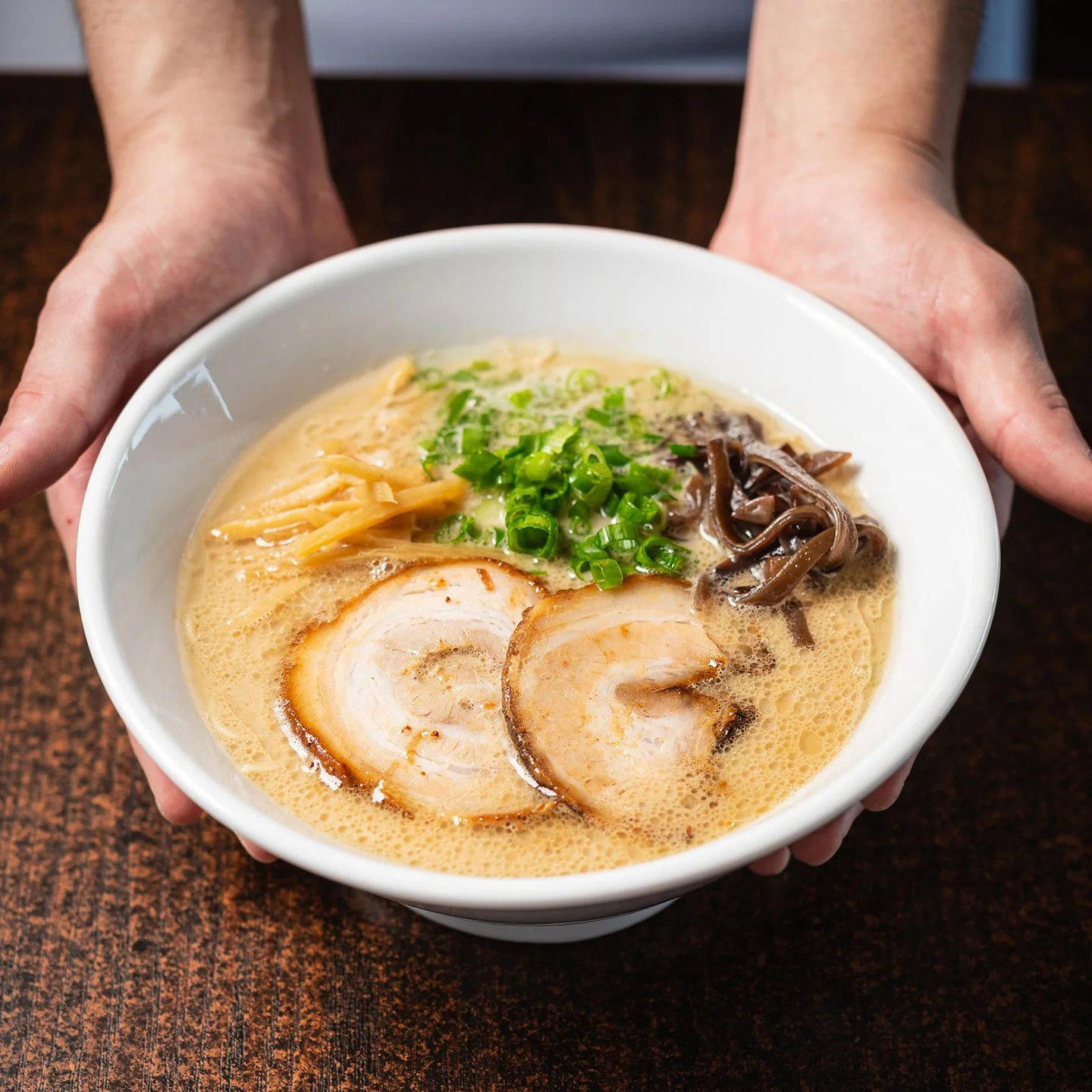
Spring Mountain Road and the Ramen Corridor It Created
Las Vegas has two dining cities running in parallel. One is the Strip, where celebrity chef outposts, theatrical service formats, and price points calibrated to expense accounts define the experience. The other runs along Spring Mountain Road, where Japanese, Korean, Chinese, and Vietnamese kitchens serve a local population that measures quality by consistency, not spectacle. Monta Ramen is an authentic Japanese tonkotsu ramen restaurant at 5030 Spring Mountain Rd #6 in Las Vegas. Neighboring blocks hold izakayas, sushi counters, and the kind of grocery stores that stock the ingredient base these kitchens actually depend on.
That geography matters when thinking about what Monta Ramen is and who it's for. This is not a ramen concept designed to translate the format for an audience unfamiliar with it. The room, the service rhythm, and the menu speak to regulars who have opinions about broth clarity, noodle gauge, and tare ratios. Walking in, the atmosphere reads closer to a neighborhood shop in Fukuoka than to the ramen chains that have expanded through American cities on the back of social media attention. The lighting is functional. The smell hits immediately: pork fat and soy, warm and specific in a way that no amount of interior design could manufacture.
The Hakata Tradition and What It Demands of a Kitchen
Hakata-style ramen, the dominant tradition here, is among the more demanding formats to execute with integrity. The tonkotsu broth that defines it requires extended simmering of pork bones, often exceeding twelve hours, to achieve the milky opacity and layered fat content that distinguishes a serious bowl from an approximation. The noodles are thin and firm, calibrated to resist overcooking in a broth that stays hot and active at the table. These are not aesthetic choices, they are technical constraints that determine whether the dish holds together or collapses into a muddy, overcooked mass.
In a city where the supply chain for Japanese ingredients is more developed than most outsiders assume (the Spring Mountain corridor supports enough Japanese-operated kitchens to justify specialist importers and distributors), a kitchen working in this tradition has access to the core components the format requires. The question is always execution: how the broth is built, how the fat is managed, how the seasoning layer, or tare, is calibrated against the broth's base. These are the variables that separate the ramen counters regulars return to from the ones they visit once.
Ramen kitchens operating in the Hakata tradition do the opposite: sourcing is invisible, embedded in technique, and the product speaks without narration. That restraint is its own form of discipline.
Where Monta Sits in the Las Vegas Japanese Dining Scene
The Spring Mountain corridor gives Las Vegas a Japanese dining ecosystem that operates largely outside the coverage most visitors encounter. Aburiya Raku, one of the more documented Japanese kitchens in the city, draws a late-night crowd of industry professionals from Strip restaurants who understand what they're eating. Blue Ribbon Sushi Bar and Grill represents a different tier, translating Japanese formats for a broader, more mixed audience. Monta Ramen sits in neither of those positions. It functions as a neighborhood anchor: the kind of place that locals build habits around rather than visit for special occasions.
That positioning is not a limitation. In any serious food city, the neighborhood-anchor category produces particularly consistent and technically grounded cooking available. That accountability tends to produce refinement over time in a way that destination dining does not always require.
Las Vegas has a broader restaurant ecosystem worth mapping for visitors who want to move beyond the Strip. 108 Eats, 18bin, 777 Korean Restaurant, and A Different Beast all operate in different registers of that off-Strip ecosystem.
Planning a Visit
The restaurant is located at 5030 Spring Mountain Road, Suite 6, in the western part of Las Vegas well away from the Strip. The address places it in a strip-mall format typical of the corridor, where context comes from what's around the building rather than the building itself. Arriving without a plan is fine for a ramen counter, this is not a venue that requires weeks of advance booking the way a tasting-menu reservation at, say, Atomix in New York City or Providence in Los Angeles would. However, peak evening hours on weekends produce waits, and the room does not operate on a reservation system that absorbs demand in advance. Coming earlier in the evening or during weekday hours gives direct access.
For reliable information on hours and any format changes, a direct check through current local listings before visiting is the practical approach. Dress is casual; this is a counter-service-adjacent format where the transaction is fast and the focus is the bowl.
Off-Strip options like those along Spring Mountain give a more grounded picture of what the city actually eats. Both are worth understanding on their own terms.
Comparable Spots, Quickly
Comparable venues nearby, for context on price, style, and recognition.
| Venue | Cuisine | Price | Notes |
|---|---|---|---|
| Monta RamenThis venue — the venue you are viewing | Authentic Japanese Tonkotsu Ramen | $$ | Not listed |
| Curry Zen | Authentic Japanese Curry | $$ | The Asian District |
| Yama Sushi | All-You-Can-Eat Sushi | $$ | Eastside |
| MURA Japanese BBQ & Shabu | Japanese BBQ & Shabu-Shabu | $$$ | Spring Valley |
| Yu or Mi Sushi | Japanese Sushi Bar | $$$ | Rhodes Ranch |
| Yuzu Japanese Kitchen | Traditional Japanese Kaiseki | $$$ | Silver Pointe |
Continue exploring
More in Las Vegas
Restaurants in Las Vegas
Browse all →
Bars in Las Vegas
Browse all →
At a Glance
- Cozy
- Trendy
- Casual Hangout
- Late Night
- Sake Program
Current opening hours
- Monday
- 11:30 AM–11 PM
- Tuesday
- 11:30 AM–11 PM
- Wednesday
- 11:30 AM–11 PM
- Thursday
- 11:30 AM–11 PM
- Friday
- 11:30 AM–11 PM
- Saturday
- 11:30 AM–11 PM
- Sunday
- 11:30 AM–11 PM
Hours can change for holidays and private events. Last verified .
Cozy and small with an authentic Japanese noodle house atmosphere, consistently busy with attentive service.