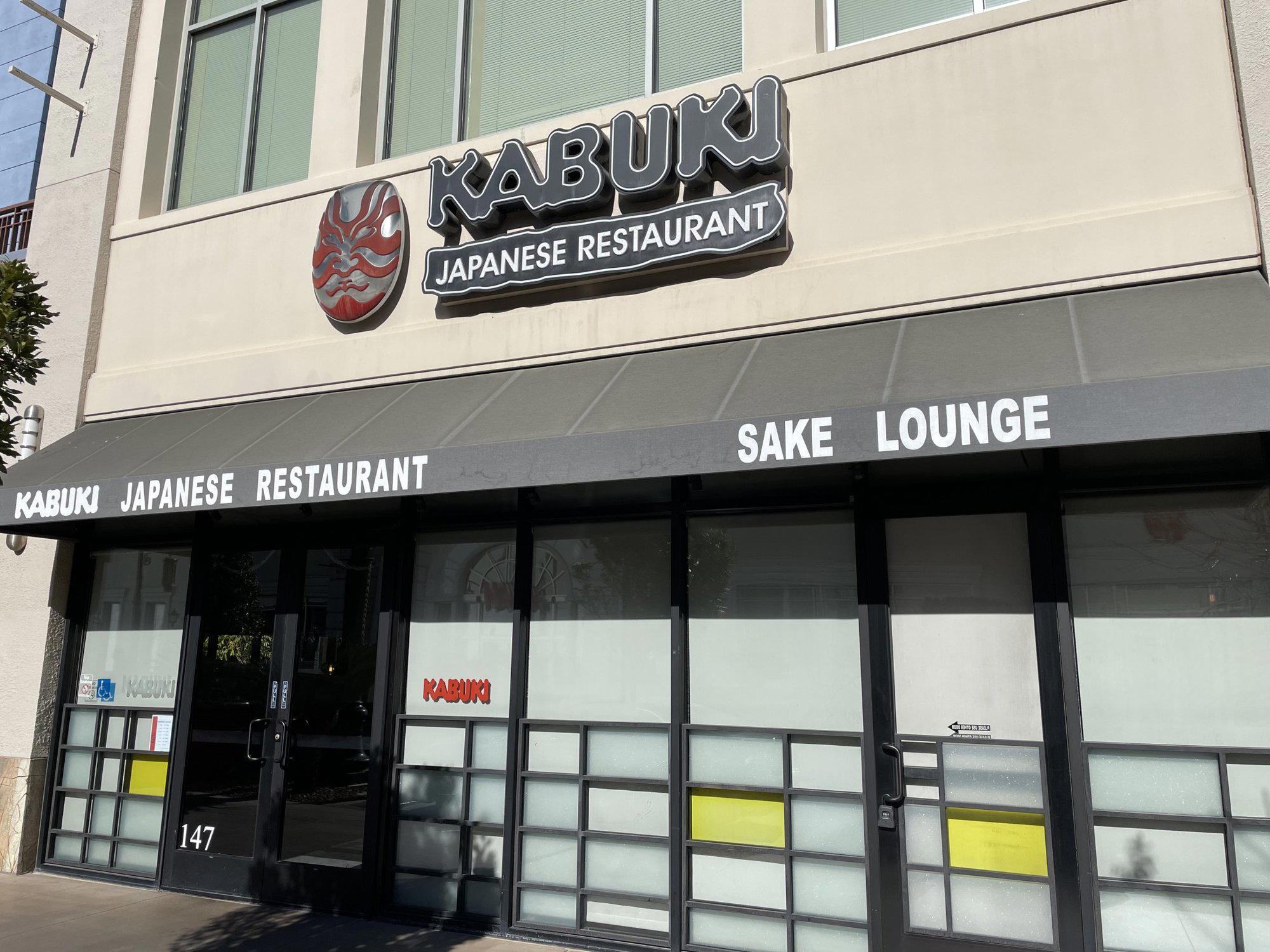
Kabuki Japanese Restaurant
Kabuki Japanese Restaurant occupies a strip-mall address at 6605 S Las Vegas Blvd that sits outside the resort corridor's usual orbit, placing it in a tier of neighborhood Japanese dining that Las Vegas has been quietly building for years. The format skews toward accessible, broad-menu Japanese rather than omakase counter dining, making it a different proposition than the high-ticket sushi rooms inside the major casino hotels.
 Discover on Pearl
Pearl is the En Primeur Club membership app — saves, bookings, and concierge access live there. Same editors, same standards.
- Address
- 6605 S Las Vegas Blvd Suite 147, Las Vegas, NV 89119
- Phone
- +17028967440
- Website
- kabukirestaurants.com
Japanese Dining in Las Vegas Beyond the Casino Floor
Las Vegas has built a concentrated dining market inside a corridor that runs roughly from Mandalay Bay to the Wynn. What has developed more quietly, and with less editorial attention, is the city's secondary tier: a growing belt of Japanese restaurants positioned outside the resort zone that serve a resident population rather than a convention calendar. Kabuki Japanese Restaurant, at 6605 S Las Vegas Blvd Suite 147, sits inside that secondary tier, and understanding what that tier does well is the more useful frame for this address.
The strip-mall format is not a compromise here; it is a category signal. Strip-mall Japanese in American cities has historically been where the more technically grounded, lower-margin work happens: the neighborhood sushi bar that doesn't price against a hotel's rent structure, the kitchen that can hold a broad menu without theatrical framing. That tradition, transplanted from Japanese-American communities in Los Angeles and the Bay Area, has been arriving in Las Vegas incrementally as the city's permanent population has grown. Kabuki belongs to that pattern of arrival.
How Las Vegas Japanese Dining Has Shifted
The evolution of Japanese dining in Las Vegas follows a legible arc. Through the 1990s and early 2000s, Japanese on the Strip meant either a hotel teppanyaki room or a cursory sushi bar appended to a larger Asian menu. The next phase brought serious omakase investment: rooms built around a counter format, chef credentials traceable to Tokyo or Osaka, and price points that positioned them against the city's French and Italian flagship rooms. Aburiya Raku, operating off-Strip in Chinatown, demonstrated early that there was a serious audience for Japanese cooking outside the casino envelope. Blue Ribbon Sushi Bar and Grill moved in a different direction, pairing a recognizable New York brand with Strip-adjacent accessibility.
What the current phase looks like is a broadening rather than a deepening. The high-end omakase tier remains active, but the volume of mid-range Japanese addresses has increased alongside the city's residential expansion southward. The stretch of Las Vegas Boulevard that extends past the main resort cluster, toward the southern end where Kabuki operates, now hosts a mix of Korean, Japanese, and Vietnamese addresses that track resident demand rather than tourist itineraries. For a comparison of how Korean dining has developed in the same corridor, 777 Korean Restaurant illustrates the same neighborhood-tier dynamic playing out in a parallel cuisine.
Reading the Address
Suite 147 inside a strip mall at the southern end of Las Vegas Blvd is roughly five to six miles from the main resort concentration around the Bellagio and Caesars. That distance is meaningful in Las Vegas terms: it places Kabuki in a zone that functions as a neighborhood commercial strip rather than a tourism node. The practical implication is that the room's clientele skews local, and local clientele in Las Vegas tends to have specific, returnee-shaped demands: consistent execution, parking without a valet charge, and a menu that can absorb different group compositions without forcing a tasting format on everyone at the table.
Broad-menu Japanese, which typically runs from sushi and sashimi through cooked izakaya-style dishes to rice and noodle formats, is well-suited to that demand profile. It is a format with low-friction entry and enough depth to support repeat visits. The trade-off, relative to a counter omakase or a kaiseki room, is that the format doesn't ask anything dramatic of its ingredients or its diner.
Placing Kabuki in Its Competitive Set
Within Las Vegas specifically, the nearest comparison set for Kabuki is not the omakase rooms that draw national press attention, nor the steakhouse format exemplified by Craftsteak on the casino floor. The relevant peer group is the cluster of neighborhood Japanese addresses in the greater Las Vegas metro that operate on accessible price structures and broad menus. Differentiation comes from consistency of fish sourcing, the technical competence of the sushi bar, and the kitchen's ability to handle cooked dishes with the same care as the raw preparations.
For context on where ambitious Japanese cooking sits at the national level, rooms like Atomix in New York City represent the high end of Korean-Japanese technique fusion, while the broader American fine-dining conversation includes French-rooted rooms like Le Bernardin in New York City and produce-driven formats like Single Thread Farm in Healdsburg. Kabuki operates in an entirely different register from those addresses, and the comparison is useful only to clarify the distance: this is neighborhood dining, not destination dining, and should be assessed on those terms.
Other reference points from the broader American scene include Lazy Bear in San Francisco, Alinea in Chicago, The French Laundry in Napa, Providence in Los Angeles, Blue Hill at Stone Barns in Tarrytown, Addison in San Diego, The Inn at Little Washington, Emeril's in New Orleans, and 8 1/2 Otto e Mezzo Bombana in Hong Kong.
Planning Your Visit
| Factor | Kabuki Japanese Restaurant | Aburiya Raku (Off-Strip Chinatown) | Blue Ribbon Sushi Bar & Grill (Strip-adjacent) |
|---|---|---|---|
| Location type | Strip-mall, southern LV Blvd | Commercial strip, Chinatown | Resort-adjacent |
| Format | Broad-menu Japanese | Izakaya-focused, late-night | Sushi bar with broader menu |
| Parking | Surface lot (free) | Surface lot (free) | Resort/valet structure |
| Reservations | Reservations recommended | Reservations recommended | Reservations recommended |
| Price tier | Neighborhood mid-range | Mid-range to upper mid-range | Upper mid-range |
Credentials Lens
Comparable venues nearby, for context on price, style, and recognition.
| Venue | Cuisine | Price | Awards | Notes |
|---|---|---|---|---|
| Kabuki Japanese RestaurantThis venue — the venue you are viewing | Japanese Sushi & Traditional | $$ | , | |
| Curry Zen | Authentic Japanese Curry | $$ | , | The Asian District |
| Monta Japanese Noodle House | Japanese Ramen Noodle House | $$ | 1 recognition | The Asian District |
| Sushi Love Las Vegas | Japanese Sushi | $$ | , | Trails at Warme Springs |
| Yuzu Japanese Kitchen | Traditional Japanese Kaiseki | $$$ | , | Silver Pointe |
| Every Grain | Taiwanese-Chinese | $$ | , | Arts District |
Continue exploring
More in Las Vegas
Restaurants in Las Vegas
Browse all →
Bars in Las Vegas
Browse all →
At a Glance
- Lively
- Group Dining
- Casual Hangout
- Family
- Hotel Restaurant
- Sake Program
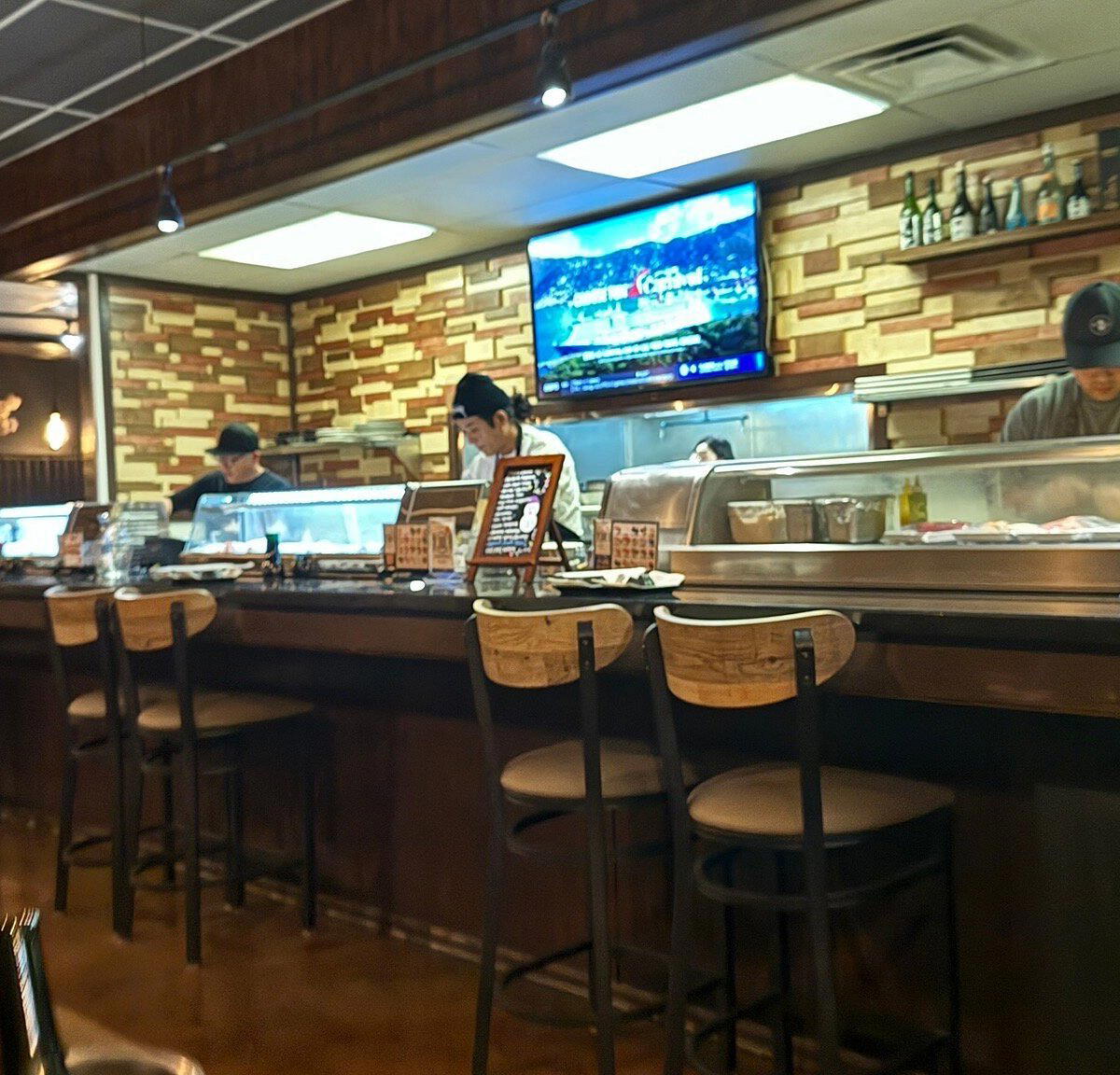
Clubby and vibrant atmosphere perfect for casual dining, groups, and sports watching with friendly service.