Sushi Itto
Our verdict
Located on Briarcliff Road NE in Atlanta's Toco Hills corridor, Sushi Itto operates in a city where Japanese dining has expanded well beyond the ubiquitous roll-and-teriyaki format. Atlanta's sushi scene now includes serious omakase counters and neighborhood standbys alike, placing Sushi Itto in a market that rewards both consistency and craft. Visitors booking around Atlanta's broader dining circuit will find it worth understanding where it fits in that broader tier structure.

Pearl is the En Primeur Club membership app — saves, bookings, and concierge access live there. Same editors, same standards.
- Address
- 2173 Briarcliff Rd NE, Atlanta, GA 30329
- Phone
- (404) 633-3400
- Hours
- Mon–Fri 11 AM–9 PMSat 12–10 PMSun Closed
- Website
- smorefood.com
- Directions
- Get directions
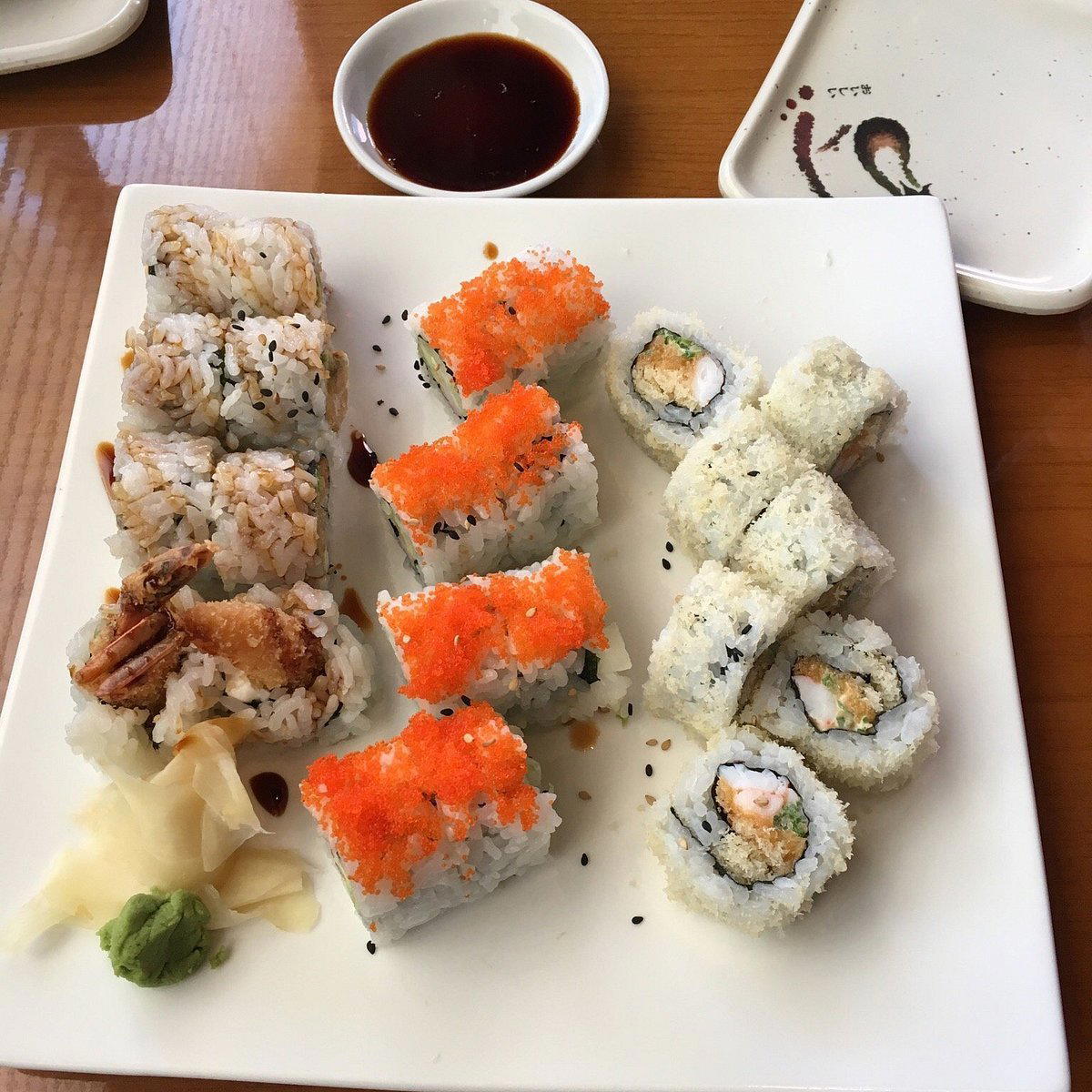
Atlanta's Japanese Dining Scene and Where Sushi Itto Sits Within It
The stretch of Briarcliff Road NE running through Atlanta's northeastern neighborhoods tells a particular story about how the city eats. This corridor, anchored by the Toco Hills area, has accumulated a density of independent restaurants that reflects Atlanta's broader shift away from purely midtown-centric dining. Sushi Itto at 2173 Briarcliff Rd NE sits within that pattern: a Japanese restaurant in a neighborhood that has gradually built a reputation for functional, non-tourist dining aimed at residents who eat out regularly rather than occasionally.
Understanding where Sushi Itto fits requires some context about the Atlanta Japanese dining category as a whole. The city's sushi market has stratified sharply over the past decade. At the leading end, counters like Mujō operate omakase-only formats with tight seat counts and advance booking requirements, placing them in a different competitive tier entirely. Hayakawa occupies similar ground, with a kaiseki-influenced approach that connects it to Japanese culinary tradition in ways that most American sushi restaurants do not attempt. These are not entry-level propositions.
Neighborhood sushi restaurants like Sushi Itto operate in a different register. They serve the function that izakayas and mid-range sushi-ya perform in Japanese cities: reliable, accessible, and embedded in the rhythms of local life rather than positioned as destination dining. The cultural roots of that format are worth noting. In Japan, the neighborhood sushi shop predates the tasting-menu counter by generations. It was the dominant form of sushi dining through most of the twentieth century, built around regular customers, reasonable prices, and a menu broad enough to serve a full table with varying preferences. That model translated imperfectly to the United States, where sushi rolls expanded into an almost unrecognizable hybrid format, but the underlying function remained: providing Japanese-inflected dining that fits into an ordinary week.
The Briarcliff Road Context
Atlanta's dining geography matters here. The city's highest-profile restaurant addresses cluster in Buckhead and the Westside: Bacchanalia and Atlas anchor the $$$$ tier in those neighborhoods, while Lazy Betty has brought serious tasting-menu ambition to the northeast side. The Briarcliff corridor is not competing in that register. It draws from Virginia-Highland, Druid Hills, and Emory-adjacent residents who want restaurants that function as extensions of their neighborhood rather than occasions requiring advance planning.
That geographic positioning shapes what a restaurant on this stretch can and should be. The comparison is less with Atlanta's destination dining tier and more with the kind of consistent neighborhood anchor that cities like Los Angeles or New York take for granted but that Atlanta has historically underserved outside of a few corridors. Sushi restaurants in this format play a specific role in that supply gap.
Japanese Sushi Tradition in the American City
The cultural significance of sushi in American dining is easy to underestimate because the format has become so normalized. What began as a very specific regional craft, developed in Edo-period Tokyo around vinegared rice and fresh seafood sourced from Tokyo Bay, arrived in the United States through a slow process of adaptation that accelerated in the 1980s and 1990s. The California roll was the inflection point: a roll designed to make raw fish approachable by inverting the nori, hiding it inside rice, and substituting avocado for fatty tuna. From that starting point, American sushi menus expanded into elaborate maki constructions with multiple sauces and tempura components that bear little resemblance to Tokyo counter traditions.
The better neighborhood sushi restaurants in American cities hold a middle position: they carry the California-roll lineage because the market demands it, but they also maintain enough connection to Japanese practice, through properly seasoned shari, clean fish sourcing, and restraint in construction, to be recognizable as sushi restaurants rather than fusion operations. That middle ground is where most of Atlanta's mid-tier Japanese restaurants compete, and it is a harder position to maintain than either extreme. The omakase counter can define itself through format discipline and price signals. The fusion operation signals its identity immediately through menu design. The neighborhood sushi restaurant has to earn its position through consistency, and consistency is the hardest thing to demonstrate from the outside.
Atlanta's Broader Fine Dining Orbit
For visitors whose Atlanta itinerary extends beyond the Briarcliff area, the city's higher end of the dining spectrum connects to nationally recognized programs. Atlanta's most awarded restaurants benchmark against peers at the level of Le Bernardin in New York City, Alinea in Chicago, or The French Laundry in Napa. That national context is worth keeping in mind when assessing Atlanta's dining ambitions overall. The city also draws comparison with the Korean fine dining conversation anchored by Atomix in New York City, particularly as Atlanta's own Korean dining scene has expanded in the Doraville and Duluth corridors northeast of the city.
Other reference points from EP Club's coverage of serious American restaurants, including Providence in Los Angeles, Blue Hill at Stone Barns in Tarrytown, Addison in San Diego, Single Thread Farm in Healdsburg, The Inn at Little Washington, Lazy Bear in San Francisco, Emeril's in New Orleans, and 8 1/2 Otto e Mezzo Bombana in Hong Kong, all illustrate how high-confidence, data-backed restaurant choices differ from lower-information decisions. Sushi Itto's public record is sparse on the verifiable credentials, awards, pricing, and capacity data that allow confident editorial placement, which itself tells you something about the tier it occupies.
For the full picture of where Atlanta's dining scene stands, including its omakase options, its New American tier, and its neighborhood anchors, see our full Atlanta restaurants guide.
Planning Your Visit
| Venue | Cuisine | Price Tier | Format | Booking |
|---|---|---|---|---|
| Sushi Itto | Japanese (Sushi) | Not confirmed | Neighborhood restaurant | Not confirmed |
| Mujō | Japanese (Omakase) | $$$$ | Counter omakase | Advance reservation required |
| Hayakawa | Japanese (Kaiseki) | $$$$ | Counter kaiseki | Advance reservation required |
| Bacchanalia | New American | $$$$ | Tasting menu | Advance reservation required |
Frequently asked questions
Would Sushi Itto be comfortable with kids?
Sushi Itto sits on Briarcliff Road NE in Atlanta's northeastern residential corridor, a stretch that skews toward neighborhood dining rather than formal tasting-menu formats. That setting generally points toward a more relaxed room than downtown or Buckhead destinations.
Is Sushi Itto better for a quiet night or a lively one?
Briarcliff Road NE runs through Atlanta's northeastern neighborhoods, closer to Druid Hills than to the bar-driven energy of Buckhead or Old Fourth Ward. Restaurants along this corridor tend to draw a residential crowd looking for a relaxed dinner rather than a high-volume night out. That geographic context suggests Sushi Itto is better suited to a quieter evening, though confirming the room directly with the venue is advisable.
How does Sushi Itto's location on Briarcliff Road compare to Atlanta's main dining clusters?
Sushi Itto is at 2173 Briarcliff Rd NE, placing it in Atlanta's northeastern residential corridor rather than in the high-profile dining zones of Buckhead or the Westside, where addresses like Bacchanalia and Atlas draw destination diners from across the city. That separation works in its favor for locals in the Druid Hills and Toco Hills area who want a neighborhood option without the drive across town. It also means the room is more likely to reflect a regular, community-anchored clientele than a transient tourist crowd.
What's the must-try dish at Sushi Itto?
Within Atlanta's Japanese dining scene broadly, nigiri quality and house rolls tend to be the clearest indicators of a kitchen's standards. Checking current menus directly with the restaurant before your visit will give you the most accurate picture.
What's Sushi Itto's location?
Sushi Itto is located at 2173 Briarcliff Rd NE, Atlanta, GA 30329, Atlanta.
Cost Snapshot
Comparable venues nearby, for context on price, style, and recognition.
| Venue | Cuisine | Price | Notes |
|---|---|---|---|
| Sushi IttoThis venue — the venue you are viewing | Japanese Sushi | $20–30 | Not listed |
| Tap: A Gastropub | American | Not listed | Midtown, Modern Gastropub |
| Crescent City Kitchen | Creole & Cajun Brunch | $20–30 | Downtown, Creole & Cajun Brunch |
| Ishin | Modern Japanese Omakase | Not listed | Midtown, Modern Japanese Omakase |
| Porfirios | Authentic Mexican | $20–30 | Midtown, Authentic Mexican |
| Mo's Pizza | New York-Style Pizza | $10–20 | Brookhaven, New York-Style Pizza |
Details
- Cozy
- Casual Hangout
- Family
- Sake Program
- A La Carte
- Vegetarian Friendly
Current opening hours
- Monday
- 11 AM–9 PM
- Tuesday
- 11 AM–9 PM
- Wednesday
- 11 AM–9 PM
- Thursday
- 11 AM–9 PM
- Friday
- 11 AM–9 PM
- Saturday
- 12–10 PM
- Sunday
- Closed
Hours can change for holidays and private events. Last verified .
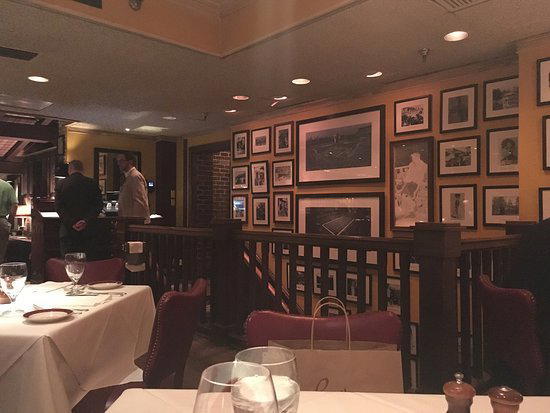
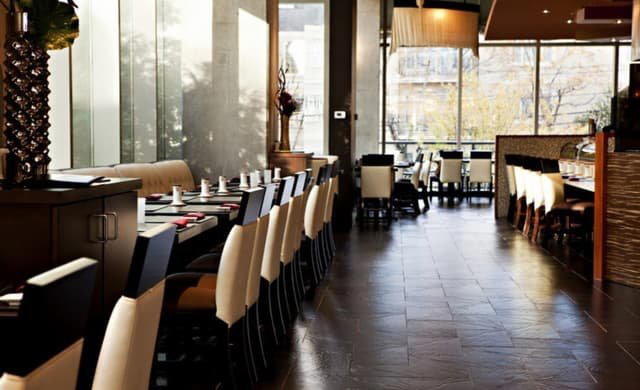
Open and quiet atmosphere with friendly service.