Tap : A Gastropub
This listing is retired after a June 2026 status audit found the place inactive at its stored address.
- Address
- 1180 Peachtree St NE, Atlanta, GA 30309
- Phone
- +1 404 347 2220
- Directions
- Get directions
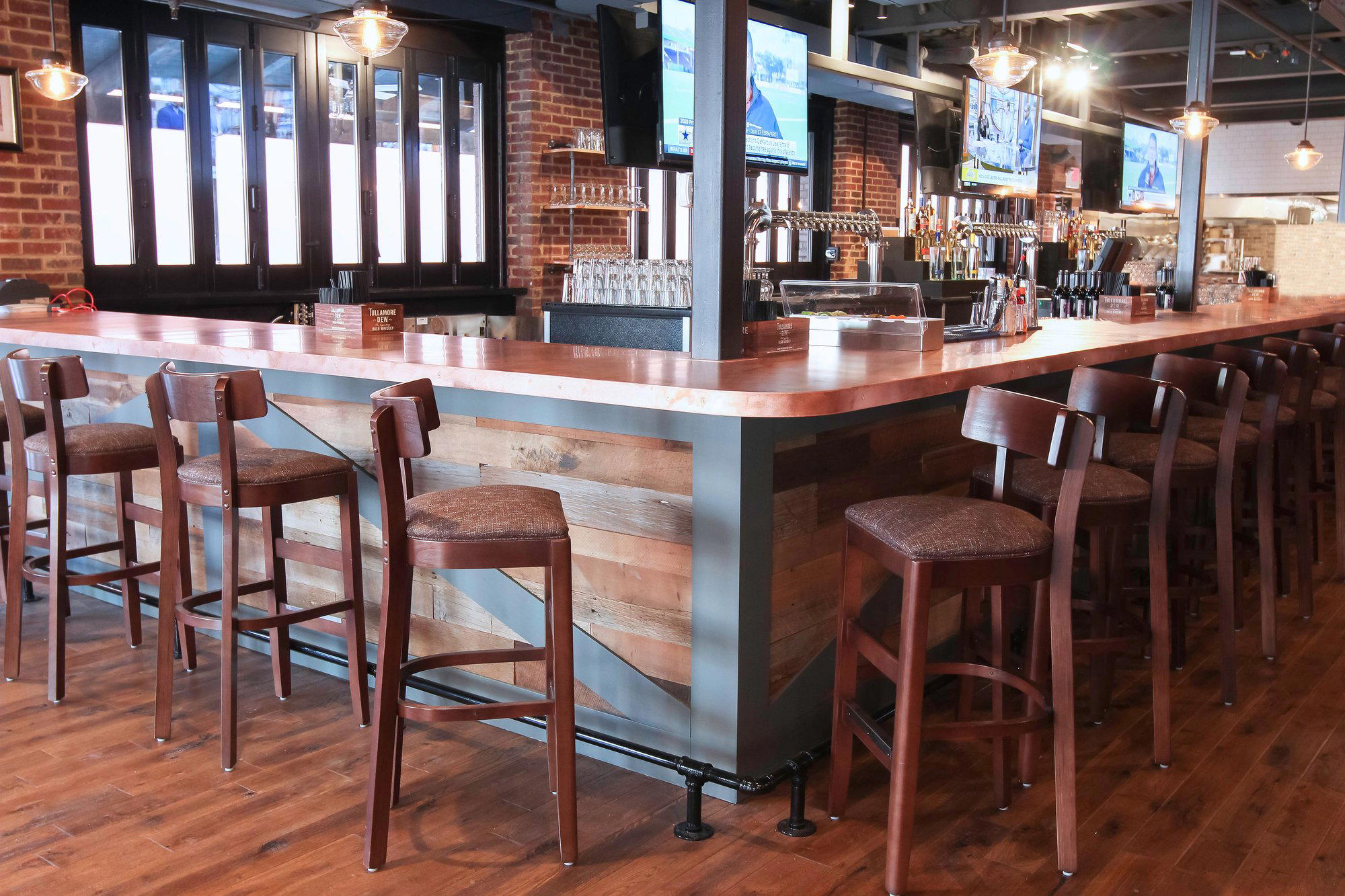
Midtown Atlanta's Gastropub Tier: Where Occasion Meets Craft Beer and a Kitchen That Takes It Seriously
Peachtree Street in Midtown runs through one of Atlanta's most concentrated dining corridors, where the distance between a casual plate and a chef-driven tasting room can be measured in city blocks. Tap: A Gastropub at 1180 Peachtree St NE occupies a particular niche in that corridor: the refined pub format that emerged in American cities during the 2000s and has since split into two distinct camps. One camp traded the gastropub label for a full fine-dining identity; the other leaned harder into the pub side, letting the beer program carry the room. Tap sits closer to the former, offering a kitchen output that reads more seriously than its format implies.
That positioning matters for occasions. Atlanta has many four-dollar-sign rooms where a milestone birthday or a promotion dinner would feel appropriately weighted, including Bacchanalia, Atlas, and Lazy Betty. But not every occasion calls for a formal dining room. The gastropub format serves a different function: a space where the occasion is present but the setting stays accessible, where a group can share plates, argue over draft selections, and still feel the kitchen is working at a level worth celebrating around.
The Gastropub Format and Its Place in Atlanta's Dining Rotation
The gastropub category arrived in American cities largely via British influence, where the model proved that a pub could sustain serious cooking without abandoning its identity as a neighborhood drinking room. In Atlanta, that format has developed unevenly. Some venues adopted the label without the kitchen depth to justify it; others built credible food programs and then watched the gastropub tag get absorbed into the broader casual-dining conversation, making it harder to distinguish the serious operations from the merely comfortable ones.
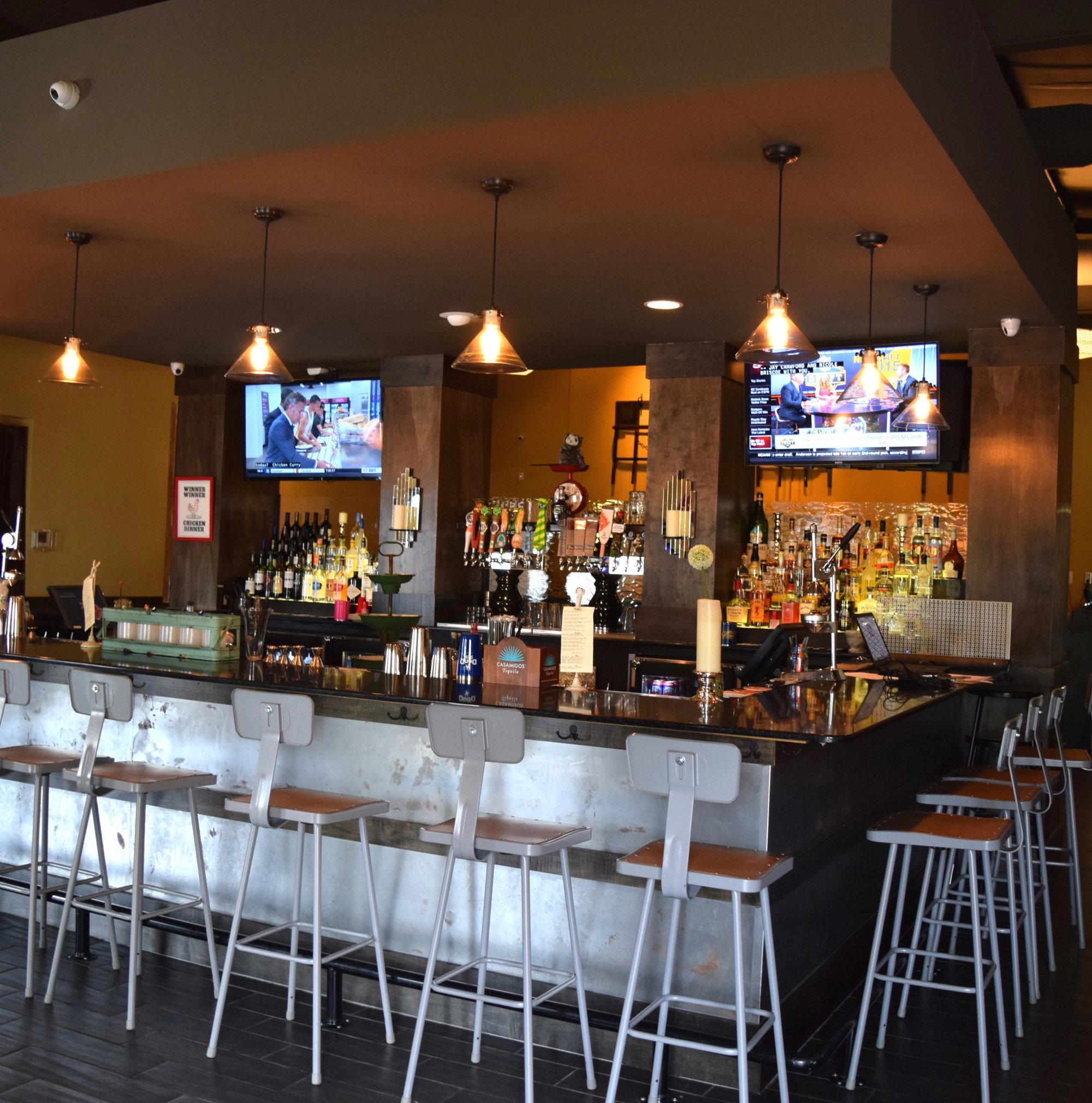
Tap's Midtown address places it in direct proximity to both office workers eating lunch and hotel guests from the surrounding blocks looking for something reliable on a Tuesday night, as well as local residents who use it for larger group gatherings where the combination of a wide drink list and a real kitchen makes logistics simpler. That range of use cases is actually a structural advantage for occasion dining at a certain price point: the room works for a team celebration that would be too casual for a tasting menu but too important for a chain restaurant.
For comparison, Atlanta's most decorated fine-dining venues, including Hayakawa and Mujō, operate with reservation windows measured in weeks and formats that preclude drop-in celebrations. The gastropub tier fills a gap those venues deliberately leave open.
Occasion Dining Without the Formality Penalty
There is a specific type of occasion that fine-dining rooms handle poorly: the group with mixed preferences, a designated driver, a guest who doesn’t eat proteins, and someone who just wants a beer and some fries. Tasting-menu formats at places like Smyth in Chicago or The French Laundry in Napa demand buy-in from every seat at the table. The gastropub format asks for nothing more than showing up and ordering what you want, which for certain occasions is exactly the right framework.
That flexibility is the gastropub’s primary argument for occasion use. The format allows the person who wants to mark a moment to do so, while the rest of the table simply has dinner. Internationally, the gastropub tier serves this function consistently, from London’s original gastro rooms to their American descendants. What separates the credible operations from the marketing exercises is kitchen output: whether the food itself holds up as something worth gathering around, or whether the occasion is being carried entirely by atmosphere and alcohol.
For Atlanta diners accustomed to the standards set by places like Bacchanalia or the technical discipline visible at venues such as Le Bernardin in New York City and Providence in Los Angeles, the gastropub tier operates on a different metric. The question is not whether the kitchen competes with Michelin-starred peers but whether it clears the threshold of being worth the occasion. That is the more relevant benchmark for the format.
Midtown as a Context for Eating Well Without a Reservation Strategy
Midtown Atlanta operates differently from Buckhead or Inman Park in terms of dining rhythm. The concentration of office towers and hotel inventory means the area absorbs more transient diners and last-minute bookings than neighborhoods with stronger residential bases. That dynamic creates space for venues that can function both as destination spots and as reliable fallbacks, which is a harder combination to sustain than it sounds.
Venues that anchor themselves to the high-formality end of the spectrum, such as Atlas on Peachtree, function as deliberate destination experiences. Tap operates in the complementary register: a place where the same Midtown visitor might end up on a night that didn’t start with a reservation. For occasion dining, that accessibility is relevant. Not every milestone dinner is planned three weeks in advance, and the gastropub tier historically handles the more spontaneous version of occasion eating better than most formats above it.
The broader pattern holds in comparable American cities. Emeril’s in New Orleans and Lazy Bear in San Francisco occupy different positions on the formality spectrum, but both demonstrate that the occasion-dining category has room for multiple formats depending on what the group needs the evening to be.
Planning a Visit: What to Consider
Tap: A Gastropub is located at 1180 Peachtree St NE in Midtown Atlanta, accessible from the Arts Center MARTA station and surrounded by street and garage parking. The Midtown location means the room can fill quickly on weekday evenings when office-adjacent demand is high, so arriving with a plan rather than assuming walk-in capacity is the more reliable approach for occasion groups.
Pricing, Compared
Comparable venues nearby, for context on price, style, and recognition.
| Venue | Cuisine | Price | Notes |
|---|---|---|---|
| Tap: A GastropubThis venue — the venue you are viewing | Midtown, Modern Gastropub | $$ | Not listed |
| Farm Burger Buckhead | Buckhead, Grass-Fed Burgers | $$ | Not listed |
| Crescent City Kitchen | Downtown, Creole & Cajun Brunch | $$ | Not listed |
| The Flying Biscuit Cafe | Not listed | $$ | Multiple (e.g., Candler Park, Midtown, Brookhaven), Southern Comfort Breakfast & Brunch |
| The Colonnade | Not listed | $$ | Morningside - Lenox Park, Southern Comfort Food |
| k|n | Soul Food | $$ | Not listed |
At a Glance
- Trendy
- Cozy
- Lively
- Casual Hangout
- After Work
- Brunch
- Open Kitchen
- Beer Program
- Craft Cocktails
Know Before You Go
- Getting there
- 1180 Peachtree St NE, Atlanta, GA 30309