Ishin
Ishin occupies a Spring Street address in Atlanta's Midtown corridor, operating at the intersection where precise Japanese technique meets the sourcing logic of the American South. The format places it alongside a small cohort of Atlanta restaurants working in high-commitment tasting formats, though Ishin's specific culinary register sets it apart from the New American idiom dominant at peers like Bacchanalia and Lazy Betty.
Pearl is the En Primeur Club membership app — saves, bookings, and concierge access live there. Same editors, same standards.
- Address
- 1020 Spring St NW ST 801, Atlanta, GA 30309
- Phone
- +16782725747
- Website
- ishinomakase.com
- Directions
- Get directions
 Saves & bookings on Pearl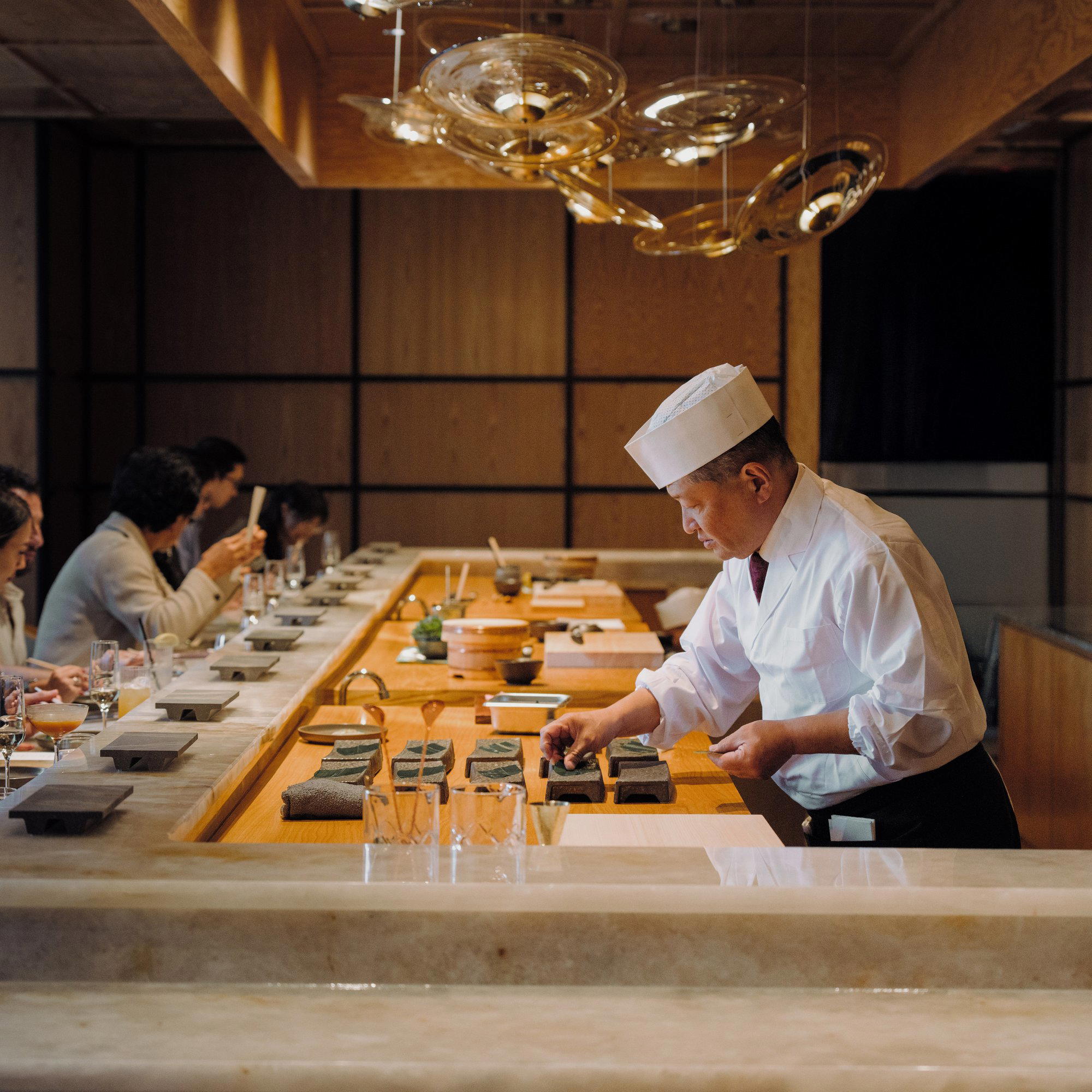
Where Japanese Discipline Meets Southern Latitude
Spring Street in Midtown Atlanta runs through one of the city's denser concentrations of serious dining rooms. The address at 1020 Spring Street NW sits within a mixed-use corridor where the surrounding blocks include both legacy Atlanta institutions and a newer wave of format-driven restaurants that arrived after 2015. Ishin lands in the latter category, and its culinary register is distinct from the New American idiom that defines much of Atlanta's upper tier. Where Bacchanalia and Lazy Betty operate through a lens of contemporary American refinement, Ishin draws from Japanese technique as its primary organizing logic.
That distinction matters more than it might initially seem. American cities have accumulated several credible Japanese-inflected fine dining programs over the past decade, but Atlanta's version of this story has its own character. Georgia sits at the intersection of serious agricultural output and a dining public that has grown steadily more receptive to committed tasting formats. The combination creates a plausible case for exactly the kind of cooking Ishin represents: imported technique applied to locally available product, with the Southern latitude offering ingredients that Tokyo kitchens cannot replicate.
The Technique-Sourcing Argument
The broader question that restaurants like Ishin pose to a city like Atlanta is whether Japanese culinary discipline, transplanted into the American South, produces something genuinely different from what either tradition achieves alone. The answer, when executed well, tends to be yes. Japanese technique at this level is organized around precision of temperature, timing, and restraint in seasoning, all of which allow primary ingredients to carry more of the perceptible weight. Applied to the vegetables, proteins, and fish available in Georgia and the surrounding Southeast, that approach can surface qualities in local product that more assertive European-derived cooking methods obscure.
This is the model that has generated significant recognition at restaurants elsewhere in the country. Blue Hill at Stone Barns in Tarrytown built its entire identity around the premise that technique should defer to ingredient. Single Thread Farm in Healdsburg extended the same logic through a Japanese kaiseki sensibility applied to Northern California sourcing. In Atlanta, Ishin occupies an analogous position: a kitchen where the philosophical anchor is Japanese, but the raw material argument is regional.
Atlanta's premium dining tier has narrowed and deepened over the past decade. The city's most serious tasting-format restaurants now operate with the kind of booking commitment and price architecture that benchmarks against national peers rather than local competition. Atlas holds down the Modern European wing of that conversation. Hayakawa and Mujō have staked serious claims in the Japanese omakase category specifically. Ishin operates in adjacent territory to that Japanese cohort but through a different format logic, one that does not necessarily limit itself to the counter-and-sequence structure of traditional omakase.
What connects Ishin to the broader national conversation is the seriousness of the technique-sourcing premise. Across American cities, the restaurants generating the most critical attention tend to be those that can articulate a clear position on why their ingredients and their methods belong together. Providence in Los Angeles does it through sustainable seafood and French-influenced precision. Addison in San Diego does it through Californian product and classical French architecture. Ishin's version of that argument runs through Japan.
The Local Ingredients Logic
Georgia's agricultural calendar is genuinely useful to a kitchen working in Japanese register. The state produces peaches, Vidalia onions, pecans, and a range of aquaculture product through the coastal and inland Southeast that offers real textural and flavor specificity. Japanese technique, which tends to privilege the natural moisture content and cell structure of ingredients rather than transforming them through high heat or heavy fat, is well suited to showcasing these products at their most direct. The restraint built into Japanese cooking methodology becomes, in this context, not an aesthetic preference but a practical commitment to letting Southern product speak clearly.
This is a harder argument to sustain at scale than it looks. It requires sourcing relationships, seasonal discipline, and a kitchen culture willing to change the menu when the product dictates rather than when the calendar says so. The restaurants that have built durable reputations on this premise, from The French Laundry in Napa to Atomix in New York City, have done so by making the sourcing decision structurally central rather than decorative. Ishin's address and format suggest a kitchen operating with similar intent.
Context Within the Broader Fine Dining Circuit
Atlanta is not a secondary market for serious dining anymore. The city's restaurant community has produced work that benchmarks credibly against the formats being produced at Alinea in Chicago, Lazy Bear in San Francisco, and Le Bernardin in New York. The international comparison also holds: the technique-meets-local-sourcing model has produced recognized work at 8½ Otto e Mezzo Bombana in Hong Kong and at venues across Asia where Western-trained chefs have applied European or Japanese discipline to regional ingredients. Ishin sits within that global pattern, applied to a Southern American context.
The Spring Street location places Ishin within walking distance of Midtown's arts and hotel district, which means the restaurant draws from both a local dining audience and visitors with enough frame of reference to understand what a Japanese-technique-led tasting format is doing in Atlanta. That audience composition tends to support the kind of kitchen ambition that makes this format viable. See our full Atlanta restaurants guide for broader context on how the city's dining tier maps across neighborhoods and categories.
Planning Your Visit
Ishin is located at 1020 Spring Street NW, Suite 801, in Midtown Atlanta, placing it within the denser restaurant corridor that also includes Lazy Betty and several of the city's other format-committed dining rooms. Dress expectations at peer-level Atlanta tasting rooms tend toward smart casual at minimum, and the format assumption at a restaurant of this type is typically a multi-course seated experience rather than à la carte. Reservations should be treated as essential rather than optional.
How Ishin Atlanta compares with similar nearby venues.
| Venue | Cuisine | Price |
|---|---|---|
| Xi'an Gourmet House | Chinese | $$ |



At a Glance
- Intimate
- Elegant
- Sophisticated
- Modern
- Date Night
- Special Occasion
- Chefs Counter
- Rooftop
- Open Kitchen
- Sake Program
- Craft Cocktails
- Skyline
Current opening hours
- Monday
- Closed
- Tuesday
- Closed
- Wednesday
- 7–11 PM
- Thursday
- 7–11 PM
- Friday
- 5–11 PM
- Saturday
- 5–11 PM
- Sunday
- Closed
Hours can change for holidays and private events. Last verified .
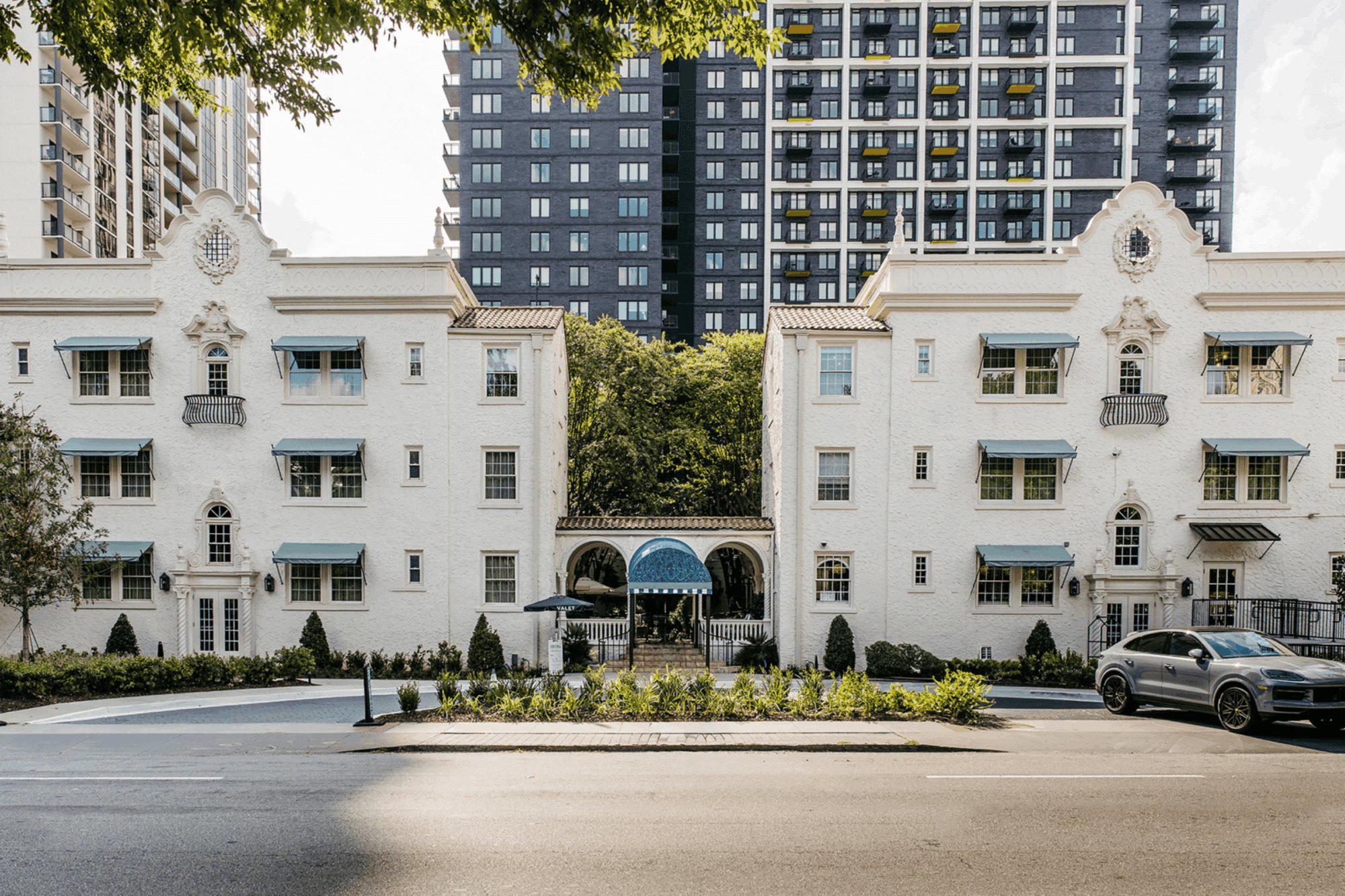
Elegant and intentional atmosphere with views of the Midtown skyline, centered around a chef's counter for a personalized journey through Japanese cuisine.
Know Before You Go
- Getting there
- 1020 Spring St NW ST 801, Atlanta, GA 30309