Tomo



Tomo occupies a specific position in Atlanta's Japanese dining conversation: a Michelin Plate holder with consecutive Opinionated About Dining recognition since 2023 and an Esquire Best New Restaurants nod in 2022. Operating under the direction of Hidekazu Tojo, the Buckhead address runs a sushi-forward Japanese-American menu across lunch and dinner service, with pricing at the upper tier of the city's Japanese options.
Pearl is the En Primeur Club membership app — saves, bookings, and concierge access live there. Same editors, same standards.
- Address
- 3630 Peachtree Rd NE Suite #140, Atlanta, GA 30326
- Phone
- (404) 835-2708
- Website
- tomorestaurant.com
- Directions
- Get directions
 Saves & bookings on Pearl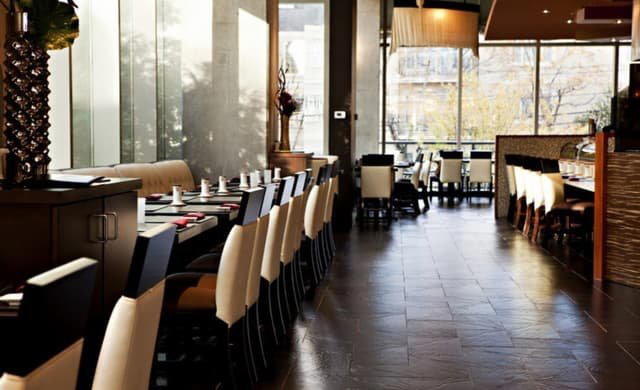
Buckhead's Japanese Counter in Context
Atlanta's Japanese dining scene has quietly deepened over the past several years. Where the city once offered a thin spread of conventional sushi bars and Japanese steakhouses, a more stratified picture has emerged: on one side, high-commitment omakase formats like Mujō and the kaiseki-leaning precision of Hayakawa; on the other, a mid-to-upper tier of Japanese-American restaurants that operate with more flexibility in format but still carry serious culinary credentials. Located at 3630 Peachtree Road NE in Buckhead, it holds critical recognition and sits well above the neighbourhood sushi bar category while operating at a different register than Atlanta's fixed-seat omakase rooms.
The Buckhead address matters. Peachtree Road's restaurant corridor draws a dining public that is accustomed to the price points of Bacchanalia and Atlas, and Tomo prices accordingly, sitting at the $$$$ tier. That context shapes expectations: this is not a casual weeknight sushi run, nor is it a locked-down counter experience that demands advance planning months out. It occupies the productive space between those poles, offering structured Japanese-American cooking at a level the market has consistently rewarded with press and critical attention since its 2022 opening.
The Beverage Dimension: Sake, Shochu, and the Case for Pairing
Japanese cuisine in the United States has a complicated relationship with its own beverage traditions. At the mass-market level, cold Sapporo and sweetened sake bombs still dominate. At the premium end, sake pairing has become a serious discipline, with programs that approach the rigor of European wine service. Tomo's positioning in the Japanese-American register suggests a beverage program that can work in either direction, though the venue's critical recognition implies a more considered approach than the average Buckhead address.
The argument for sake over wine with Japanese food is not merely cultural preference. Sake's lower acidity relative to most wines makes it less likely to clash with the umami-forward compounds in dashi, miso, and cured fish. Junmai daiginjo expressions, with their refined, fruit-forward character and minimal rice polish, align well with delicate nigiri and sliced sashimi preparations. A Nigori, with its cloudy, unfiltered texture and mild sweetness, offers a counterpoint to richer, fattier preparations. Shochu, made from barley, sweet potato, or rice, brings a different logic: lower alcohol than sake in many cases, and a cleaner finish that resets the palate between courses rather than layering additional fermented complexity.
For diners approaching Tomo's menu with pairing as a priority, the general principle holds across Japanese-American restaurants at this tier: start with something lean and mineral before moving to fuller, richer styles as the meal progresses. If the beverage list extends to Japanese whisky, not uncommon at Buckhead restaurants serving this demographic, the transition from sake to a single malt at the close of a meal follows a logic familiar to anyone who has worked through a multi-course dinner in Osaka or Kyoto.
Chef Credentials and the Japanese-American Tradition
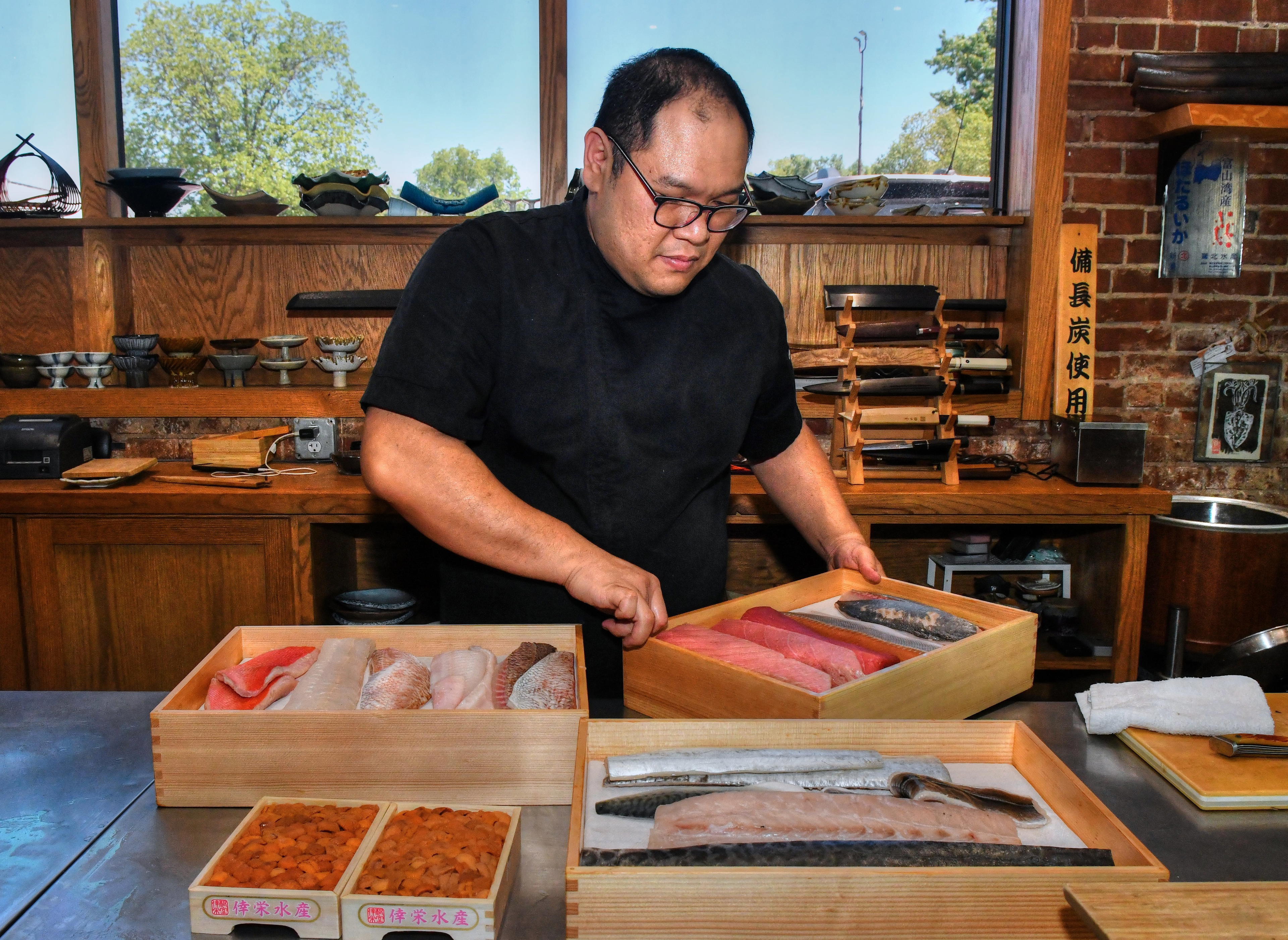
Chef Hidekazu Tojo's name carries weight in North American Japanese cooking that extends beyond Atlanta. Chef Hidekazu Tojo is the restaurant's head chef. That origin story, well-documented in food history, established the intellectual template for Japanese-American cooking as an adaptive, audience-aware practice rather than a diluted one. The association between Tomo Atlanta and that broader lineage points toward a kitchen operating in the tradition of creative Japanese-American cuisine, where adapting technique for local context is an affirmative act rather than a compromise.
That tradition has produced particularly decorated Japanese restaurants in the United States. The conversation around Japanese-American cooking at the premium tier now includes names like Atomix in New York City, whose Korean-American framing shares the same adaptive logic, and the tasting-menu rigor of places like The French Laundry in Napa, where Japanese technique has long been absorbed into the cooking DNA. Tomo's recognition in 2022, alongside its sustained OAD placements in 2023, 2024, and 2025, confirms that critical audiences view the restaurant as part of a serious conversation, not merely a high-end neighbourhood option.
Atlanta's Fine Dining comparable set
Among Atlanta's $$$$ restaurants, Tomo occupies a distinct culinary position. The city's most-decorated tables at this price tier tend toward New American formats: Lazy Betty with its tasting menu architecture, Bacchanalia's long-running New American identity, and Atlas's European-leaning approach. Japanese cooking at this level is less common, which partly explains the critical attention Tomo has attracted since opening. Atlanta diners seeking the precision and technique density of Japanese cuisine at a price point comparable to the city's fine dining anchor restaurants have a narrower set of options than their counterparts in New York, Los Angeles, or San Francisco.
For context on how Japanese-American restaurants perform in the broader national picture, the comparison points stretch to venues like Le Bernardin in New York City and Single Thread Farm in Healdsburg, both of which demonstrate how Japanese influence absorbed into non-Japanese frameworks can produce the highest tier of critical recognition. Tomo's achievement is making that conversation relevant at the Atlanta level, where Japanese cuisine has historically skewed toward casual rather than critical formats.
Planning Your Visit
Tomo runs lunch service Tuesday through Friday from 11:30 am to 2:30 pm, making it one of the few Buckhead restaurants at this price tier that offers a midday option, which tends to run at lower price pressure than dinner. Evening service runs to 10 pm on weekdays and 10:30 pm on Friday and Saturday. The restaurant is closed Sundays. Saturday runs dinner only, without the lunch window, which shifts the weekend dynamic for those planning around a longer Atlanta itinerary.
5 across 688 ratings, a signal that the restaurant performs consistently with a broad audience, not just critics. At the $$$$ price point, that gap between popular and critical approval is narrower than at many comparable venues, suggesting the execution holds up across different expectations.
How Tomo Compares to Its Regional Peers
Internationally recognised Japanese-American restaurants, from Alinea in Chicago to Lazy Bear in San Francisco and 8 1/2 Otto e Mezzo Bombana in Hong Kong, demonstrate the ceiling of what this kind of cuisine can achieve in a fine dining context. Tomo's recurring OAD placement reflects an operation that is gaining momentum rather than coasting on its early press. For a city that has traditionally looked to Emeril's in New Orleans and comparable Southern anchors as regional fine dining reference points, the emergence of a Japanese-American restaurant with national critical recognition is a meaningful shift in Atlanta's culinary range.
What Should I Eat at Tomo?
Tomo's menu operates in the Japanese-American tradition, meaning the kitchen applies Japanese technique to a format that accommodates the expectations of American fine dining. The sushi-forward identity signals that raw and cured fish preparations anchor the menu. For pairing purposes, arriving with sake as the primary beverage choice over wine will generally produce better alignment with the flavour logic of the kitchen. The OAD casual designation (versus the formal tasting-menu tier) suggests the ordering format has flexibility, this is a restaurant where you can build a meal around a few focused courses rather than committing to a fixed sequence. The lunch service, available Tuesday through Friday, offers the same kitchen with typically lower spend, making it the more accessible entry point for first-time visitors.
- Chu-toro Nuta
- Kampachi Serrano
- Ankimo Terrine
- Omakase
- Wagyu Beef
- Fried Oysters
Fast Comparison
Comparable venues nearby, for context on price, style, and recognition.
| Venue | Cuisine | Price | Awards | Notes |
|---|---|---|---|---|
| TomoThis venue — the venue you are viewing | Modern Japanese Omakase & Sushi | $$$$ | Michelin Plate | Not listed |
| Ryokou | Modern Japanese Kappo | $$$$ | Michelin Plate | Adair Park |
| O by Brush | Modern Japanese Omakase | $$$$ | Michelin 1 Star | Buckhead |
| Southern Belle | Modern Southern | $$$$ | Michelin Plate | Poncey-Highland |
| Hayakawa | Modern Japanese Omakase | $$$$ | Michelin 1 Star | West Midtown |
| Avize | Modern Alpine | $$$$ | Michelin Plate | West Midtown |
Recognition history
Dated appearances from independent guides and award organizations, with the underlying list record or original source where available.
Opinionated About Dining Top Restaurants in North America Recommended
Opinionated About Dining
Michelin Plate
Michelin
Opinionated About Dining Casual in North America Ranked #472
Opinionated About Dining
Opinionated About Dining Top Restaurants in North America Ranked #584
Opinionated About Dining
Michelin Plate
Michelin
Opinionated About Dining Top Restaurants in North America Ranked #579
Opinionated About Dining
Opinionated About Dining Casual in North America Ranked #577
Opinionated About Dining
Opinionated About Dining Top Restaurants in North America Recommended
Opinionated About Dining
Esquire Best New Restaurants #30
Esquire
At a Glance
- Elegant
- Sophisticated
- Modern
- Romantic
- Date Night
- Business Dinner
- Special Occasion
- Celebration
- Chefs Counter
- Hotel Restaurant
- Open Kitchen
- Design Destination
- Sake Program
- Craft Cocktails
- Extensive Wine List
- Sustainable Seafood
Current opening hours
- Monday
- 11:30 AM–2:30 PM, 5–10 PM
- Tuesday
- 11:30 AM–2:30 PM, 5–10 PM
- Wednesday
- 11:30 AM–2:30 PM, 5–10 PM
- Thursday
- 11:30 AM–2:30 PM, 5–10 PM
- Friday
- 11:30 AM–2:30 PM, 5–10 PM
- Saturday
- 5–10 PM
- Sunday
- Closed
Hours can change for holidays and private events. Last verified .
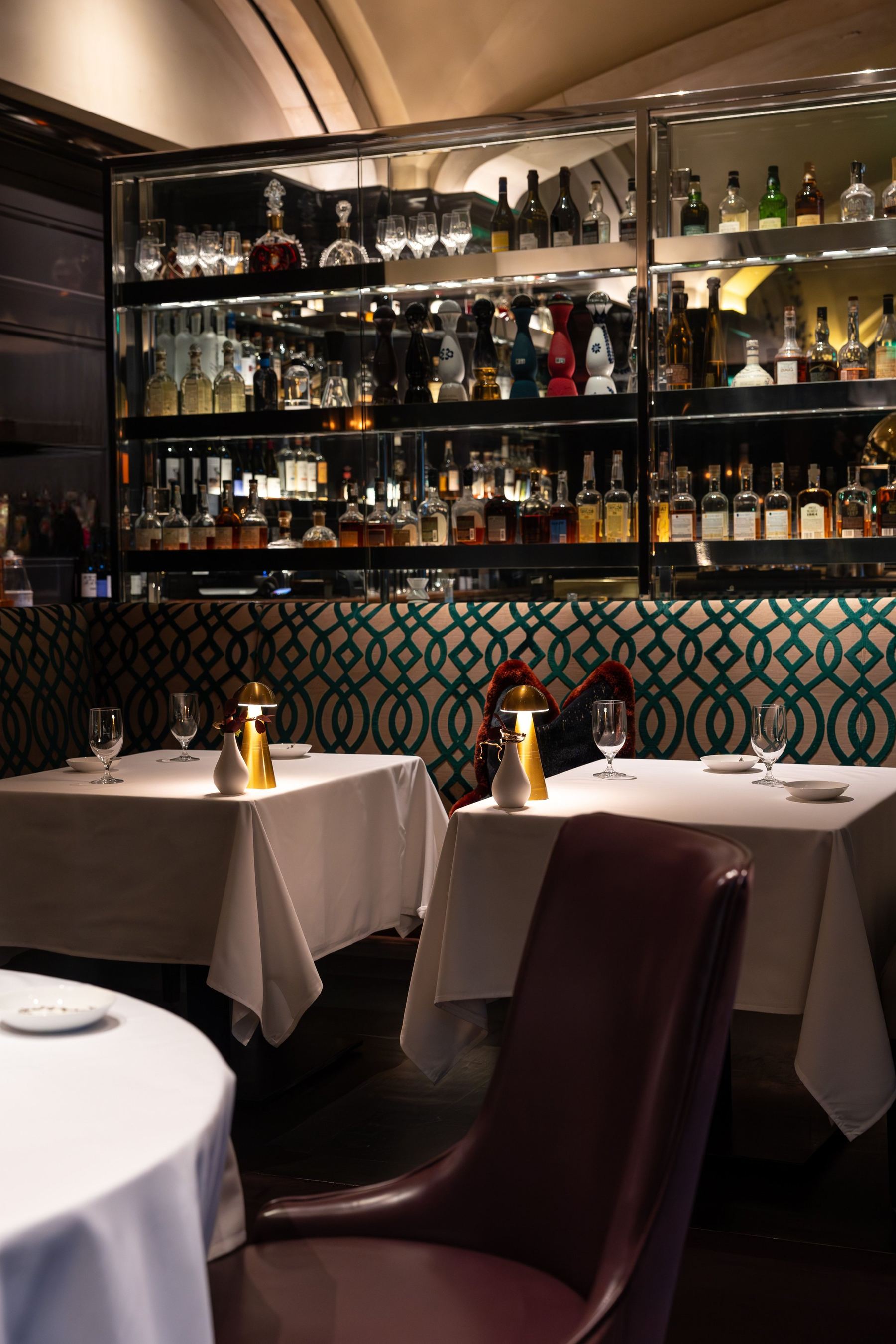
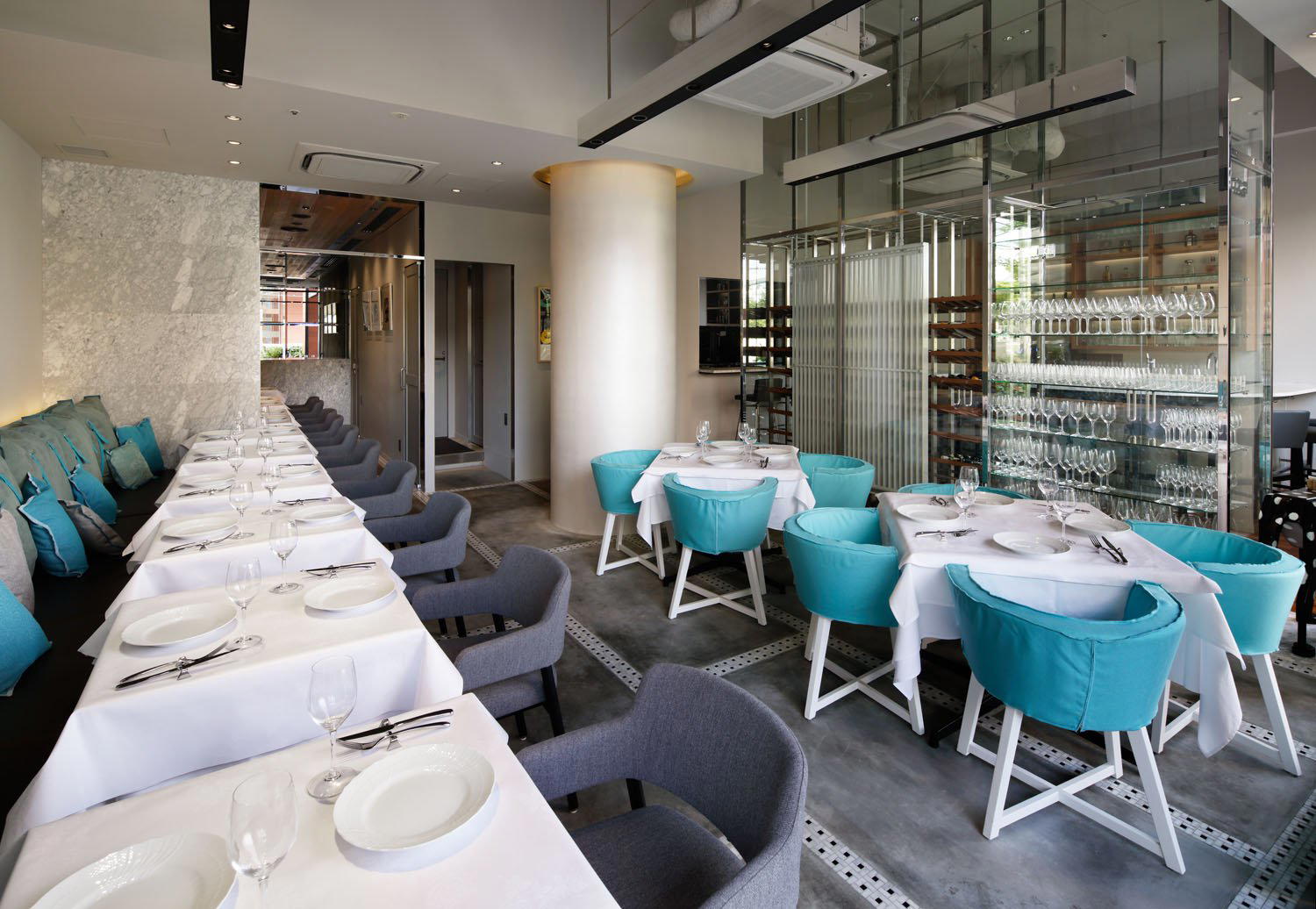
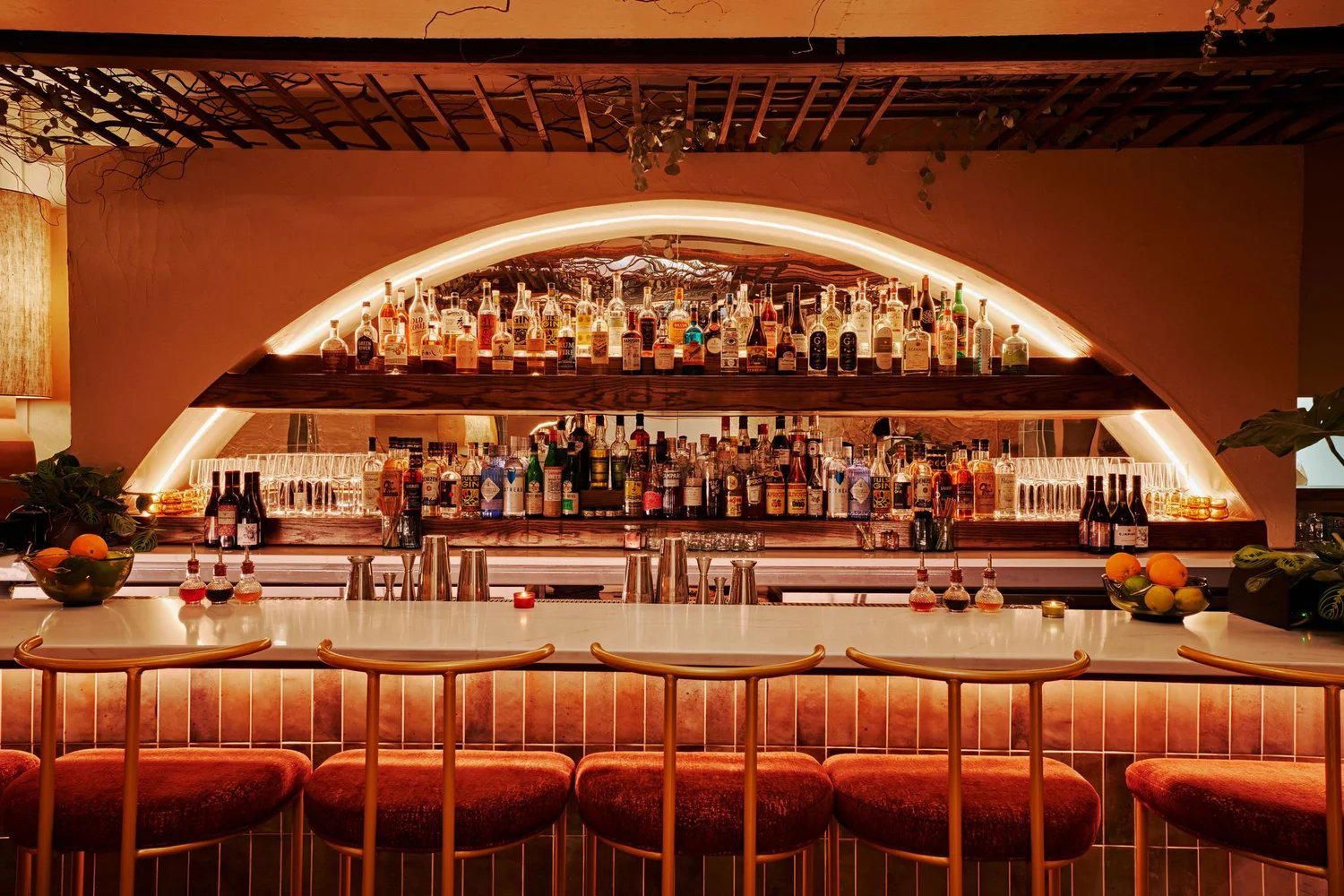
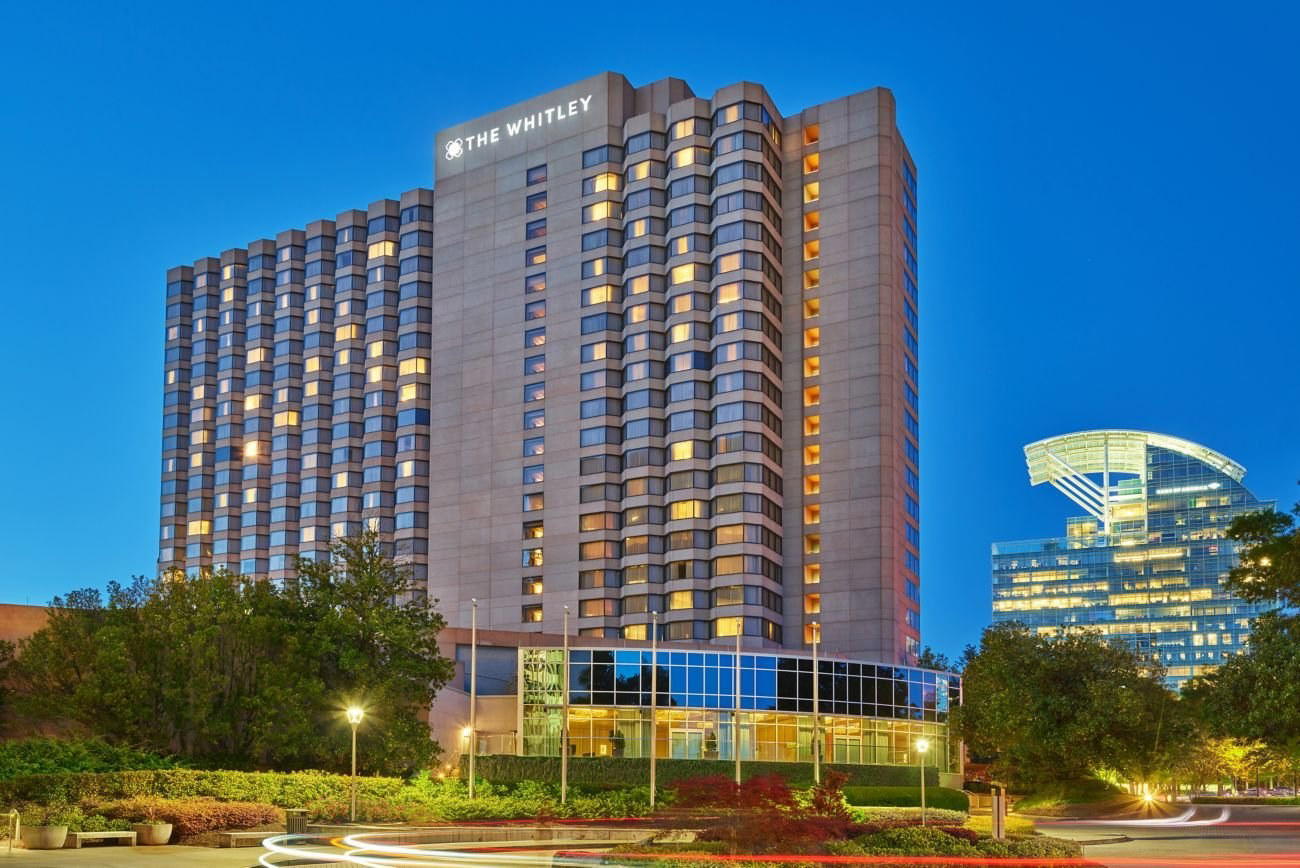
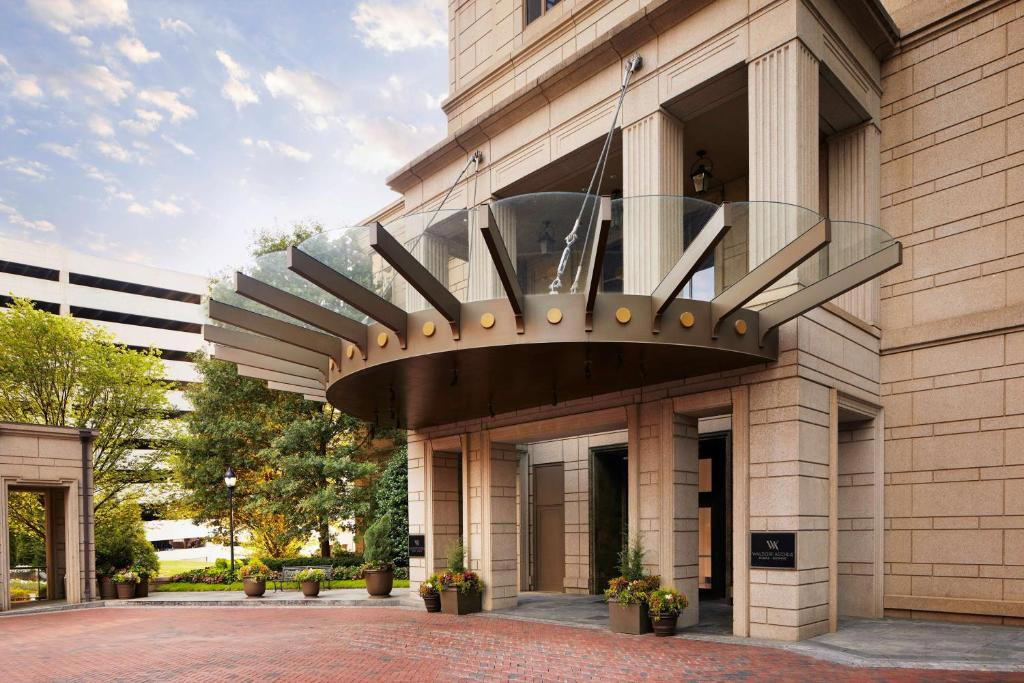
Contemporary and intimate space with shimmery vastness, tall windows providing natural light, sleek modern design with elegant tables and a sophisticated sushi bar.