Sushi Enya Little Tokyo
Sushi Enya Little Tokyo at 343 1st St serves Modern Japanese Omakase with a sake program, sustainable seafood, and signatures including Chirashi Bowl and Dragon Roll.
Pearl is the En Primeur Club membership app — saves, bookings, and concierge access live there. Same editors, same standards.
- Address
- 343 1st St, Los Angeles, CA 90012
- Phone
- +12133990338
- Website
- opentable.com
- Directions
- Get directions
 Saves & bookings on Pearl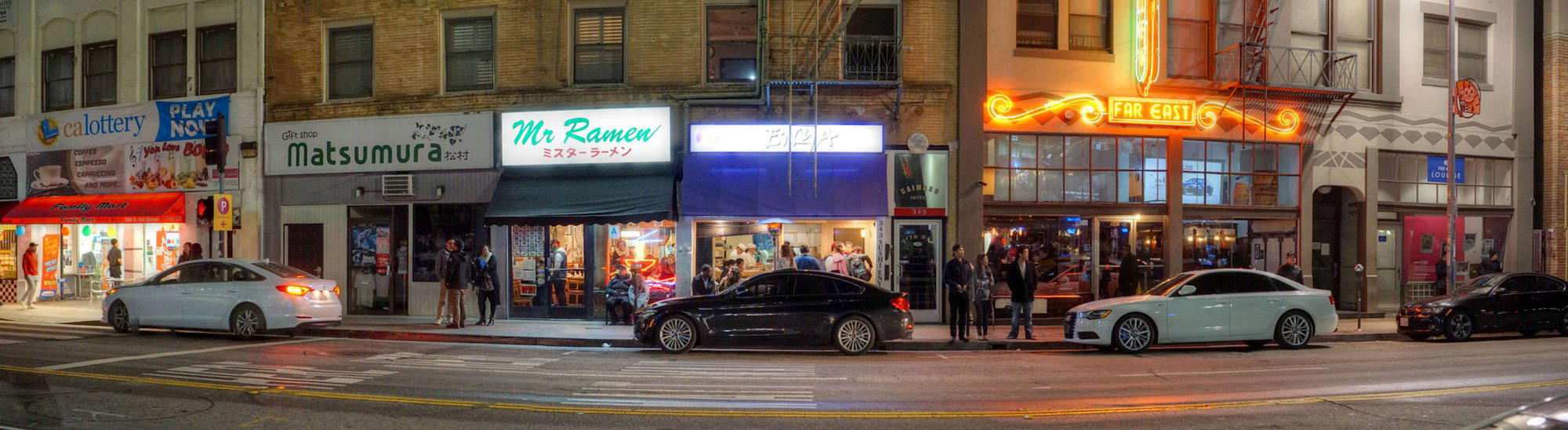
Little Tokyo's Sushi Tradition, Seen Through the Eyes of Those Who Return
Little Tokyo has anchored Japanese dining in Los Angeles since the late nineteenth century, making it one of the oldest continuous Japanese-American communities in the continental United States. Within that neighbourhood, sushi has always occupied a specific cultural register: less performance, more precision. Sushi Enya, situated at 343 1st Street, belongs to that tradition. Its address places it within walking distance of the Japanese American National Museum and the broader grid of restaurants and markets that have defined the district for generations. For regulars, that geography is not incidental. It is part of why they return.
What the Neighbourhood Selects For
Los Angeles now carries one of the most competitive sushi markets outside Japan. The upper tier includes counters with years-long waiting lists, rigorous omakase structures, and price points that align them with fine dining destinations like Hayato, whose kaiseki-adjacent Japanese format occupies a separate but adjacent position in the city's premium Japanese dining conversation. Sushi Enya in Little Tokyo sits within a different register of that ecosystem: a neighbourhood anchor rather than a destination-for-destination's-sake proposition. That distinction matters to the people who eat there regularly. They are not arriving for a single occasion. They are arriving because the restaurant fits a pattern of reliable, repeated use.
That regulars' logic is different from the first-timer's calculus. It does not ask whether the room photographs well or whether the omakase structure is architecturally impressive. It asks whether the fish is fresh on a Tuesday, whether the staff recognises a face, and whether the experience holds up across visits. Little Tokyo regulars tend to be exacting about this. The district has enough competing options — and enough Japanese-American cultural weight — that a restaurant earning repeat business over time is making a real argument about consistency.
The Scene at the Counter
Sushi Enya operates in a format that Los Angeles has seen refined significantly over the past decade. The city's appetite for counter dining, where proximity to preparation is part of the offer, grew alongside the broader national move toward transparency in fine dining. Restaurants like Providence on Melrose helped shift the baseline expectation for what serious ingredient-led cooking could look like in Los Angeles. Counter sushi, in that context, became a format where technical precision and sourcing credibility could be communicated directly, without the mediation of a printed menu.
For regulars at a neighbourhood sushi counter, the counter itself tends to be a site of accumulating knowledge. Return visits build a vocabulary: which cuts the kitchen handles with particular attention, how the rice temperature shifts across a long service, which seasonal items appear without announcement. This kind of unwritten menu exists at most serious sushi operations, and it rewards the guests who show up consistently enough to read it.
Los Angeles diners who move between the upper registers of the city's Japanese dining scene, visiting Kato for its New Taiwanese counter format, or tracking the tasting menu evolution at Somni, often maintain a parallel relationship with a neighbourhood sushi house that operates outside the special-occasion tier. Sushi Enya, in Little Tokyo, fills that role for a segment of the city's repeat diners.
How Little Tokyo Compares to the Broader LA Fine Dining Grid
Los Angeles has diversified its fine dining reference points considerably. Italian anchors like Osteria Mozza hold long-established positions in the city's dining calendar. Across the country, the comparison class for a city's serious sushi counter often points outward: Le Bernardin in New York City sets the standard for precision seafood handling in a different tradition, while Atomix in New York City represents the level of ambition that Korean tasting menu formats have reached. In the American West, The French Laundry in Napa and Single Thread Farm in Healdsburg define what ingredient sourcing and seasonal attentiveness look like at the country's most scrutinised tables. Sushi Enya is not competing in that bracket, nor is it trying to.
That positioning is actually harder to sustain than it looks. The restaurants that hold a neighbourhood for years, rather than burning bright and turning over, are doing something most ambitious openings fail to do. Across the country, comparison cases range from Emeril's in New Orleans to Bacchanalia in Atlanta: places that became institutions by sustaining a standard rather than chasing a moment. The full Los Angeles restaurants guide maps how the city's dining operates across these different tiers and neighbourhoods.
Planning a Visit
Sushi Enya Little Tokyo is located at 343 1st Street in the heart of the Little Tokyo district, easily reachable by Metro A Line from downtown. The neighbourhood is walkable, and the concentration of Japanese restaurants, shops, and cultural institutions in the surrounding blocks means a dinner here fits naturally into a longer exploration of the district. Given the restaurant's position as a neighbourhood regular's choice rather than a ticketed event, timing and booking specifics are worth confirming directly before visiting, as operational details can shift. Those already familiar with the cadence of serious Los Angeles sushi houses will know that weekend evenings fill early, and that arriving with flexibility on timing or seating preference tends to produce better outcomes than treating the visit as a fixed itinerary point.
For context on how Sushi Enya fits the broader geography of ambitious American dining, it's worth noting how far the national conversation has moved: from the tasting menu laboratory work of Alinea in Chicago and Lazy Bear in San Francisco to the farm-rooted ambition of Blue Hill at Stone Barns in Tarrytown, and from the culinary ambition of Addison in San Diego to the historic scale of The Inn at Little Washington. Internationally, the reference class for Japanese dining precision includes counters in Hong Kong's competitive market, such as 8 1/2 Otto e Mezzo Bombana, which has built its reputation on ingredient sourcing and format discipline of a different order. The Little Tokyo counter operates in a quieter register than any of these, but quieter registers are often where a city's actual dining culture lives most authentically.
How Sushi Enya Little Tokyo compares with similar nearby venues.
| Venue | Cuisine | Price |
|---|---|---|
| Daikokuya | Ramen | Not listed |
| Marugame Monzo | Japanese | $$ |
Continue exploring
More in Los Angeles
Restaurants in Los Angeles
Browse all →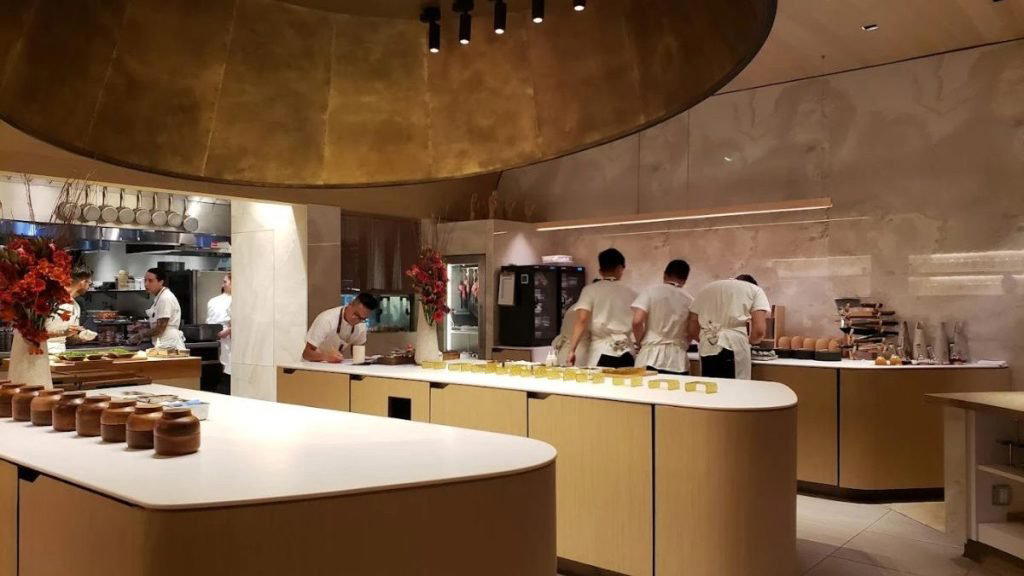
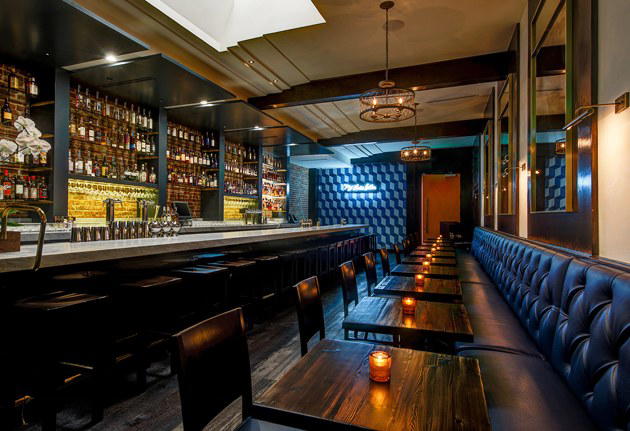
Bars in Los Angeles
Browse all →
Hotels in Los Angeles
Browse all →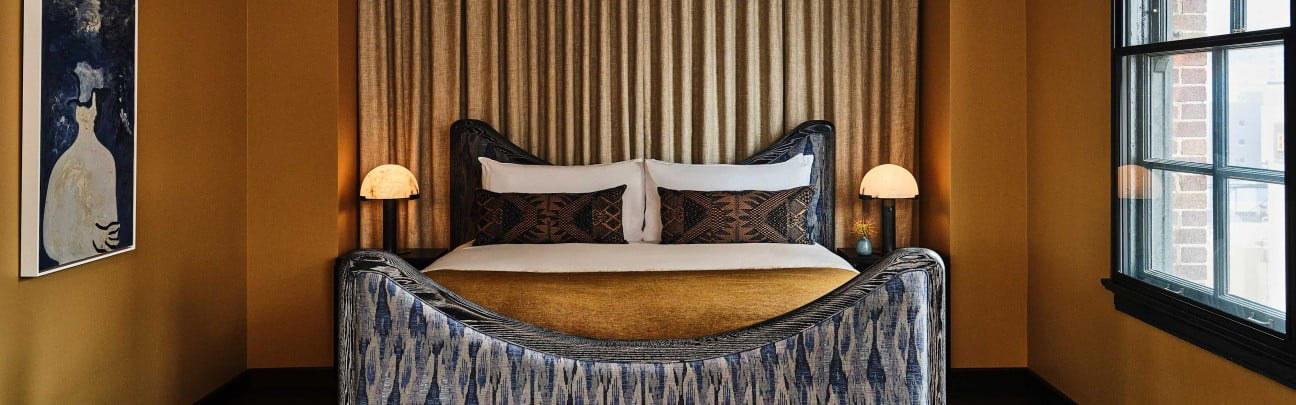
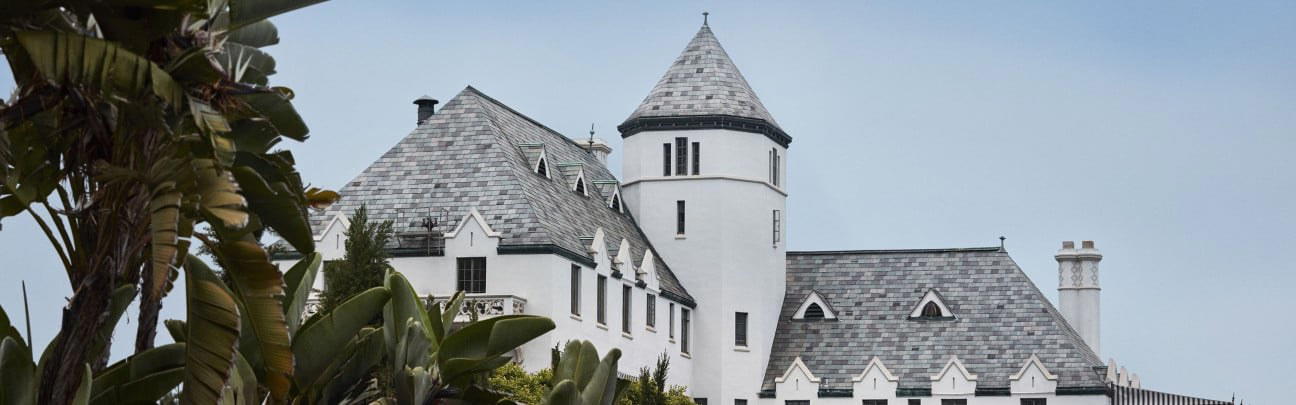
Wineries in Los Angeles
Browse all →
At a Glance
- Intimate
- Elegant
- Classic
- Date Night
- Special Occasion
- Solo
- Chefs Counter
- Open Kitchen
- Sake Program
- Sustainable Seafood
Current opening hours
- Monday
- 5:30–10 PM
- Tuesday
- 5:30–10 PM
- Wednesday
- 5:30–10 PM
- Thursday
- 5:30–10 PM
- Friday
- 5:30–11 PM
- Saturday
- 5:30–11 PM
- Sunday
- 5–10 PM
Hours can change for holidays and private events. Last verified .
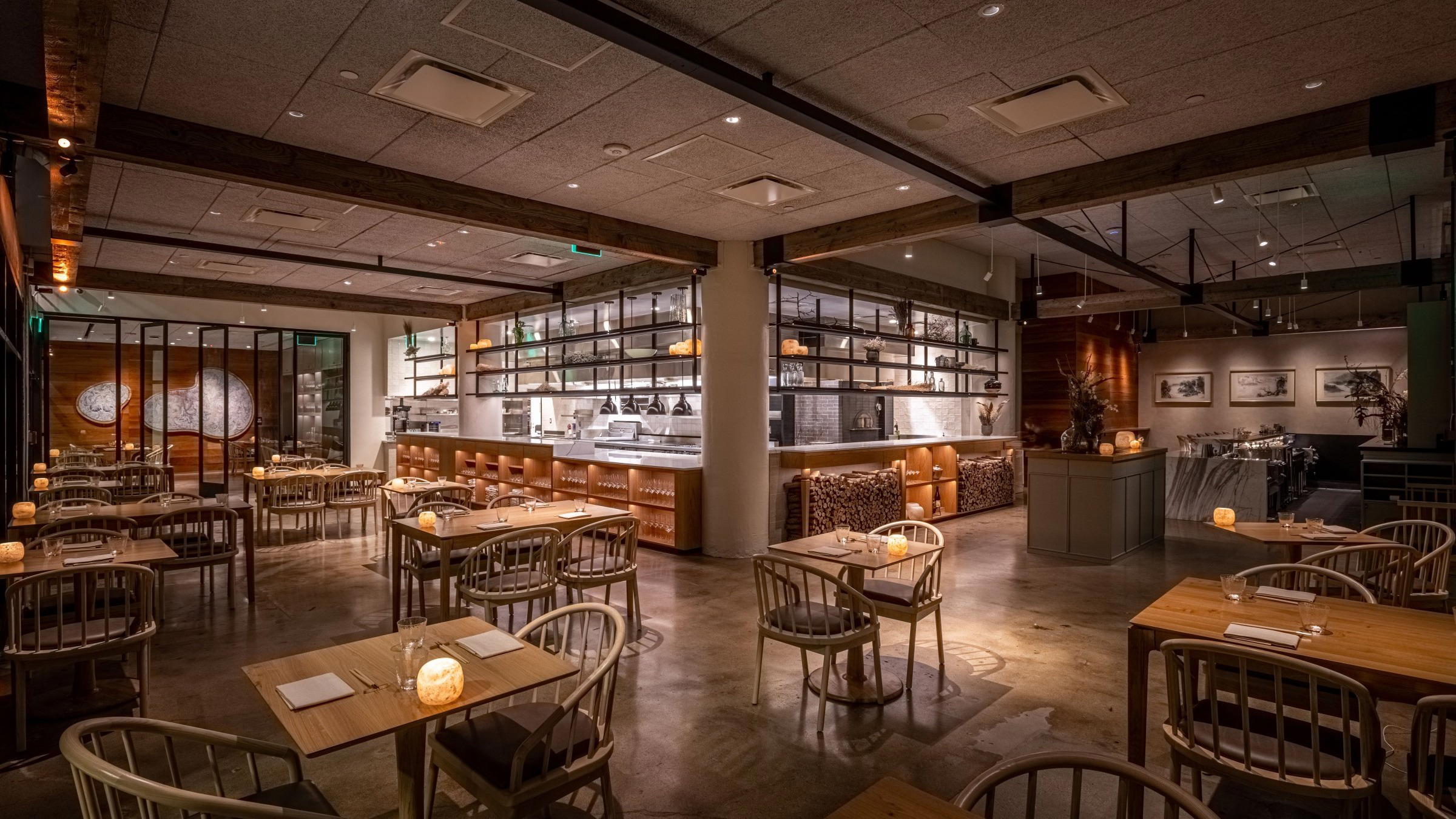
Intimate, energetic counter-focused setting with warm lighting and an open kitchen where diners can watch skilled chefs work. The space is small and cozy with a lively atmosphere punctuated by traditional Japanese greetings from staff.
Know Before You Go
- Getting there
- 343 1st St, Los Angeles, CA 90012