
Our verdict
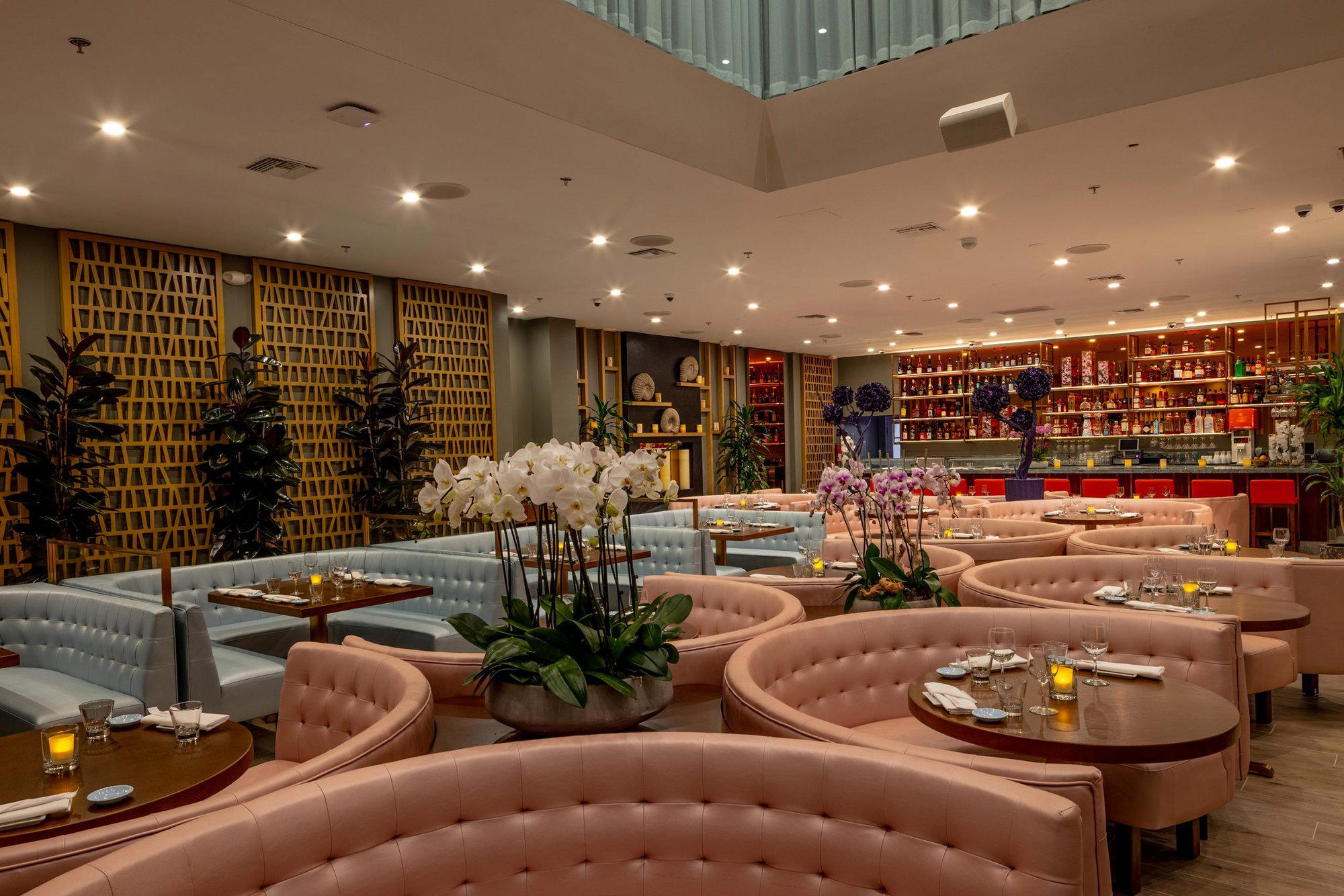
Koi sits on La Cienega Boulevard in West Hollywood, positioned where Japanese technique meets the produce-forward sensibility that defines Los Angeles dining at its most considered. The restaurant has occupied a particular place in the city's premium Japanese-inflected scene for years, drawing a clientele that moves between industry tables and serious food occasions. Its address on Restaurant Row places it within easy reach of the city's broader fine dining corridor.

Pearl is the En Primeur Club membership app, where members save venues, book tables and use the concierge.
La Cienega and the Logic of Restaurant Row
West Hollywood's La Cienega Boulevard has functioned as a dining corridor for decades. The stretch earned the name Restaurant Row through accumulation rather than design, and the address at 734 N La Cienega puts Koi inside that tradition. This is not the Arts District's chef-driven casual tier, nor the Brentwood neighborhood-restaurant mode. La Cienega at this price point implies a particular contract with the customer: formal enough for a significant occasion, visible enough for the city's entertainment industry to treat it as a known quantity.
Los Angeles has long produced a specific kind of premium Japanese dining that diverges from the strict omakase counter format dominant in Tokyo or, closer to home, in the city's own Sawtelle and Little Tokyo corridors. Where Hayato operates inside the kaiseki tradition with minimal concession to Western preference, and where Kato reframes Taiwanese and broader Asian reference through a contemporary American lens, Koi has historically occupied a different position: Japanese-inflected cooking shaped by the expectations of a West Hollywood dining room, where the room's energy and the plate's construction share equal billing.
Technique Import, California Product
The broader editorial story of Japanese-influenced restaurants in American cities is one of technique transfer. Japanese culinary discipline, particularly in knife work, temperature control, and the treatment of raw protein, arrived in the United States through multiple vectors: Japanese-trained chefs who emigrated, American chefs who staged in Japan, and the institutional prestige that Japanese restaurants accumulated through the 1980s and 1990s. What followed in cities like Los Angeles was a generation of restaurants that applied those imported methods to domestic ingredients.
California's agricultural output makes this intersection particularly productive. The state's farms supply citrus, stone fruit, and specialty produce that Japanese technique can isolate and amplify rather than obscure. The Pacific coast delivers fish that, while different in species from what Japanese kitchens traditionally handle, responds well to the same principles of minimal intervention and precise sourcing. This is the culinary logic that restaurants like Koi operate within: the method is global, the material is local, and the result is neither purely Japanese nor purely Californian.
This approach places Koi in a larger national conversation about what Japanese influence actually means in American fine dining. Le Bernardin in New York City applied French precision to seafood with similar results; Atomix in New York City has done something analogous with Korean reference points. Closer geographically, Somni pushed the Japanese-influenced tasting menu format toward molecular territory before its hiatus. Koi represents a different register of that same import-and-adapt tradition, one calibrated to a West Hollywood clientele rather than a tasting-menu enthusiast base.
Where Koi Sits in the Los Angeles Premium Tier
The Los Angeles fine dining market has stratified sharply over the past decade. At the leading sits a cluster of tasting-menu destinations, including Providence, which holds two Michelin stars and anchors the city's serious seafood conversation, and Hayato, which operates a strict kaiseki format at limited capacity. Below that, a broader set of premium à la carte and semi-fixed restaurants handles the city's entertainment-adjacent dining occasions, corporate tables, and the kind of celebratory dinner that needs a recognizable name.
Koi has historically operated in that second tier by reputation and clientele, even as the first tier has grown more codified by award bodies. That positioning is neither a criticism nor a concession. The West Hollywood entertainment industry maintains genuine demand for restaurants that combine serious kitchen output with a dining room atmosphere that accommodates conversation and visibility. Osteria Mozza serves a comparable function on the Italian side of the premium market. The function is different from a twelve-seat counter experience, but it is no less considered a role.
For context across the wider American fine dining tier: operations like The French Laundry in Napa, Alinea in Chicago, Blue Hill at Stone Barns in Tarrytown, and Single Thread Farm in Healdsburg represent a tightly formalized tasting-menu format with defined sourcing narratives. Koi, like Emeril's in New Orleans, Addison in San Diego, Bacchanalia in Atlanta, and The Inn at Little Washington, operates within a different but legitimate tradition: destination dining that places the full evening, not just the plate sequence, at the center of the proposition.
For readers traveling from outside Los Angeles, our full Los Angeles restaurants guide maps the city's dining tiers across neighborhoods, price points, and cuisine categories. International comparison points, such as 8½ Otto e Mezzo Bombana in Hong Kong, illustrate how premium Asian-influenced dining positions itself in other major cities, and that framing applies directly to understanding what Koi represents in Los Angeles. Lazy Bear in San Francisco offers a useful regional counterpoint as well, operating a chef-led communal format that serves a different appetite in the Bay Area market.
Planning a Visit
Koi's La Cienega address is accessible by car from most West Hollywood hotels, with valet and street parking typical for the corridor. As with most premium West Hollywood dining, evenings from Thursday through Saturday see the heaviest demand, and the restaurant's profile in industry and entertainment circles means tables during awards season and major industry events book ahead faster than otherwise expected.
Know Before You Go
- Address: 734 N La Cienega Blvd, Los Angeles, CA 90069
- Neighbourhood: West Hollywood / Restaurant Row
- Booking: Contact the restaurant directly; advance reservations advised for weekend evenings and peak industry calendar periods
- Getting there: La Cienega Blvd is accessible from both the 10 and 405 freeways; valet parking common on this corridor
- Price tier: Premium West Hollywood dining; budget accordingly for a full evening with drinks
- Dress code: Smart casual is the standard for Restaurant Row at this tier; the room skews dressed
Frequently asked questions
What's Koi's location?
Koi is located at 734 N La Cienega Blvd, Los Angeles, CA 90069, Los Angeles.
How does Koi compare to other Japanese-influenced restaurants in Los Angeles?
Los Angeles contains at least two distinct tiers of Japanese-influenced dining: strict counter and kaiseki formats concentrated in areas like Little Tokyo and Beverly Hills, and table-service restaurants like Koi on La Cienega that apply Japanese technique within a West Hollywood social dining context. Koi operates in the latter category, making it a different proposition from a counter omakase or a kaiseki sequence. For diners who want Japanese culinary discipline without a fixed tasting-menu structure, the La Cienega address delivers that trade-off.
What should I eat at Koi?
Koi's menu operates within the Japanese-California tradition, where Japanese technique is applied to local seafood and California produce. The format suits a West Hollywood dining room rather than a counter, so expect composed dishes designed to move through a full dinner service. Given the restaurant's position on La Cienega's dining corridor, seafood preparations anchored by Japanese method are the logical starting point.
Should I book Koi in advance?
Advance booking becomes a practical requirement during Los Angeles awards season, roughly January through March, when West Hollywood restaurants fill with entertainment industry traffic. Outside that window, La Cienega corridor dining still draws consistent demand, particularly on weekend evenings. Reserving at least one to two weeks ahead covers most visit scenarios.
What's the signature at Koi?
Koi built its reputation through Japanese-influenced preparations calibrated for a West Hollywood dining room format, meaning dishes that work across a full table-service evening rather than an omakase sequence. The Japanese-California approach, applying precision technique to locally sourced ingredients, defines what the kitchen is known for on La Cienega.
Is Koi good for vegetarians?
Japanese-influenced menus in Los Angeles increasingly accommodate plant-forward preferences, given California's produce depth and the city's dining culture. Koi's Japanese-California framework, which relies on technique as much as protein, gives the kitchen tools to work with vegetables beyond simple substitution. Confirming specific plant-based options directly with the restaurant at the time of booking is advisable.
Is Koi worth the price?
At the premium West Hollywood tier, value is measured across the full evening, not just the plate. Koi's longevity on La Cienega, a corridor where restaurants cycle through quickly, signals consistent demand from a discerning Los Angeles market. The Japanese-California format positions it below the strict tasting-menu tier in price while maintaining the technique standard that category implies.
Cuisine Context
Comparable venues nearby, for context on price, style, and recognition.
| Venue | Cuisine | Price | Notes |
|---|---|---|---|
| KoiThis venue (the venue you are viewing) | Japanese Sushi Fusion | $50–100 | Not listed |
| KIWAMI by Katsu-ya | Modern Japanese Omakase | $50–100 | Studio City |
| Norikaya | Handrolls & Izakaya | $50–100 | Wilshire Center |
| Omakase by Osen | Authentic Japanese Omakase | Not listed | Silver Lake |
| Mutsu | Modern Japanese Izakaya - Hand Roll Bar | $50–100 | Beverly Grove |
| Sushi Zo Downtown Los Angeles | Modern Japanese Omakase | $200–300 | Old Bank District |
Recognition history
Dated appearances from independent guides and award organizations, with the underlying list record or original source where available.
Opinionated About Dining Top Restaurants in North America Recommended
Opinionated About Dining
Continue exploring
More in Los Angeles
Restaurants in Los Angeles
All restaurants in Los Angeles →
Bars in Los Angeles
All bars in Los Angeles →
Hotels in Los Angeles
All hotels in Los Angeles →
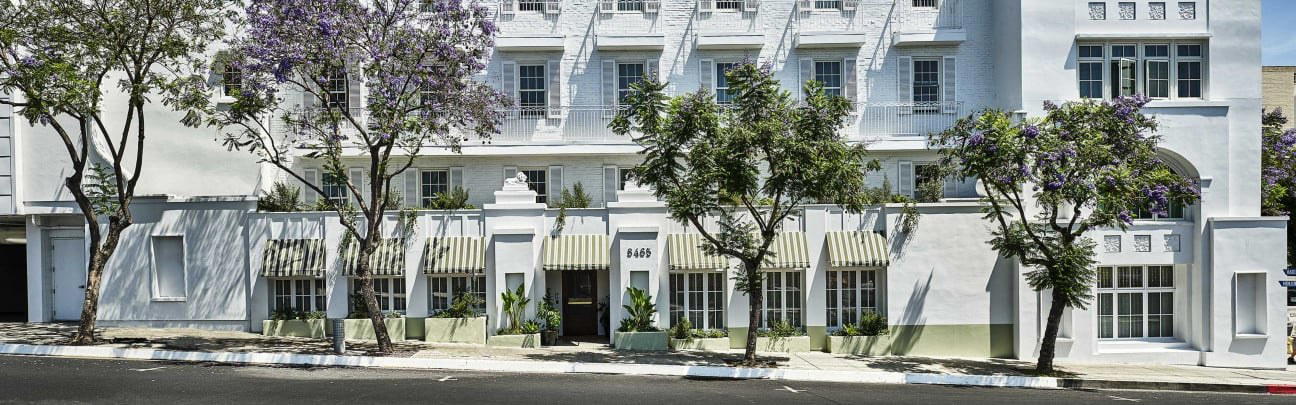
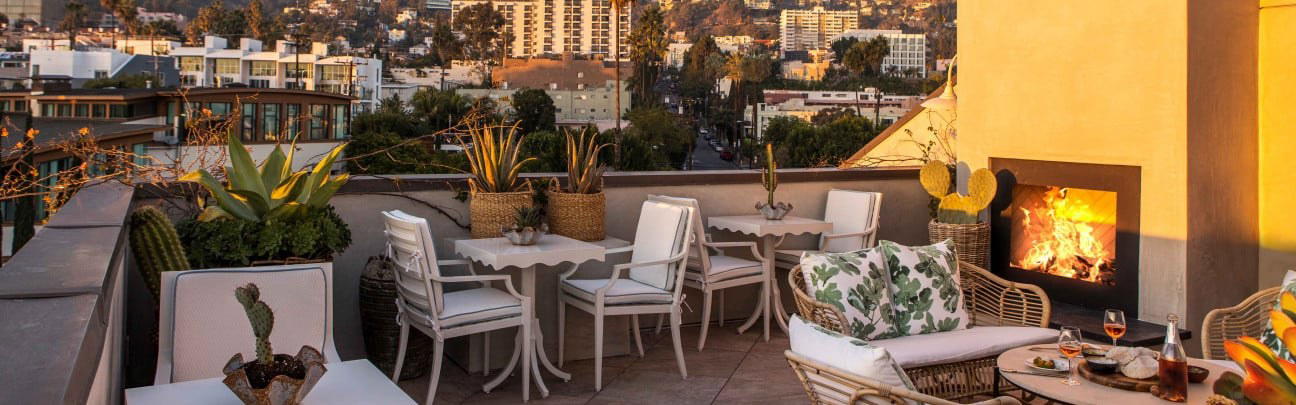
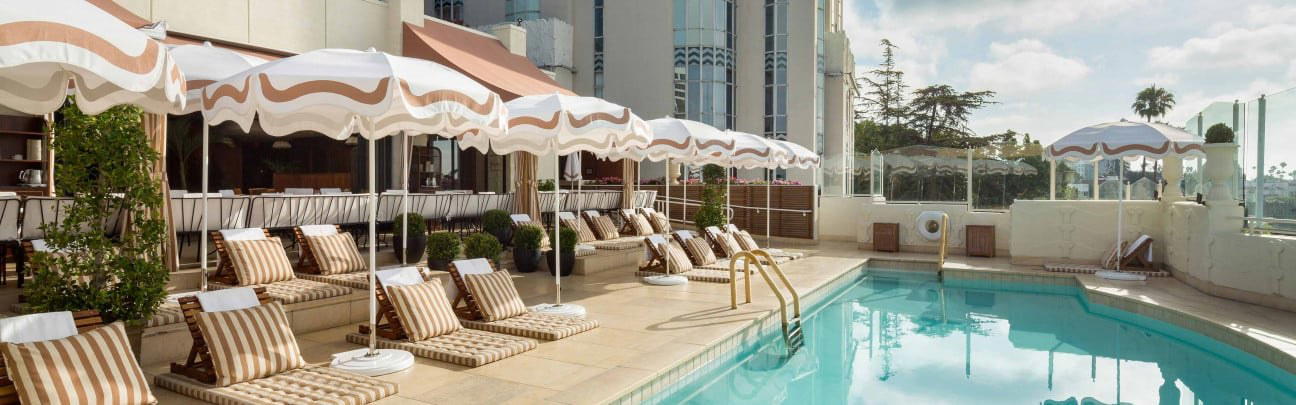
Wineries in Los Angeles
All wineries in Los Angeles →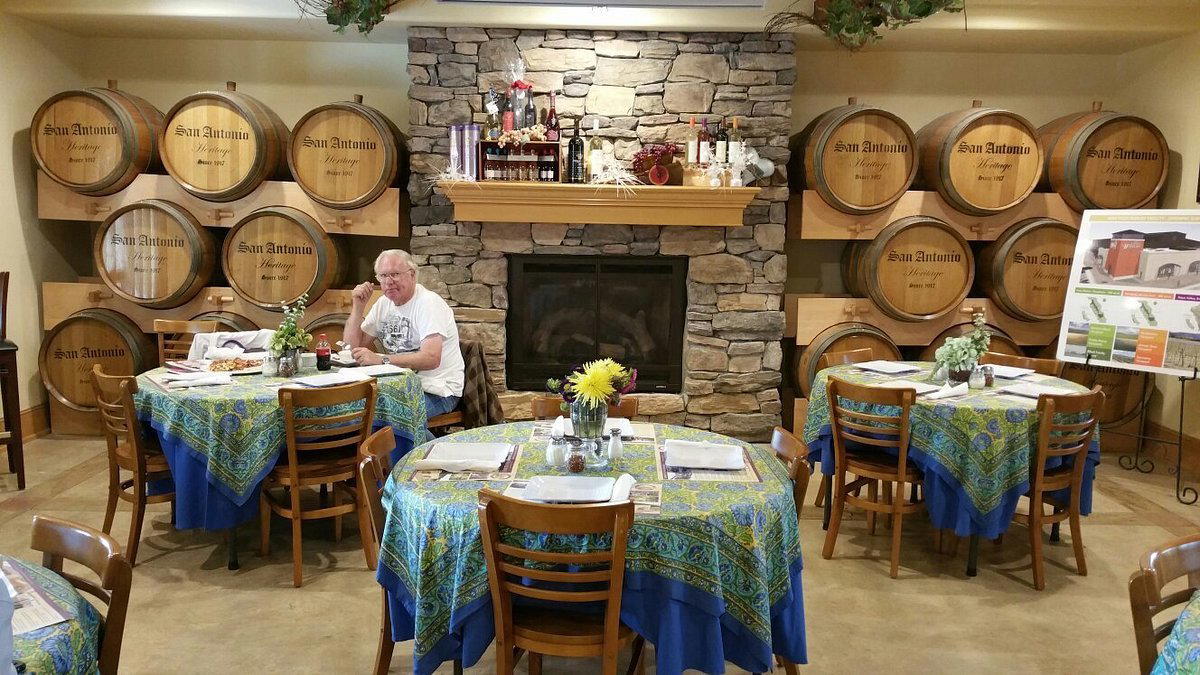
Details
- Trendy
- Elegant
- Sophisticated
- Modern
- Date Night
- Special Occasion
- Business Dinner
- Private Dining
- Craft Cocktails
- Sake Program
- A La Carte
- Sake Program
- Craft Cocktails
- Gluten Free Options
- Vegan Options
Current opening hours
- Monday
- 5:30–10 PM
- Tuesday
- 5:30–10 PM
- Wednesday
- 5:30–10 PM
- Thursday
- 5:30–10 PM
- Friday
- 5:30–10:30 PM
- Saturday
- 5:30–10:30 PM
- Sunday
- 5:30–10 PM
Hours can change for holidays and private events. Hours as of .
Sophisticated blend of feng shui and modern elegance illuminated by candlelight with Zen-inspired natural details.