Chiso Cafe
Chiso Cafe brings Japanese cooking into the Los Angeles dining conversation through the lens of immediacy: heat, timing, and counter-side attention matter as much as the plate. With no public awards or chef billing shaping the story, the draw is the format itself, a Japanese cafe read against a city that often splits the cuisine between sushi ceremony, ramen speed, and izakaya looseness.
Pearl is the En Primeur Club membership app — saves, bookings, and concierge access live there. Same editors, same standards.
- Address
- Los Angeles, United States
- Directions
- Get directions
 Saves & bookings on Pearl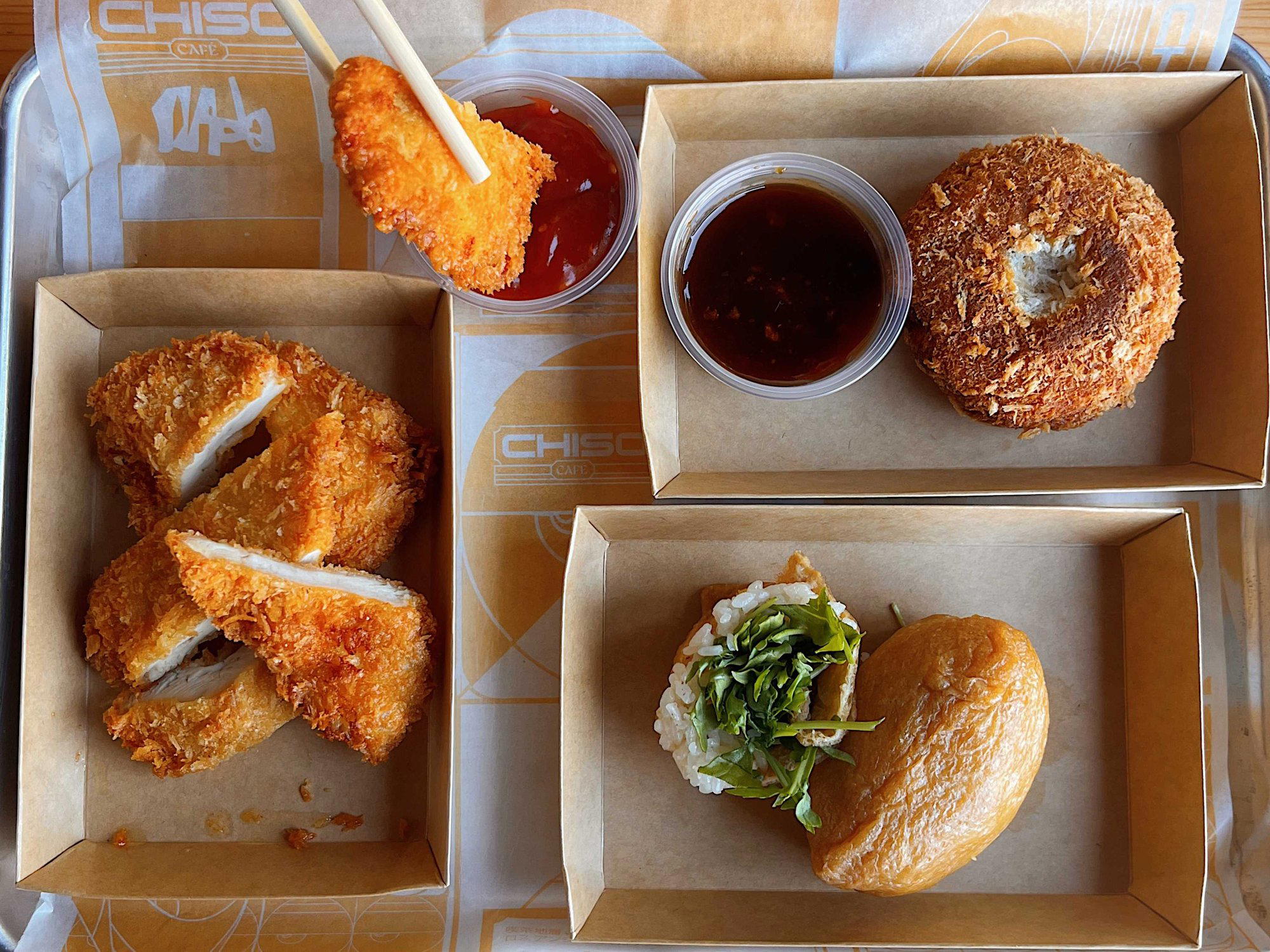
The useful way to read Chiso Cafe is through proximity. Japanese dining in Los Angeles often asks the room to disappear behind the craft: sushi counters become almost liturgical, ramen shops turn over bowls at speed, and izakaya rooms loosen the edges with grilled skewers and beer. A cafe format changes that rhythm. It puts informality closer to the center, while the Japanese frame keeps attention on sequence, temperature, and restraint.
That matters in a city where Japanese food has become both highly specialized and widely casual. Los Angeles can support disciplined counter meals, compact hand-roll counters, neighborhood noodle shops, and lunch-driven rice-bowl rooms without forcing them into the same category. Chiso Cafe belongs to the part of that spectrum where the meal is less about ceremony than calibration: a place to think about Japanese cooking as everyday structure rather than occasion dining.
Japanese cafe dining in Los Angeles runs on timing, not theater
The cafe lens is useful here because the format is often about timing and ease rather than performance. The genre can make cooking feel immediate without turning the room into a stage: heat, pacing, and service rhythms matter, but they do not need spectacle to register. In Los Angeles, where dining rooms often trade on either speed or scarcity, that kind of directness gives Japanese cafe cooking a different kind of authority.
Chiso Cafe is listed simply as Japanese, and that simplicity should not be over-read. Kiki Kudo is the chef or owner name attached to the venue, but the page should avoid inventing a detailed auteur narrative, tasting format, price band, or ranking beyond the available record. The editorial point is cleaner: Japanese cafe dining works when it keeps the guest close to everyday structure and lets repetition do the work. Rice, broth, grill, knife work, seasoning, and pacing carry more meaning than decorative language.
That makes the venue useful for readers who already know the more formal end of the city’s Japanese spectrum. Los Angeles diners often divide Japanese meals by commitment level: a counter reserved far ahead, a quick lunch stop, a sake-led night out, a family table where range matters. A cafe sits between those modes. It can be casual without becoming careless, and focused without asking for the concentration demanded by a fixed-course counter.
The appeal is a lower-ceremony Japanese meal, not a trophy reservation
In Los Angeles, Japanese dining is no longer judged only by prestige sushi. Depth comes from formats: soba, curry, yakitori, teishoku, kaiseki, izakaya, bakery-cafe hybrids, and counter cooking all build a city’s credibility in different ways. Los Angeles has the audience for that spread because diners move across neighborhoods and price expectations with unusual fluency. A Japanese cafe can therefore serve a serious role without needing the signals attached to rankings or elaborate biography.
For Chiso Cafe, the available recognition is best kept grounded in reported Los Angeles dining-news coverage rather than inflated into an awards narrative. There is no need to weigh a ranking claim, invent a chef lineage, or assign a stated price tier against premium counters. That pushes the reader toward a more practical question: does the room fit the desired kind of Japanese meal? For a low-ceremony lunch or dinner, the category makes sense. For diners seeking a heavily documented tasting-menu experience, Los Angeles offers other formats better suited to that brief.
The cafe idea also changes how to judge the experience. At this tier of Japanese dining, polish is less about grand presentation than consistency: how food lands at the table, how a room handles pace, and how much the cooking benefits from being served with focus. The right expectation is not performance in the theatrical sense, but a meal where practical rhythm and clear preparation carry the pleasure.
Where to place it in a Los Angeles dining itinerary
Use Chiso Cafe as part of a broader Los Angeles Japanese-food day rather than as a standalone destination around which to build a trip. That is not a slight; it is how the city rewards informed diners. The stronger itinerary pairs a casual Japanese meal with city wandering, a bar later in the evening, or a more formal reservation on another night. For broader planning, start with Our full Los Angeles restaurants guide, then cross-check hotel base decisions through Our full Los Angeles hotels guide and evening plans through Our full Los Angeles bars guide.
Readers building a Japanese-focused route can also look at the city’s different registers through other Los Angeles dining rooms, from counter formats and polished tasting menus to casual Japanese stops and quick-service ideas. For wider EP Club browsing beyond restaurants, use Our full Los Angeles wineries guide and Our full Los Angeles experiences guide.
The same format thinking travels beyond Los Angeles. Casual, specific food rooms read differently in each city, whether the model is a compact cafe, a plant-forward room, a coastal dining room, a hotel restaurant, a quick-service counter, a sushi bar, or a soba specialist. The lesson is consistent: format tells the reader how to set expectations before any dish arrives.
Comparable venues nearby, for context on price, style, and recognition.
| Venue | Cuisine | Price | Notes |
|---|---|---|---|
| Chiso CafeThis venue — the venue you are viewing | Japanese home-style café | $$ | Not listed |
| HRB Experience Century City | Modern Japanese Hand Rolls | $$ | Century City |
| Azai Hand Roll Sushi | Hand Roll Sushi Bar | $$ | Beverly Grove |
| Ramen Nagi | Authentic Japanese Ramen | $$ | Century City |
| Aki Restaurant | Traditional Japanese | $$ | Sawtelle |
| Soregashi | Authentic Japanese Sushi | $$ | Hollywood |
Continue exploring
More in Los Angeles
Restaurants in Los Angeles
Browse all →
Bars in Los Angeles
Browse all →
Hotels in Los Angeles
Browse all →

Wineries in Los Angeles
Browse all →
At a Glance
- Cozy
- Trendy
- Solo
- Casual Hangout
- After Work
- Brunch
- Garden
- Standalone
- Garden
- Street Scene
Daytime, casual walk-up window with a cozy, neighborhood feel, light-filled garden seating, and a relaxed Echo Park café atmosphere geared to quick, homey Japanese meals and coffee drinks.
Know Before You Go
- Reservations
- Walk in friendly
- Dress code
- Casual