
Tabelog 100 #20
Our verdict
Ramen Kokinta belongs to Kagoshima’s practical, late-eating ramen culture rather than the luxury dining circuit. Its Tabelog 100 - Ramen - WEST selections in 2023 and 2025, low listed price band, counter-heavy room, and Ishimaru Foods noodles place it in a category where sourcing discipline and repeat local use matter more than ceremony.

Pearl is the En Primeur Club membership app — saves, bookings, and concierge access live there. Same editors, same standards.
- Address
- 11-5 Tenokuchicho, Kagoshima, 892-0845, Japan
- Phone
- +81 99-223-9455
- Hours
- Daily 11:30 AM–3 PM, 6 PM–3:30 AM
- Website
- instagram.com
- Directions
- Get directions
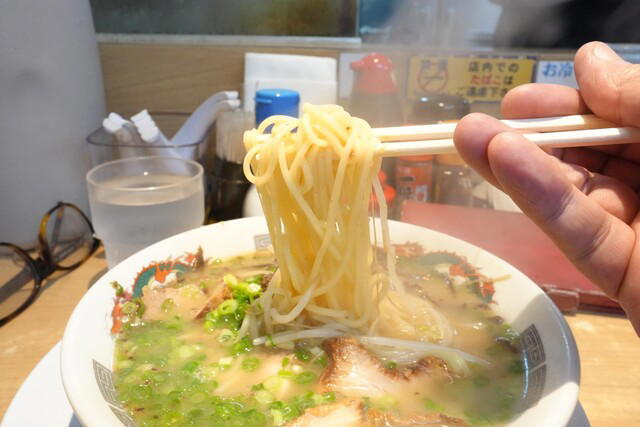
The menu
What to order
- Kagoshima-style tonkotsu ramen
- Chashu ramen
- Gyoza
- Karaage
Kagoshima does not announce every worthwhile meal with the polished choreography of a destination dining district. Its rhythm is practical: tram rides, side streets, late meals, and small rooms built for regulars rather than spectators. Here, ramen is not a tasting-menu substitute but a working form of Japanese eating, judged by broth structure, noodle handling, turnover, and whether the bowl makes sense at lunch as well as later in the day.
Kagoshima’s food identity is often reduced to kurobuta pork, shochu, and charcoal cooking, but its ramen culture deserves attention. Kyushu ramen carries strong regional identity, yet Kagoshima sits slightly apart from Hakata shorthand. Its bowls are read through local habits rather than national branding: accessible pricing, casual rooms, quick service, and side dishes such as gyoza that turn a quick stop into a full casual meal. Ramen Kokinta fits that grammar with unusual clarity.
Ramen, dumplings, and the Kagoshima ramen habit
The useful detail is format, not romance. Ramen depends on texture, timing, broth, and the way a bowl holds together from first lift to last sip. Shops often speak abstractly about balance, but the mechanics sit in wheat, cut, hydration, boiling time, and how noodles behave as broth cools. In a city where diners arrive from work, drinks, a tram ride, or a family meal, consistency matters more than novelty.
Recognition by Tabelog 100 Ramen West in 2025 places the shop in a West Japan ramen conversation, not only a Kagoshima one. The list is category-specific: a ramen selection is different from a general restaurant award. It points to a narrow competitive field where format, value, and repeatability are assessed against regional ramen specialists. A Tabelog score of 3.67 adds calibration, especially where local and enthusiast traffic overlap.
The format reinforces this. Ramen Kokinta belongs to the casual specialist lane: direct, low-priced, and built around ramen with dumplings rather than elaborate service. This is not high-service dining, and should not be judged by that yardstick. The more relevant comparison is Kagoshima’s specialists: yakitori rooms such as Yakitori Senmyou and Yakitori Kouun sit in a different dinner register, while Kurobuta Ryori Ajimori occupies the city’s pork-focused lane. Ramen’s appeal here is that it offers a serious local meal at a much lower listed bracket.
A low-price bowl in a city of pork, charcoal, and shochu
The listed price range, - JPY 999 - JPY 999, defines the editorial category. Kagoshima has many places where dinner becomes an evening around grilled chicken, kurobuta, fish, rice, or bar drinking; ramen runs on another clock and budget. It can follow drinks, precede a tram ride, or replace a full booking when the itinerary has already absorbed a longer lunch. That flexibility is part of the city’s eating culture, not a compromise.
Dumplings in the category listing also matter. Ramen-and-gyoza is familiar across Japan, but in regional cities it often signals repeat local utility rather than single-dish pilgrimage. The room becomes easier to place within Kagoshima: not a bar, izakaya, or formal tasting counter, but a compact local format that borrows from each when useful.
For travellers mapping a wider Kagoshima itinerary, the contrast helps. Other Kagoshima dining rooms explain different parts of the city’s appetite, from pork and charcoal cooking to fish, rice, and casual set meals. Cocktails at BAR STINGER sit in a later, more deliberate register. Ramen Kokinta is connective tissue: casual, inexpensive, and credible enough to stand among specialists.
That is why it should be taken seriously. In premium travel, ramen is often mishandled as either cheap aside or fetish object. Kagoshima supports a third reading: a bowl can be technically specific, regionally useful, and financially modest at once. The ramen-and-dumpling format gives the kitchen a tangible anchor; Tabelog 100 Ramen West 2025 selection gives external category recognition; the price bracket explains why it works for quick, practical meals. None of this requires theatrical language.
How to place it in a Kagoshima dining itinerary
The smart use is contextual. Build one meal around Kagoshima’s heavier pork or charcoal traditions, another around seafood or rice, and leave space for ramen when appetite and schedule call for something direct. The city rewards that pacing. Visitors who make every meal a major reservation miss the informal formats locals use constantly.
For broader planning, Our full Kagoshima restaurants guide gives the strongest dining frame, while Our full Kagoshima hotels guide, Our full Kagoshima bars guide, Our full Kagoshima wineries guide, and Our full Kagoshima experiences guide connect the meal to the rest of the trip. Readers comparing casual Japanese formats beyond Kagoshima can also look more broadly at other regional ramen, casual counters, curry specialists, sake bars, and onigiri shops without treating them as direct peers to Ramen Kokinta.
The editorial verdict is simple: this is a ramen stop to understand through category, recognition, and Kagoshima dining rhythm. It belongs on an itinerary not because it behaves like a luxury restaurant, but because it shows how a serious local bowl can operate below the price and ceremony of the city’s larger-format meals.
Frequently asked questions
When is Ramen Kokinta open?
Current operating hours for Ramen Kokinta are not provided here; confirm directly before visiting.
Is Ramen Kokinta more mid-range or high-end?
Pricing at Ramen Kokinta is listed as - JPY 999 - JPY 999.
Where do I go for Ramen Kokinta?
Kagoshima.
What has Ramen Kokinta built its reputation on?
Ramen Kokinta’s profile is anchored by its Tabelog 100 Ramen West 2025 selection, its Tabelog score of 3.67, its ramen and dumpling category, and its - JPY 999 - JPY 999 listed price range in Kagoshima.
How It Stacks Up
Comparable options at the same price tier.
| Venue | Cuisine | Price | Awards | Notes |
|---|---|---|---|---|
| Ramen KokintaThis venue — the venue you are viewing | Kagoshima-style ramen shop | $10–20 | Tabelog 100 #20 | Not listed |
| Yakitori Kouun | Yakitori | $30–50 | Tabelog 100 #80 | Hinohiguchi-cho |
| 菜々かまど | Japanese Seafood Izakaya | $30–50 | Not listed | 天文館 |
| Yakitori Senmyou | Traditional Yakitori | $30–50 | Tabelog 100 #15 | Tenmonkan / Koto Chugakko Mae area |
| Washoku Tei | Japanese Set-Meal Restaurant | $10–20 | Tabelog 100 #68 | Chuocho |
| Tenmonkan Mujaki Amyu puraza ten | Japanese cafe & shaved ice (Shirokuma) | $1–10 | Tabelog 100 #21 | Kagoshima Chuo Station / Amu Plaza |
Recognition history
Dated appearances from independent guides and award organizations, with the underlying list record or original source where available.
Tabelog 100 #20 · No. 20
Tabelog · Tabelog 100 - Ramen - WEST - 2025
Continue exploring
More in Kagoshima
Restaurants in Kagoshima
Browse all →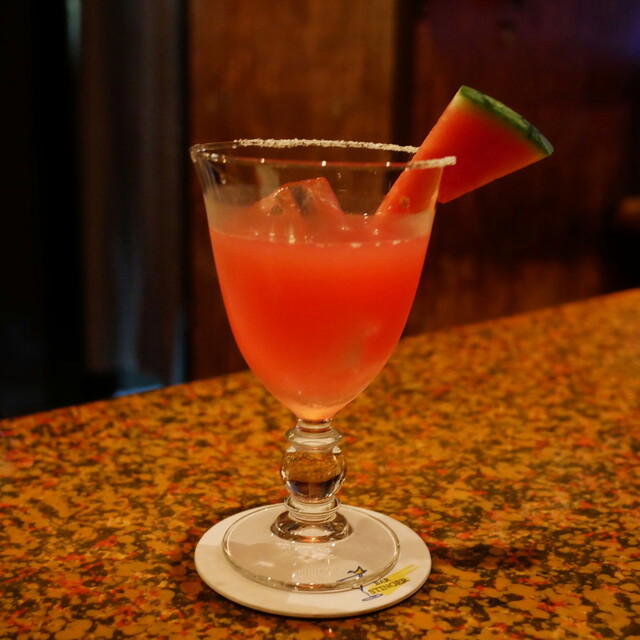
Hotels in Kagoshima
Browse all →
Wineries in Kagoshima
Browse all →
Details
- Lively
- Cozy
- Solo
- Casual Hangout
- Late Night
- After Work
- Family
- Standalone
- A La Carte
- Counter Dining
- Shochu
- Beer
Current opening hours
- Monday
- 11:30 AM–3 PM, 6 PM–3:30 AM
- Tuesday
- 11:30 AM–3 PM, 6 PM–3:30 AM
- Wednesday
- 11:30 AM–3 PM, 6 PM–3:30 AM
- Thursday
- 11:30 AM–3 PM, 6 PM–3:30 AM
- Friday
- 11:30 AM–3 PM, 6 PM–3:30 AM
- Saturday
- 11:30 AM–3 PM, 6 PM–3:30 AM
- Sunday
- 11:30 AM–3 PM, 6 PM–3:30 AM
Hours can change for holidays and private events. Last verified .