Skip to Main Content
Kagoshima Black Pork Tonkatsu
← Collection
Kagoshima, Japan

Tonkatsu Kawakyu

Price≈$20
Dress CodeCasual
ServiceCasual
NoiseConversational
CapacitySmall
Tabelog

The Ritual of Breadcrumbs and Heat There is a particular discipline to eating tonkatsu well, and it begins before the first bite. The panko crust should shatter, not compress. The pork inside should carry enough intramuscular fat to stay moist...

Pearl is the En Primeur Club membership app — saves, bookings, and concierge access live there. Same editors, same standards.
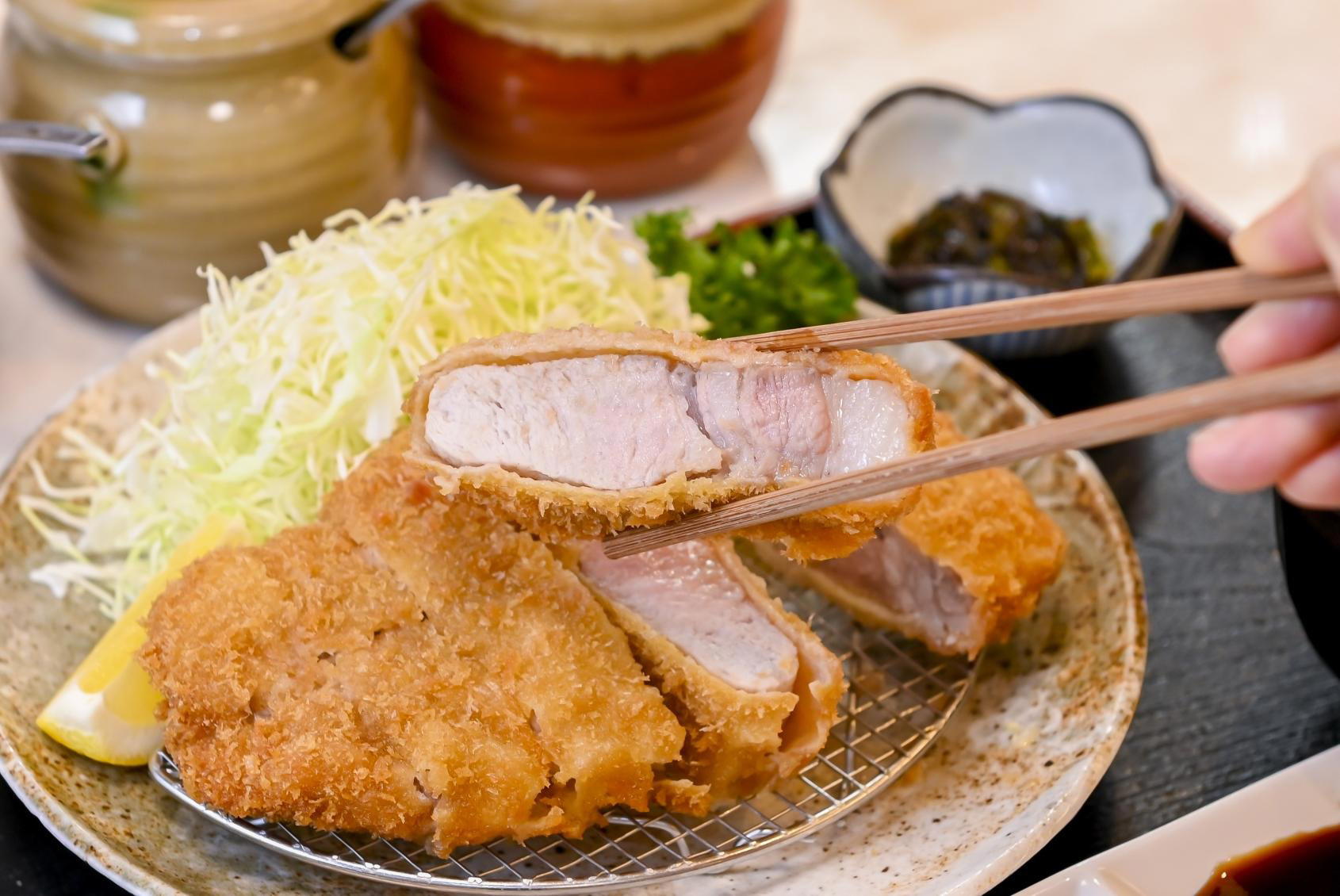
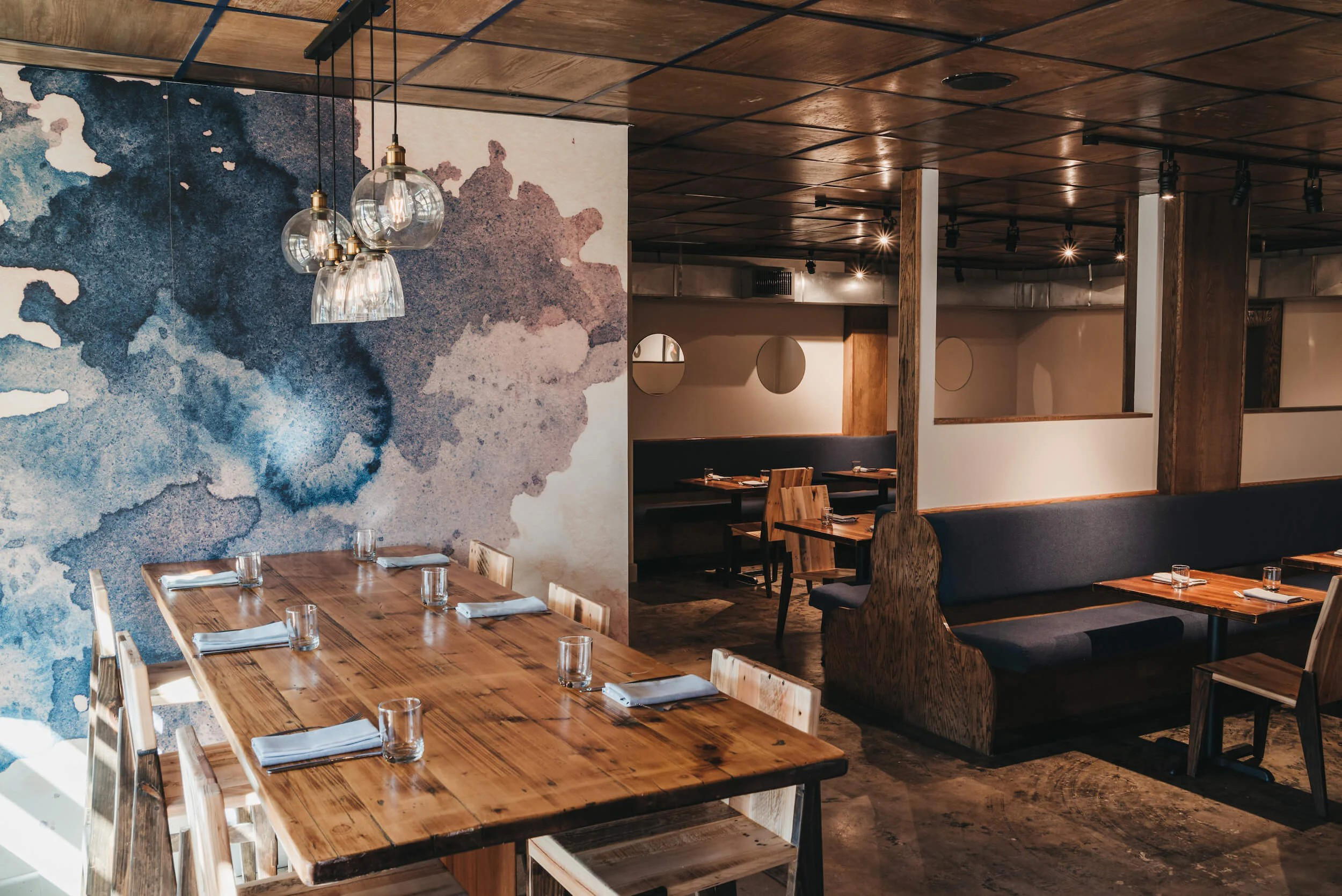
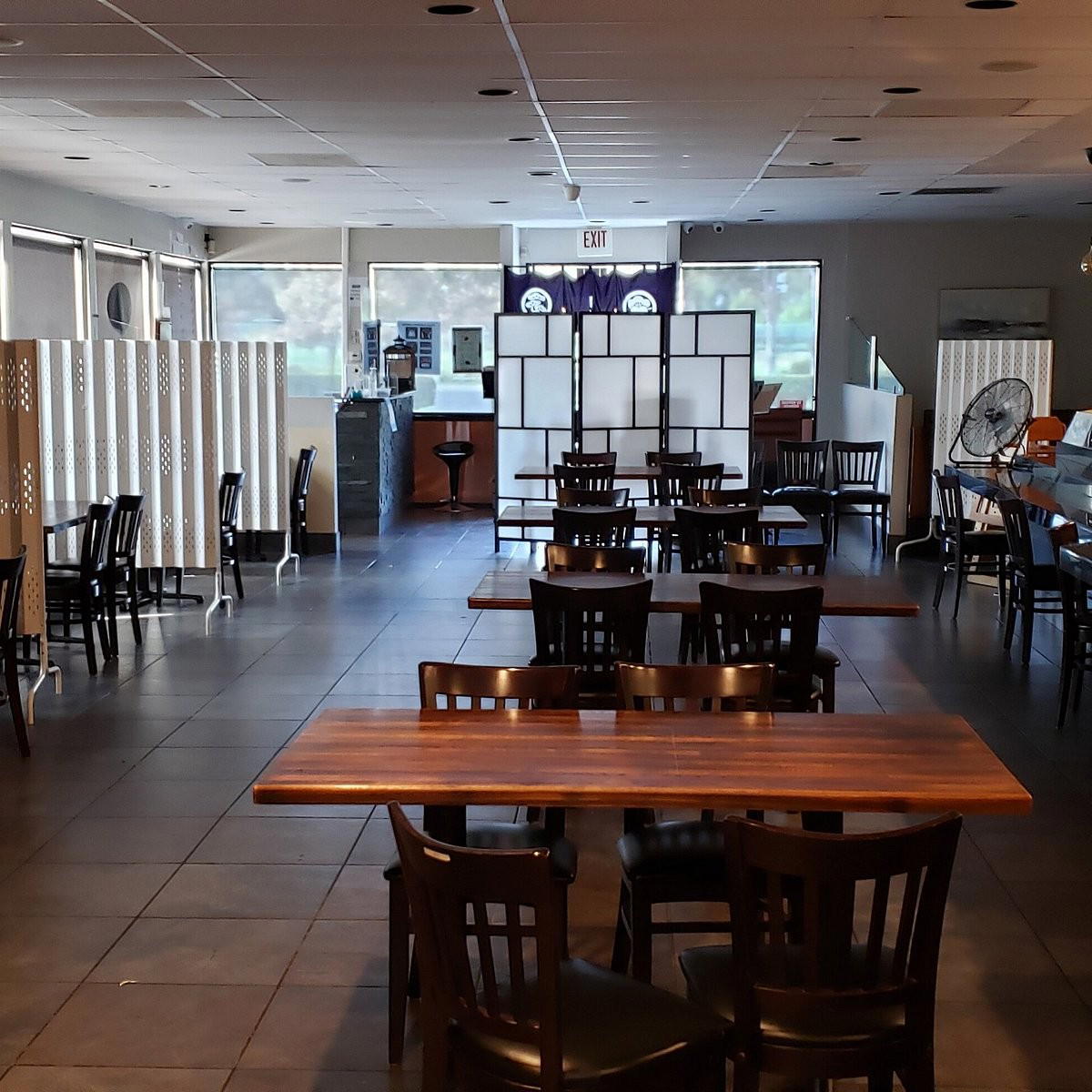
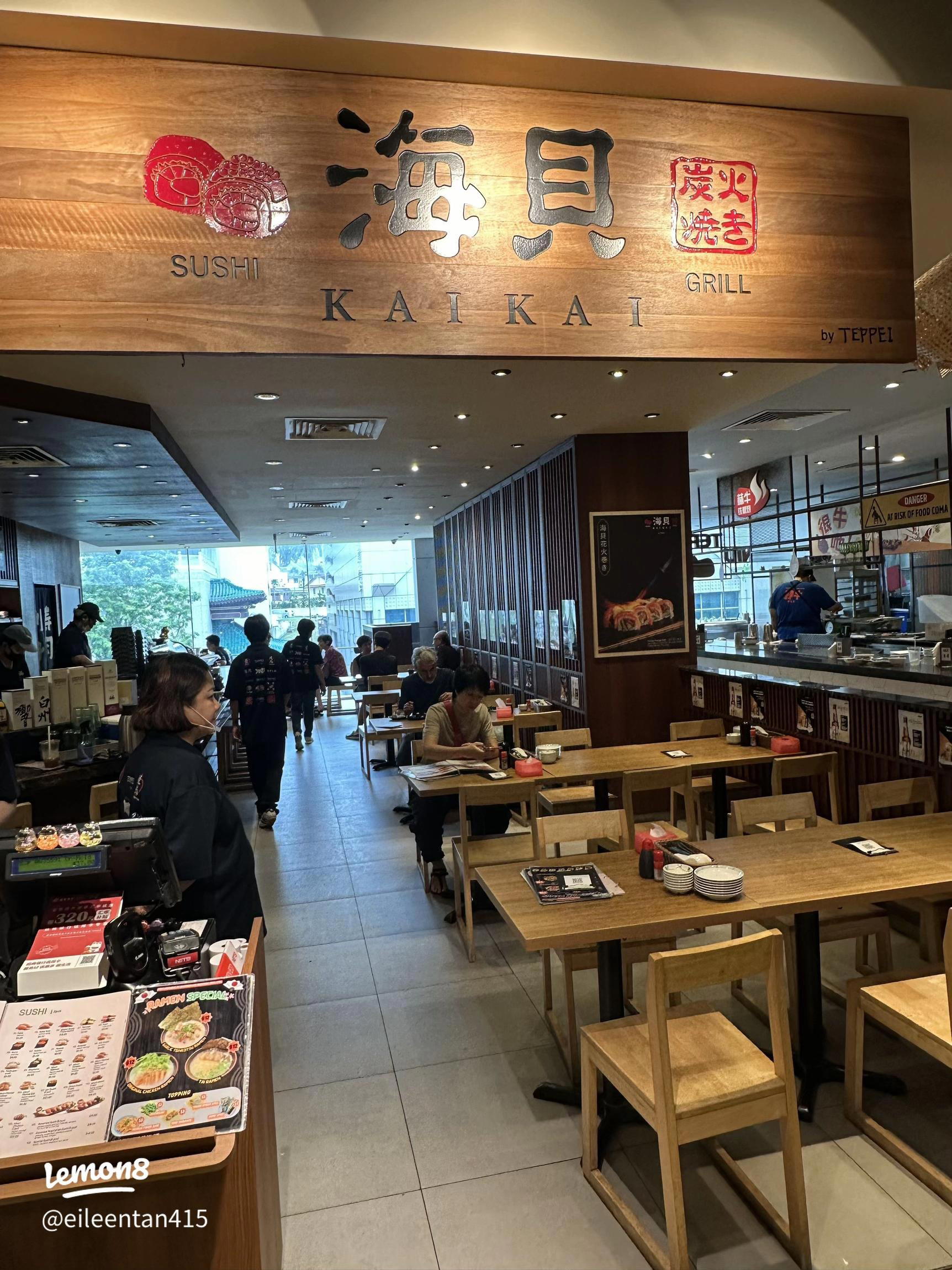
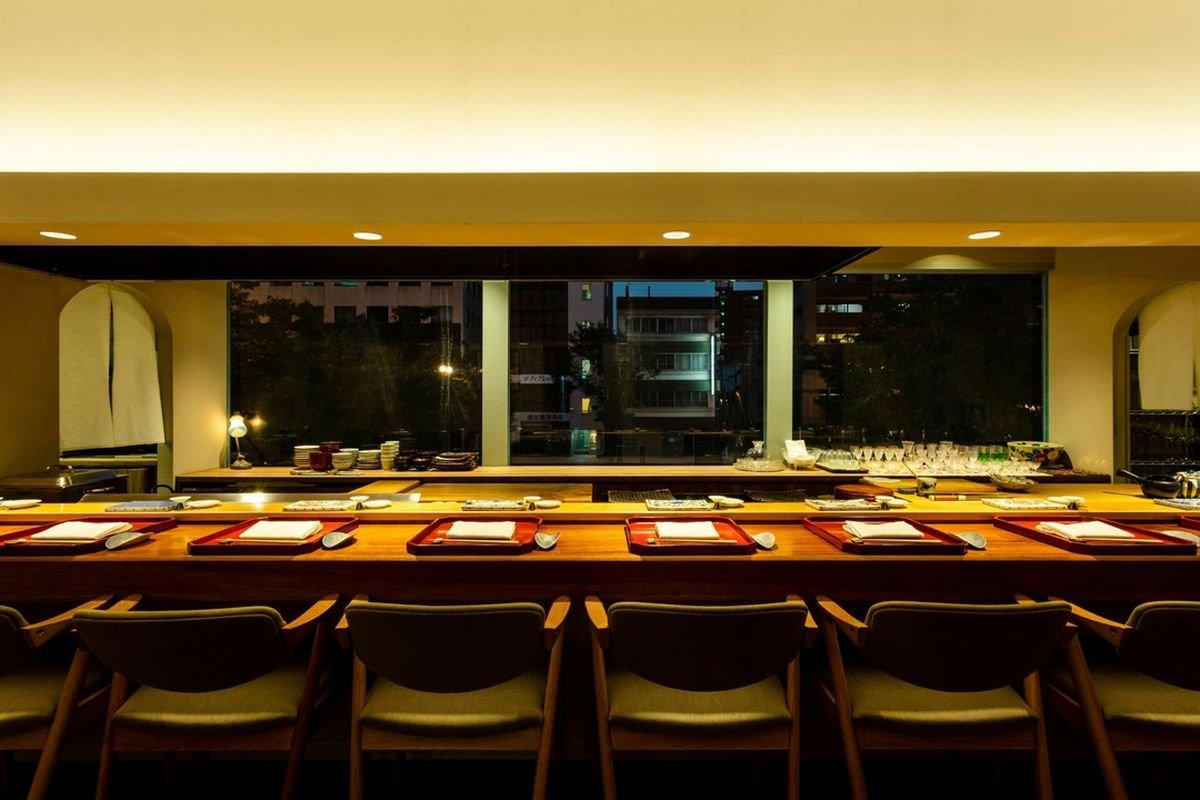
Tonkatsu Kawakyu restaurant in Kagoshima, Japan
About

The Ritual of Breadcrumbs and Heat

There is a particular discipline to eating tonkatsu well, and it begins before the first bite. The panko crust should shatter, not compress. The pork inside should carry enough intramuscular fat to stay moist through the frying process but remain clean on the palate. The cabbage arrives finely shredded, the dipping sauce on the side. This is not fast food dressed up — it is a considered Japanese dining ritual with its own etiquette, pacing, and hierarchy of ingredients. Tonkatsu Kawakyu in Kagoshima operates inside that tradition.

Kagoshima has a reasonable claim to producing some of Japan's most prized pork. Kagoshima Kurobuta — the black Berkshire pig raised across the prefecture , has been a regional staple for generations, and the city's better tonkatsu restaurants have built their identities around sourcing it. In that context, a tonkatsu specialist here is not simply a fried-pork shop. It is an argument about provenance, about what happens when a breed developed for fat marbling meets a preparation method designed to preserve and expose that quality.

Where Kawakyu Sits in the Local Order

Kagoshima's dining scene operates across several distinct registers. At the upper end, kaiseki and kappo restaurants like Kumasotei and Myoken Ishiharaso Shokusai Ishikura channel local ingredients through multi-course formats. Sushi practitioners such as Meizan Kimiya work within the counter omakase model. Robatayaki and grilled Kurobuta preparations appear at places like KAI and Nana Kamado. Tonkatsu Kawakyu occupies a separate tier: the focused single-discipline specialist, where the entire operation is organized around one preparation and one primary ingredient.

That specialization matters because it changes the terms of judgment. A tonkatsu restaurant is not evaluated against a kaiseki house. It is evaluated against other tonkatsu restaurants in the same city, and against the broader national standard set by places in Tokyo's Ginza or Shibuya that have spent decades refining the form. In Kagoshima, the local ingredient argument is genuine , Kurobuta pork has documented lineage and regional reputation , and the leading tonkatsu specialists here can defend the comparison to their Tokyo counterparts on ingredient grounds even if the format is simpler.

How the Meal Unfolds

The structure of a tonkatsu meal follows a familiar sequence across Japan, and the ritual elements are worth understanding before you sit down. You will typically choose a cut: hire (fillet, leaner, more tender) or rosu (loin, fattier, more flavour). Better restaurants offer thickness options or specific sourcing tiers within the same breed. The pork is coated in panko , a Japanese-style breadcrumb that is coarser and drier than Western versions, which means it traps more air during frying and produces a lighter crust , then cooked in oil maintained at a precise temperature. Timing is not approximate. A centimetre of thickness difference changes the fry time and the final texture of the interior.

The meal arrives with shredded cabbage (refills are standard at most establishments), a small bowl of rice, miso soup, and pickles. The dipping sauce , tonkatsu sauce, a thickened Worcestershire-adjacent condiment , is typically applied to each slice rather than used as a collective dip. Some restaurants also provide sesame seeds and a small mortar for grinding them into the sauce, which is itself a ritualized act. The pacing of a tonkatsu meal is unhurried in comparison to ramen or donburi but considerably shorter than kaiseki. It is a meal that rewards attention during rather than duration.

Japan's broader restaurant culture provides useful comparative context. Highly decorated multi-course operations like HAJIME in Osaka or Gion Sasaki in Kyoto represent one end of the formal dining spectrum. Tonkatsu specialists occupy a fundamentally different position: they are not aiming at that register, and they should not be judged by it. The discipline here is compression, not expansion , doing one thing at the highest possible level within tight constraints. That is its own form of rigour, and it is worth respecting on its own terms.

Kagoshima as Context

Kagoshima sits at Japan's southwestern tip, facing Sakurajima across the bay. The city is less trafficked by international visitors than Kyoto or Tokyo, which means its restaurant culture remains oriented primarily toward local diners rather than inbound tourism. That orientation tends to produce a certain honesty in restaurants: menus are shorter, prices are calibrated to the local market, and the absence of tourist-facing positioning means that places with longevity have earned it through repeat local custom rather than guidebook attention.

The Kurobuta pig has been raised in Kagoshima for over a century, originally imported as a British Berkshire breed and developed through the prefecture. The breed is now protected under a regional designation system. Its meat is distinctly marbled compared to commercial white pork, with a fat that renders cleanly and carries sweetness. For tonkatsu specifically, that fat content matters: it lubricates the interior during frying in a way that leaner breeds cannot replicate, which is why Kagoshima's tonkatsu restaurants occupy a defensible position in the national conversation about the dish.

Visitors arriving from Fukuoka , where restaurants like Goh represent the city's fine-dining ceiling , or from Kyushu's other cities will find Kagoshima's dining scene more intimate in scale. The full Kagoshima restaurants guide maps the city's options across formats; for the tonkatsu category specifically, Kawakyu represents the specialist end of that map.

Planning Your Visit

Tonkatsu restaurants in Japan typically open for lunch and dinner service with a break between the two; queues form at popular establishments before opening, particularly at weekday lunch when local office workers compete with visitors for seats. Since no specific booking information is confirmed for Tonkatsu Kawakyu, arriving at or before opening time is the most reliable approach to securing a seat. Kagoshima's central dining district is walkable, and the city is connected to the Kyushu Shinkansen network, making it accessible as a day trip from Fukuoka or as part of a longer southern Kyushu itinerary. For travellers building a Japan itinerary around precision dining at different register , counters like Harutaka in Tokyo or creative tasting formats like akordu in Nara alongside single-discipline specialists , Tonkatsu Kawakyu represents the case for the latter category at its local leading.

Signature Dishes
Premium black pork loin cutletPremium black pork fillet cutletKawakyu Donburi
Frequently asked questions

Cuisine Context

These are the closest comparables we have in our database for quick context.

At a Glance
Vibe
  • Classic
  • Cozy
Best For
  • Casual Hangout
  • Family
Experience
  • Standalone
Drink Program
  • Sake Program
Sourcing
  • Local Sourcing
Dress CodeCasual
Noise LevelConversational
CapacitySmall
Service StyleCasual
Meal PacingStandard

Warm and inviting atmosphere loved by locals for casual dining.

Signature Dishes
Premium black pork loin cutletPremium black pork fillet cutletKawakyu Donburi