On Gabelsbergerstraße in Munich's Maxvorstadt district, Restaurant Kaito occupies a specific position within the city's growing canon of Japanese-inflected fine dining. The address places it among a cluster of serious independent restaurants operating outside the grand-hotel circuit, where curation and precision tend to define the offer rather than scale or spectacle.
Pearl is the En Primeur Club membership app — saves, bookings, and concierge access live there. Same editors, same standards.
- Address
- Gabelsbergerstraße 85, 80333 München, Germany
- Phone
- +498952059455
- Website
- kaito-restaurant.com
- Directions
- Get directions
 Saves & bookings on Pearl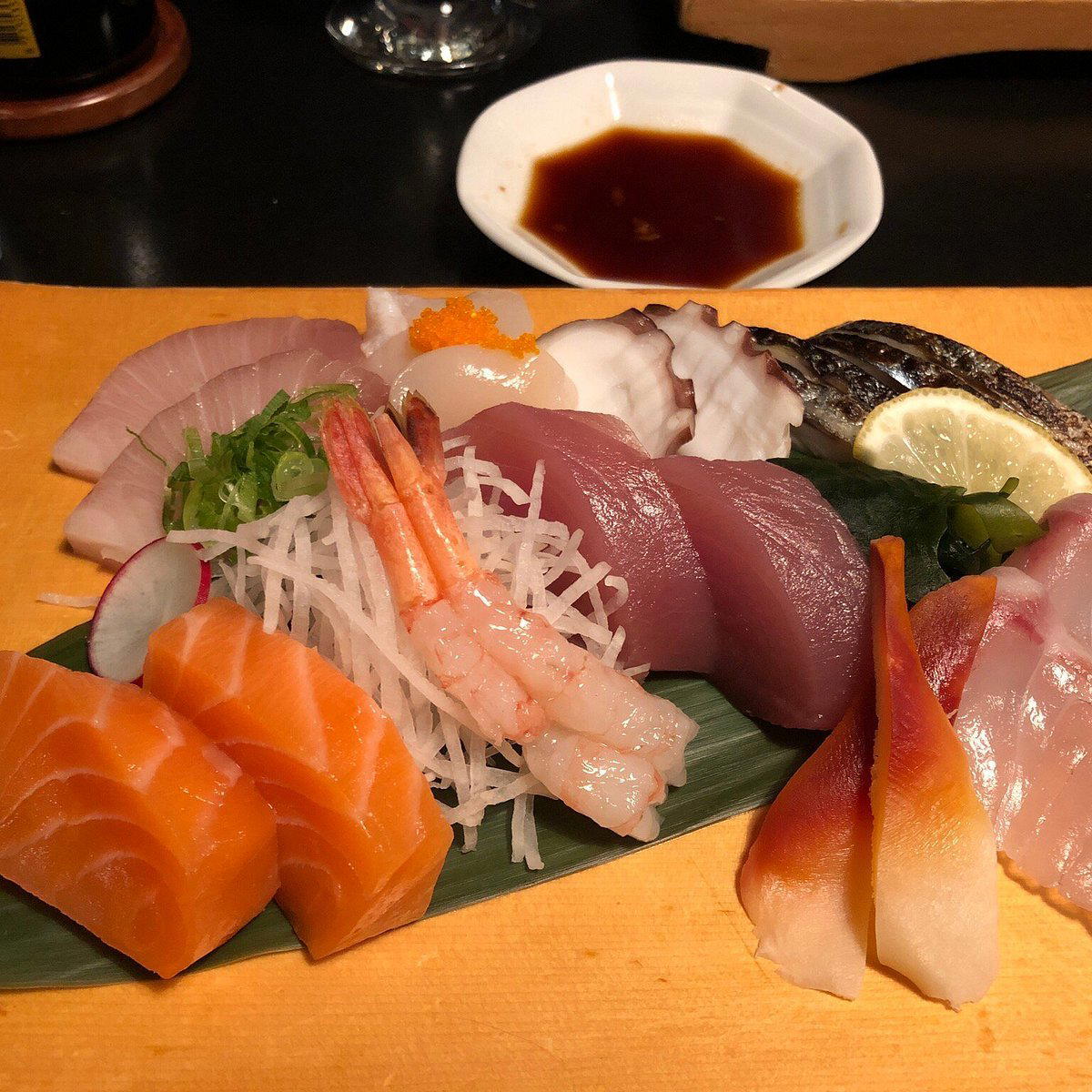
Where Maxvorstadt's Dining Scene Gets Quietly Serious
Restaurant Kaito is an authentic Japanese sushi restaurant in Munich, with a price point around $60 per person and a reservation-recommended setup. Munich's restaurant geography has been redrawn over the past decade. The city's most compelling independent kitchens have drifted away from the Innenstadt hotel corridors toward the residential streets of Maxvorstadt and Schwabing, where lower rents and neighbourhood density support a more focused, less theatrical style of dining. Gabelsbergerstraße 85 sits inside that shift. It is a street more often associated with university faculties and art galleries than with destination restaurants, which in practice means the dining room at Restaurant Kaito is unlikely to be filled by tourists navigating a list rather than by guests who sought it out specifically.
That geographic specificity matters in Munich more than it might in Berlin or Hamburg. The Bavarian capital has a conservative restaurant culture that tends to reward longevity and consistency over novelty, and the venues that have built durable reputations here, from Tantris in Schwabing to Atelier at the Bayerischer Hof, have done so by operating at a consistent pitch over years, not by chasing seasonal trends. Restaurant Kaito enters that context as a venue whose address, name, and positioning all suggest a deliberate choice to operate at the quieter, more concentrated end of the city's fine-dining spectrum.
The Wine Angle: Cellar Depth as Editorial Signal
In Munich's upper dining tier, the wine list has become one of the clearest indicators of a kitchen's seriousness and its intended peer group. A restaurant pricing against Alois at Dallmayr or JAN will typically carry a wine program that signals comparable ambition, with sommelier-led curation, producer-specific depth rather than category breadth, and a by-the-glass selection that rewards engagement rather than defaulting to safe international varieties.
The specific wine culture that has emerged at Munich's leading independents reflects the city's position as a gateway between German-speaking wine regions and the broader European fine-wine circuit. Bavarian diners have historically been wine-literate in a way that differs from, say, Hamburg or Cologne: proximity to Austria brings Grüner Veltliner and Riesling from the Wachau into frequent rotation, while the city's wealth and its connections to the German south mean that Burgundy and northern Italian producers appear on serious lists with a frequency that would be unusual further north. A kitchen with Japanese or Japanese-adjacent influences, as the name Kaito implies, typically curates around that tension rather than resolving it, pairing precision-driven food with wines that share structural clarity over weight and extraction. That sensibility, when it works, produces lists built around Alsace, the Mosel, and lighter-bodied Burgundy rather than the Napa Cabernet or Bordeaux-heavy selections that characterise older-format grand-hotel dining rooms. For comparison, the wine programs at Vendôme in Bergisch Gladbach and Aqua in Wolfsburg demonstrate how German fine dining at the highest level has moved toward that kind of precision-led cellar curation over the past fifteen years.
Munich's Japanese-Inflected Fine Dining: A Small, Specific Cohort
Germany has produced a coherent cluster of restaurants working at the intersection of Japanese technique and European produce, and Munich has contributed meaningfully to that cohort. Tohru in der Schreiberei, which operates in the city with a clear Japanese-German hybrid identity, is one formally recognised example, carrying Michelin recognition and placing Munich alongside Tokyo-trained kitchens operating elsewhere in the German-speaking world. The pattern that defines this category, dashi-influenced broths built on German game or freshwater fish, Japanese knife discipline applied to alpine produce, counter formats that foreground technique over theatre, has spread from a handful of pioneering venues into a recognisable dining mode that now appears across Munich, Berlin, and the German south. CODA Dessert Dining in Berlin represents the kind of conceptual precision that the broader German fine-dining scene is capable of producing, and venues in this Japanese-inflected tier tend to operate at a comparable level of format discipline.
The restaurant, positioned on Gabelsbergerstraße, belongs to a broader map of Munich venues where a Japanese sensibility, whether in format, technique, or aesthetic register, shapes the entire offer rather than appearing as occasional accent. That is a smaller, more specific cohort than the general fine-dining tier, and it operates by different competitive logic. The relevant peer group is not the full range of Munich's Michelin-recognised kitchens but the subset, also including venues like ES:SENZ in Grassau and Schanz in Piesport at a regional level, where format precision and produce sourcing are the primary editorial statements.
Atmosphere: What the Address Implies
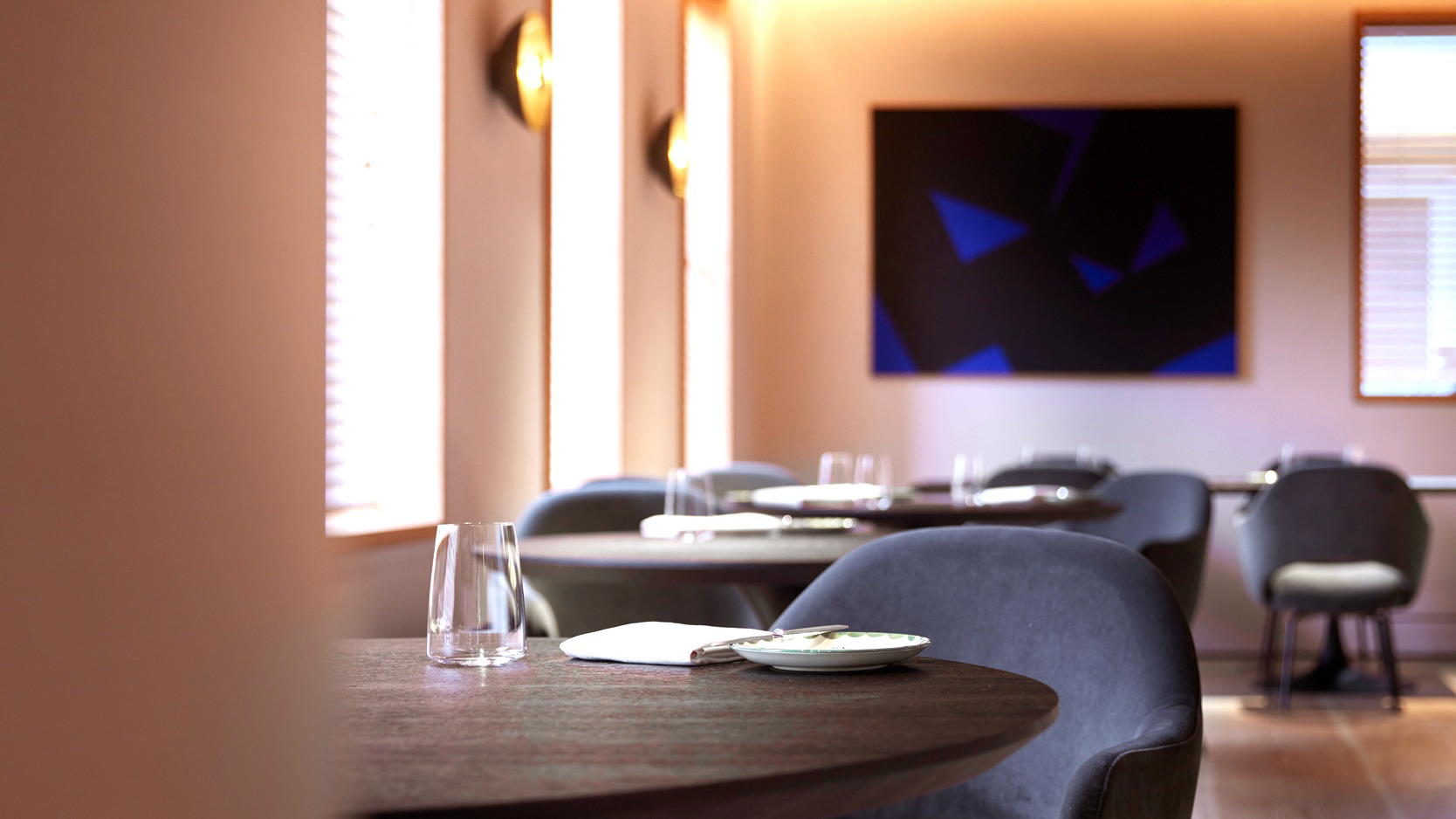
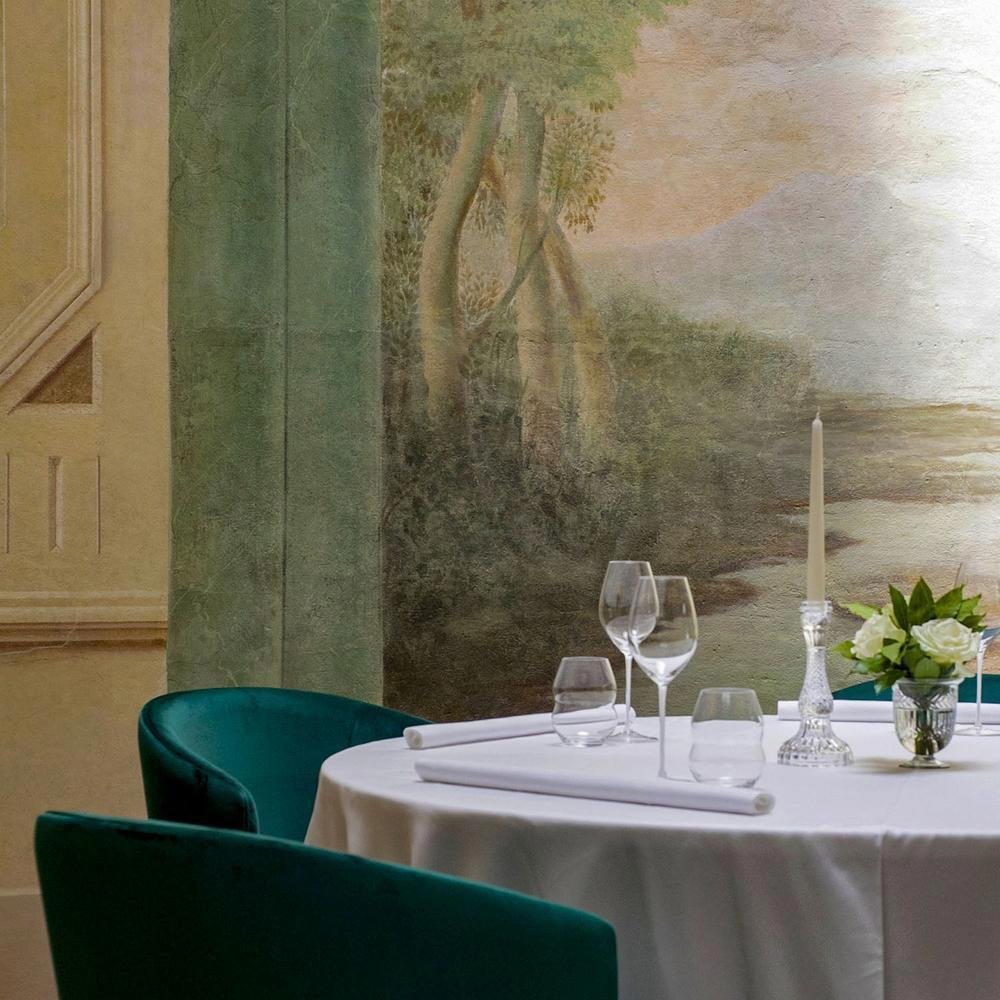
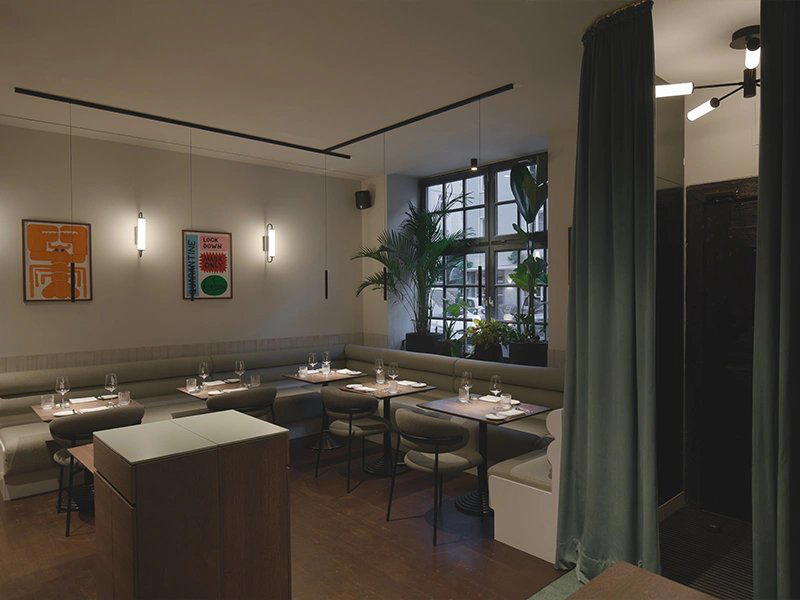
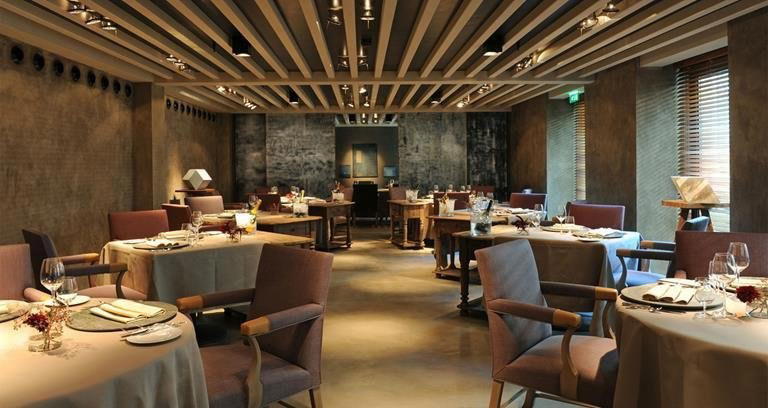
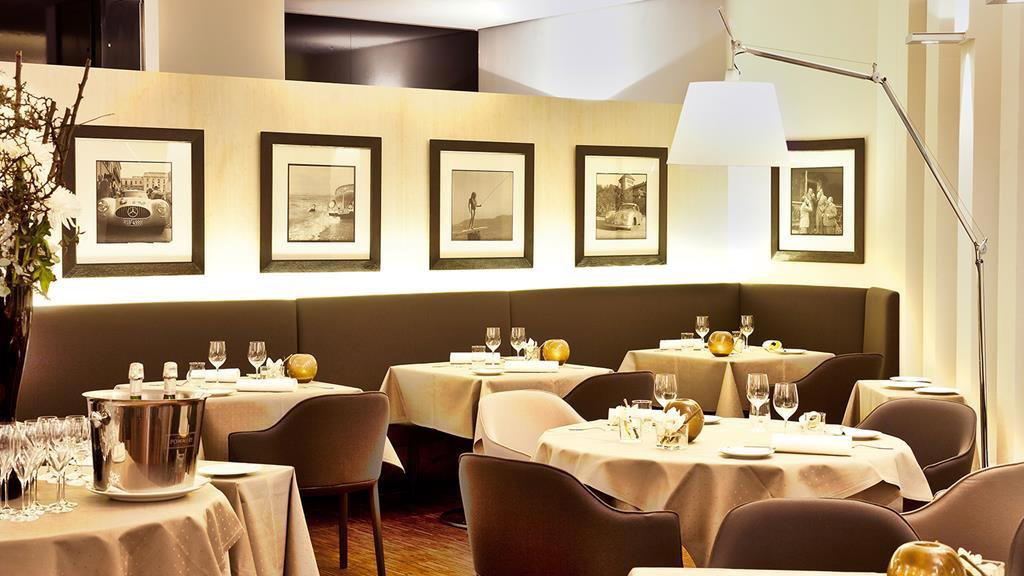
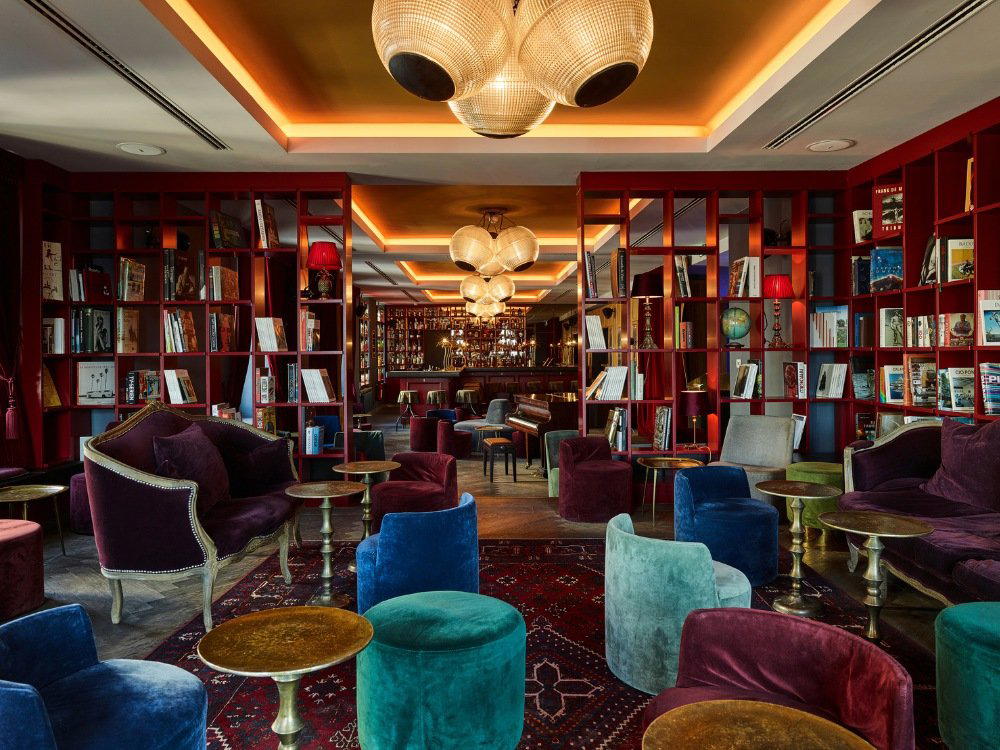
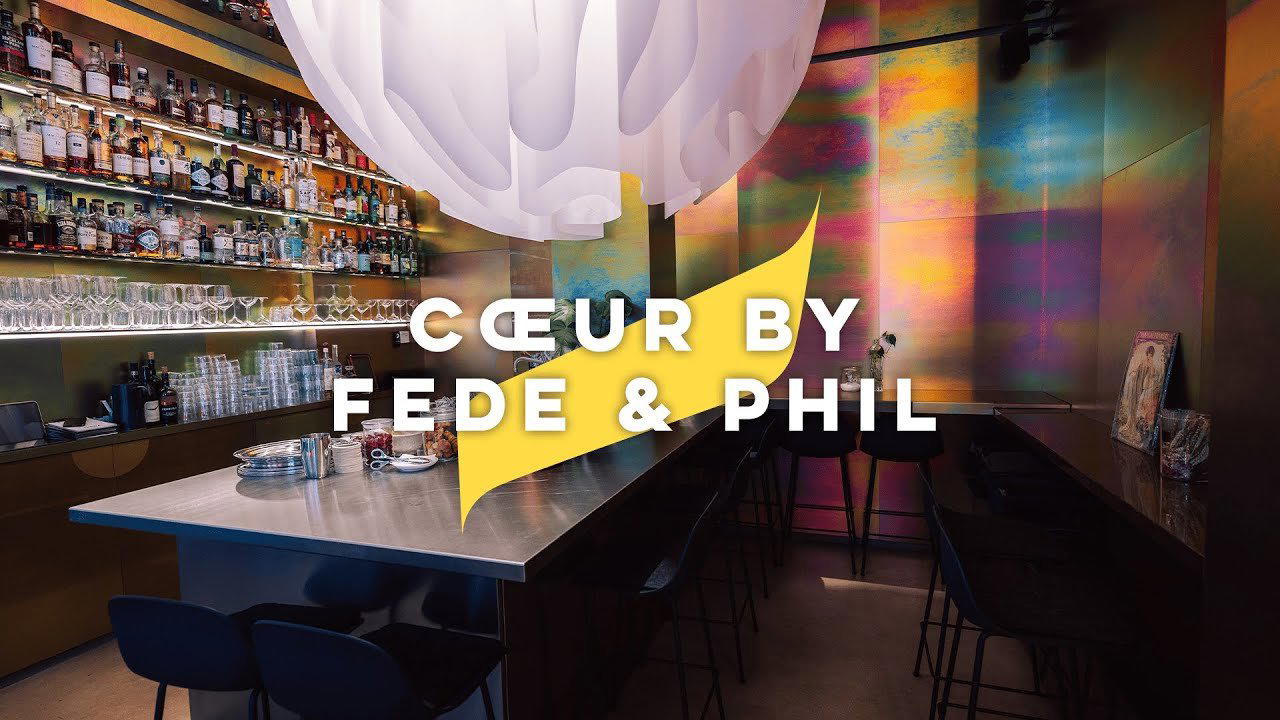
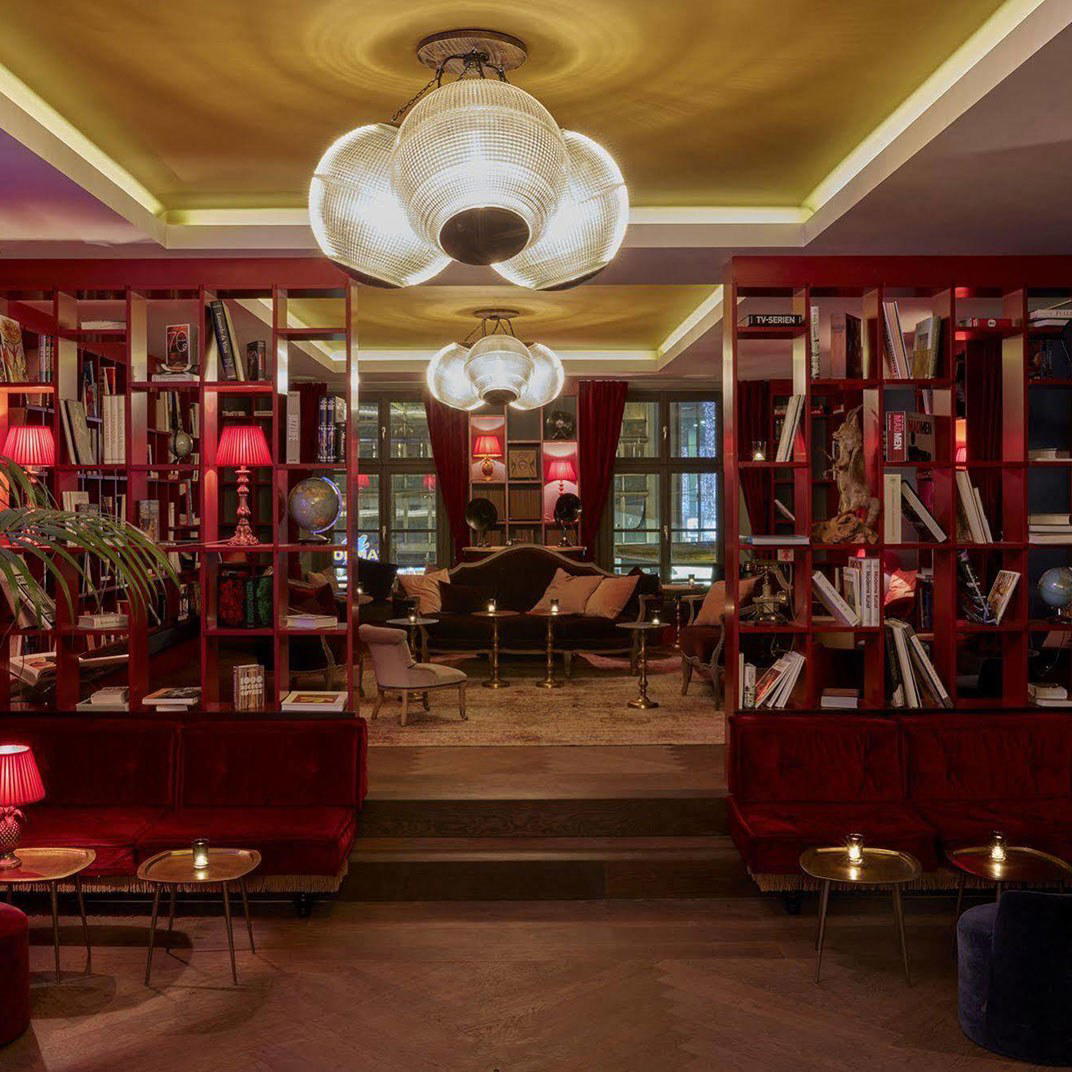
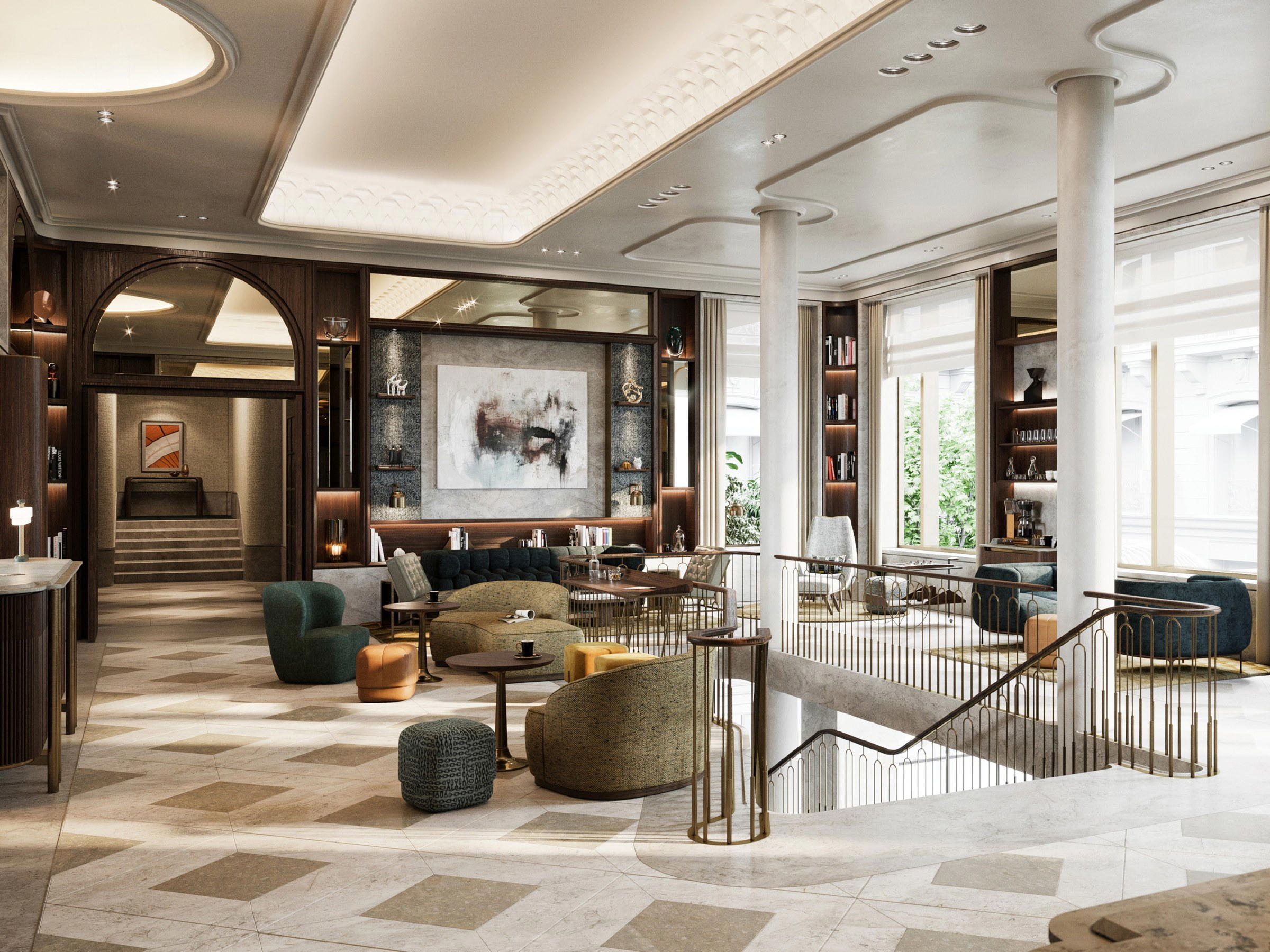
Maxvorstadt's dining rooms tend toward a certain register: considered rather than showy, with design choices that read as intentional without being ostentatious. This is not the marble-and-chandelier aesthetic of Munich's hotel fine dining, nor the reclaimed-industrial look that dominated Berlin's mid-2010s restaurant wave. It is something closer to the restraint that characterises serious Japanese-influenced spaces in European cities, where the room's purpose is to frame the food and the wine without competing with either. Internationally, the closest reference points are the quieter end of Tokyo's contemporary kaiseki rooms or the kind of European counter restaurants, think the format discipline visible at Atomix in New York or Le Bernardin at its most stripped-back, where the service tempo and the physical environment are designed to sustain attention rather than generate it.
Planning Your Visit
Munich's serious independent restaurants book out faster than their hotel-dining counterparts, partly because seat counts at venues in this tier tend to be smaller, and partly because the guest mix skews toward repeat visitors who book in advance rather than walk-in tourists. Venues at a comparable level across Germany, from Restaurant Haerlin in Hamburg to Waldhotel Sonnora in Dreis, typically require reservations several weeks ahead at minimum, and that pattern holds in Munich's upper independent tier.
| Venue | Style | Price Tier | Booking Lead Time |
|---|---|---|---|
| The restaurant (Munich) | Japanese-inflected fine dining | €€€ | |
| Tohru in der Schreiberei | Modern German-Japanese | €€€€ | Several weeks ahead |
| Atelier | Creative French | €€€€ | Several weeks ahead |
| JAN | Creative | Not confirmed | Confirm directly |
| Alois - Dallmayr | Creative | €€€€ | Several weeks ahead |
Comparison Snapshot
Comparable venues nearby, for context on price, style, and recognition.
| Venue | Cuisine | Price | Notes |
|---|---|---|---|
| Restaurant KaitoThis venue — the venue you are viewing | Authentic Japanese Sushi | $$$ | Not listed |
| Ahimsa Restaurant | Vegan Asian Fusion | $$$ | Au |
| Ichiban Restaurant | Japanese & Vietnamese Sushi Restaurant | $$ | Riem |
| Opera Pizza Gourmet | Gourmet Italian Pizza & Contemporary Cuisine | $$$ | Schwabing |
| Hako Ramen | Authentic Japanese Ramen | $$ | Isarvorstadt |
| Azuki | Japanese-Vietnamese Fusion | $$$ | Lehel |
At a Glance
- Cozy
- Intimate
- Date Night
- Business Dinner
- Standalone
- Sake Program
Current opening hours
- Monday
- 6–10:30 PM
- Tuesday
- 6–10:30 PM
- Wednesday
- 6–10:30 PM
- Thursday
- 6–10:30 PM
- Friday
- 6–11 PM
- Saturday
- 6–11 PM
- Sunday
- Closed
Hours can change for holidays and private events. Last verified .
Cozy and inviting with rustic brick and wood decor, tatami mat seating options, and a calm, Japan-like atmosphere.