Sushi Bichi
Our verdict
Sushi Bichi occupies a quiet stretch of Ocean Terrace in Miami Beach, sitting within a city whose Japanese dining scene has grown considerably more serious over the past decade. The address places it close to the density of North Beach, at some remove from the South Beach spectacle that defines Miami's most visible restaurant corridor. For those tracking where credible sushi is taking root in South Florida, this is an address worth knowing.

Pearl is the En Primeur Club membership app, where members save venues, book tables and use the concierge.
Ocean Terrace and the Question of Serious Sushi in Miami
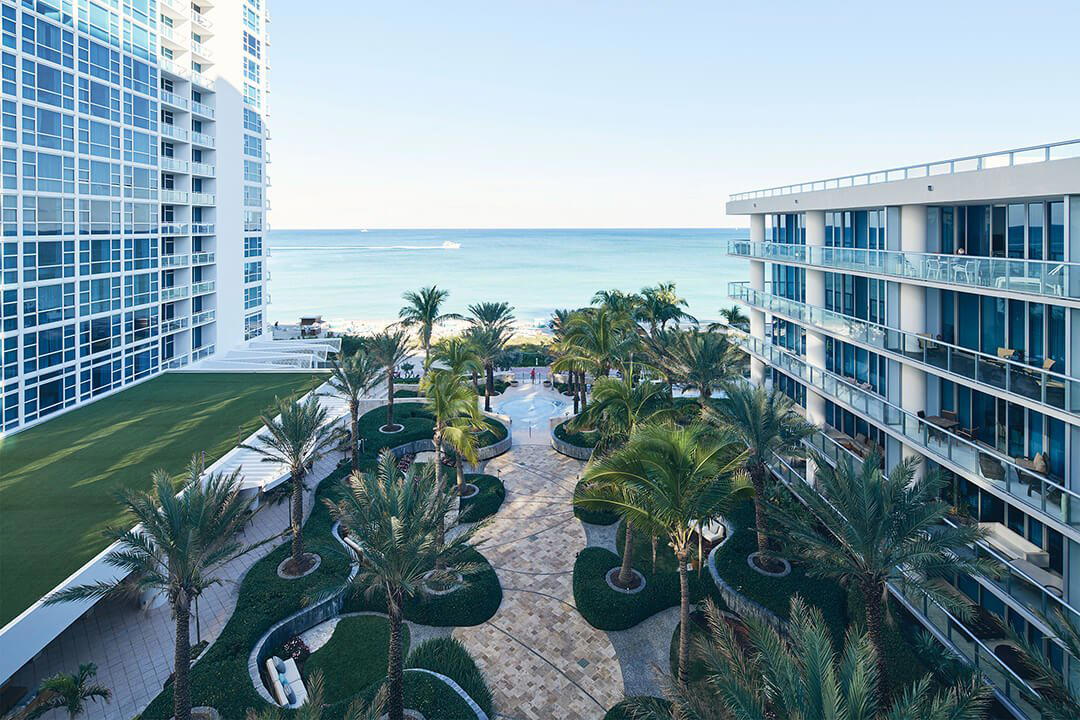
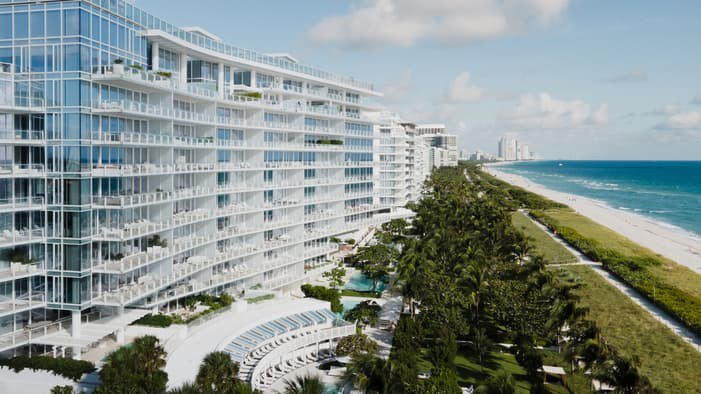
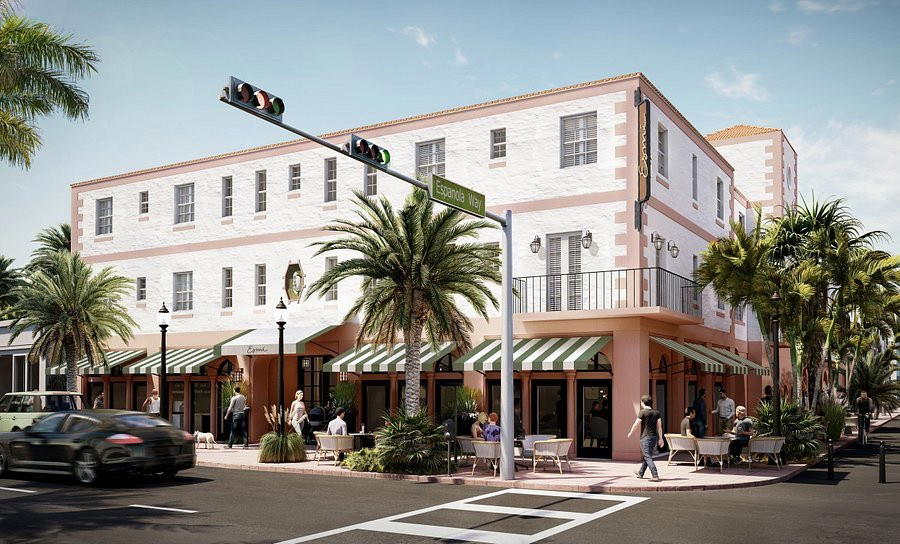
Miami Beach's restaurant identity has long been defined by its oceanfront theatrics: the grand hotel dining rooms of Collins Avenue, the Cuban-inflected cafes of Española Way, the endless parade of scene-driven concepts that open and close with the rhythm of the real estate market. Against that backdrop, the emergence of quietly serious Japanese dining on side streets and secondary corridors tells a different story about where the city's appetite is actually moving. Sushi Bichi sits on Ocean Terrace in the 73rd Street block of Miami Beach, an address that places it firmly outside the South Beach spectacle zone and closer to the lower-key character of North Beach, where the dining calculus tends to favor the neighborhood over the headline.
That geography matters. The stretch of Miami Beach north of 71st Street has attracted a different kind of operator over the past several years: smaller footprints, less reliance on the conventioneers and international tourist traffic that feeds South Beach's volume-driven economy, and a guest base that tends to return rather than simply pass through. For Japanese cuisine in particular, that kind of neighborhood embeddedness has historically been the condition under which the more technically demanding formats, counter omakase, kaiseki-adjacent progression, serious nigiri programs, manage to develop an audience rather than a novelty following.
The Cultural Weight Japanese Cuisine Carries in American Coastal Cities
Sushi in the United States has traveled a long arc from its mid-twentieth-century introduction through the California roll era, the high-volume conveyor belt phase, and into the current period where omakase counters in major coastal cities price and position themselves against Tokyo references rather than domestic competitors. Miami's place in that arc is instructive. The city arrived relatively late to the more demanding end of the format, with the serious counter culture that took hold in New York, Los Angeles, and San Francisco during the 2010s only beginning to find durable expression in South Florida in the years following. That lag has partly to do with the tourist-heavy economics of South Beach, which reward spectacle and volume over the intimate, trust-based format that a committed sushi program requires.
Venues operating at the more considered end of the spectrum, places comparable in spirit to Providence in Los Angeles or Atomix in New York City in their commitment to a specific culinary tradition rigorously executed, tend to occupy smaller physical footprints and depend heavily on repeat patronage and word-of-mouth discovery. The Japanese dining tradition in particular carries with it a set of cultural expectations around the chef-guest relationship, the sequencing of a meal, and the role of restraint in presentation that can feel at odds with the high-stimulation hospitality model that Miami Beach has historically rewarded. The fact that addresses like Sushi Bichi's are beginning to appear and sustain themselves on Ocean Terrace suggests that the city's dining culture has matured enough to support a different kind of contract between kitchen and guest.
Where Sushi Bichi Sits in Miami Beach's Current Scene
Miami Beach's dining scene now spans a wide range, from the diner-heritage comfort of 11th Street Diner to the seafood-focused classicism of A Fish Called Avalon and the Mediterranean registers of a'Riva and Amalia. Cuban inflections appear at addresses like Alma Cubana, grounding the city's Latin American dining thread. Japanese cuisine occupies a different tier in this mix, one where the cultural specificity of the format, the sourcing logic, the training lineage of the kitchen, the physical design of the counter, carries as much weight as the food itself in signaling where a venue positions itself.
Among the American dining addresses that operate at the more rigorous end of their respective traditions, the ones that come to mind as peer references for this kind of commitment include Le Bernardin in New York City, The French Laundry in Napa, Alinea in Chicago, Lazy Bear in San Francisco, Single Thread Farm in Healdsburg, Blue Hill at Stone Barns in Tarrytown, Addison in San Diego, The Inn at Little Washington in Washington, Emeril's in New Orleans, and internationally, 8 1/2 Otto e Mezzo Bombana in Hong Kong. What connects these venues across their very different formats and cuisines is a shared rejection of the volume-first model in favor of a sustained, high-attention experience. Sushi Bichi's Ocean Terrace address, outside the South Beach density, is consistent with the spatial logic of that approach.
For a fuller view of where Miami Beach's dining scene is moving across cuisines and price points, the EP Club Miami Beach restaurants guide maps the full range.
Planning Your Visit
What do critics highlight about Sushi Bichi?
No published critical reviews or award citations are available in the current public record for Sushi Bichi. The venue's Ocean Terrace address and its position within Miami Beach's quieter North Beach dining corridor place it in a tier where editorial attention tends to follow sustained quality over time rather than an opening splash. Monitoring current Miami food coverage from named local and national publications is the most reliable way to track emerging recognition.
How does Sushi Bichi's Ocean Terrace location compare to Miami Beach's main restaurant corridors?
Ocean Terrace at 73rd Street sits in North Beach, meaningfully removed from the concentrated dining density of Lincoln Road and the South Beach hotel strip. That separation is characteristic of how more neighborhood-anchored Japanese venues tend to situate themselves in coastal American cities: close enough to the demand base to draw a committed guest, far enough from the tourist-volume economy to sustain the quieter, more deliberate format that serious sushi requires. For visitors staying in South Beach, the drive north takes roughly ten to fifteen minutes depending on traffic, making it a purposeful destination rather than a casual drop-in.
Frequently asked questions
What's Sushi Bichi's location?
Sushi Bichi is located at 7330 Ocean Terrace CU5, Miami Beach, FL 33141, Miami Beach.
How does Sushi Bichi's North Beach location shape the dining experience compared to other Miami Beach sushi options?
Sushi Bichi sits at 7330 Ocean Terrace in North Beach, a stretch of Miami Beach that operates at a different register than the high-traffic corridors of South Beach and Mid-Beach's hotel rows. That geography tends to filter the room toward intentional diners rather than walk-in tourist traffic, which at Japanese counters elsewhere in American coastal cities correlates with a more focused kitchen pace. It positions Sushi Bichi closer in character to neighborhood-driven Japanese dining than to the spectacle-first model common further south.
What dish is Sushi Bichi famous for?
The venue's Ocean Terrace address in North Beach places it within a Miami Beach cohort where Japanese kitchens tend toward precision over volume, but specific signature preparations have not been documented. Confirmed dish details will be updated as they become available.
Is Sushi Bichi reservation-only?
At Miami Beach's more deliberate Japanese addresses, reservation-only formats are common, particularly for counter seating. Contacting the venue directly via its Ocean Terrace location at 7330 Ocean Terrace is the most reliable way to confirm current policy.
What do critics highlight about Sushi Bichi?
The venue's positioning on Ocean Terrace in North Beach, removed from the concentrated hotel dining of South Beach and Lincoln Road, suggests an operation oriented toward neighborhood regulars and deliberate diners rather than high-visibility press circuits. Coverage may develop as Miami's North Beach dining identity continues to sharpen.
A Lean Comparison
Comparable venues nearby, for context on price, style, and recognition.
| Venue | Cuisine | Price | Notes |
|---|---|---|---|
| Sushi BichiThis venue (the venue you are viewing) | Japanese Coastal Fusion Sushi | $50–100 | Not listed |
| Paperfish Sushi | Contemporary Japanese Nikkei Sushi | $50–100 | South Beach, Contemporary Japanese Nikkei Sushi |
| Lucky Cat Miami | Modern Pan-Asian Fusion with Japanese Robata & Sushi | $150–200 | South of Fifth, Modern Pan-Asian Fusion with Japanese Robata & Sushi |
| Sérêvène | French-Japanese Fusion Izakaya | $50–100 | South Beach, French-Japanese Fusion Izakaya |
| Españolita Miami | Spanish Seafood & Tapas | $30–50 | South Beach, Spanish Seafood & Tapas |
| Meet Dalia | Mediterranean with New American Flair | $50–100 | South Beach, Mediterranean with New American Flair |