Meet Dalia
On Ocean Drive at 640, Meet Dalia occupies one of Miami Beach's most visually charged addresses, where the Art Deco corridor meets the Atlantic's edge. The space channels the neighbourhood's architectural heritage through its physical design, positioning it within a competitive block that rewards visitors who arrive with context. For the Ocean Drive dining scene, this address carries weight.
Pearl is the En Primeur Club membership app — saves, bookings, and concierge access live there. Same editors, same standards.
- Address
- 640 Ocean Dr, Miami Beach, FL 33139
- Phone
- +17862063881
- Website
- meetdaliamiami.com
- Directions
- Get directions
 Saves & bookings on Pearl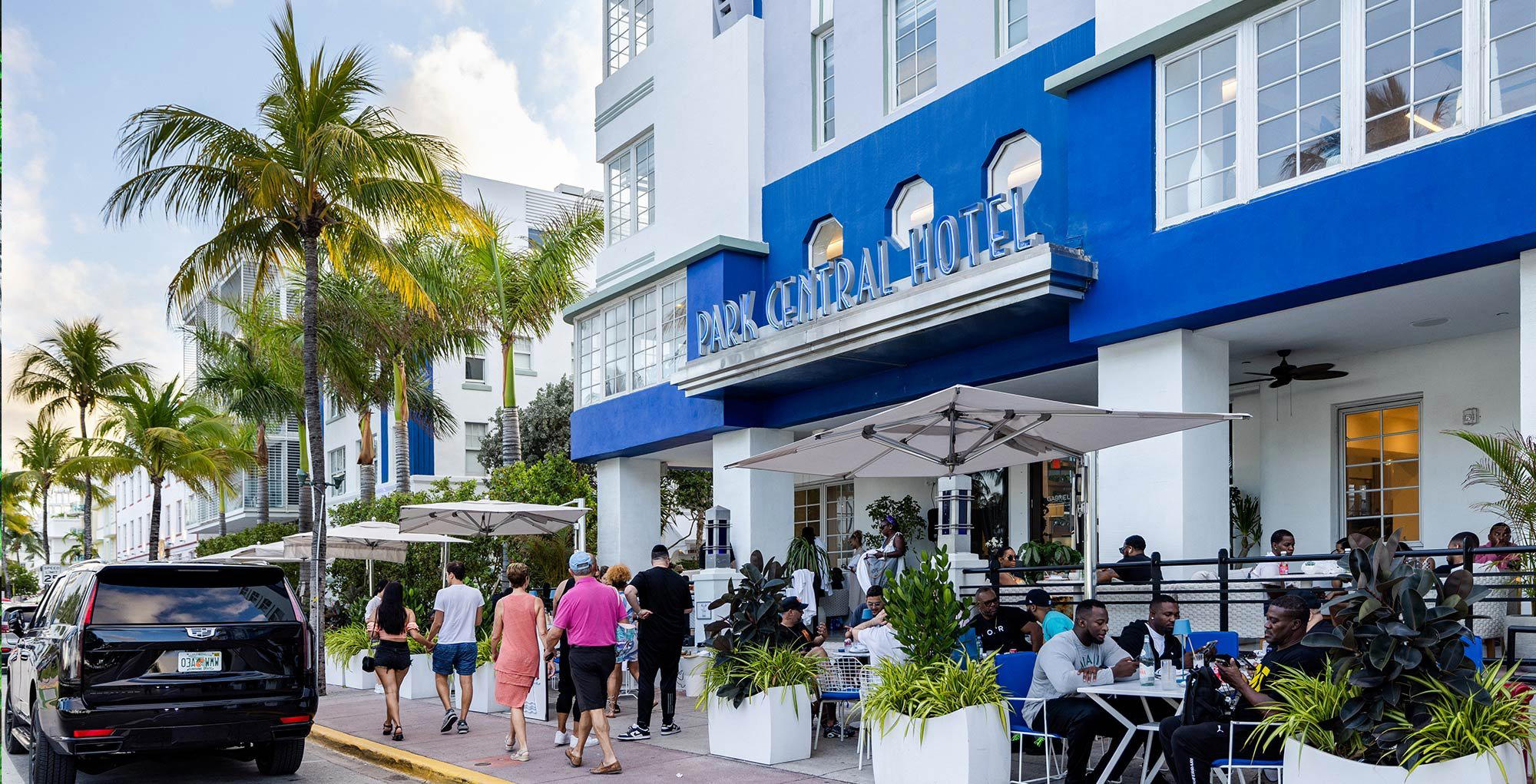
Ocean Drive as Architecture: What the Address Does to a Meal
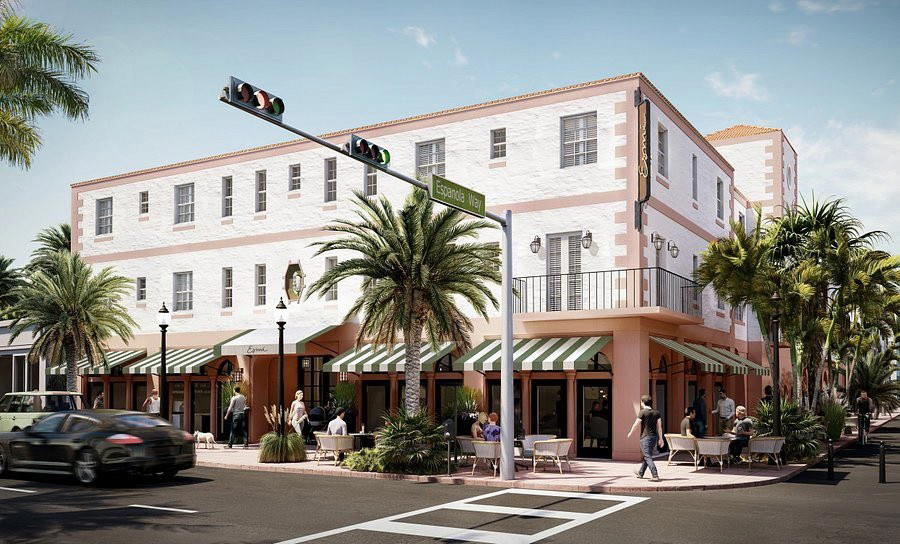
Ocean Drive does not behave like a normal restaurant street. The boulevard runs parallel to the beach along a spine of Streamline Moderne and Mediterranean Revival buildings, most of them dating from the 1930s and 1940s, preserved under a historic district designation that prevents the kind of demolition-and-rebuild cycle common elsewhere in Miami Beach. The result is a dining environment where the physical container of a space carries as much information as the menu, the curved facades, the eyebrow awnings, the pastel exteriors are not decoration but structural fact. Meet Dalia sits within this corridor at 640 Ocean Dr, Miami Beach, FL 33139, and that placement immediately determines a great deal about how the venue operates, how it feels from the pavement, and how it competes.
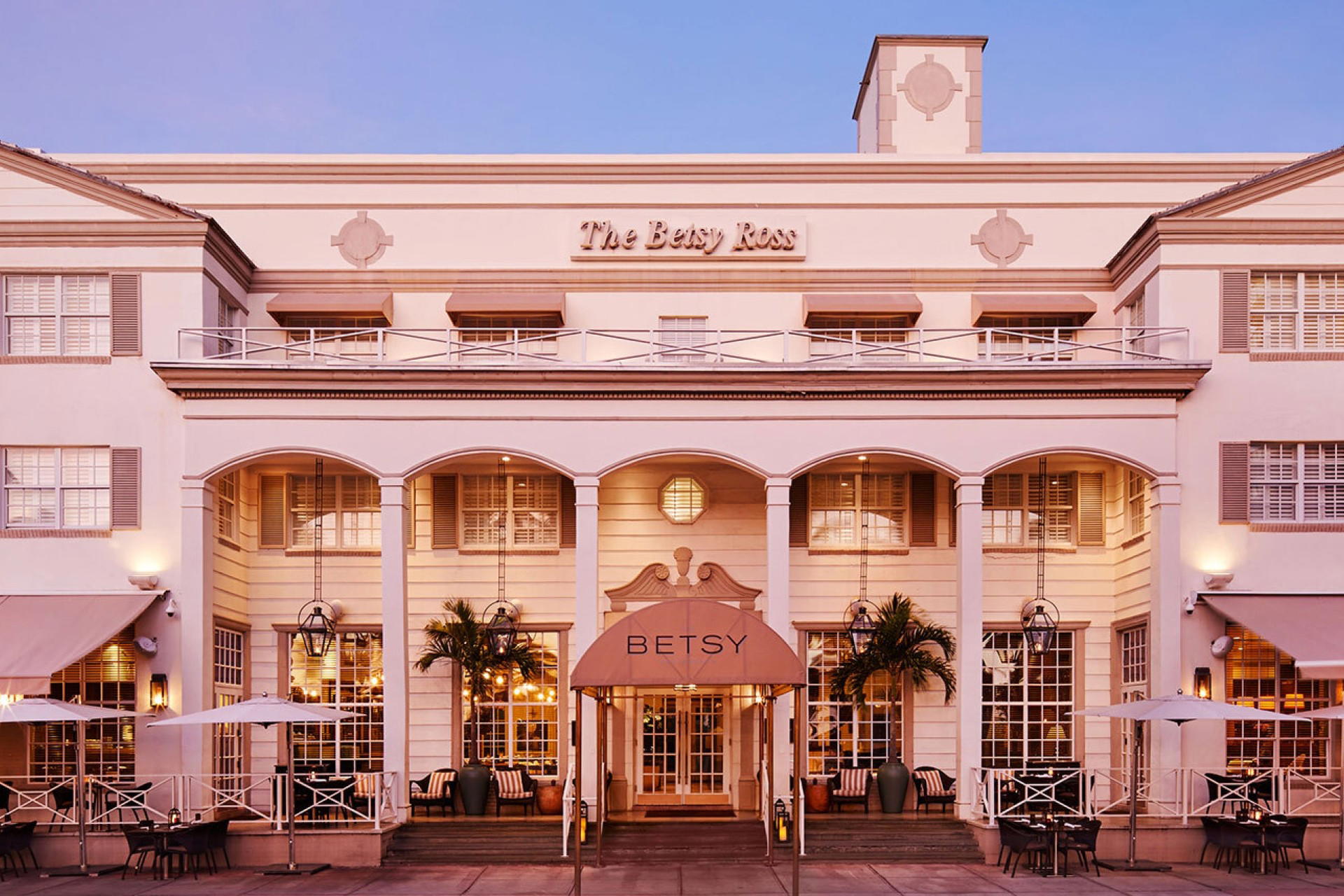
On a block where pedestrian traffic is heavy, outdoor seating faces the promenade and the ocean beyond it, a configuration that turns the dining space into a kind of stage. This is a defining characteristic of Ocean Drive's hospitality tier: venues here must perform as well from the outside as they deliver from within. The physical relationship between interior, terrace, and streetscape shapes the experience before a single plate arrives. Among Ocean Drive's competitors, this spatial dynamic is the primary differentiator, those that treat the architecture as backdrop rather than as part of the offer tend to read as interchangeable. Venues that engage the Deco envelope more deliberately occupy a different position in the minds of the people choosing between them.
The Miami Beach Dining Scene This Address Sits Within
Miami Beach's restaurant geography has sharpened considerably over the past decade. South Beach, and Ocean Drive in particular, spent much of the 2000s and early 2010s carrying a reputation for tourist-facing operations with broad menus and limited culinary ambition. That reputation has eroded as the neighbourhood has attracted operators with more specific programs. The block between Fifth and Eighth Streets on Ocean Drive now contains a mix of formats: full-service restaurants with architectural dining rooms, casual venues using their terrace positions, and a handful of addresses that function as cocktail-led destinations in the evening. Meet Dalia operates within this mixed field.
Nearby, 11th Street Diner represents the neighbourhood's diner-heritage tier, a deliberately preserved contrast to the newer, design-forward entrants. A Fish Called Avalon holds a longer-standing position on the strip with seafood as its organizing principle. a'Riva and Amalia bring different European-leaning registers to the broader South Beach table, while Alma Cubana draws on the Cuban culinary traditions that remain one of Miami's most durable hospitality identities. Against this comparable set, a venue's physical design and spatial intelligence often determines its positioning as clearly as its cuisine does.
Design and Space: Reading the Physical Offer
The Art Deco Historic District, which covers the eastern section of South Beach, imposes a set of aesthetic constraints and opportunities that no operator on Ocean Drive can ignore. The buildings are narrow by contemporary restaurant standards, which tends to push seating outward onto terraces and inward into rooms that feel intimate by default rather than by intention. This has a meaningful effect on acoustics, sightlines, and the social temperature of a meal. A space that seats fifty people inside a 1940s commercial building will feel different from a purpose-built restaurant of the same capacity, the proportions, the ceiling heights, the window placements all carry historical information that a contemporary interior fit-out has to contend with rather than override.
For venues in this district, particularly successful spatial strategies tend to work with the building's original logic rather than against it. Terraces facing the promenade are where Ocean Drive dining is most legible, the ocean view, the people movement, the evening light off the Atlantic. Interior spaces that honour the Deco proportions rather than concealing them under generic hospitality finishes tend to hold better over time, both commercially and in terms of how guests remember the meal. The physical container of a restaurant on this street is not secondary to the food; in many cases, it is the primary reason someone chooses the address.
Positioning Relative to the National Fine Dining Tier
Ocean Drive operates at a remove from the national fine dining conversation, which in the United States currently centres on operations like Le Bernardin in New York City, Alinea in Chicago, The French Laundry in Napa, Providence in Los Angeles, Atomix in New York City, and Addison in San Diego. Farm-integration models such as Blue Hill at Stone Barns in Tarrytown and Single Thread Farm in Healdsburg operate in a different register again, as does the immersive-format proposition of Lazy Bear in San Francisco. Long-established regional anchors like Emeril's in New Orleans and The Inn at Little Washington in Washington occupy their own tier. International reference points, 8 1/2 Otto e Mezzo Bombana in Hong Kong for Italian fine dining abroad, underline how geographically specific these tiers are.
Meet Dalia does not compete in that bracket. Ocean Drive's dining offer is built on a different value proposition: the setting, the social energy of the strip, and the accessibility of the format. That is not a lesser offer, it is a differently constructed one, and visitors who arrive expecting Ocean Drive to function like a Michelin-tracked dining room will misread what the street is actually selling.
Planning a Visit
Meet Dalia's Ocean Drive address means it operates in among the more frequently visited pedestrian corridors in Florida, particularly from November through April when Miami Beach's winter season concentrates visitor numbers significantly. The block between Fifth and Eighth Streets on Ocean Drive sees heavy foot traffic on weekend evenings, and terrace seats at this address fill accordingly. Reservations are recommended, and the restaurant's hours run Mon: 7 AM to 12 AM; Tue: 7 AM to 12 AM; Wed: 7 AM to 12 AM; Thu: 7 AM to 1 AM; Fri: 7 AM to 1 AM; Sat: 7 AM to 1 AM; Sun: 7 AM to 12 AM. Dress is smart casual.
Cuisine Lens
Comparable venues nearby, for context on price, style, and recognition.
| Venue | Cuisine | Price | Notes |
|---|---|---|---|
| Meet DaliaThis venue — the venue you are viewing | Mediterranean with New American Flair | $$$ | Not listed |
| Pamplemousse on the Bay | Mediterranean-Latin Fusion Seafood & Steakhouse | $$$ | South Beach |
| Byblos Mediterranean Restaurant Miami | Eastern Mediterranean | $$$ | South Beach |
| Paya | Island-Inspired Caribbean Fusion | $$$ | South Beach |
| Oolite Restaurant and Bar | Florida Regional | $$$ | South Beach |
| a'Riva | Seasonal Italian Mediterranean | $$$ | Sunset Harbour |
Continue exploring
More in Miami Beach
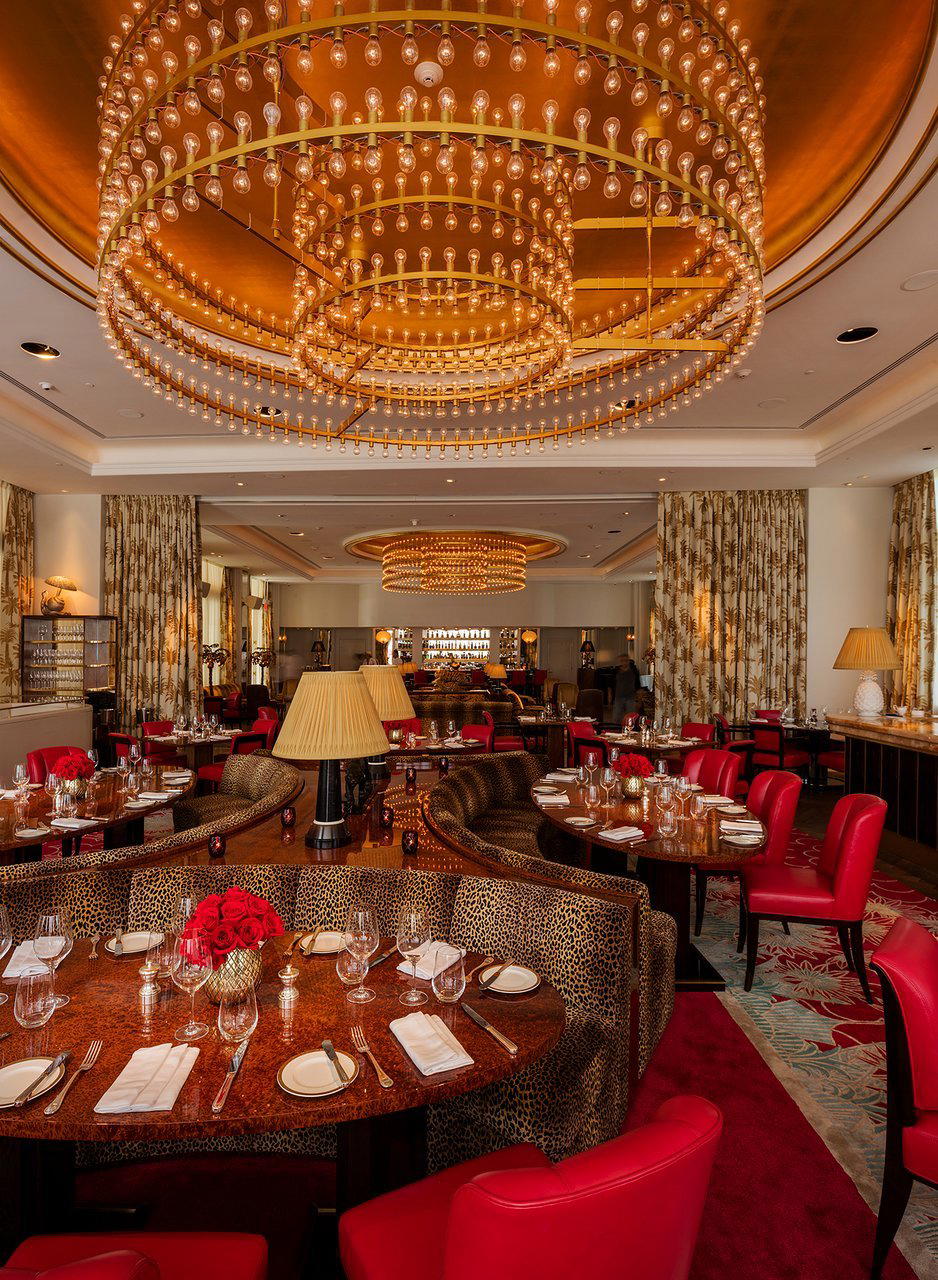
Restaurants in Miami Beach
Browse all →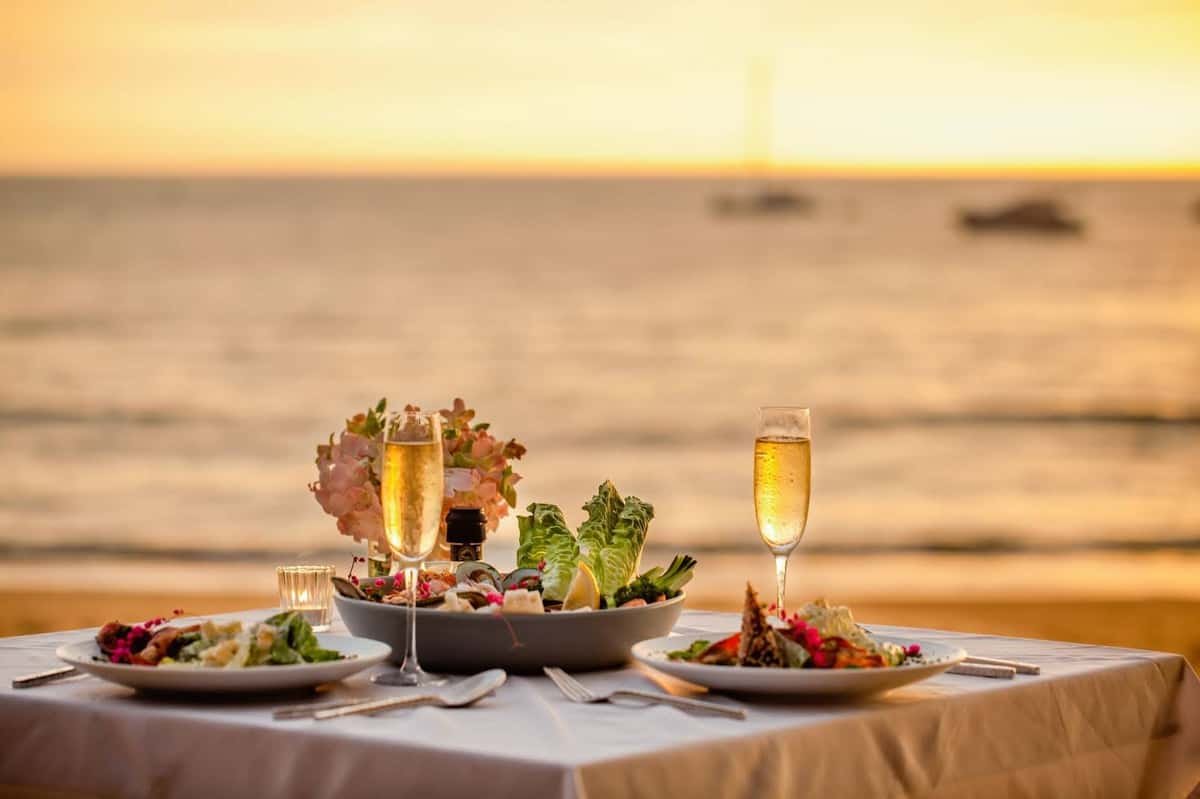
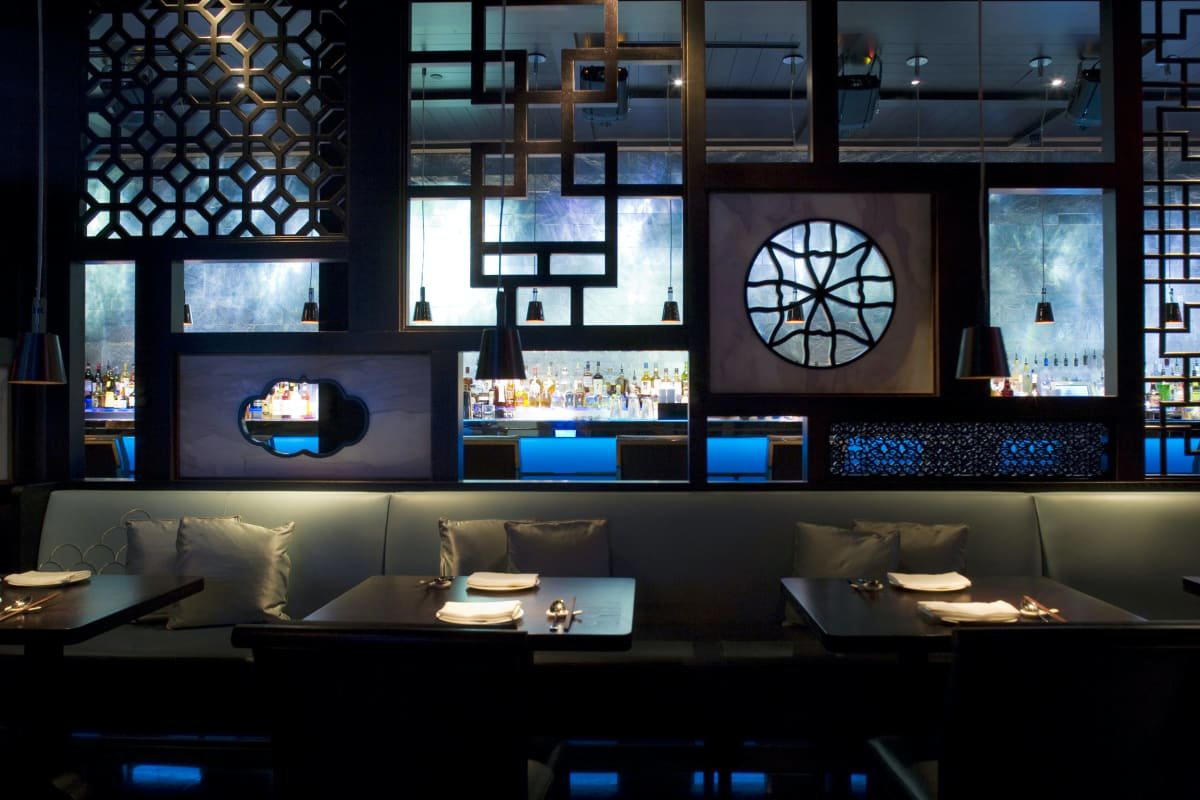
Bars in Miami Beach
Browse all →
At a Glance
- Lively
- Trendy
- Elegant
- Energetic
- Brunch
- Date Night
- Group Dining
- Celebration
- Waterfront
- Live Music
- Open Kitchen
- Terrace
- Craft Cocktails
- Waterfront
- Street Scene
Current opening hours
- Monday
- 7 AM–12 AM
- Tuesday
- 7 AM–12 AM
- Wednesday
- 7 AM–12 AM
- Thursday
- 7 AM–1 AM
- Friday
- 7 AM–1 AM
- Saturday
- 7 AM–1 AM
- Sunday
- 7 AM–12 AM
Hours can change for holidays and private events. Last verified .
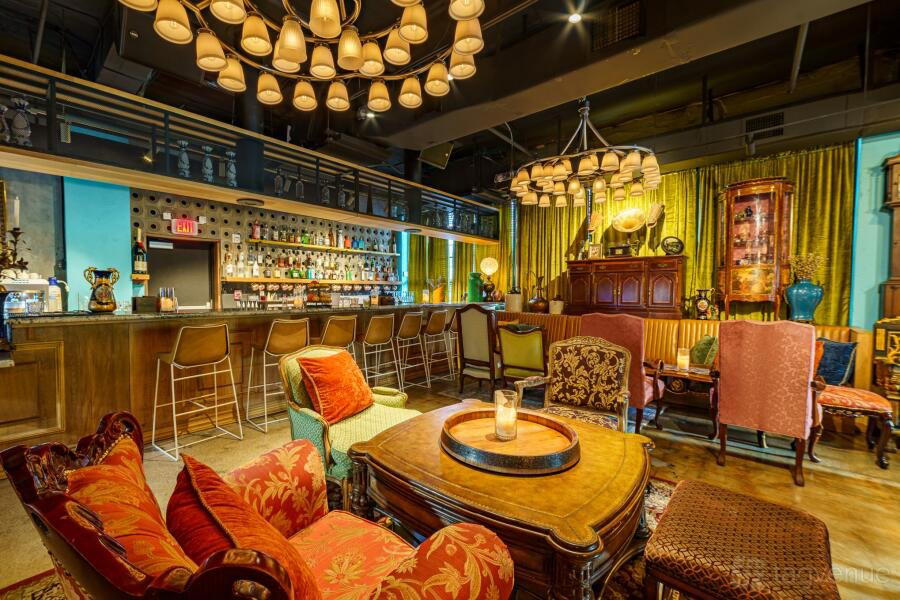
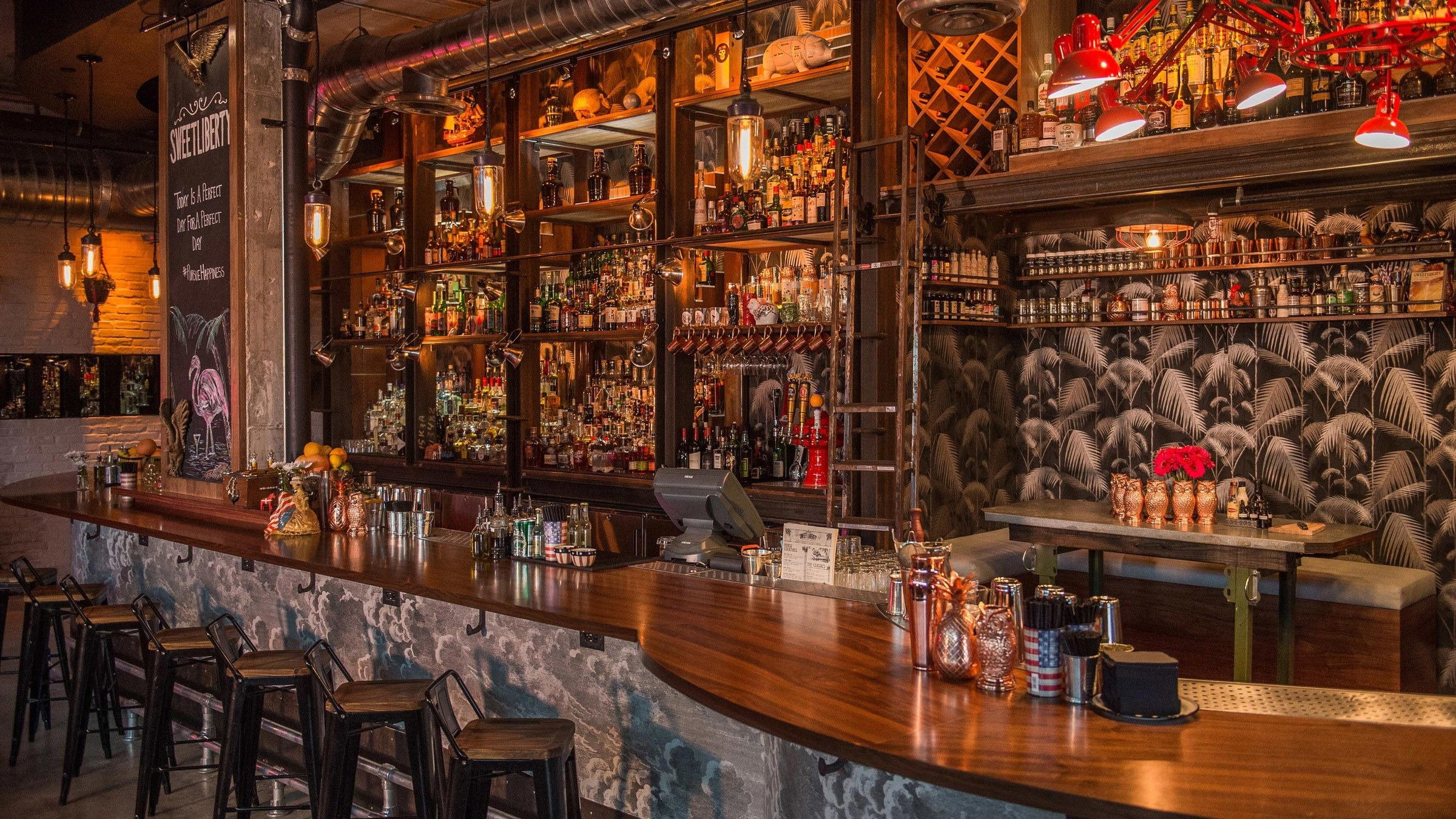
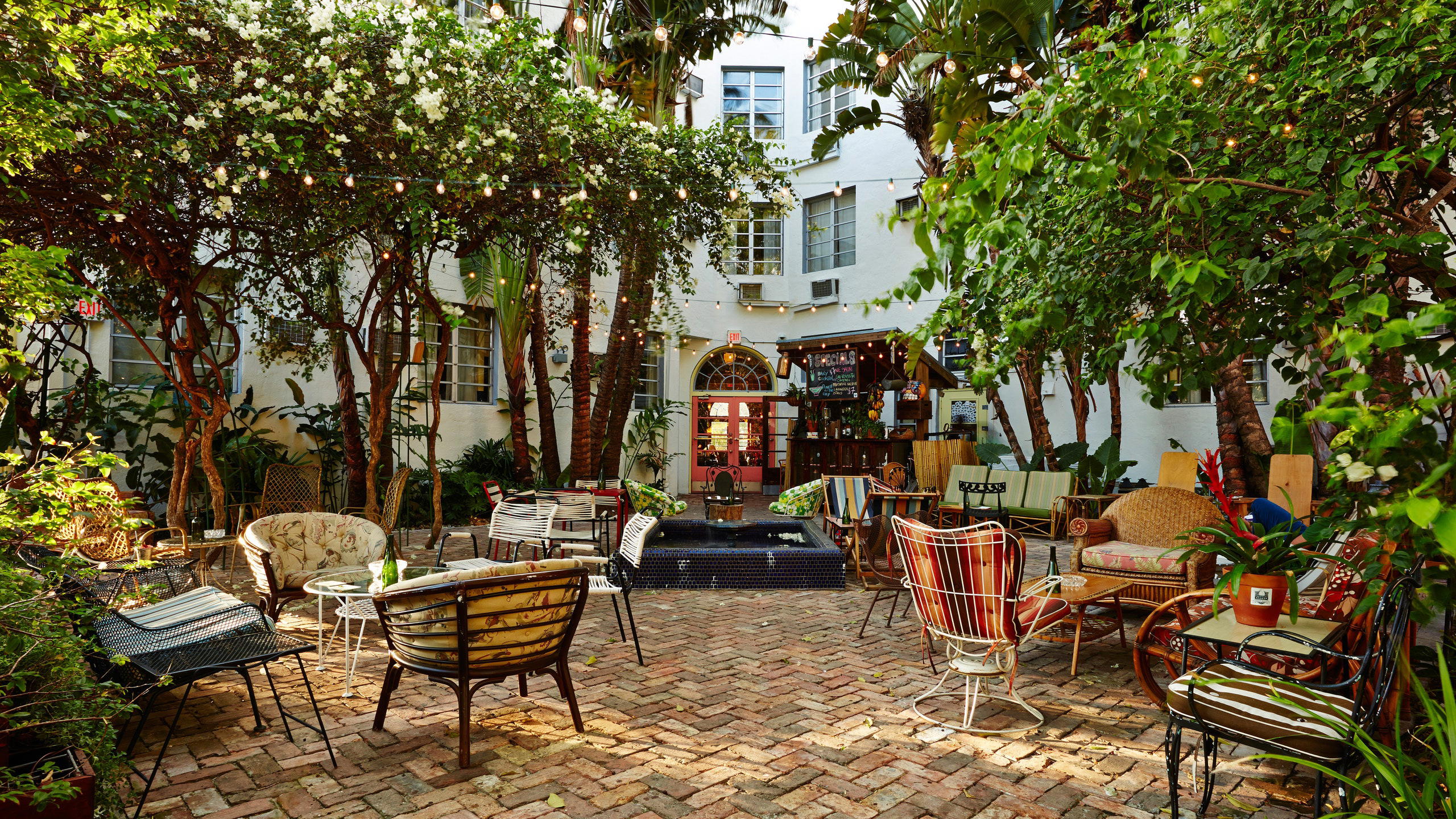
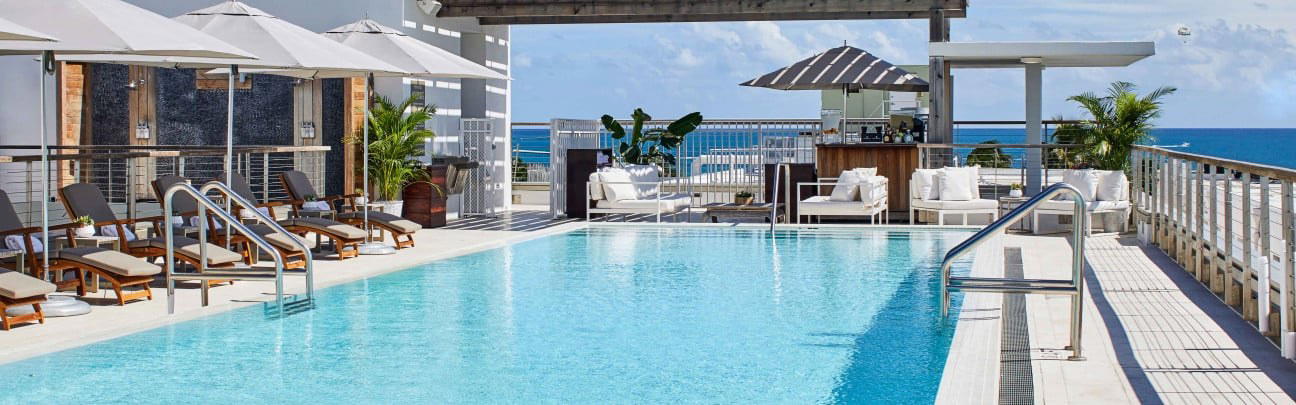
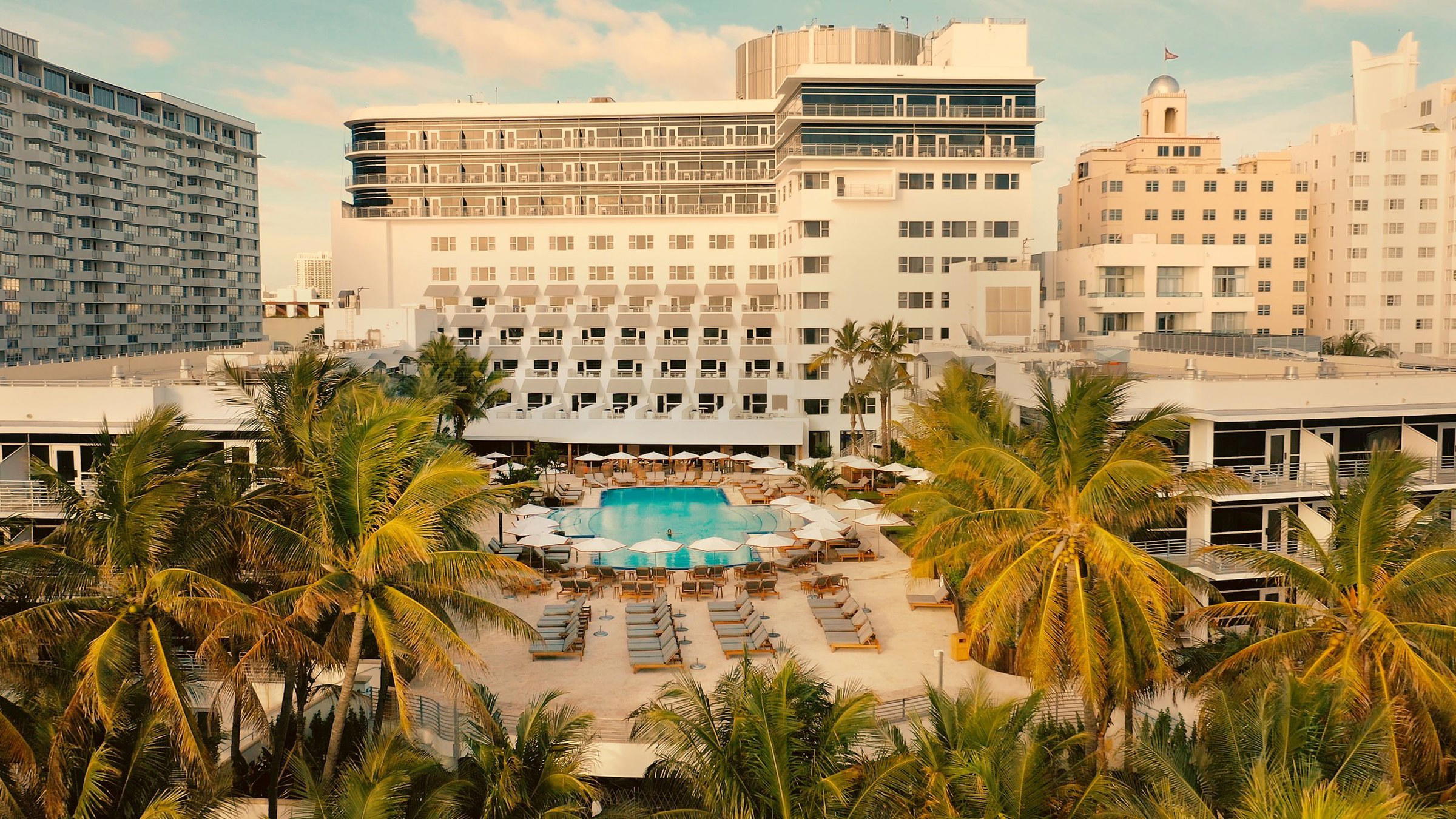
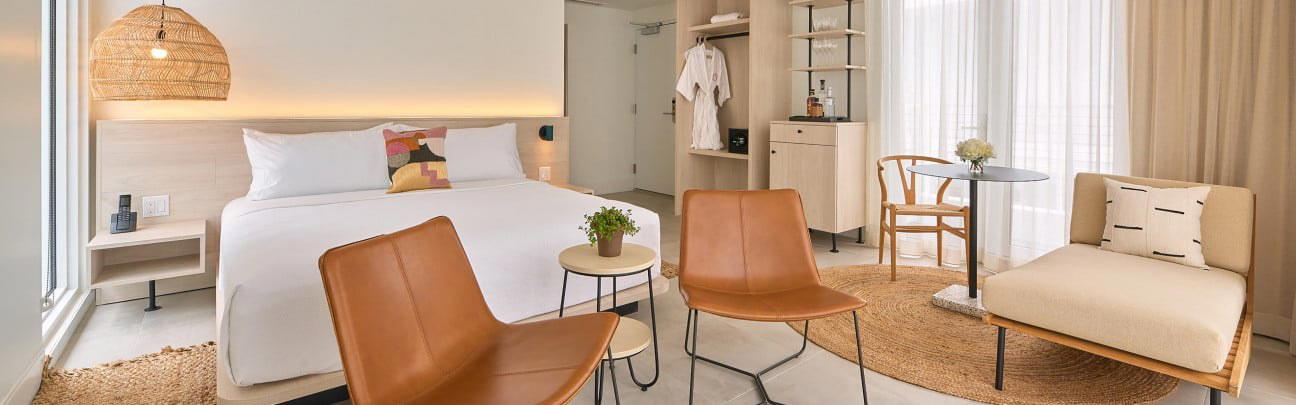
Breezy seaside-inspired design bursting with color and patterns, elegant main dining room, lush garden patio, and lively atmosphere reflecting Miami Beach energy.