Paperfish Sushi
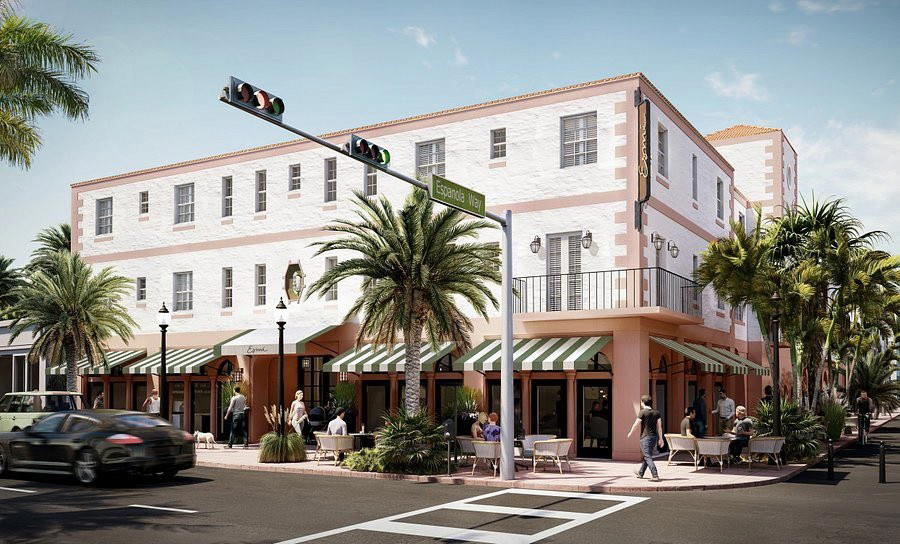
Paperfish Sushi sits on Española Way, Miami Beach's pedestrian strip of Mediterranean Revival architecture and sidewalk café culture, bringing Japanese technique to Florida's subtropical ingredient pool. The format positions it within a mid-market sushi tier that has grown considerably in South Beach as the neighborhood has diversified beyond its celebrity-chef flagship corridor.
Pearl is the En Primeur Club membership app — saves, bookings, and concierge access live there. Same editors, same standards.
- Address
- 432 Española Wy, Miami Beach, FL 33139
- Phone
- +13056860579
- Website
- paperfishsushi.com
- Directions
- Get directions
 Saves & bookings on Pearl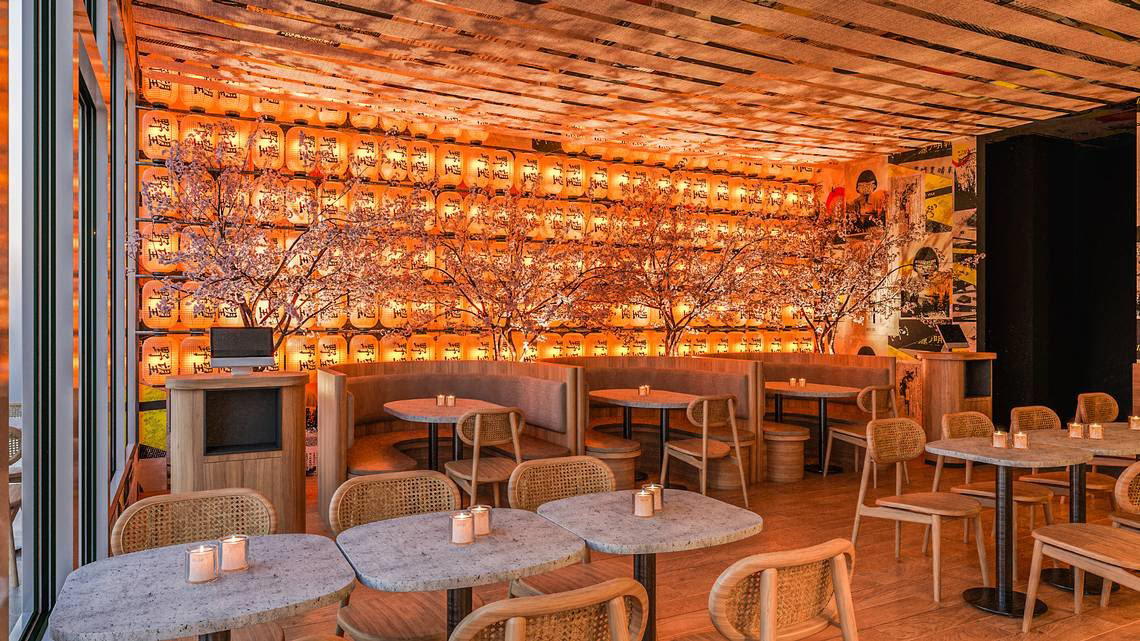
Española Way and the Sushi Counter's Place in It
Española Way was built in the 1920s as a deliberate fantasy of Spanish village life, and it has spent the decades since oscillating between bohemian enclave and tourist detour. Today, the narrow pedestrian stretch between Washington and Drexel anchors a dining cluster that skews casual and international, drawing foot traffic from the Art Deco district to the south and the residential Mid-Beach corridor to the north. It is the kind of block where a sushi counter can establish itself not on destination-dining credentials alone, but on neighborhood regularity, the repeat visit, the approachable price point, the absence of the reservation pressure that defines South Beach's better-known corridors. Paperfish Sushi occupies that position at 432 Española Way, operating within a pedestrian-scale, café-fronted environment that is structurally different from the hotel-dining and waterfront-view formats that dominate Miami Beach's higher-profile restaurant real estate. It is a contemporary Japanese Nikkei sushi restaurant in Miami Beach, priced around $50 per person.
Where Japanese Technique Meets a Florida Ingredient Context
South Florida's relationship with sushi has matured considerably since the category arrived here as a novelty in the 1990s. The coastal geography creates real supply-chain advantages: Gulf Stream proximity means warm-water species like yellowfin tuna, mahi-mahi, and snapper are available with short transit times, and the Caribbean influence on local fish markets has introduced species rarely seen at Japanese-trained counters in landlocked cities. The more considered operators in the Miami sushi tier have learned to work with this context rather than against it, building nigiri and roll formats around what the Florida coastline actually produces, rather than defaulting entirely to the Pacific-origin imports that dominate menus in New York or Chicago.
This intersection of imported technique and local product is where Paperfish Sushi sits editorially. The approach is not unusual in principle: restaurants like Providence in Los Angeles have long demonstrated how Japanese-influenced precision and California coastal sourcing can operate in productive tension, and at the fine-dining level, Le Bernardin in New York City has applied classical French exactitude to seafood with global origins. What distinguishes Miami's mid-market sushi scene is that the same conversation happens at a more accessible price register, on blocks like Española Way, without the tasting-menu architecture or the institutional kitchen pedigree. The result is a category of restaurant that reflects how most people actually engage with Japanese food in America.
The Miami Beach Sushi Context: A Competitive Tier
Miami Beach's sushi offering has stratified in the same way it has in most American coastal cities. At the upper end sit omakase counters in Brickell and the Design District commanding $150-plus per head, often with sommeliers, curated sake lists, and chef lineages traceable to New York or Tokyo training. Below that sits a broad mid-market band, larger menus, hybrid roll formats, Florida-inflected ingredient lists, where volume and neighborhood regularity matter more than press coverage. Paperfish Sushi operates in this second tier, on a street that also hosts sidewalk Mediterranean dining, wine bars, and casual Latin kitchens. Peers in the broader Miami Beach dining picture, from the diner heritage of 11th Street Diner to the seafood-forward positioning of A Fish Called Avalon, illustrate how varied the category-to-neighborhood fit can be across just a few blocks of South Beach real estate.
What distinguishes the better operators in this mid-market sushi tier nationally is a willingness to commit to a sourcing identity rather than offering an undifferentiated greatest-hits menu. Venues like Atomix in New York City demonstrate at the high end how regional specificity, in that case, Korean culinary identity applied through fine-dining structure, can define a restaurant's competitive position more durably than technique alone. The principle scales down: a mid-market Florida sushi counter that commits to Gulf and Caribbean sourcing, even imperfectly, occupies a more defensible position than one that simply imports the same fish available in any American city.
The Española Way Dining Experience in Practice
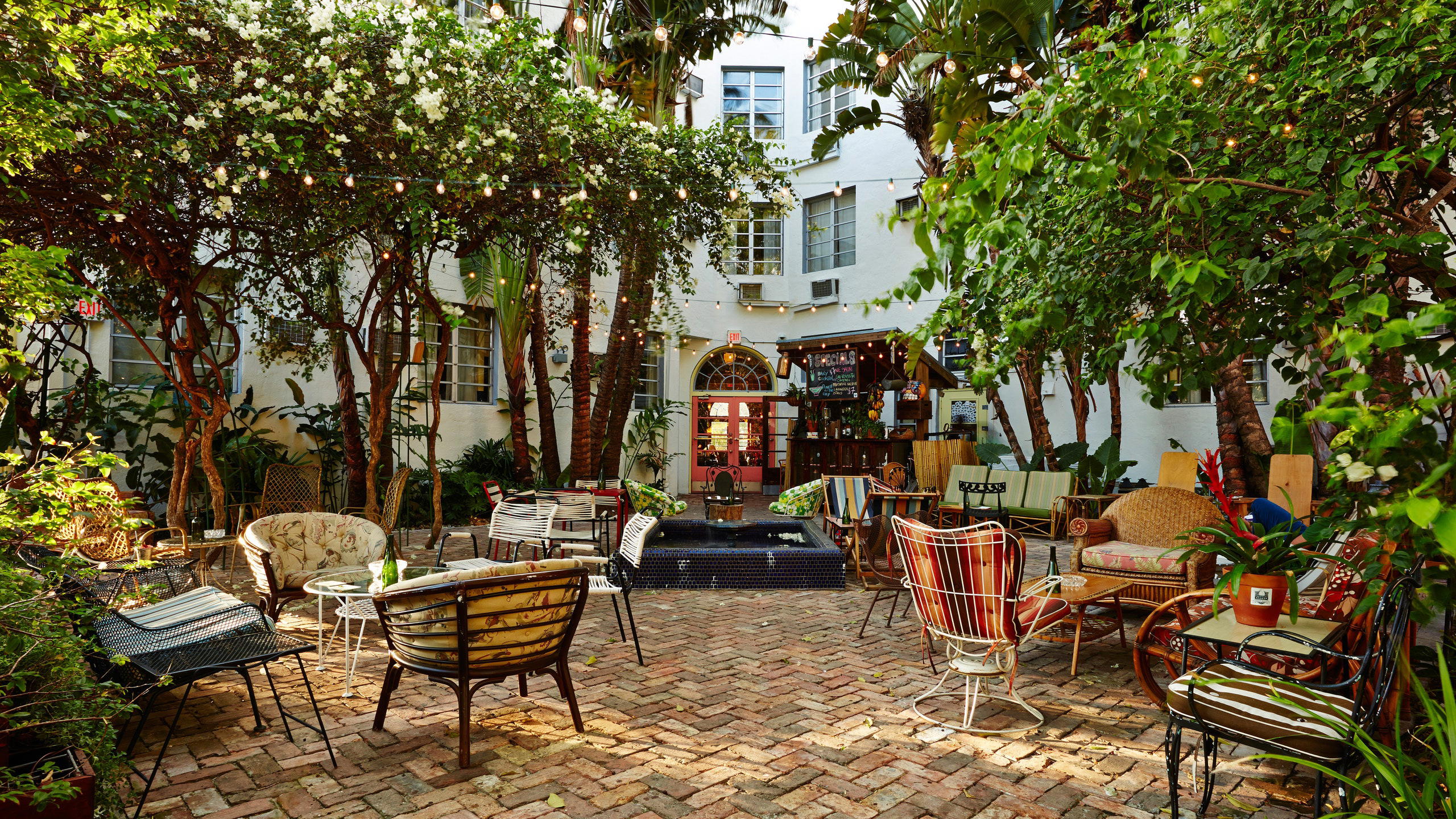
The physical context of Española Way shapes the visit in specific ways. The street is pedestrian-only during evening hours on weekends, which means the approach feels more European than typically South Beach, narrow, lit by terrace lanterns, with the sound of adjacent tables rather than traffic. Restaurants on the strip tend to blur indoor and outdoor seating, which in Miami's climate is a practical default from October through April and a managed challenge during the summer humidity window. Visitors coming from the Art Deco corridor along Ocean Drive will find Española Way a register lower in ambient noise and tourist density, though it remains well within the South Beach footprint.
The neighborhood's restaurant density means that the restaurant operates alongside options including Alma Cubana and Amalia, giving the block a genuine multiformat dining identity rather than the monoculture of some South Beach hotel corridors.
Planning Your Visit
The restaurant is located at 432 Española Way, within walking distance of the Collins Avenue and Washington Avenue hotel corridor.
Just the Basics
Comparable venues nearby, for context on price, style, and recognition.
| Venue | Cuisine | Price | Notes |
|---|---|---|---|
| Paperfish SushiThis venue — the venue you are viewing | Not listed | $$$ | Not listed |
| Moshi Moshi | South Beach, Japanese Izakaya & Sushi | $$$ | Not listed |
| Hoshi & Sushi Asian Cuisine | Not listed | $$ | Mid-Beach, Japanese Sushi & Asian Cuisine |
| OMAWEI at The Bath Club | Mid-Beach, Modern Japanese Omakase | $$$$ | Not listed |
| The Shelborne | Not listed | $$$ | South Beach, Seafood-Forward Caribbean-Latin |
| Osteria del Mar | Not listed | $$$ | South Beach, Italian Coastal with American Influences |
Continue exploring
More in Miami Beach
Restaurants in Miami Beach
Browse all →
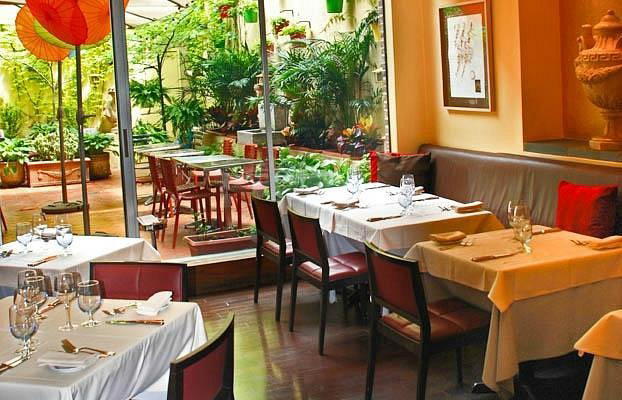
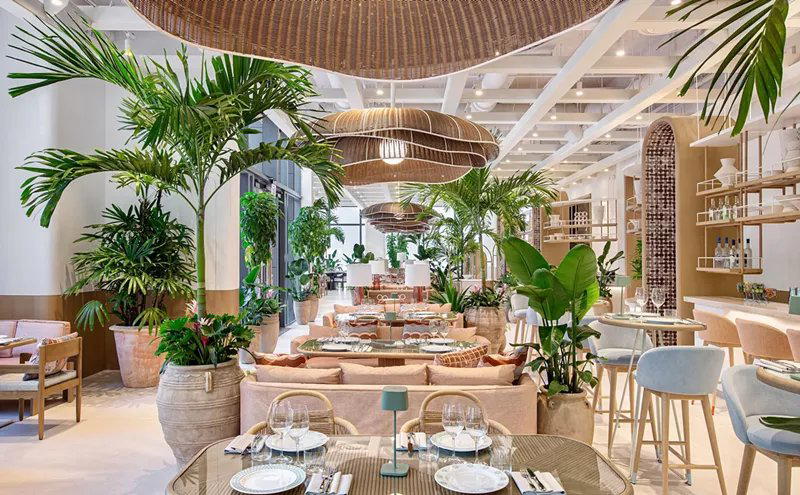
Bars in Miami Beach
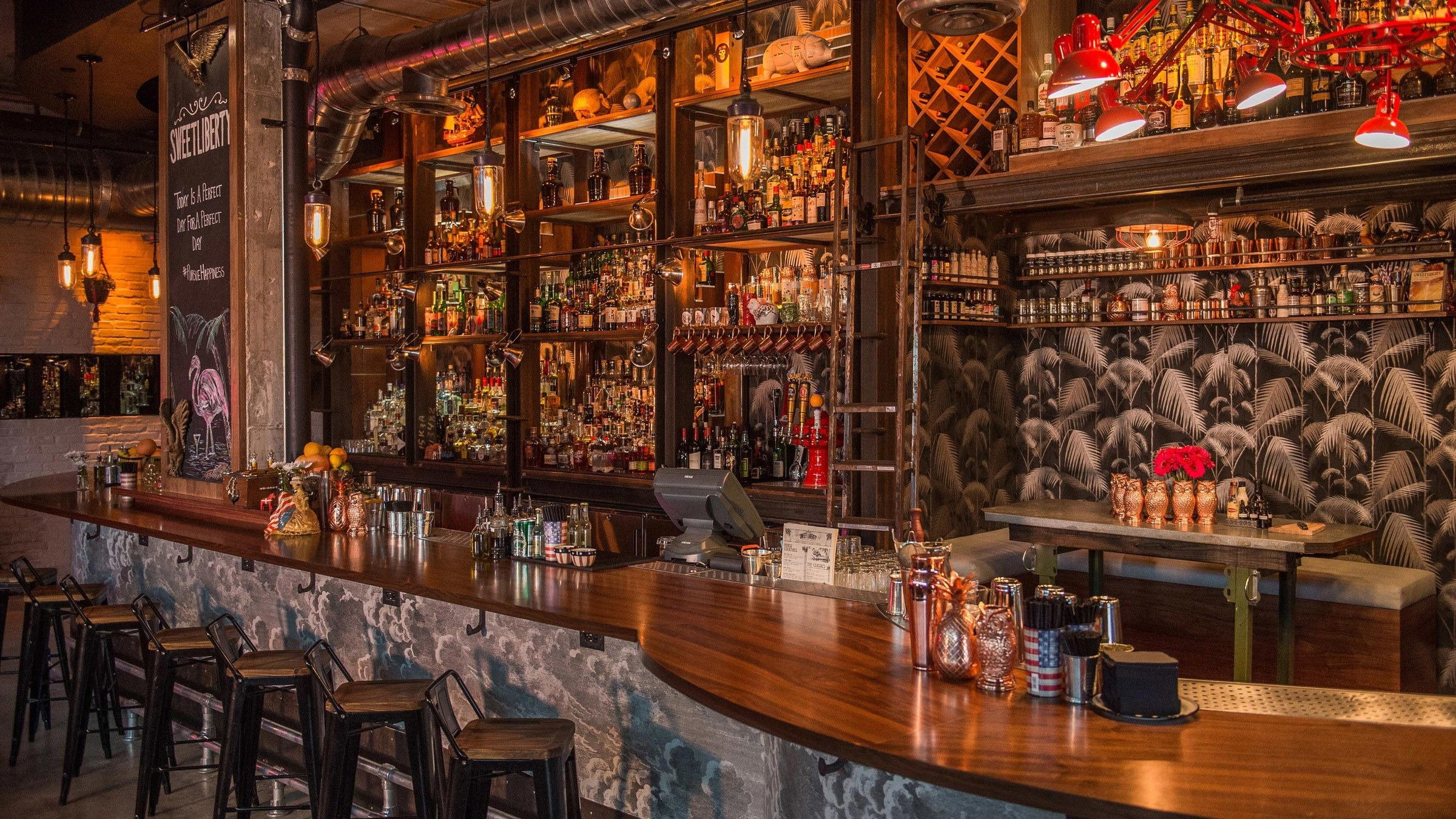
Browse all →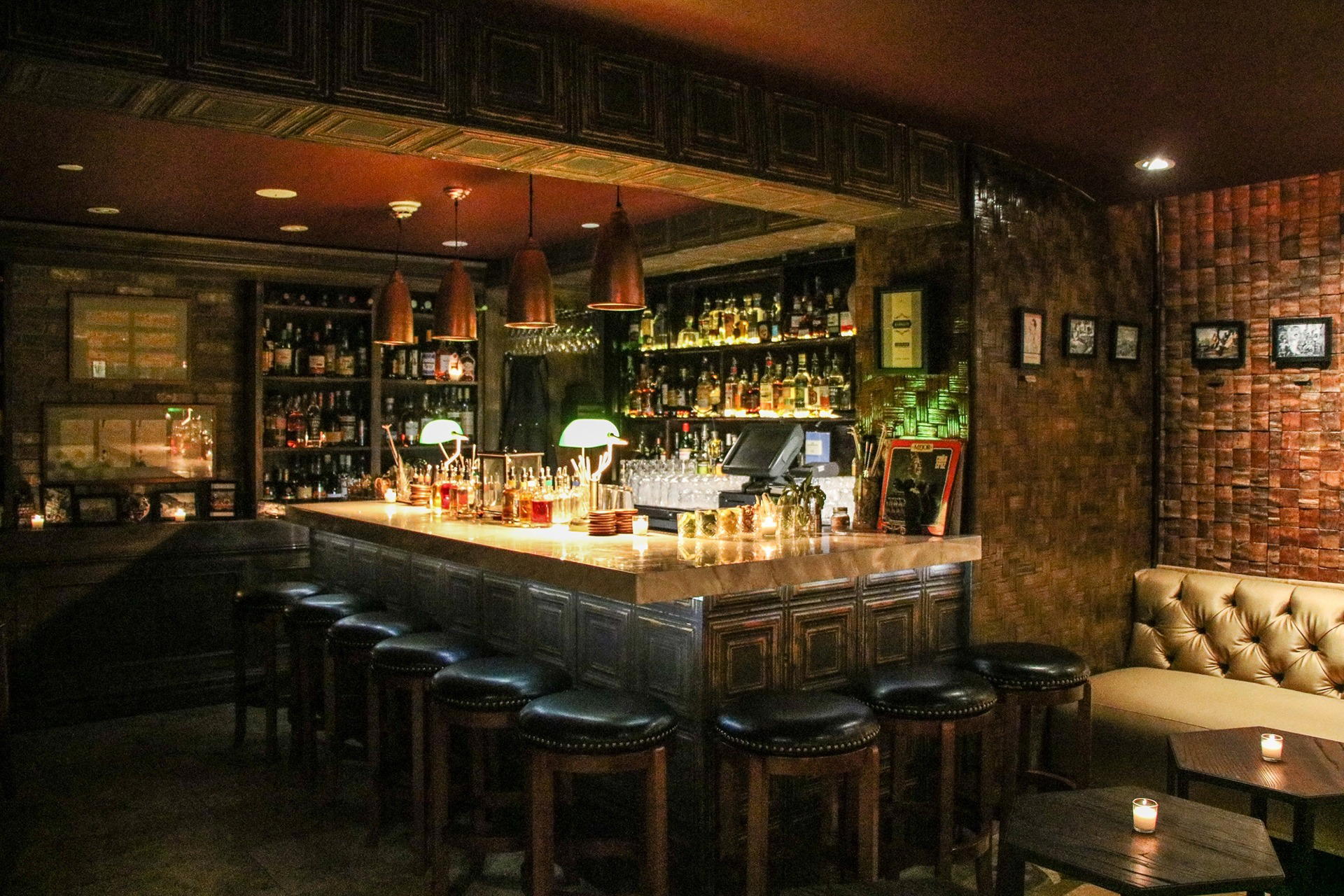
At a Glance
- Trendy
- Sophisticated
- Lively
- Modern
- Date Night
- Group Dining
- Casual Hangout
- Open Kitchen
- Sake Program
- Craft Cocktails
- Street Scene
Current opening hours
- Monday
- 12–10:30 PM
- Tuesday
- 12–10:30 PM
- Wednesday
- 12–10:30 PM
- Thursday
- 12–10:30 PM
- Friday
- 12–11:30 PM
- Saturday
- 12–11:30 PM
- Sunday
- 12–11:30 PM
Hours can change for holidays and private events. Last verified .
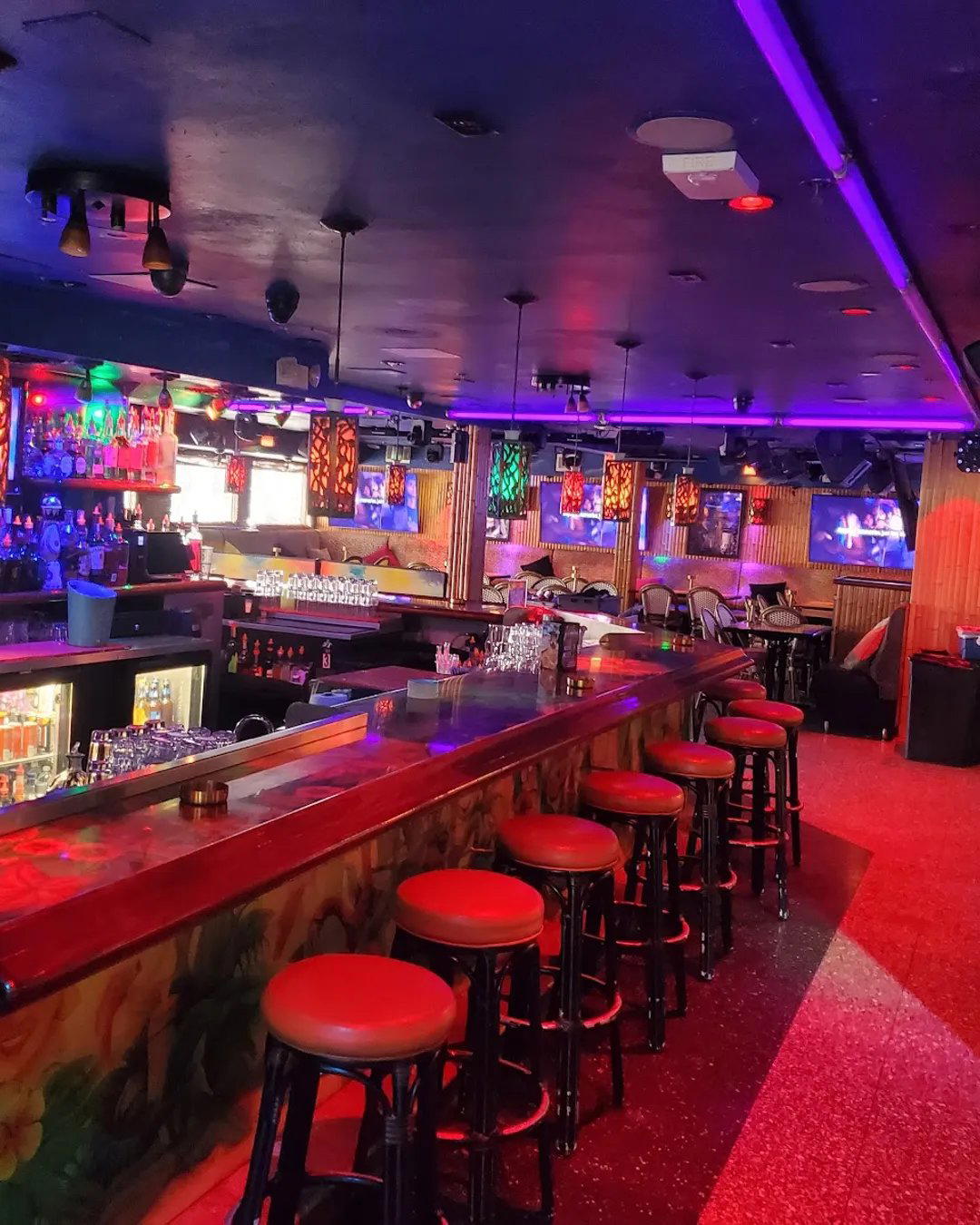
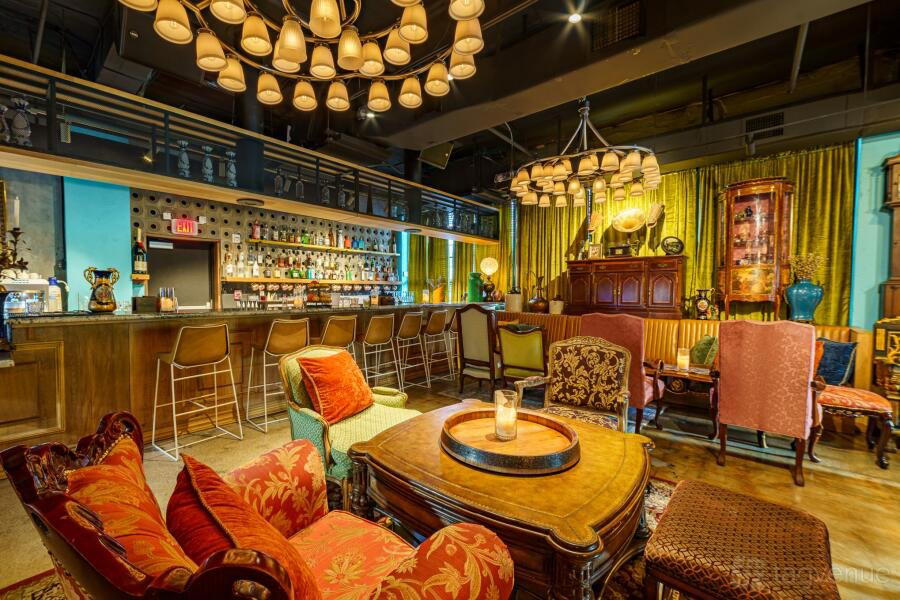
Trendy and stylish with hanging cherry blossoms, terracotta walls, low lighting, sleek wood, lively vibe, and photo-friendly interior.