Hakkasan Miami





Michelin Plate · Star Wine List · Wine Spectator Best of Award of Excellence
Our verdict
The Florida outpost of London's Hakkasan group operates from inside the Fontainebleau Miami Beach, anchoring Cantonese cooking at the higher end of Miami's Chinese dining options. The kitchen draws from Guangdong and Hong Kong tradition, with dim sum at weekends and a dinner menu that moves well beyond the familiar. Opinionated About Dining ranked it among North America's top 400 restaurants in 2024, and Michelin awarded it a Plate in both 2024 and 2025.

Pearl is the En Primeur Club membership app — saves, bookings, and concierge access live there. Same editors, same standards.
- Address
- 4441 Collins Ave, Miami Beach, FL 33140
- Phone
- (305) 538-2000
- Hours
- Mon–Thu 6–10 PMFri–Sat 6–11 PMSun 6–10 PM
- Website
- bit.ly
- Directions
- Get directions
- Booking
- Book on OpenTable
The menu
What to order
- Peking Duck
- Dim Sum
- Black Truffle Beef Fried Rice
- Hakkasan Prawns
Sleek Cantonese on Collins Avenue
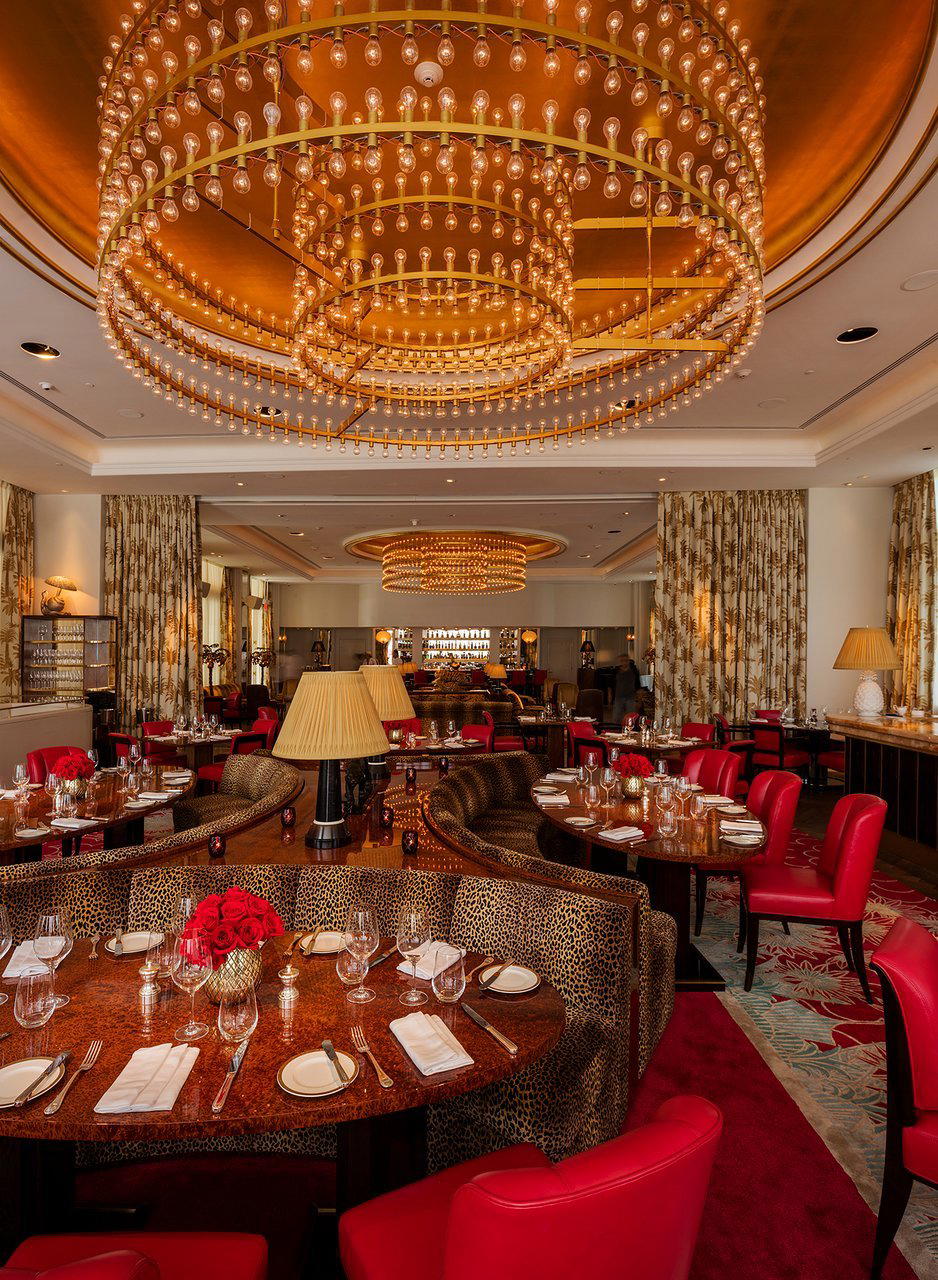
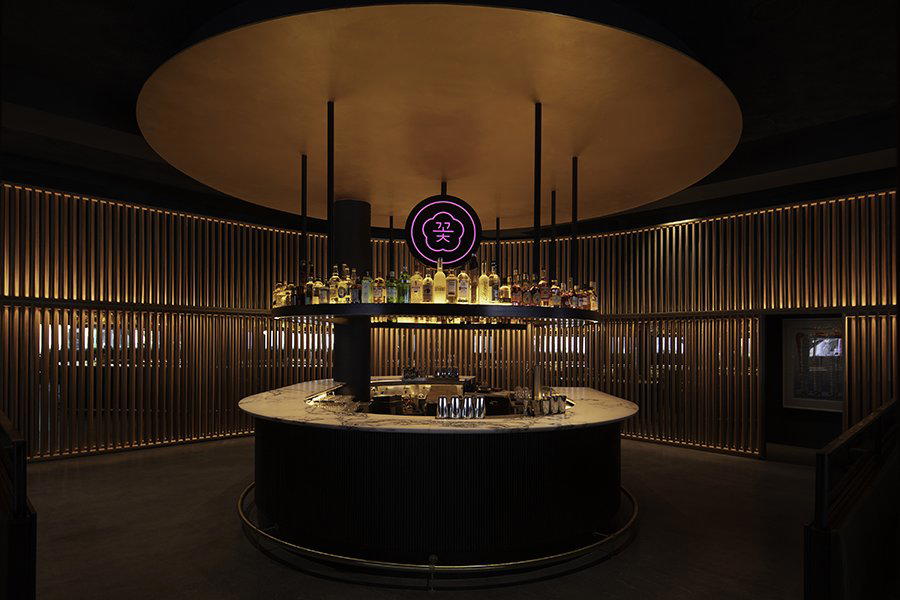
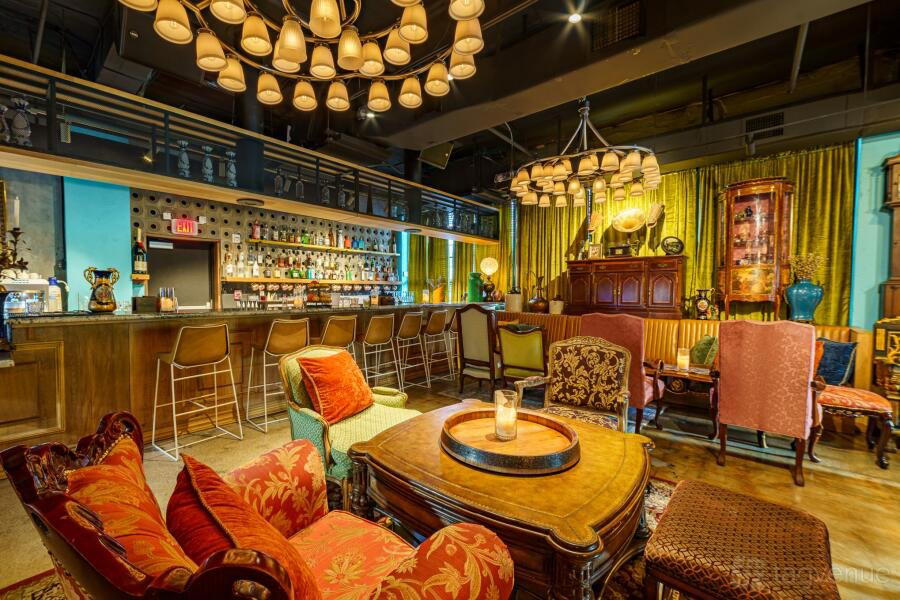
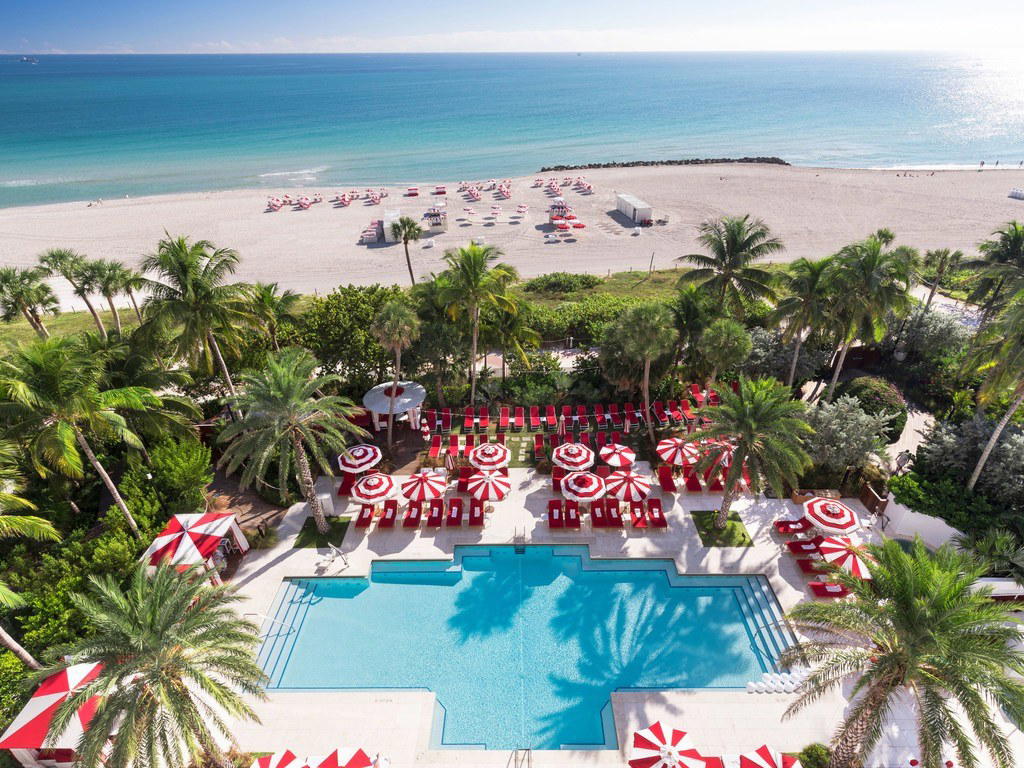
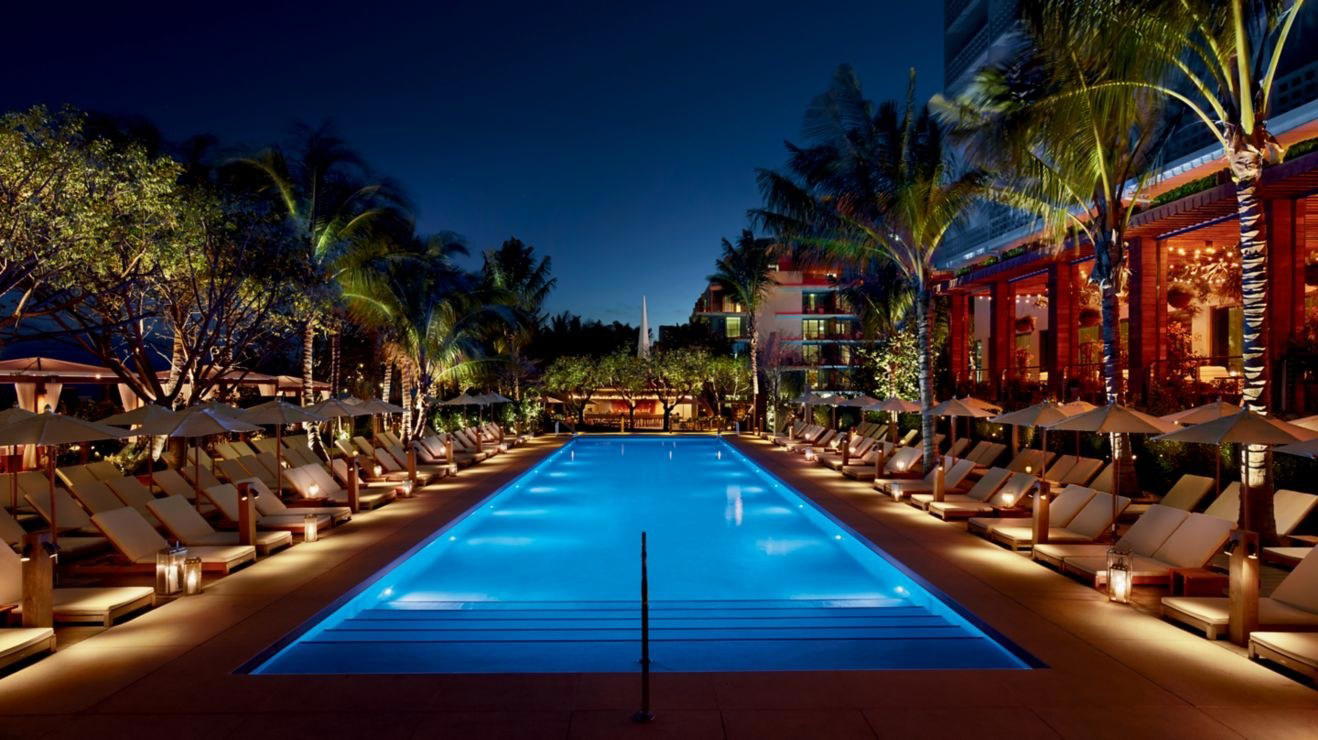
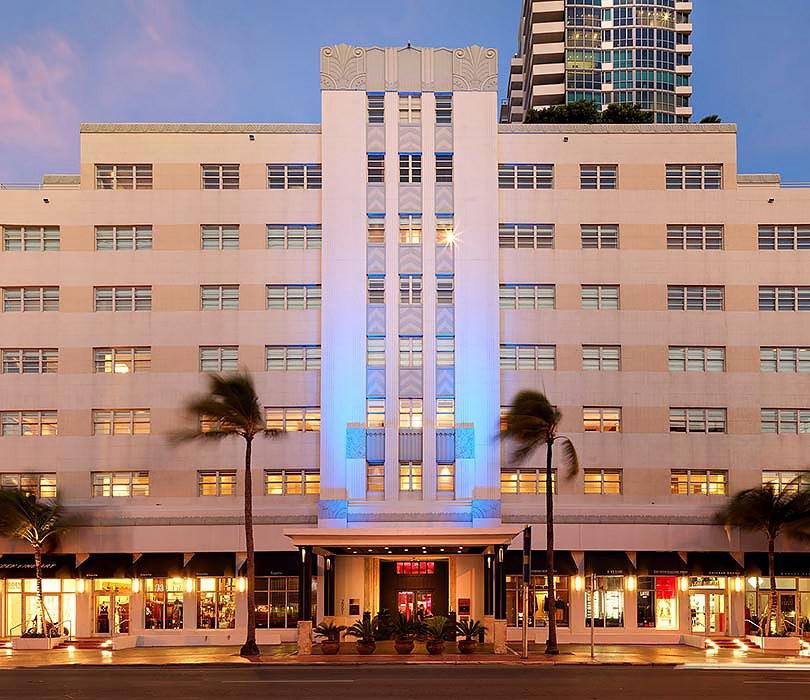
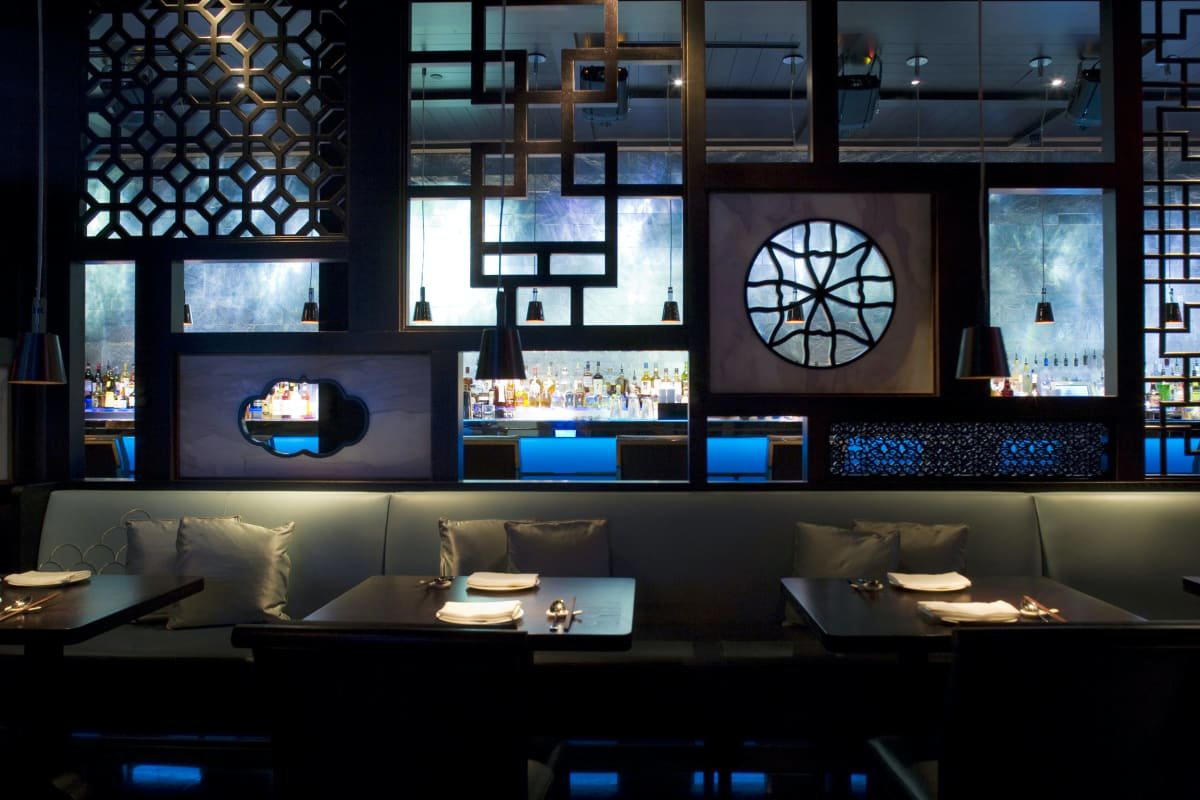
The approach to Hakkasan Miami tells you something about what kind of restaurant it wants to be. You enter through the Fontainebleau Miami Beach at 4441 Collins Ave, one of the most photographed hotel corridors in South Florida, and the dining room maintains that register: low light, considered geometry, a controlled aesthetic that reads somewhere between a Hong Kong private members club and a well-edited Miami Beach interior. The beach is immediately outside, but the room ignores that entirely, which is the point.
Miami's Chinese dining scene is narrower at the high end than cities like New York or San Francisco, where Cantonese, Shanghainese, and Sichuan traditions each have established premium tiers. Here, the market compresses: Hakkasan occupies the upper bracket, sitting in a different competitive conversation from the city's casual Chinese dining. For context on how Miami's broader restaurant scene stratifies, our full Miami restaurants guide maps the range.
The Guangdong Tradition, Reframed for Miami
Cantonese cooking is among the most technically demanding of Chinese regional traditions. Its emphasis on clean flavour, precise heat control, and the quality of primary ingredients means shortcuts are visible. The cuisine's reputation in the West suffered for decades under Americanised adaptations, which makes the Hakkasan model — a London-founded group that insisted on Guangdong and Hong Kong sourcing standards in international markets — a useful data point for where premium Chinese cooking now positions itself globally.
The Michelin inspector's notes for Hakkasan Miami point specifically to dishes like braised Japanese abalone with sea cucumber and braised luffa melon with crispy scallops as indicators of the kitchen's range. These are not dishes you find at casual Cantonese restaurants: abalone preparation requires long, controlled cooking over many hours, and the pairing with sea cucumber reflects classic Hong Kong banquet logic, where textural contrast matters as much as flavour. Chef Yannick Franques leads the kitchen, providing the culinary direction for this execution. Under that direction, the menu rewards guests who move past the familiar, the crispy chicken with orange sauce that the Michelin inspector specifically names as a comfort-zone default, toward the seafood and braised preparations that define serious Cantonese cooking.
The dim sum programme at weekends represents a separate register of the Guangdong tradition. Dim sum in Hong Kong is a daytime social institution with its own grammar of small plates, dumplings, and steamed preparations, quite distinct from the dinner menu's larger format. At Hakkasan Miami, the weekend dim sum brunch is one of the better-known formats in the city for this style of eating, and it draws a different booking pattern than the evening service.
Where Hakkasan Sits in Miami's Dining Map
Miami's premium restaurant tier has deepened considerably in the past decade. The city now holds serious French cooking at L'Atelier de Joël Robuchon Miami, contemporary American at Ariete, modern Italian at Boia De, and Peruvian at ITAMAE. Hakkasan occupies a distinct niche in that group: it is the only restaurant in Miami's upper dining tier anchored in Cantonese tradition, which makes peer comparisons with domestic contemporaries somewhat imprecise.
More useful reference points are found in how the global Hakkasan group positions Chinese cooking in other cities, and how individual practitioners of modern Chinese technique approach the same challenge elsewhere. Brandon Jew at Mister Jiu's in San Francisco represents a chef-driven model rooted in Cantonese-American history; Restaurant Tim Raue in Berlin takes Chinese technique into a European fine dining context. Hakkasan operates differently from either: it is a group model built for consistency and scale, which produces different strengths and trade-offs than a single-chef expression.
Within the broader list of North American restaurants tracked by Opinionated About Dining, Hakkasan Miami ranked 383rd in 2024, with a Recommended listing in 2023 before moving to the ranked tier. Against other Miami restaurants in that same dataset, and in the context of Forbes Travel Guide recognition, this places it in the upper tier of the city's recognised dining.
For travellers comparing across cuisines and formats in the same city, Tropical Chinese represents a different, more neighbourhood-oriented register of Chinese cooking in Miami, which is a useful contrast to Hakkasan's hotel-based, high-production positioning.
The Wine Programme
The wine list at Hakkasan Miami is one of the more substantial in the city: a cellar of approximately 9,000 bottles across around 600 selections, with California, France, and Italy as the core strengths. Wine Director Charly Naranjo and Sommelier Erica Lozano manage a list priced at the higher end, with many bottles above $100. The corkage fee is $60 for those bringing their own. Pairing wine with Cantonese food is a different exercise from matching with European cuisines; the kitchen's use of umami-forward sauces, seafood preparations, and aromatic spicing tends to reward white Burgundy, older-vintage Champagne, or lighter-bodied reds over heavier tannic wines, though the sommelier team is positioned to navigate that for guests who ask.
Planning a Visit
Hakkasan Miami serves dinner only during the week, with the weekend dim sum brunch available in addition to evening service. General Manager Fahad Khan oversees operations. The dress code is smart casual: Miami Beach beach attire is not appropriate, but formal wear is not required either, dressing for a standard evening out in the city is the right calibre. Weekday reservations are considerably easier to secure than weekends, which book up quickly; tables can be reserved through OpenTable. The meal format works well as a shared spread across several dishes rather than individual plates, which is how Cantonese cooking is designed to be eaten. A typical two-course meal without beverages falls in the $66 and above range.
The Fontainebleau's location on Collins Avenue puts the restaurant within reach of Miami Beach's hotel corridor, which is useful for guests staying in the area. For broader trip planning, our guides to Miami hotels, Miami bars, Miami wineries, and Miami experiences cover the rest of the city's premium tier. For those interested in how premium Chinese cooking compares to other high-end formats nationally, reference points include Le Bernardin in New York City, Alinea in Chicago, The French Laundry in Napa, Lazy Bear in San Francisco, Single Thread Farm in Healdsburg, and Emeril's in New Orleans.
Frequently asked questions
Does Hakkasan Miami have a Michelin star or similar recognition?
Hakkasan Miami has received recognition including: Located inside the Fontainebleau Miami Beach, Hakkasan Miami is the Florida outpost of the high-end restaurant chain that originated in London.; Miami Beach’s iconic Fontainebleau Hotel is home to arguably one of the best modern Chinese res….
What's the price range at Hakkasan Miami?
Pricing at Hakkasan Miami is listed as $$$.
What's the best thing to order at Hakkasan Miami?
The Michelin inspector's notes supporting the restaurant's Plate awards in both 2024 and 2025 specifically call out the braised Japanese abalone with sea cucumber and the braised luffa melon with crispy scallops as the dishes that define what Hakkasan does differently from standard Cantonese menus in the area. The kitchen draws from Guangdong Province and Hong Kong tradition, so the menu rewards those who move past familiar stir-fries toward the seafood and banquet-style dishes. Given the $$$-tier pricing (two-course meals above $66 before beverages), ordering shared plates across the table rather than individual entrées returns better value and range.
What style of cooking does Hakkasan Miami do?
Just the Basics
A quick peer reference to anchor this venue in its category.
| Venue | Cuisine | Price | Awards | Notes |
|---|---|---|---|---|
| Hakkasan MiamiThis venue — the venue you are viewing | Modern Cantonese | $100–150 | Michelin Plate · Star Wine List | Not listed |
| Ariete | Modern Cuban-American Fine Dining | $150–200 | 1 Michelin Star · Star Wine List | Modern American, Contemporary |
| Boia De | Modern Italian-Inspired | $50–100 | 1 Michelin Star · Star Wine List | Italian, Contemporary |
| Cote Miami | Modern Korean Steakhouse with Table-Side BBQ | $150–200 | 1 Michelin Star · La Liste Top Restaurants | Korean Steakhouse, Korean |
| Stubborn Seed | Modern American Fine Dining | $200–300 | 1 Michelin Star | Progressive American, Contemporary |
| Los Fuegos by Francis Mallmann | Argentinian Open-Fire Asado Steakhouse | $200–300 | Michelin Plate · Forbes 4-Star | Argentinian |
Recognition history
Dated appearances from independent guides and award organizations, with the underlying list record or original source where available.
Michelin Plate
Michelin
Star Wine List
Star Wine List
Forbes Recommended
Forbes
Wine Spectator Best of Award of Excellence
Wine Spectator
Opinionated About Dining Top Restaurants in North America Ranked #383
Opinionated About Dining
Full recognition history (10 entries)
Forbes Recommended
Forbes
Michelin Plate
Michelin
Wine Spectator Best of Award of Excellence
Wine Spectator
Michelin Plate
Michelin
Opinionated About Dining Top Restaurants in North America Recommended
Opinionated About Dining