Españolita Miami
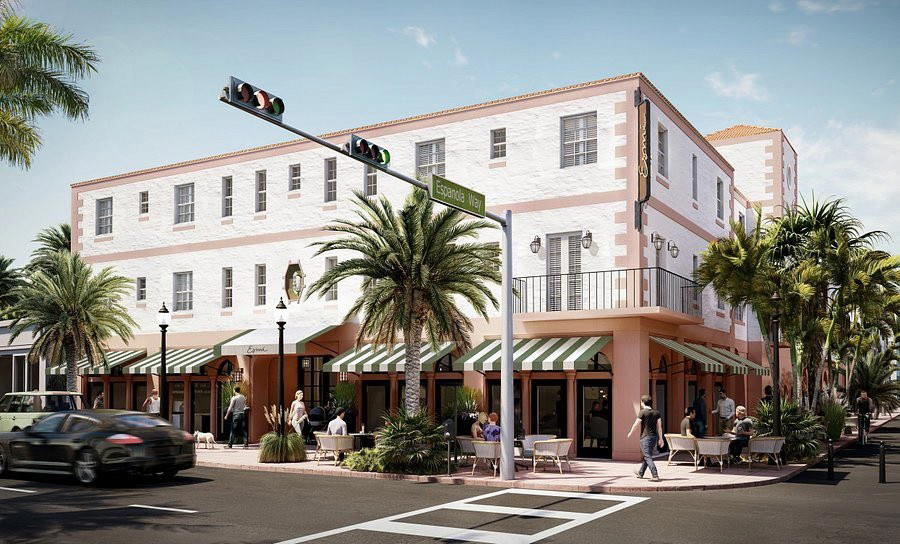
On Española Way, one of Miami Beach's most architecturally intact Mediterranean Revival blocks, Españolita Miami occupies a space where the street itself does much of the storytelling. The address places it squarely in the mid-Beach corridor, where Spanish-inflected design and a walkable, village-scale character distinguish the block from the louder dining scenes to the north and south.
Pearl is the En Primeur Club membership app — saves, bookings, and concierge access live there. Same editors, same standards.
- Address
- 441 Española Wy, Miami Beach, FL 33139
- Phone
- +17868137415
- Website
- espanolitamiami.com
- Directions
- Get directions
 Saves & bookings on Pearl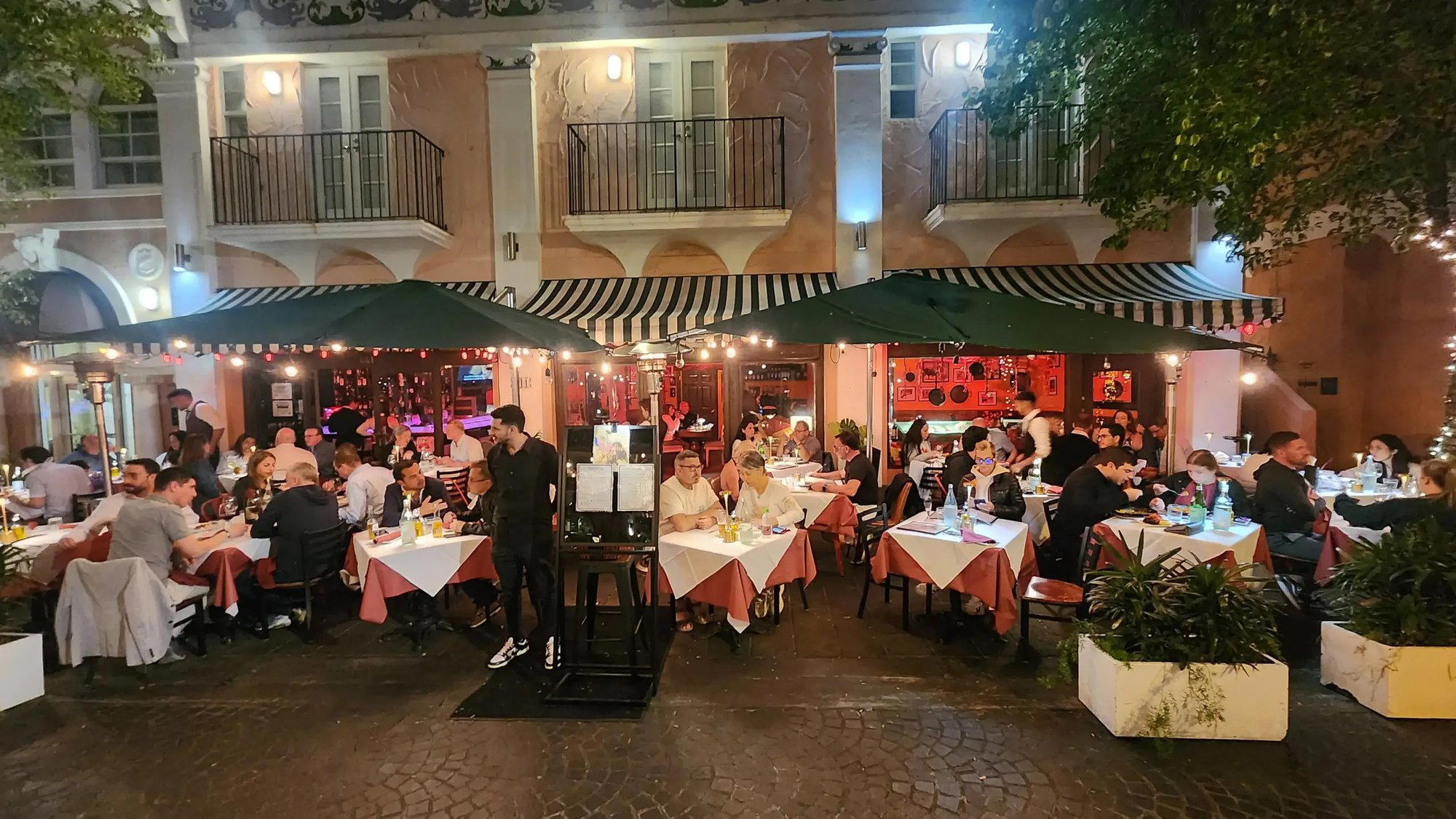
A Street That Sets the Scene Before You Sit Down
Española Way is an anomaly in Miami Beach. Conceived in the 1920s as a Mediterranean Revival enclave, the block at 441 has the proportions of a European pedestrian lane rather than a South Florida thoroughfare: narrow, shaded by building overhangs, and lined with terracotta and wrought iron details that read as genuine rather than theme-park revival. By the time you arrive at Españolita Miami, the architecture has already done considerable work in shaping expectations. Españolita Miami is a Spanish seafood and tapas restaurant in Miami Beach at 441 Española Way. This is a neighborhood built around a specific visual and cultural argument about what the area could be, and restaurants on this stretch either align with that argument or work against it.
The broader mid-Beach corridor has split in recent years between venues oriented toward the Ocean Drive tourist circuit and those drawing from the residential and arts-adjacent population that gravitates toward Española Way and the surrounding blocks. Españolita sits within the latter context, a positioning that affects everything from the pace of service expected to the type of sourcing conversation a kitchen can credibly have with its guests.
Ingredient Sourcing and the Spanish Pantry in a Miami Context
Spanish cuisine, at its most structurally honest, is an ingredient-first tradition. The Iberian peninsula's regional pantry, pimentón de la Vera, Padrón peppers, Manchego, jamón ibérico, salt cod from the Atlantic, carries strong provenance signals, and the leading Spanish kitchens in North America treat those sourcing decisions as the primary editorial argument of the menu rather than a footnote. Florida presents a specific set of possibilities that genuinely complement this tradition: Gulf and Atlantic seafood with quality that rivals anything on the Cantabrian coast, tropical produce that can intersect with Andalusian and Canarian cooking traditions, and a citrus supply that makes certain Valencian preparations work with local rather than imported material.
For diners accustomed to sourcing-led restaurants like Blue Hill at Stone Barns in Tarrytown or Single Thread Farm in Healdsburg, the interesting question at a Miami Spanish restaurant is how much of the pantry travels from Spain and how much gets replaced by what South Florida can credibly offer. These are not competing impulses; they are complementary ones, and the tension between imported tradition and local ingredient availability is where considered Spanish cooking in the United States tends to happen.
Programs like Addison in San Diego or Providence in Los Angeles have demonstrated how a commitment to regional sourcing, when applied with disciplined technique, produces menus that communicate place rather than simply cuisine category. The same logic applies to Spanish cooking in Miami, where the local fishing grounds and subtropical agriculture offer raw material that the Iberian tradition knows exactly what to do with.
Where Españolita Sits in the Miami Beach Dining Context
Miami Beach's restaurant scene has developed distinct competitive tiers. At the high end, hotel dining rooms affiliated with international groups set the price ceiling; at the mid-level, independently operated restaurants with specific culinary identities hold critical attention. Española Way venues fall mostly into this middle tier, where character and cuisine integrity matter more than marketing budgets.
Nearby, Alma Cubana anchors the Cuban tradition a few blocks away, while A La Folie brings a French café register to the same general neighborhood. The 11th Street Diner handles the American diner format with the kind of institutional consistency that anchors a neighborhood across decades. A Fish Called Avalon and a'Riva contribute to a dining corridor where seafood and Mediterranean influences recur across multiple menus, reflecting both the city's geography and its population. Españolita occupies the Spanish lane within that broader Mediterranean conversation, a cuisine tradition with a specific grammar that separates it from the Italian and Greek registers that otherwise dominate the category.
The Wider Context: Spanish Cooking in American Fine Dining
Spanish cuisine occupies an interesting position in serious American restaurant culture. It generates relatively few entries in the award tiers occupied by French-lineage and Japanese-influenced kitchens, places like Le Bernardin in New York City, The French Laundry in Napa, or Atomix in New York City, yet the tradition has produced particularly influential culinary thinking of the past three decades globally. In American cities, Spanish restaurants tend to cluster in two modes: casual tapas formats with accessible price points, and a smaller group of serious operations treating the Iberian canon with the same technique rigor applied to French or Japanese cooking.
Across the US, sourcing-led kitchens working within European traditions have demonstrated that the framework travels when the discipline is there. Smyth in Chicago, Lazy Bear in San Francisco, and Emeril's in New Orleans each built reputations through a specific combination of sourcing identity and technical consistency. The Inn at Little Washington and Atelier Moessmer Norbert Niederkofler in Brunico represent the broader international argument that place-led sourcing is not a marketing position but a structural approach to menu building. The question for any Spanish restaurant in Florida is whether it brings that level of sourcing intentionality to a cuisine tradition that rewards it as much as any other.
Know Before You Go
- Address: 441 Española Way, Miami Beach, FL 33139
- Neighborhood: Española Way / Mid-Beach
- Getting There: Española Way runs one block inland from Collins Avenue; street parking is limited on weekends, and the South Beach local bus circuit covers the surrounding blocks. The walk from the Lincoln Road area takes under ten minutes.
- Booking: Reservations are recommended.
- Hours: Mon: 12–11:45 PM; Tue: 12–11:45 PM; Wed: 12–11:45 PM; Thu: 12–11:45 PM; Fri: 12 PM–12:30 AM; Sat: 12 PM–12:30 AM; Sun: 12–11:45 PM.
- Pricing: About $40 per person.
- Dress Code: Casual.
A Lean Comparison
Comparable venues nearby, for context on price, style, and recognition.
| Venue | Cuisine | Price | Notes |
|---|---|---|---|
| Españolita MiamiThis venue — the venue you are viewing | South Beach, Spanish Seafood & Tapas | $$$ | Not listed |
| Tapelia | Not listed | $$ | South Beach, Modern Spanish Tapas & Paella |
| Nettuno Oysters & Seafood | South Beach, Italian Seafood & Oysters | $$$ | Not listed |
| Pauline | Not listed | $$$ | South Beach, Modern Coastal Seafood with Latin-Caribbean Influences |
| Alma Cubana | Ocean Drive, Modern Cuban | $$$ | Not listed |
| Santorini by Georgios | Not listed | $$$ | South of Fifth, Authentic Greek Mediterranean |
Continue exploring
More in Miami Beach
Restaurants in Miami Beach
Browse all →
Bars in Miami Beach
Browse all →

At a Glance
- Lively
- Elegant
- Well Known
- Group Dining
- Casual Hangout
- Date Night
- Celebration
- Terrace
- Open Kitchen
- Standalone
- Craft Cocktails
- Beer Program
- Sustainable Seafood
- Local Sourcing
- Street Scene
Current opening hours
- Monday
- 12–11:45 PM
- Tuesday
- 12–11:45 PM
- Wednesday
- 12–11:45 PM
- Thursday
- 12–11:45 PM
- Friday
- 12 PM–12:30 AM
- Saturday
- 12 PM–12:30 AM
- Sunday
- 12–11:45 PM
Hours can change for holidays and private events. Last verified .
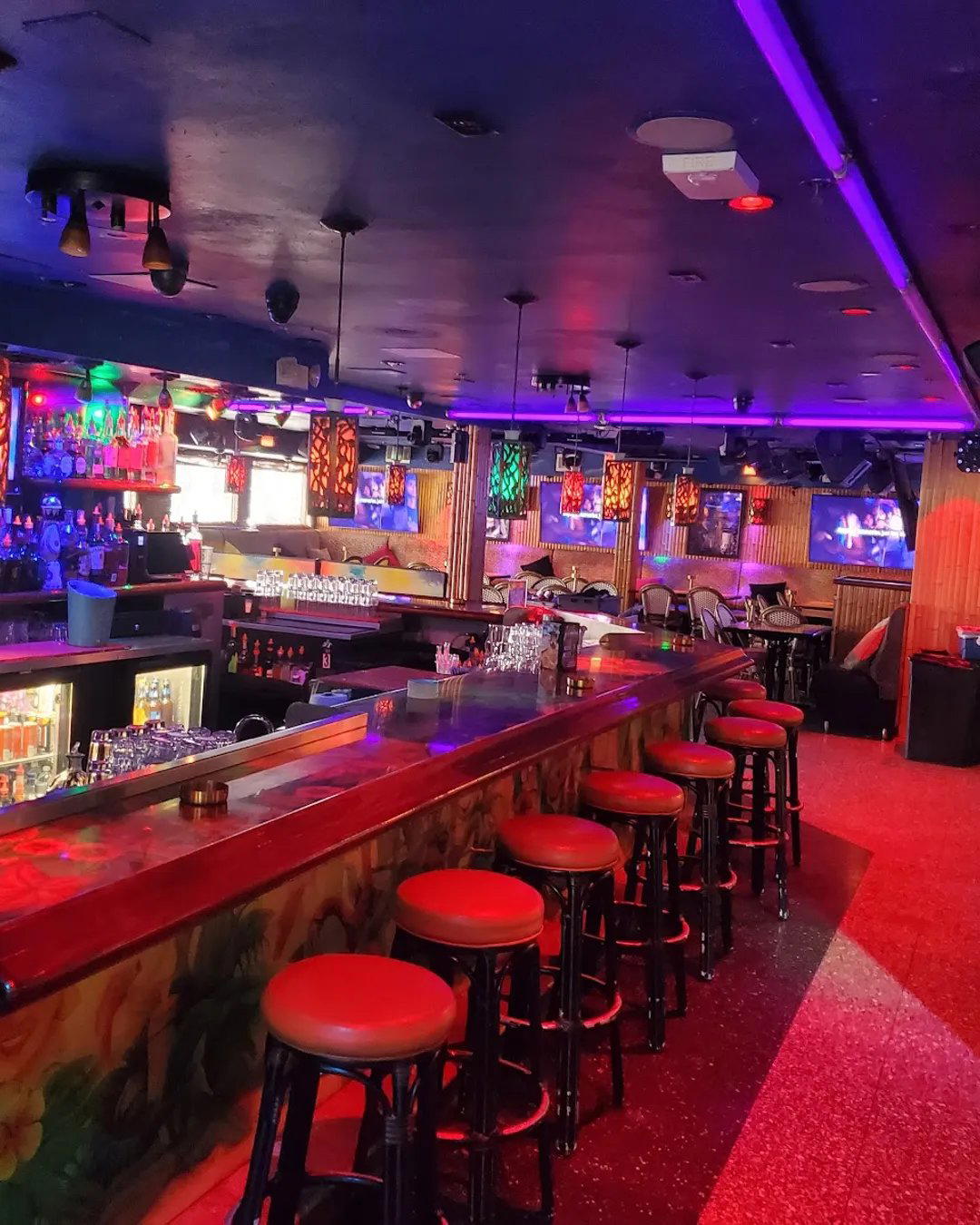
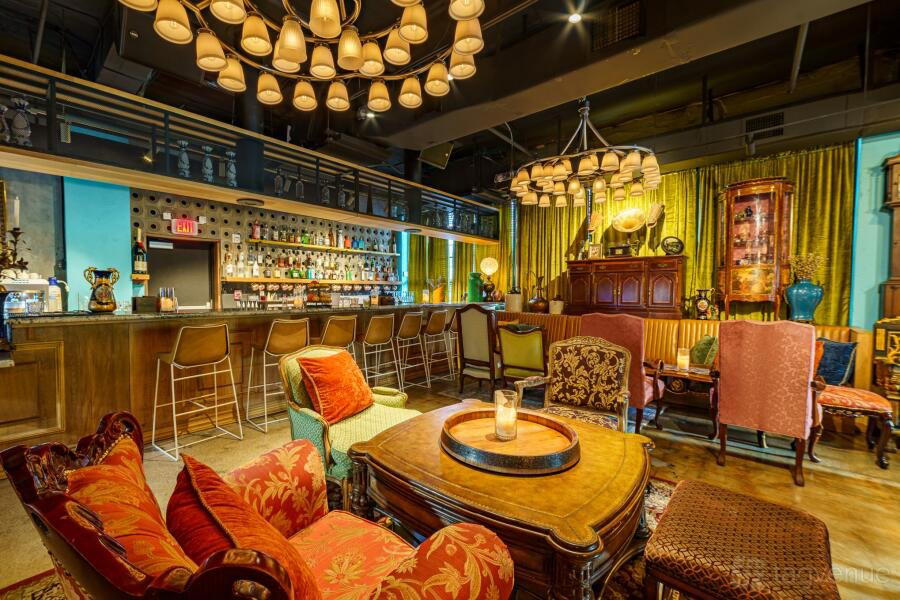
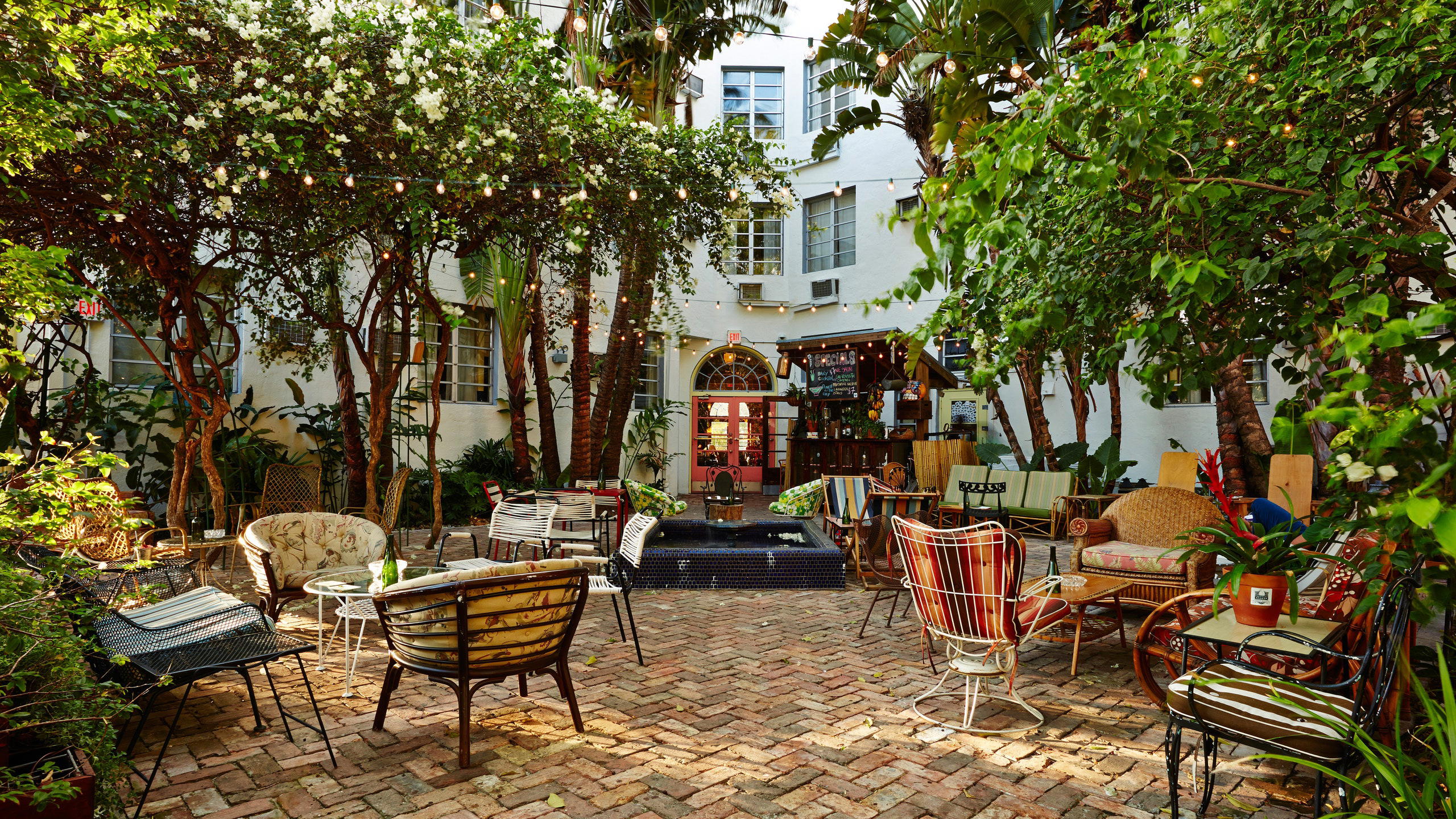
Lively and lively with Spanish decor, tropical ambiance, and energetic street-facing dining under the Miami sky.