Amalia
Amalia occupies a considered position inside the Lennox Hotel on Collins Avenue, where Miami Beach's hotel-dining corridor increasingly favors destination restaurants over afterthought lobbies. The setting signals a quieter register than the strip's louder options, and the address places it within easy reach of the Mid-Beach cultural corridor. For the Collins Ave stretch, it reads as a more deliberate dining choice.
Pearl is the En Primeur Club membership app — saves, bookings, and concierge access live there. Same editors, same standards.
- Address
- Inside Lennox Hotel, 1900 Collins Ave, Miami Beach, FL 33139
- Phone
- +17865830510
- Website
- lennoxmiamibeach.com
- Directions
- Get directions
 Saves & bookings on Pearl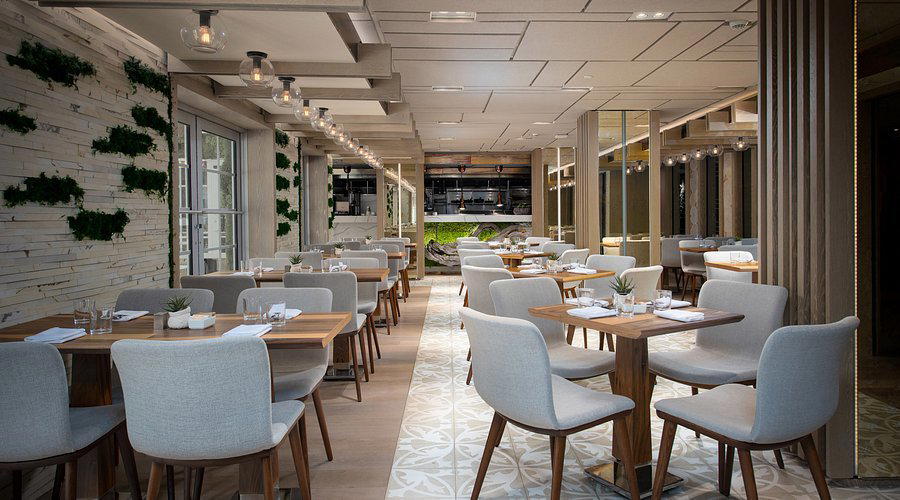
Collins Avenue's Quieter Register
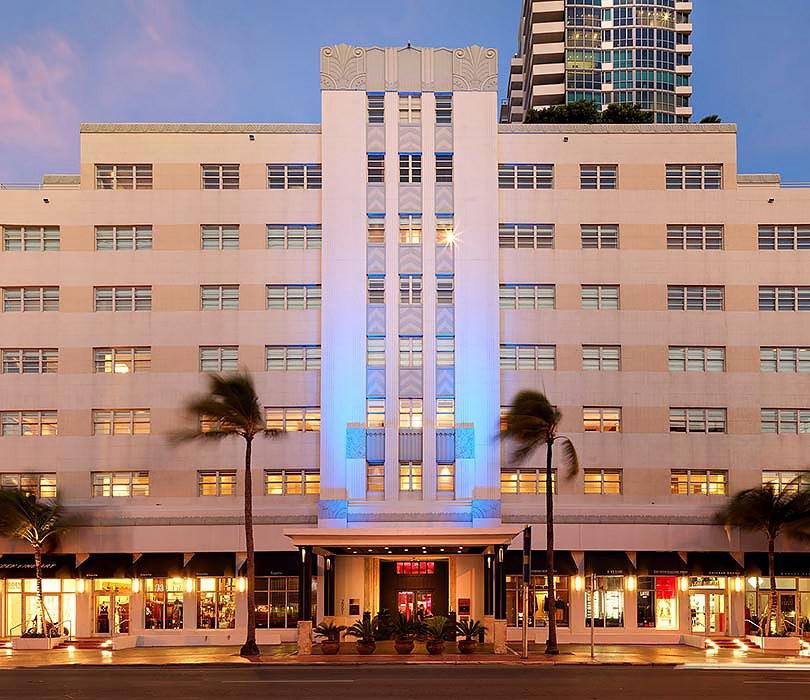
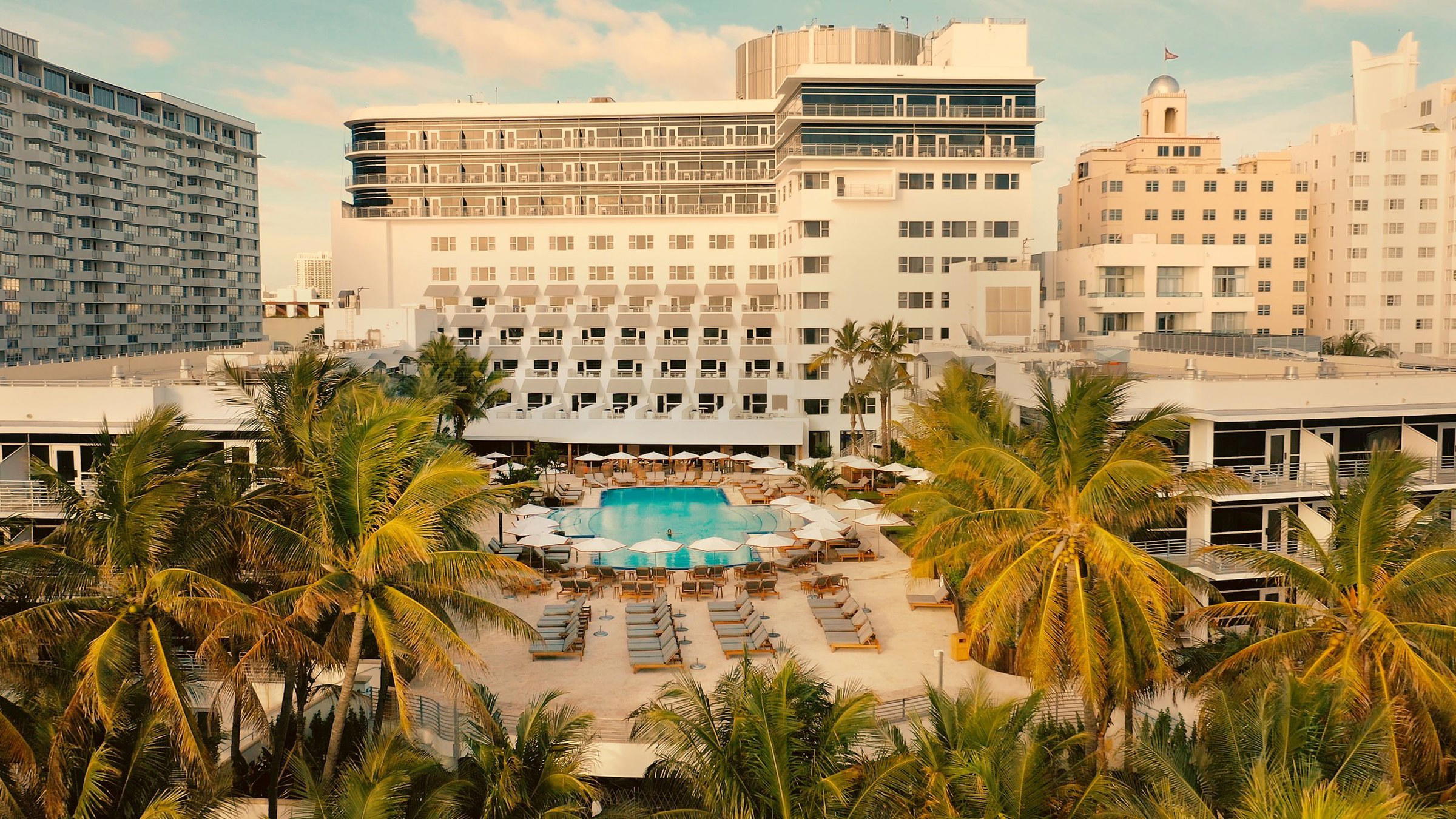
Miami Beach's hotel-dining scene has spent the better part of a decade sorting itself into two distinct tiers. On one side sit the high-decibel rooftop operations and celebrity-chef outposts that treat the room as spectacle and the food as secondary. On the other, a smaller cohort of hotel restaurants has chosen a more calibrated path, where the dining room serves the guest rather than the brand. Amalia, inside the Lennox Hotel at 1900 Collins Ave, belongs to the second category. The Lennox itself occupies a quieter register on the Collins corridor, and the restaurant inherits that temperament. Approaching the hotel, the scale feels deliberately human: no theatrical entrance, no DJ booth visible from the street. The dining room follows that logic inward.
For context on where Amalia sits geographically and in terms of competition, the Collins Avenue stretch between 17th and 21st Streets has become one of the more interesting dining corridors in Miami Beach precisely because it operates a few decibels below South Beach's loudest nodes. Diners who want the address without the scene tend to gravitate here. Amalia benefits from that positioning without having to manufacture it.
The Sustainability Frame in Miami's Hotel Dining
Across American fine dining, the commitment to ethical sourcing has migrated from an optional talking point to a structural expectation. Restaurants at the tier that Amalia's setting implies, hotel properties with serious dining ambitions, are increasingly judged on supply-chain transparency alongside plate quality. The reference points for this shift are well established: Blue Hill at Stone Barns in Tarrytown built its entire identity around farm-to-table provenance, while Single Thread Farm in Healdsburg runs its own farm operation to maintain sourcing control. At the other end of the country, Providence in Los Angeles has made sustainable seafood certification a core part of its public credential stack.
Miami Beach's position as a coastal city makes the sourcing question particularly pointed. Florida's fishing grounds, from the Keys northward, produce grouper, snapper, stone crab, and spiny lobster under regulated fisheries that increasingly carry third-party sustainability assessments. A hotel restaurant on Collins Avenue with serious intentions has access to those supply chains if it chooses to prioritize them. The question for any property in this market is whether sourcing decisions are structural, built into purchasing relationships and menu architecture, or cosmetic, mentioned in passing on printed cards. The broader trend among serious hotel dining operations in American coastal cities has moved firmly toward the former.
The waste-reduction dimension is equally relevant in this context. Hotel restaurants face a specific operational pressure: they run breakfast, lunch, and dinner services across a broader daypart range than standalone restaurants, which creates more opportunity for ingredient overlap, cross-utilization, and waste if the kitchen isn't disciplined. The properties that have distinguished themselves in the sustainability conversation, including Smyth in Chicago and Addison in San Diego, treat the full-day kitchen as an asset for ingredient longevity rather than a liability. Florida's heat and the logistical realities of island supply chains make this discipline even more consequential in Miami Beach than it might be in a continental market.
Where Amalia Sits in the Miami Beach Context
Miami Beach's restaurant scene is denser and more internationally referenced than its reputation for nightlife sometimes suggests. The Mid-Beach corridor, where Amalia operates, includes a range of formats from the long-running 11th Street Diner to the more polished A Fish Called Avalon on the oceanside strip. French cafe format is represented by A La Folie, while Italian-leaning waterfront dining shows up at a'Riva. Cuban-rooted cooking has its own presence through Alma Cubana. Amalia's hotel address gives it a different kind of footprint than any of these, with a captive audience of hotel guests and a positioning that tilts toward travelers who want something more considered than the nearest Ocean Drive terrace.
Nationally, the hotel-restaurant format that Amalia represents has some strong reference points. The Inn at Little Washington and Le Bernardin in New York City sit at different points on the formality spectrum but share the principle that a hotel or restaurant's physical address should not determine its culinary ceiling. Lazy Bear in San Francisco and Atomix in New York City represent the chef-driven counter format that has emerged as a high-credibility alternative to traditional hotel dining. Emeril's in New Orleans and The French Laundry in Napa remain the longer-established anchors for what serious American restaurant ambition looks like across different market sizes. Where Amalia lands within its own peer tier in Miami Beach will depend on the sourcing, kitchen, and service decisions that the Lennox's management has made for it.
For a broader map of where Amalia fits among Miami Beach's dining options, the full Miami Beach restaurants guide covers the range from casual to formal across the city's distinct neighborhoods. The European alpine reference point, for readers interested in how sustainability framing operates at the furthest edge of fine dining ambition, is Atelier Moessmer Norbert Niederkofler in Brunico, where the sourcing philosophy is structural to the point of defining the menu's geographical limits.
Planning a Visit
Amalia is located inside the Lennox Hotel at 1900 Collins Ave, Miami Beach, FL 33139. Hotel restaurants in this address bracket on Collins Avenue typically accept walk-ins during off-peak periods, though weekend evenings on the beach tend to draw enough hotel guests to fill a dining room without any external marketing effort. Visiting earlier in the week or earlier in the evening service window generally gives more flexibility. Miami Beach's seasonal rhythm runs toward its busiest from December through April, when the combination of Art Basel-adjacent events and winter migration from the Northeast compresses availability across the Mid-Beach corridor.
Continue exploring
More in Miami Beach
Restaurants in Miami Beach
Browse all →
Bars in Miami Beach
Browse all →
At a Glance
- Elegant
- Modern
- Cozy
- Intimate
- Date Night
- Brunch
- Business Dinner
- Group Dining
- Open Kitchen
- Live Music
- Terrace
- Hotel Restaurant
- Craft Cocktails
Current opening hours
- Monday
- 7–11:30 AM, 12:30–3:30 PM
- Tuesday
- 7–11:30 AM, 12:30–3:30 PM, 6:30–10 PM
- Wednesday
- 7–11:30 AM, 12:30–3:30 PM, 6:30–10 PM
- Thursday
- 7–11:30 AM, 12:30–3:30 PM, 6:30–10 PM
- Friday
- 7–11:30 AM, 12:30–3:30 PM, 6:30–11 PM
- Saturday
- 7–11:30 AM, 12:30–3:30 PM, 6:30–11 PM
- Sunday
- 7–11:30 AM, 12–2:30 PM
Hours can change for holidays and private events. Last verified .
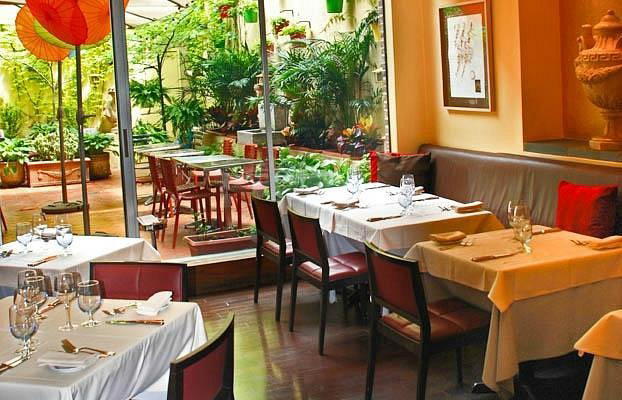
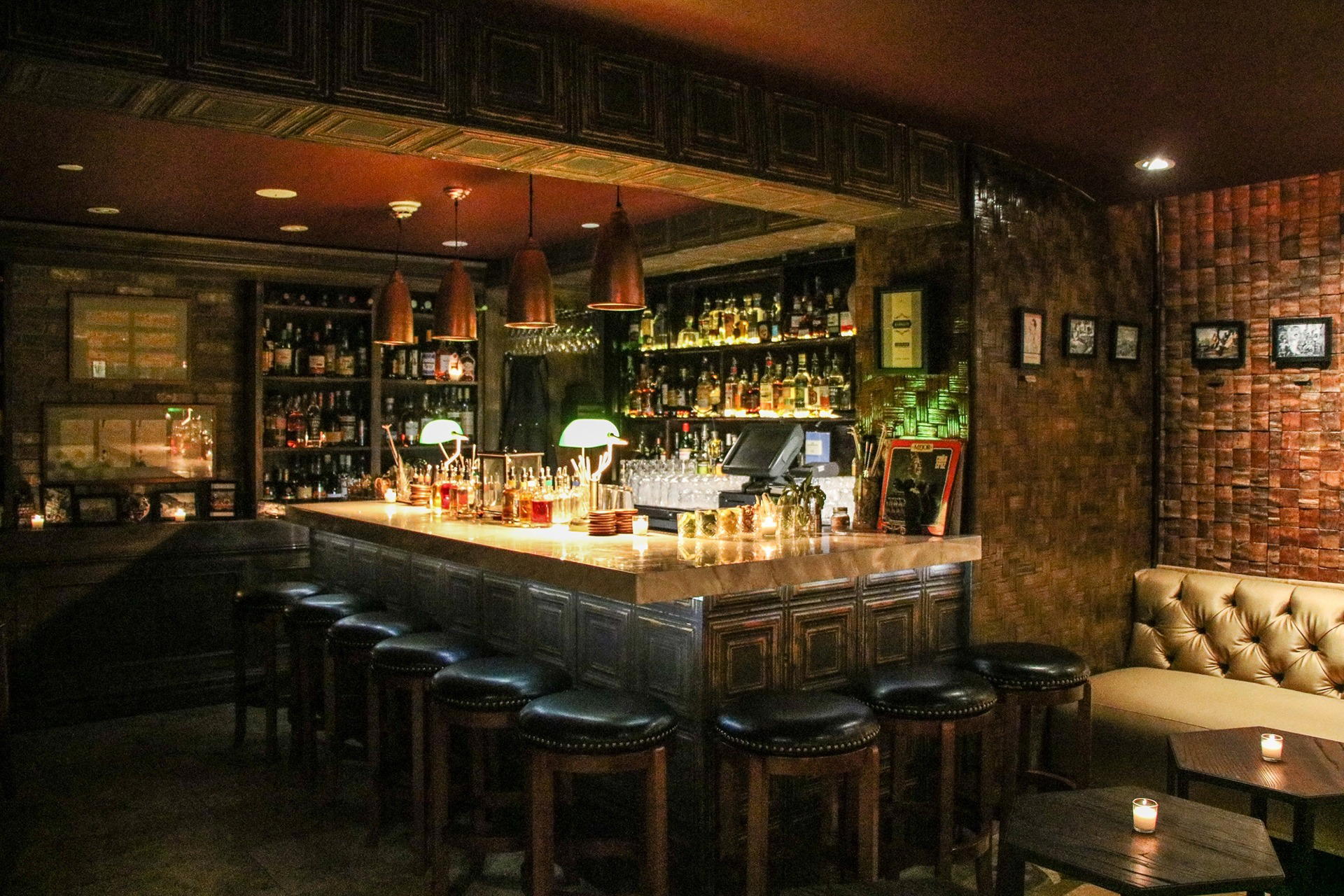
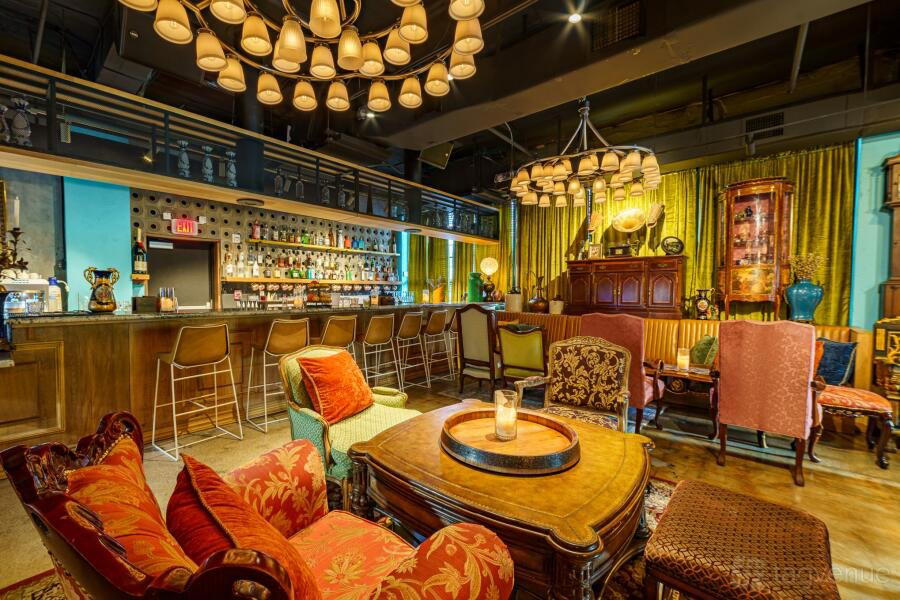
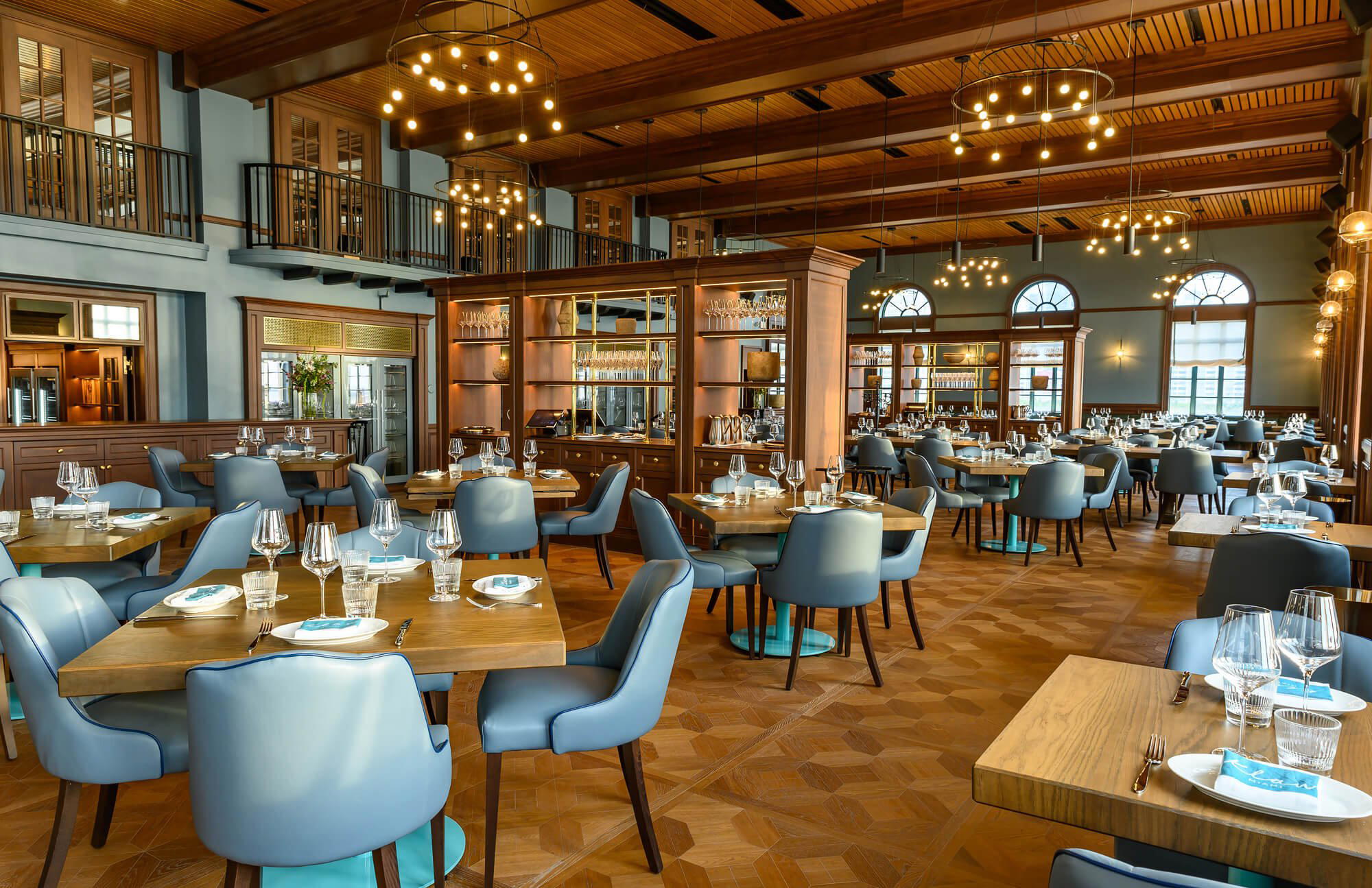
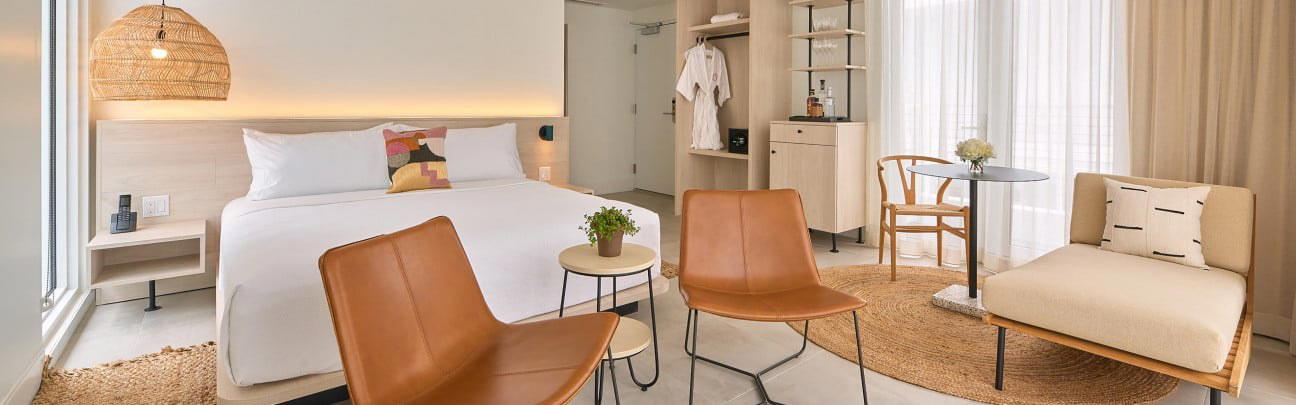
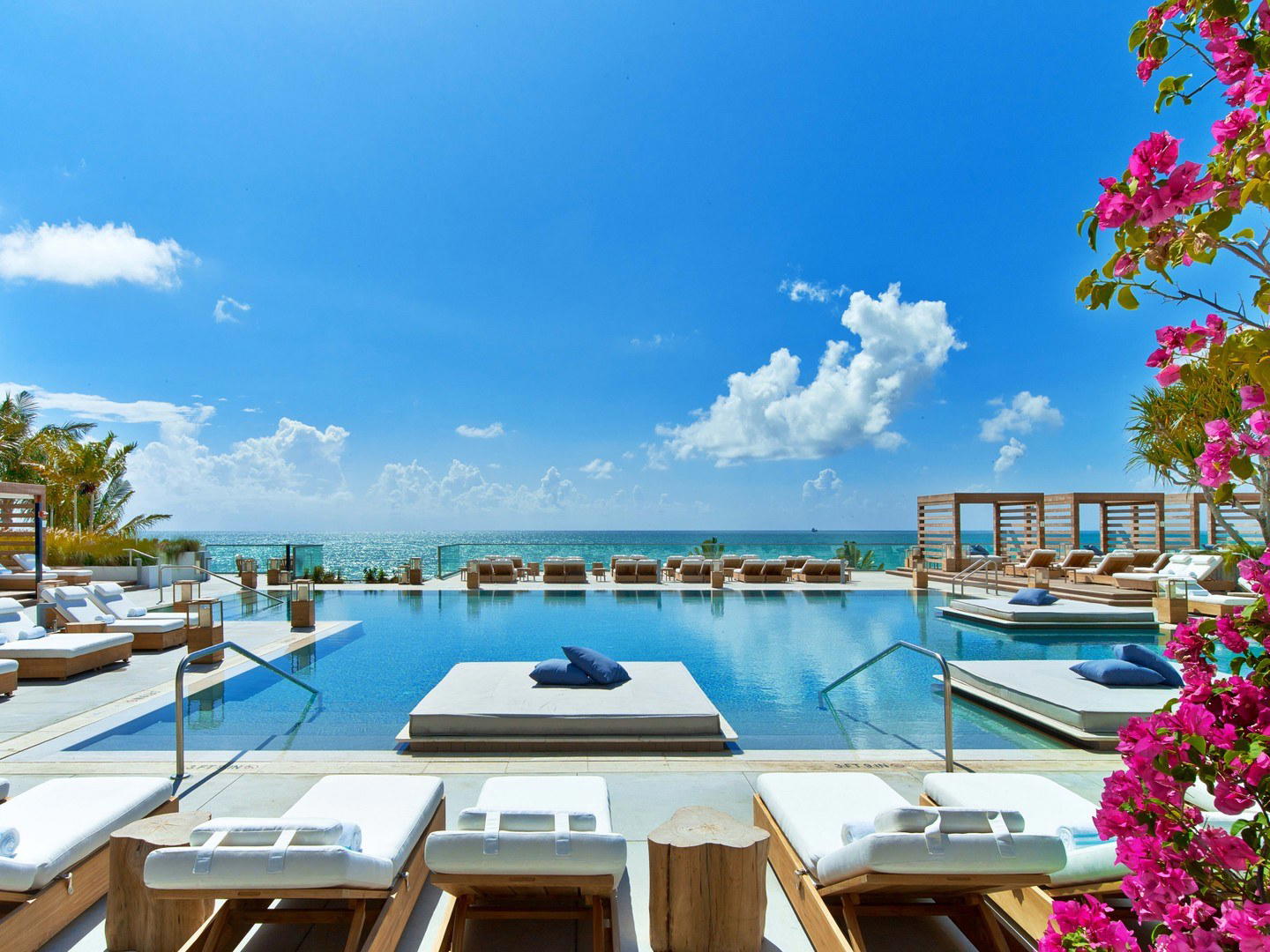
Beautifully appointed with tropical floral decor, lush greenery, open kitchen, and calm serene atmosphere enhanced by live music on weekends.
Know Before You Go
- Getting there
- Inside Lennox Hotel, 1900 Collins Ave, Miami Beach, FL 33139