
Chandigarh Café sits on Av. d'Esplugues in the Les Corts district of Barcelona, occupying a quieter residential pocket removed from the city's high-profile dining corridors. The venue's position in one of Barcelona's more understated neighbourhoods places it within a different register than the creative tasting-menu circuit, making it a useful reference point for the city's broader café and informal dining culture.
Pearl is the En Primeur Club membership app — saves, bookings, and concierge access live there. Same editors, same standards.
- Address
- Av. d'Esplugues, 105, Les Corts, 08034 Barcelona, Spain
- Phone
- +34932656005
- Website
- chandigarh.cafe
- Directions
- Get directions
 Saves & bookings on Pearl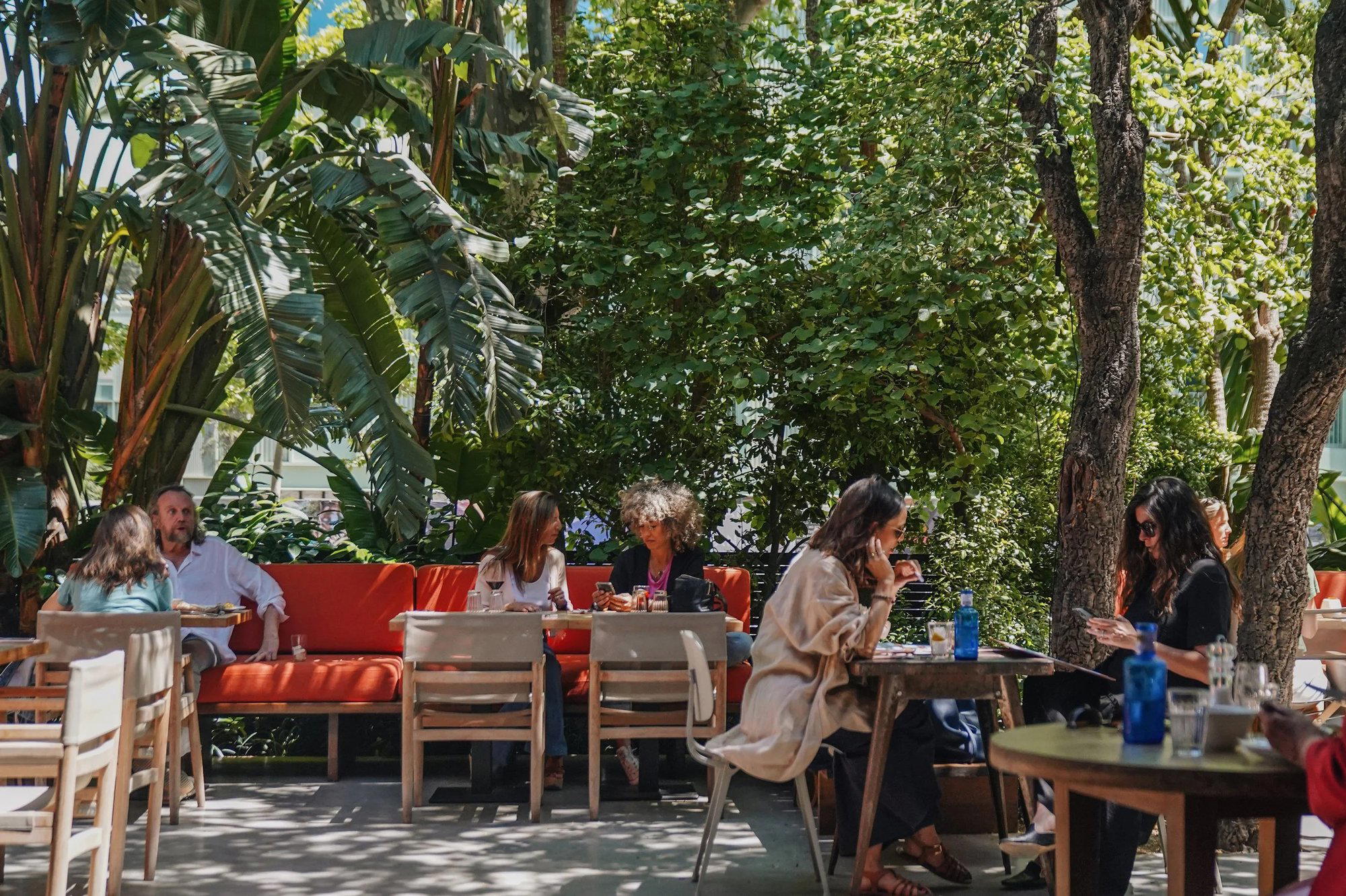
Les Corts and the Café Tier Barcelona Rarely Exports
Barcelona's dining conversation is dominated by the creative tasting-menu circuit: the three-Michelin-star counters in Eixample, the avant-garde formats around Poble Sec, the long-standing Catalan institutions that attract international press. Venues like Disfrutar (Progressive, Creative), Cocina Hermanos Torres (Creative), and Lasarte (Progressive Spanish, Creative) define the ceiling of that conversation internationally. Below that ceiling sits a dense stratum of neighbourhood cafés and informal dining rooms that serve the city's residents on a daily basis. These are the spaces where Barcelona actually eats, for Tuesday lunch, weekend breakfast, and a quiet coffee before the metro.
Chandigarh Café occupies this register. Located at Av. d'Esplugues, 105 in Les Corts, it sits in a primarily residential district on the western edge of the city, well outside the tourist drag of Gràcia or the design-hotel density of Eixample. Les Corts is a neighbourhood of apartment blocks, local markets, and the kind of long-standing commercial streets that guidebooks rarely map.
What the Address Signals
In Barcelona, as in most large cities, address is editorial. The Eixample grid signals ambition and price; Poble Sec signals creative programming aimed at a younger, often international audience; the waterfront signals tourism-first operations where the view does the heavy lifting. Les Corts signals something different: a local constituency, moderate pricing expectations, and a format designed for repeat visits rather than special occasions.
Av. d'Esplugues itself runs along the southern edge of the district toward Esplugues de Llobregat, passing through a stretch of residential and light commercial fabric. It is not a dining destination street in the way that Carrer de Muntaner or Passeig de Gràcia are, which means venues here operate on neighbourhood loyalty rather than footfall.
Unlike ABaC (Creative) or Enigma (Creative), where the reservation list and the prix-fixe format pre-select a particular guest profile, neighbourhood cafés like Chandigarh operate on a drop-in logic. The social contract is different: shorter visits, faster turnover, a menu that changes less dramatically but maintains consistency.
The Wine Question in Barcelona's Informal Tier
Barcelona's fine-dining venues have invested heavily in cellar depth over the past decade. Restaurants operating at the level of El Celler de Can Roca in Girona or Atrio in Cáceres maintain cellars that are effectively the point of the visit for a segment of their clientele. Spain's broader wine geography, Rioja, Ribera del Duero, Priorat, Galicia's Rías Baixas, the lesser-known Empordà producers near the French border, gives serious operations extraordinary material to work with.
The neighbourhood café tier rarely engages that material at the same depth. Curation in this segment typically means a short list of house pours, a Catalan red and white, a cava option, and a handful of bottles from recognisable appellations. Sommelier expertise, in the sense that applies at Quique Dacosta in Dénia or Mugaritz in Errenteria, does not translate to this format. What matters instead is reliable quality at accessible price points and a by-the-glass programme that pairs naturally with whatever the kitchen is running that day.
For visitors interested in wine as a primary lens for their Barcelona experience, the formal restaurant tier is the more productive destination. The informal café circuit, Chandigarh included, serves a different function: it provides the grounding and the local texture that makes the formal tasting-menu experiences legible by contrast. You need to know what the city eats ordinarily to understand why the creative tasting counter at Cocina Hermanos Torres or Disfrutar represents a departure from it.
Barcelona's Café Culture in European Context
Spain's café tradition is distinct from the French or Italian models that most international visitors arrive expecting. The Spanish café is a multi-function space: breakfast counter, midday lunch room, afternoon coffee stop, and early evening aperitivo point, often operating across all those roles without significant change in format. The menú del día, a fixed-price lunch of two or three courses with a drink, offered on weekdays, is the institutional mechanism through which neighbourhood cafés maintain their local base. It is one of the more durable examples of subsidised sociability in European urban life, priced to compete with cooking at home.
Les Corts, as a residential district without a dominant tourist economy, supports this model naturally. The catchment is local workers, residents, and the university population from the nearby campus area. A café at this address is structurally oriented toward that constituency. International dining circuits, including the Spanish creative-cooking tradition that runs through Arzak in San Sebastián, Azurmendi in Larrabetzu, Martin Berasategui in Lasarte-Oria, Aponiente in El Puerto de Santa María, and DiverXO in Madrid, sit in a completely separate register, priced and formatted for a different audience entirely.
Visitors who arrive in Barcelona with a programme built around creative tasting menus should also build in one or two sessions in the neighbourhood café tier, not as research but as orientation. The café is where Catalan food culture expresses itself without performance. Dishes that appear in refined form at Ricard Camarena in València or at comparable Barcelona venues often trace their references back to exactly this kind of unpretentious neighbourhood cooking.
Le Bernardin in New York City and Lazy Bear in San Francisco, both of which sit in cities where the formal-informal divide in dining carries similar weight.
Budget and Context
Comparable venues nearby, for context on price, style, and recognition.
| Venue | Cuisine | Price | Notes |
|---|---|---|---|
| Chandigarh CaféThis venue — the venue you are viewing | Not listed | $$ | Not listed |
| Fragments | les Corts, Mediterranean Tapas | $$ | Not listed |
| Restaurante Seventeen | Not listed | $$ | la Dreta de l'Eixample, Mediterranean and Catalan Fusion |
| La Flor de Barcelona Restaurant | Not listed | $$ | el Putxet i el Farro, Traditional Mediterranean |
| Donzell | Not listed | $$ | el Poblenou, Authentic Catalan with Creative Touches |
| Ultramarins Riera | Sants, Creative Mediterranean Bistro | $$ | Not listed |
Recognition history
Dated appearances from independent guides and award organizations, with the underlying list record or original source where available.
Macarfi 7.2 Food Rating
Macarfi
Continue exploring
More in Barcelona
Restaurants in Barcelona
Browse all →
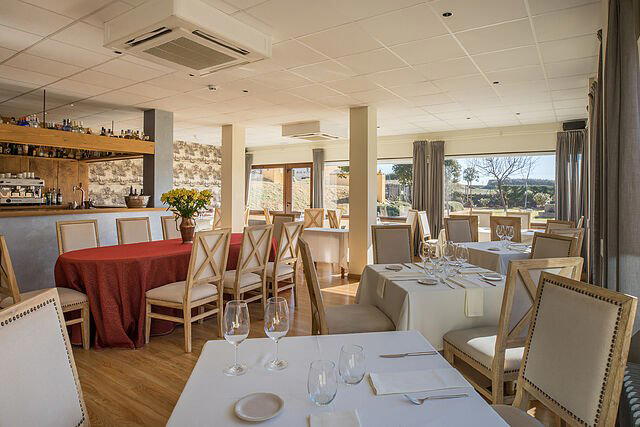
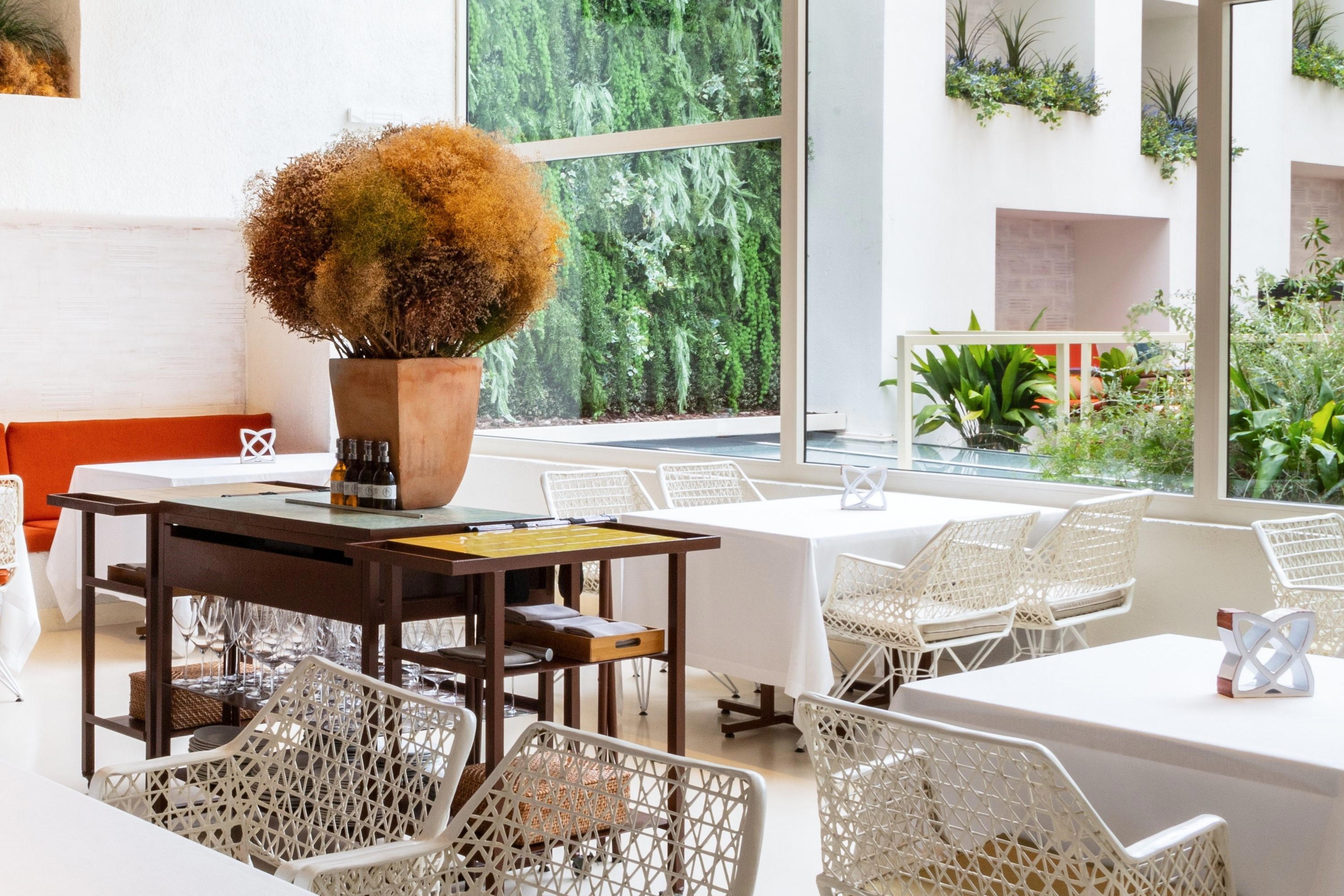
Bars in Barcelona
Browse all →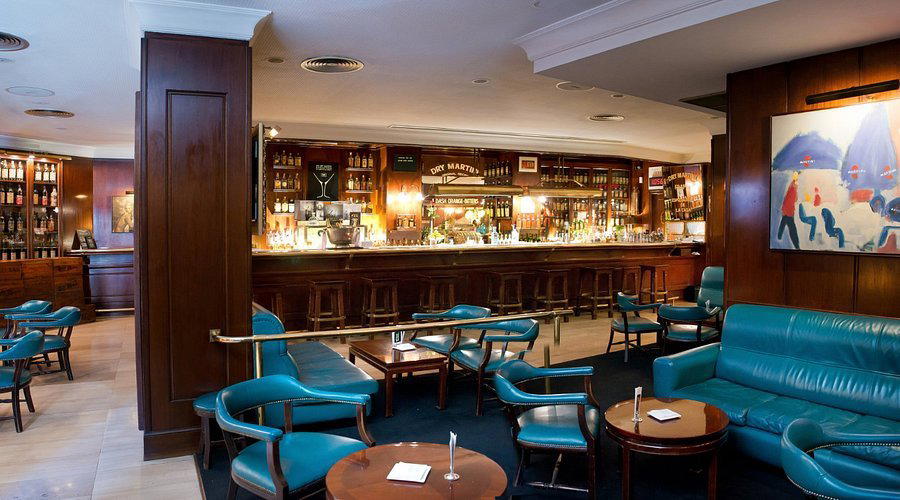
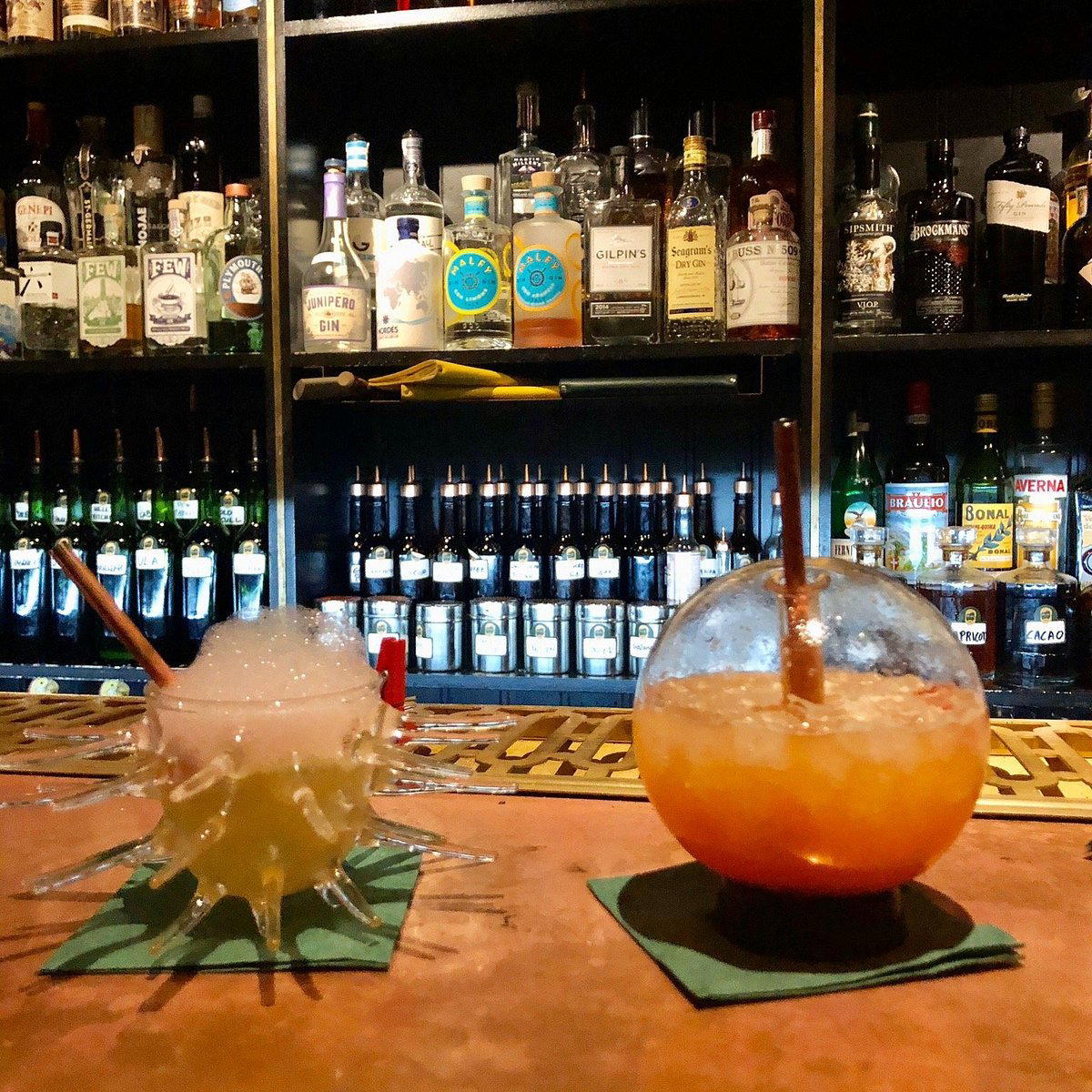
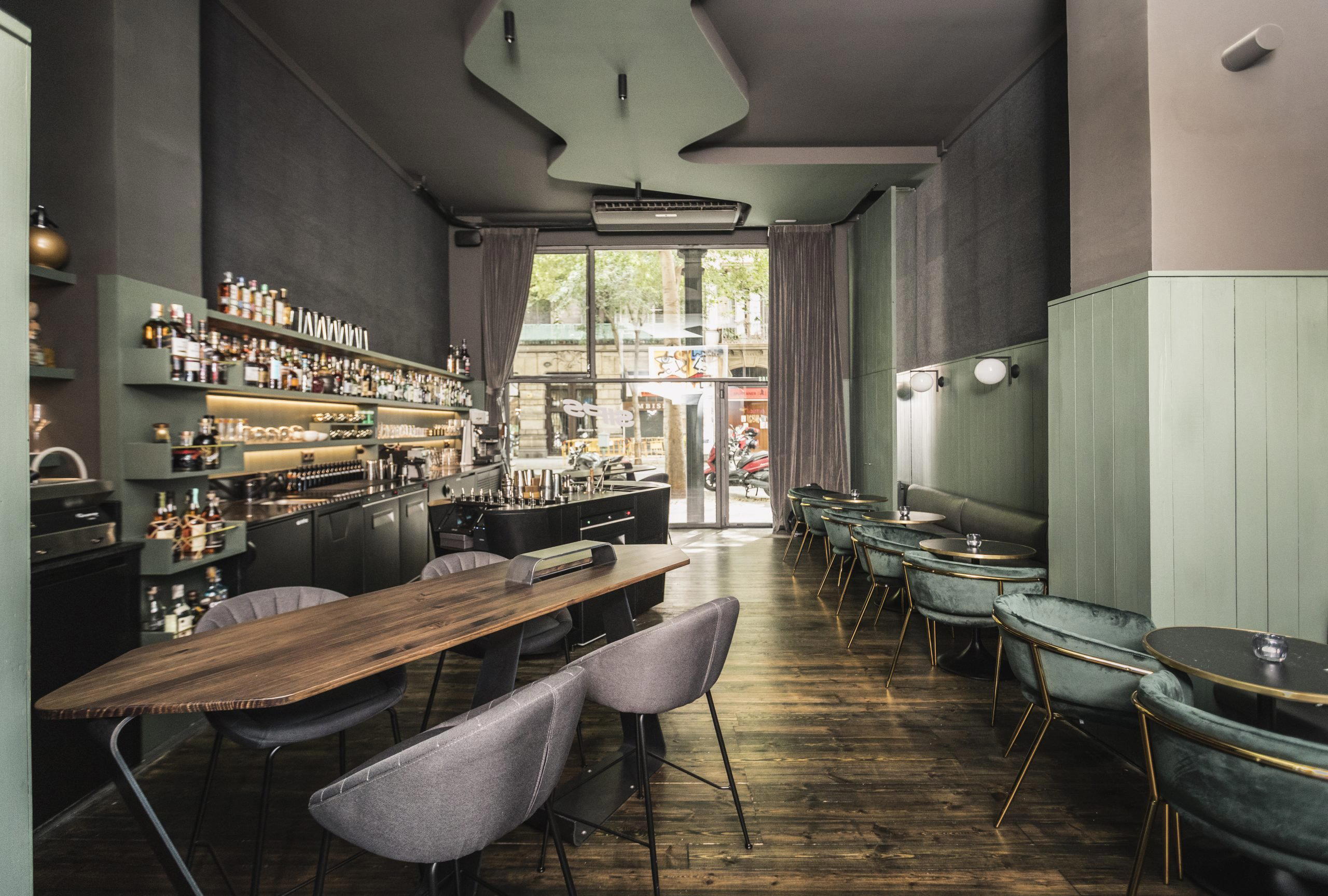
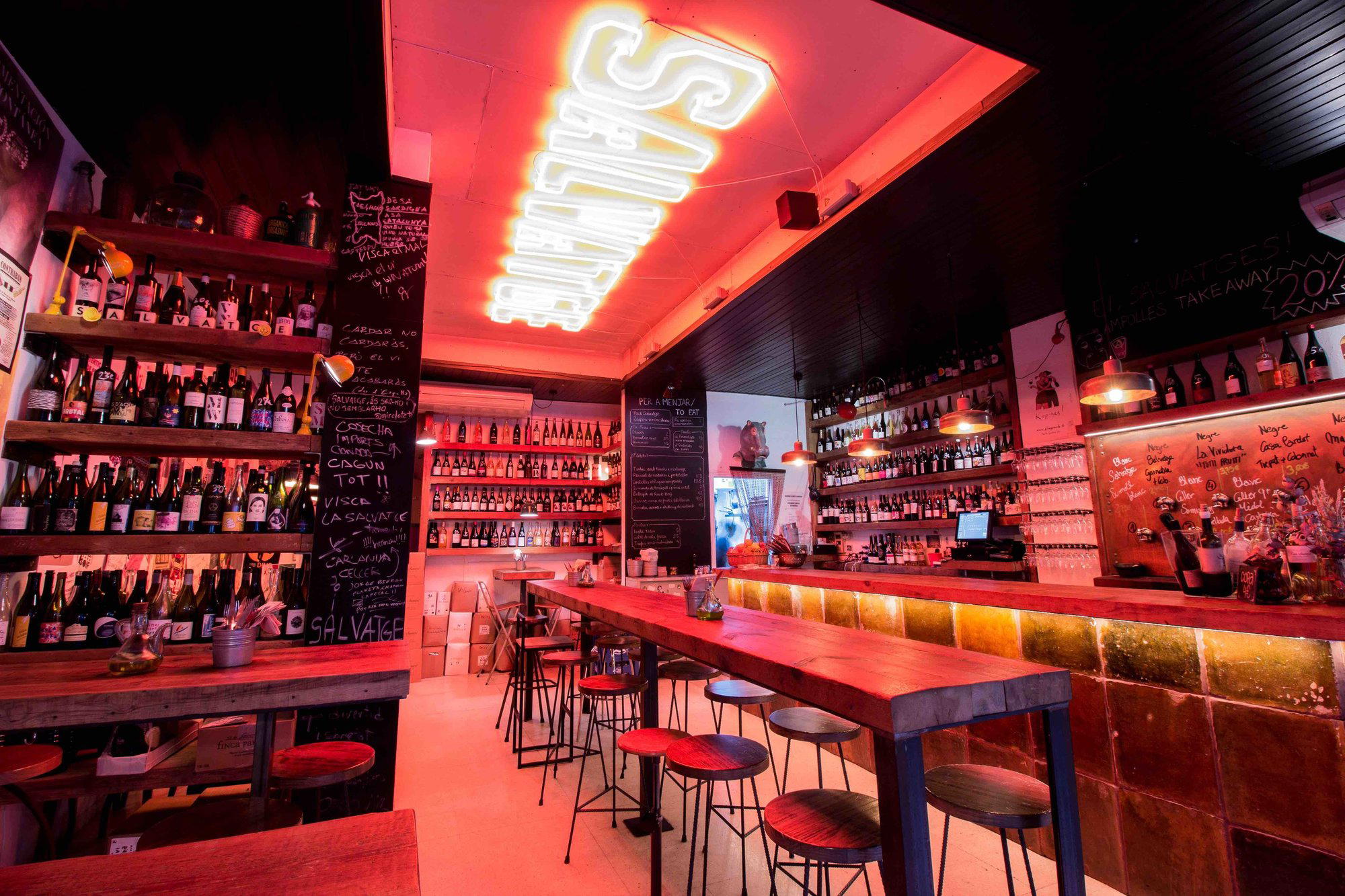
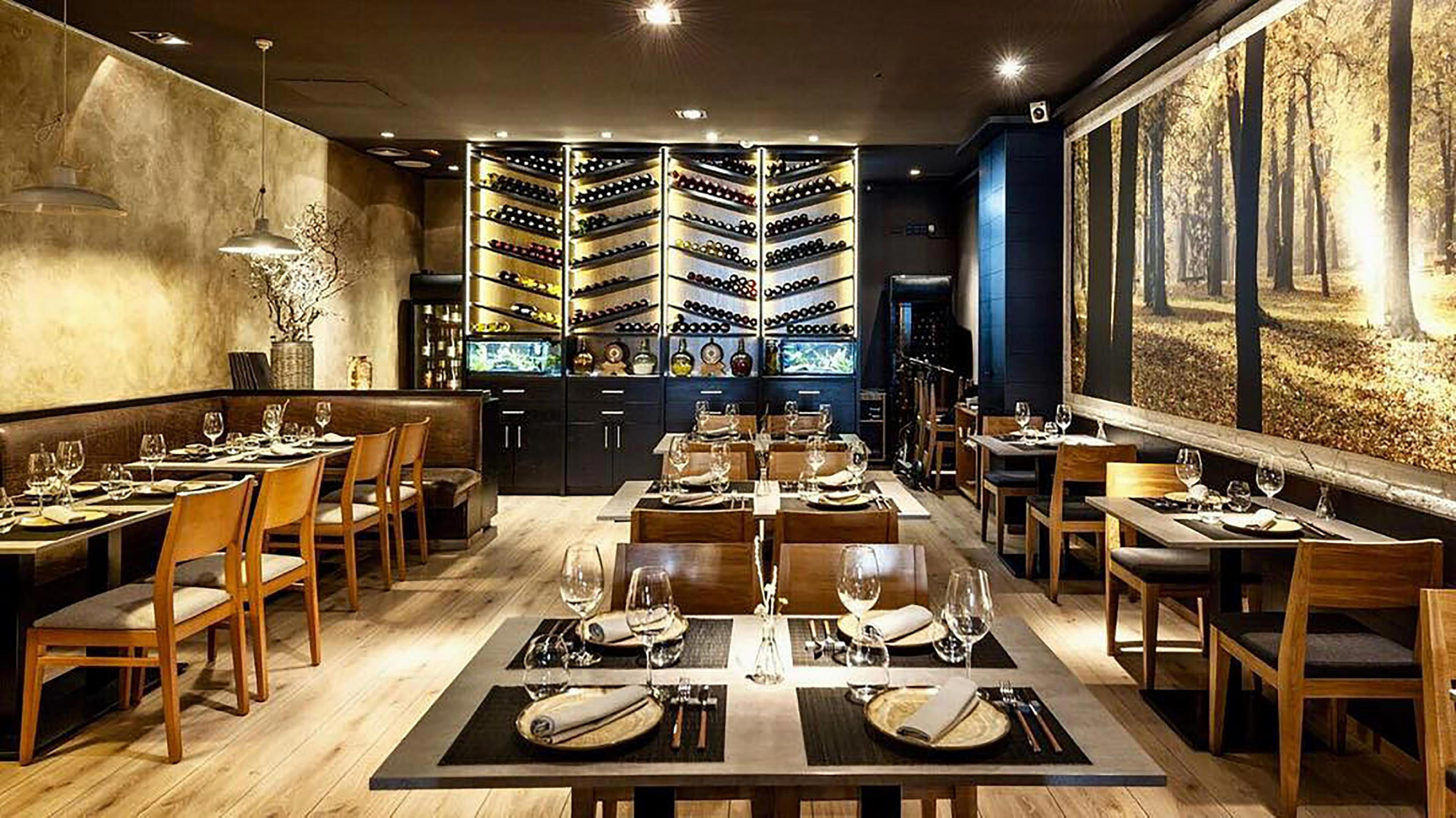
Hotels in Barcelona
Browse all →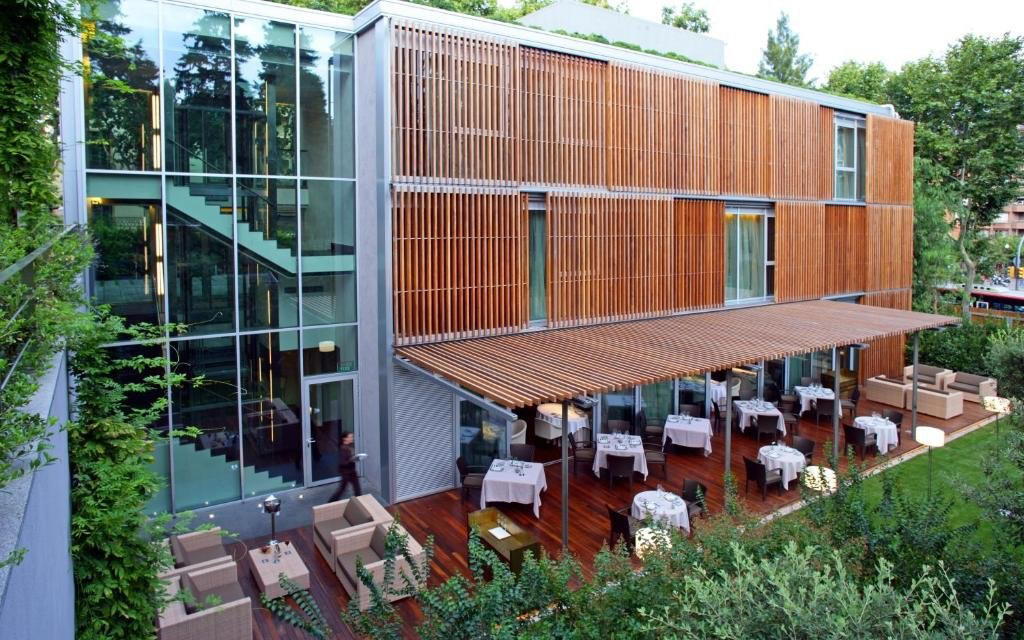
At a Glance
- Modern
- Cozy
- Trendy
- Casual Hangout
- Family
- Business Dinner
- Terrace
- Garden
- Local Sourcing
- Garden
Current opening hours
- Monday
- Closed
- Tuesday
- 1 PM–12 AM
- Wednesday
- 1 PM–12 AM
- Thursday
- 1 PM–12 AM
- Friday
- 1–5 PM
- Saturday
- 1 PM–12 AM
- Sunday
- 12:30–5 PM
Hours can change for holidays and private events. Last verified .
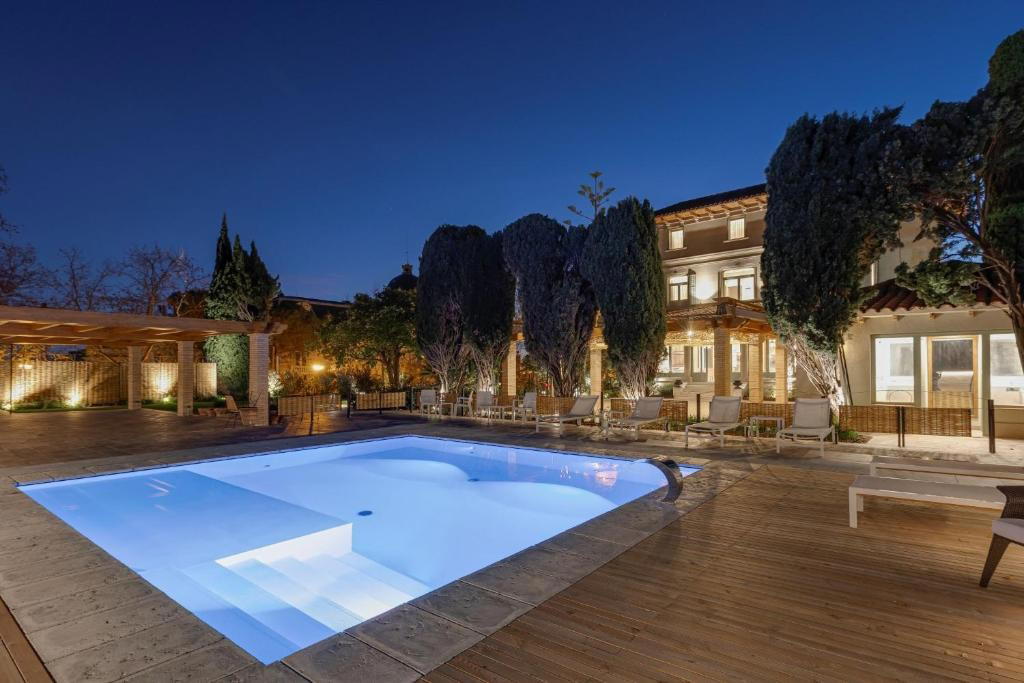
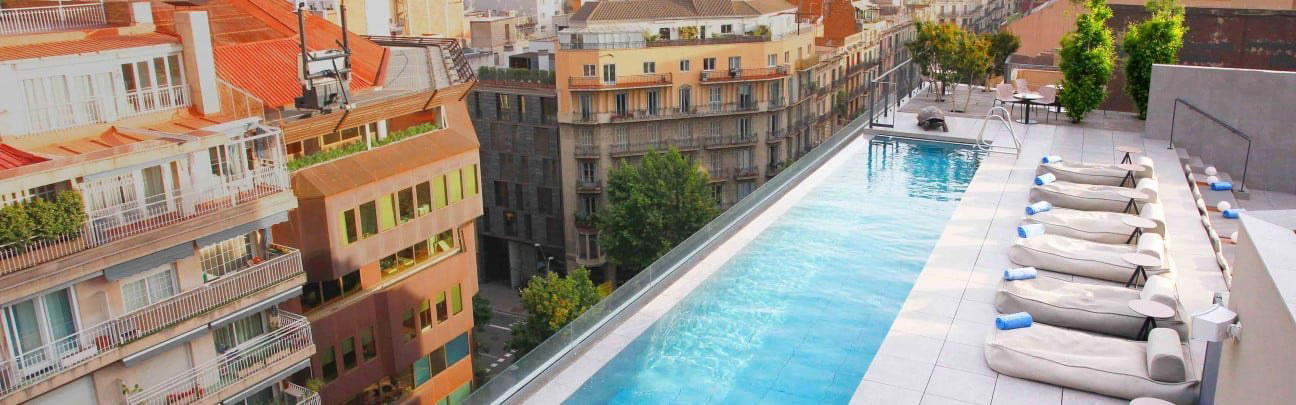
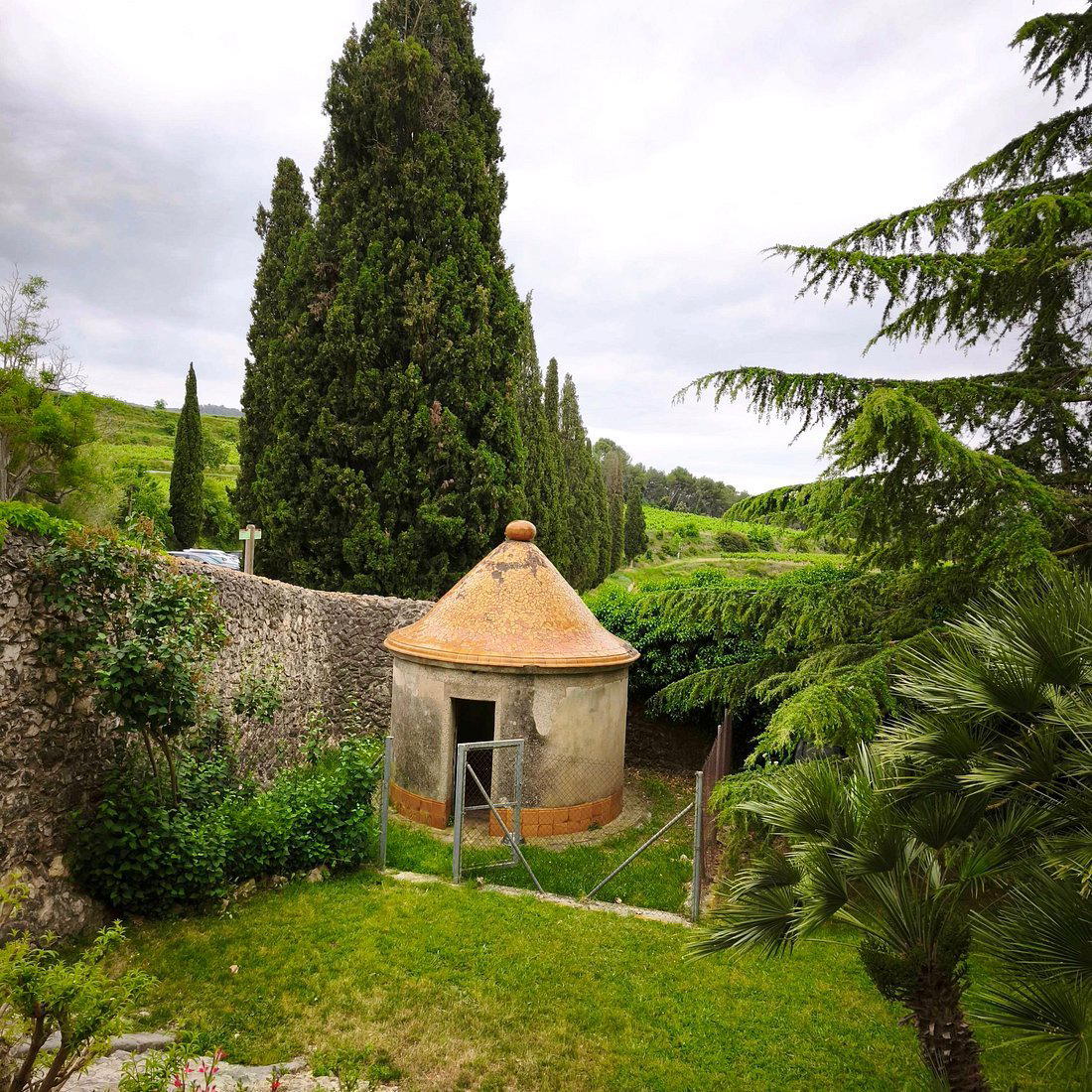
Modern and fashionable atmosphere with charm, pleasant interior, fantastic terrace featuring brightly-coloured comfy sofas, lots of plants, and good music.