Sumibi Gandaria brings the precision of Japanese charcoal grilling to South Jakarta's Gandaria neighbourhood, operating from a ground-floor address inside One Park Residence. The format draws a loyal local following that returns for the controlled heat and smoke of sumibi-style cooking rather than novelty. For those working through Jakarta's grilling options, it sits in a distinct register from the city's mainstream barbecue circuit.
Pearl is the En Primeur Club membership app — saves, bookings, and concierge access live there. Same editors, same standards.
- Address
- One Park Residence, Jl. KH. Moh. Syafi'i Hadzami No.1 Lt. GF 1, RT.1/RW.10, Gandaria Utara, Kec. Kebayoran Lama, Kota Jakarta Selatan, Daerah Khusus Ibukota Jakarta 12240, Indonesia
- Phone
- +6281283571074
- Website
- astowa.net
- Directions
- Get directions
 Saves & bookings on Pearl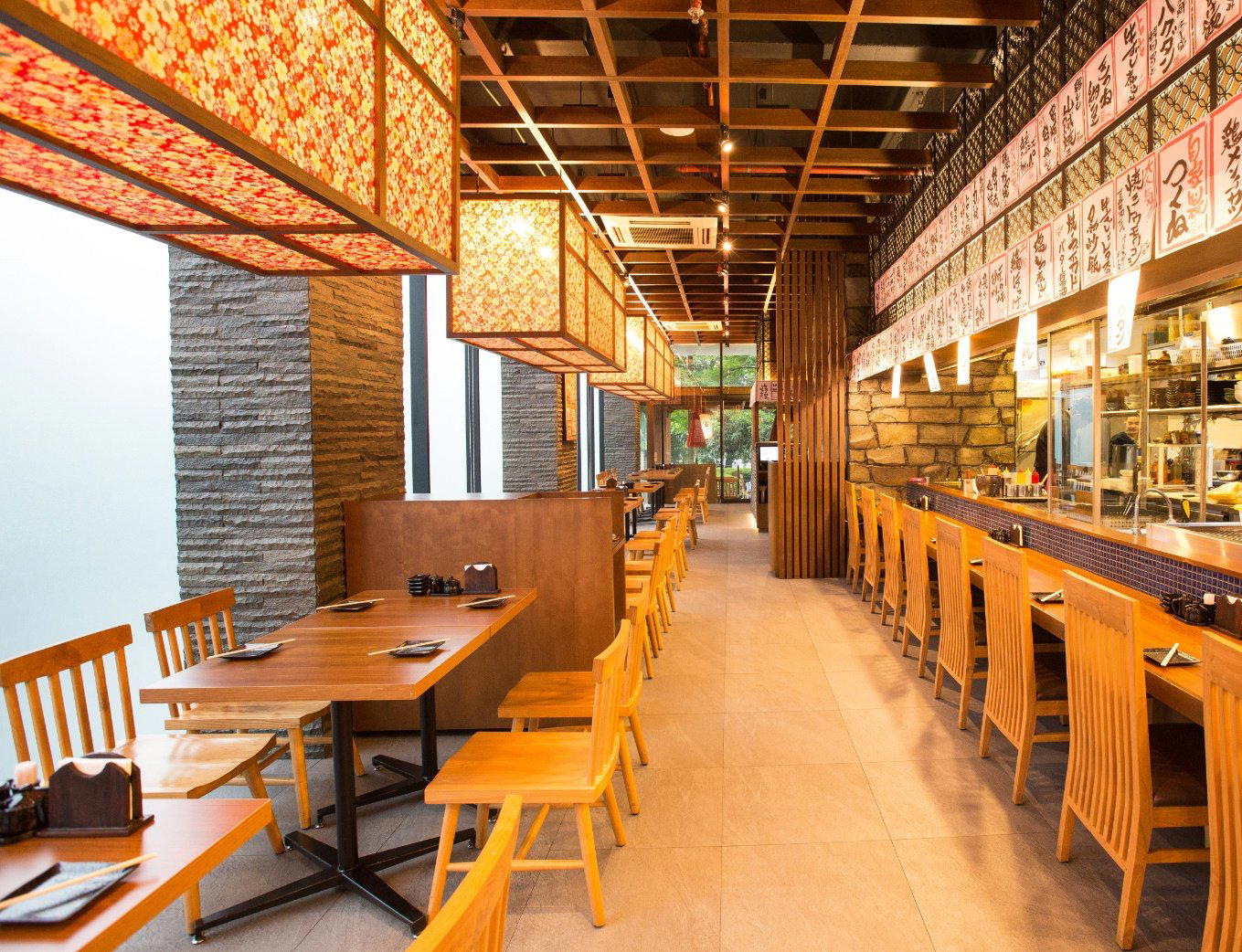
Smoke and Precision in South Jakarta
The Gandaria district of Kebayoran Lama sits at a remove from the more internationally trafficked dining corridors of Senayan and Sudirman. That positioning is not incidental. Restaurants that build a loyal, returning clientele in this part of South Jakarta tend to do so without the foot traffic cushion that a mall address or central business district location provides. They earn repeat visits on cooking merit, which makes the regulars at any Gandaria table a more deliberate audience than the lunch-crowd tourist.
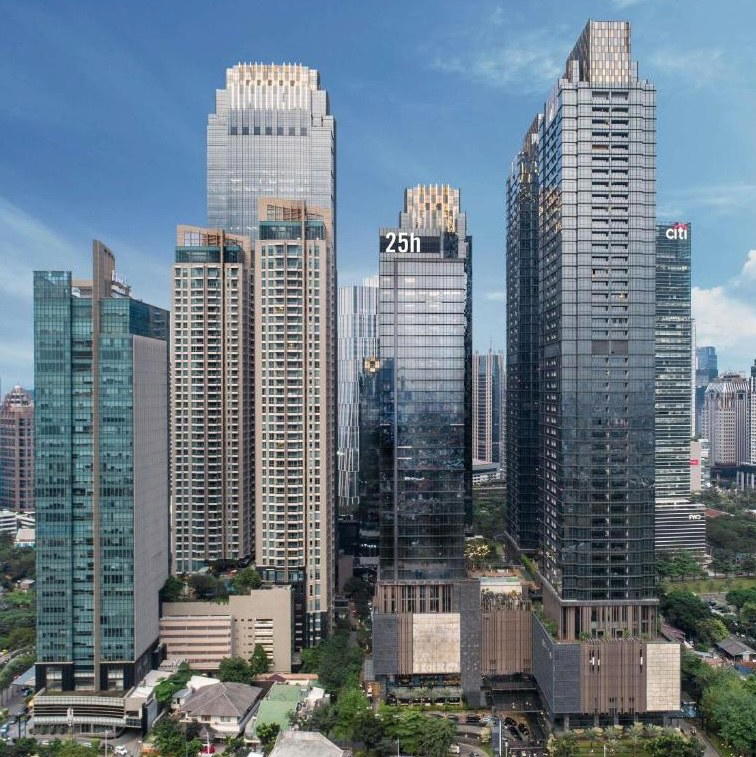
Sumibi Gandaria occupies a ground-floor space inside One Park Residence on Jl. KH. Moh. Syafi'i Hadzami, a residential-commercial development that keeps the dining room tethered to a neighbourhood rhythm rather than a visitor circuit. The format centres on sumibi, the Japanese method of cooking over high-quality charcoal, binchotan in its most disciplined form, that produces a radiant, low-smoke heat distinct from gas grilling or open-fire techniques. In Jakarta, where Japanese culinary influence has layered steadily across the city's dining culture over several decades, sumibi-style cooking has moved from specialist novelty to a recognised category with its own regulars and expectations.
What Keeps the Regulars Coming Back
The sumibi format is one that rewards familiarity. First-time visitors often focus on the surface drama of charcoal and flame; the people who return know to focus on temperature control and timing. The difference between a well-managed sumibi counter and a mediocre one is invisible on the plate but legible in every bite: fat rendered at the right rate, proteins held at the correct resting point, the faint smokiness that lingers without overwhelming. These are technical achievements, not theatrical ones, and they explain why the regulars at sumibi restaurants in Jakarta and Tokyo alike tend to be precise in their preferences, returning for specific items, at specific points in the cooking cycle, often at specific times of week.
Gandaria Utara is a residential area, which shapes the dining room's character more than any design decision. The clientele here skews toward people who live or work close by and have incorporated the restaurant into a weekly rhythm rather than a special-occasion calendar. That dynamic produces a different kind of loyalty than the destination-restaurant model: quieter, more consistent, less dependent on the next press mention. For reference, Jakarta's broader high-end dining circuit, venues like August or Bistecca in the more central corridors, operates on a different social logic, where the occasion and the address are as much the draw as the food itself. Sumibi Gandaria occupies a quieter register, which is precisely the register that neighbourhood regulars prefer.
Sumibi Cooking in Jakarta's Broader Grilling Scene
Jakarta's appetite for grilled and charcoal-cooked protein is deep and well-documented. The city's own tradition of sate and arang-grilled dishes provides a native reference point against which Japanese charcoal techniques have been measured and adopted. The result, over the past decade, is a category of Jakarta restaurants that borrow sumibi discipline while adapting to local ingredient availability and palate preferences. It is a different trajectory from, say, the yakitori bars of Tokyo's Yurakucho district, but the underlying technical logic, controlled heat, quality charcoal, precise timing, transfers.
Within Jakarta's grilling-focused restaurants, there is a clear split between venues that treat charcoal as a marketing cue and those that treat it as a governing technique. The former category is larger and louder. Venues like Aged + Butchered Jakarta approach the fire-and-meat conversation from the premium dry-aged beef direction, while Abunawas Restaurant in Kemang anchors itself in Indonesian grilling traditions. Sumibi Gandaria's framing is more specifically Japanese in its technical reference, which places it in a smaller comparable set and a more specific conversation.
For context on how Jakarta's Japanese-influenced dining fits into the broader Indonesian food scene, it is worth noting that Bali has developed its own distinct trajectory: Locavore NXT in Ubud represents the locally-sourced tasting-menu end of that spectrum, while coastal Bali venues like Jungle Fish Bali in Gianyar and Bikini Restaurant Bali in Badung work a different register entirely. Jakarta and Bali are increasingly read as separate dining markets rather than points on a single Indonesian continuum, and the restaurant's neighbourhood-anchored model is a specifically Jakartan proposition.
Placing It in Context
The wider South Jakarta dining picture includes a spread of formats and price points. Chongqing Liuyishou Hotpot in South Jakarta and Hai Di Lao in Central Jakarta represent the high-volume, experience-driven Chinese hotpot model, a format built on maximalism. The restaurant's sumibi approach is structurally opposite: low volume, high attention, cooking that resists scale. The two models appeal to different dining instincts, and both find their audiences in Jakarta's crowded, format-diverse restaurant market.
For visitors working through Jakarta's dining options across neighbourhoods, Kita Restaurant and Bar in Kecamatan Menteng offers another data point on how Japanese-influenced cooking has landed in the capital, while Hwang Fu Dimsum in Tangerang and Agreya Coffee Bogor illustrate how the broader greater Jakarta food culture radiates outward into the surrounding municipalities. Kunyit Restaurant in Bandung provides a further comparison point from West Java's culinary tradition. Our full Jakarta restaurants guide maps the capital's dining scene across districts and formats for those building a broader itinerary.
For reference against global fine-dining benchmarks, the technical precision that sumibi cooking demands sits in a conceptual lineage shared by the world's most disciplined kitchens, venues like Le Bernardin in New York City or Atomix in New York City operate from a similarly technique-first premise, even if the format and cultural context differ substantially. The discipline of constraining the cooking method to reveal ingredient quality rather than disguise it is a shared logic across those reference points.
Planning a Visit
The restaurant is located at the ground floor of One Park Residence on Jl. KH. Moh. Syafi'i Hadzami No.1 in Gandaria Utara, Kebayoran Lama, South Jakarta. The residential-complex setting means the address is more familiar to locals than to first-time visitors.
In Context: Similar Options
Comparable venues nearby, for context on price, style, and recognition.
| Venue | Cuisine | Price | Notes |
|---|---|---|---|
| Sumibi GandariaThis venue — the venue you are viewing | Modern Japanese Robatayaki | $$$ | Not listed |
| Sushi Masa | Premium Japanese Omakase & Sushi | $$$ | Penjaringan |
| Kinsuke Ramen | Halal Japanese Ramen | $$ | Pondok Pinang |
| Yoshi Izakaya | Authentic Japanese Izakaya | $$$ | Kuningan Timur |
| Mo-Mo-Paradise | Authentic Japanese Shabu-Shabu & Sukiyaki | $$$ | Central Jakarta |
| Sushi Kawana | Traditional Japanese Sushi | $$$$ | Melawai |
At a Glance
- Modern
- Trendy
- Casual Hangout
- After Work
- Group Dining
- Open Kitchen
- Sake Program
Current opening hours
- Monday
- 11:30 AM–10 PM
- Tuesday
- 11:30 AM–10 PM
- Wednesday
- 11:30 AM–10 PM
- Thursday
- Closed
- Friday
- 11:30 AM–10 PM
- Saturday
- 11 AM–10 PM
- Sunday
- 11 AM–10 PM
Hours can change for holidays and private events. Last verified .
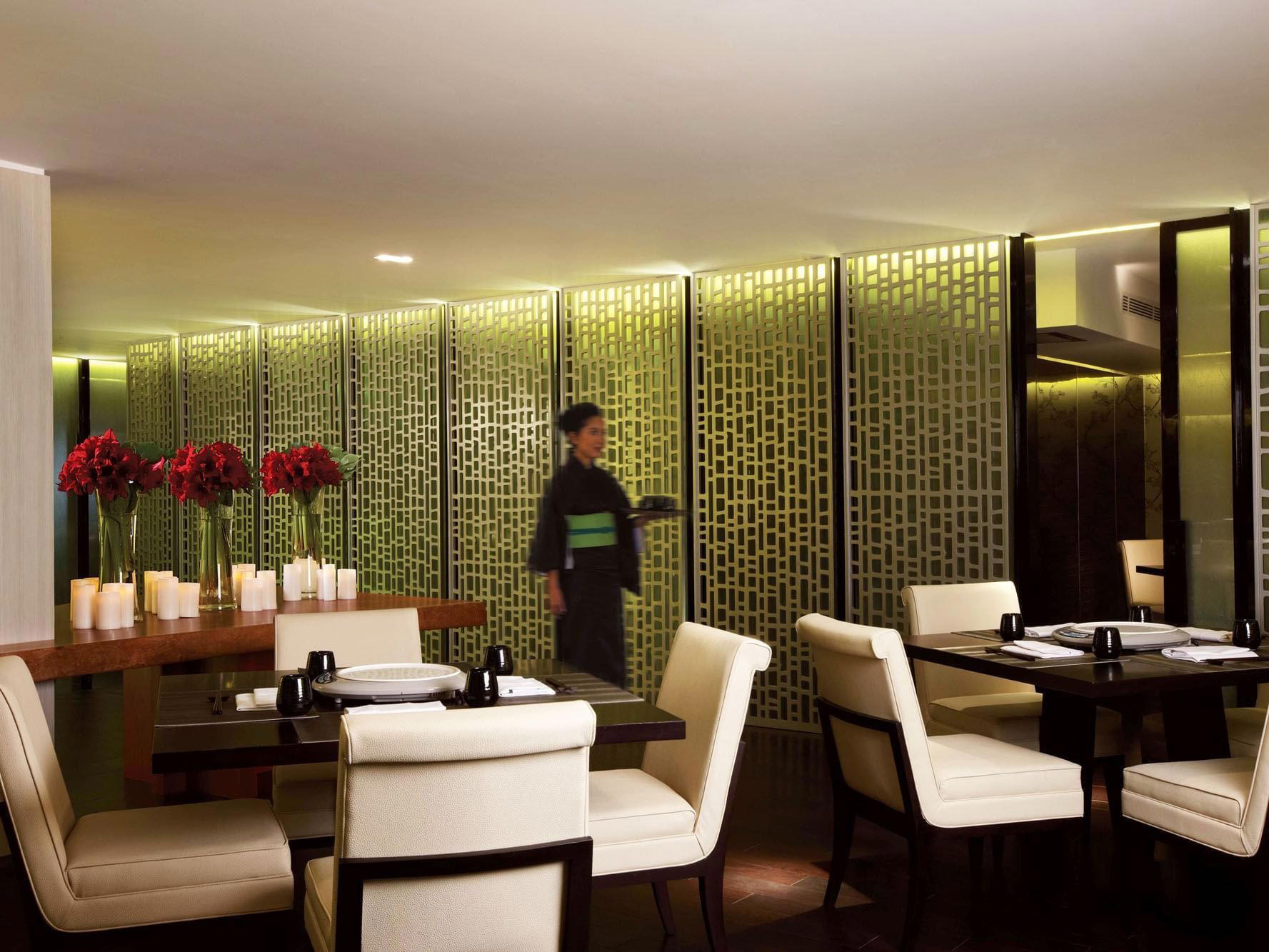
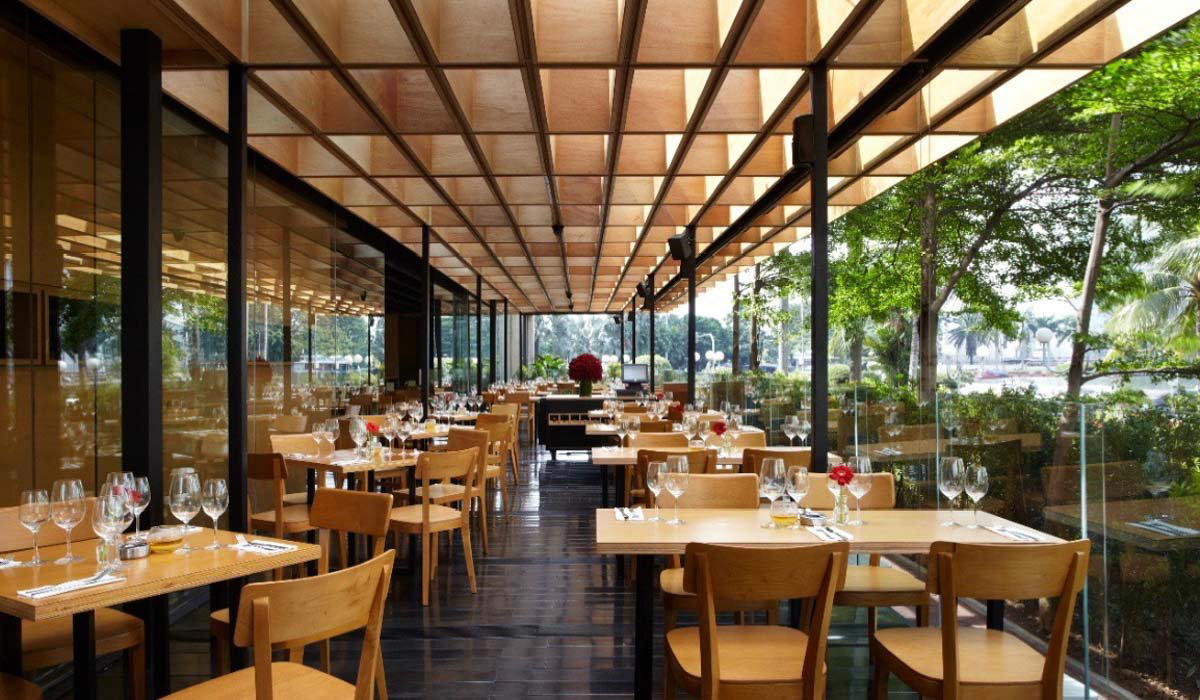
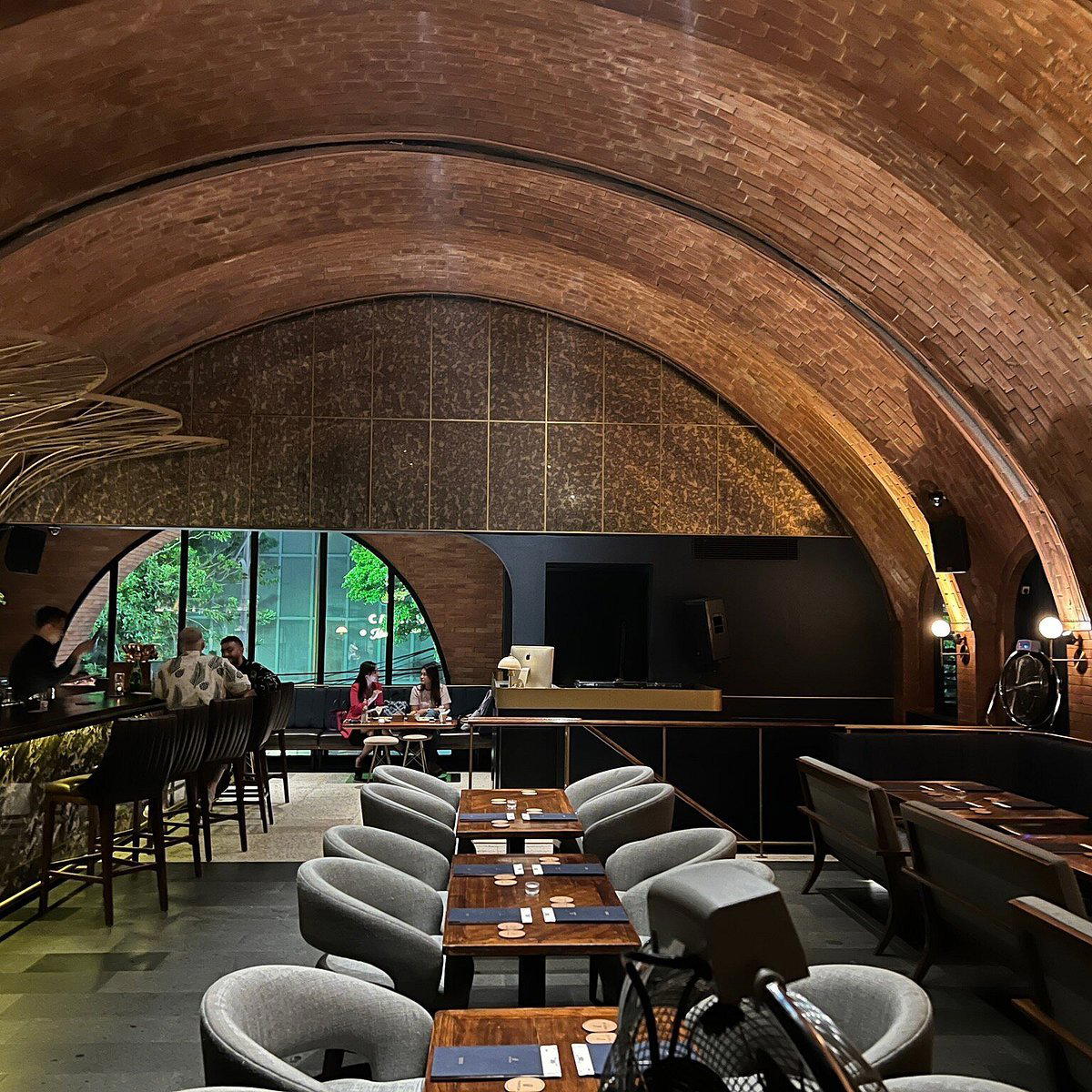
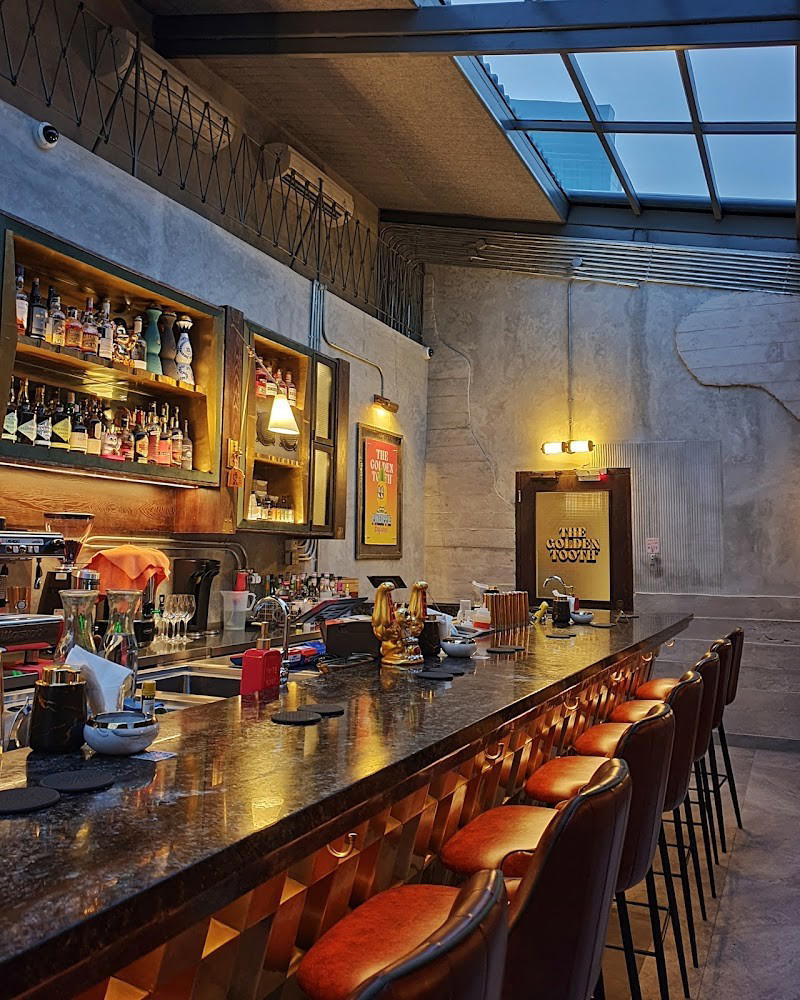
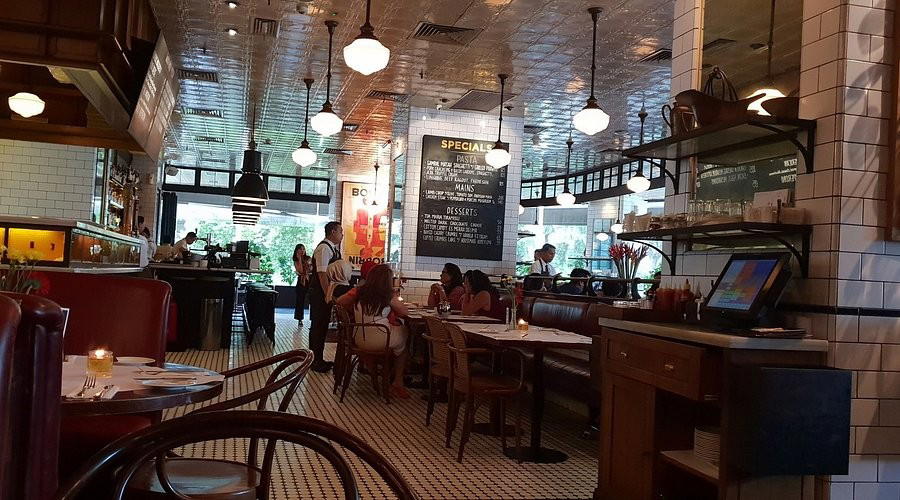
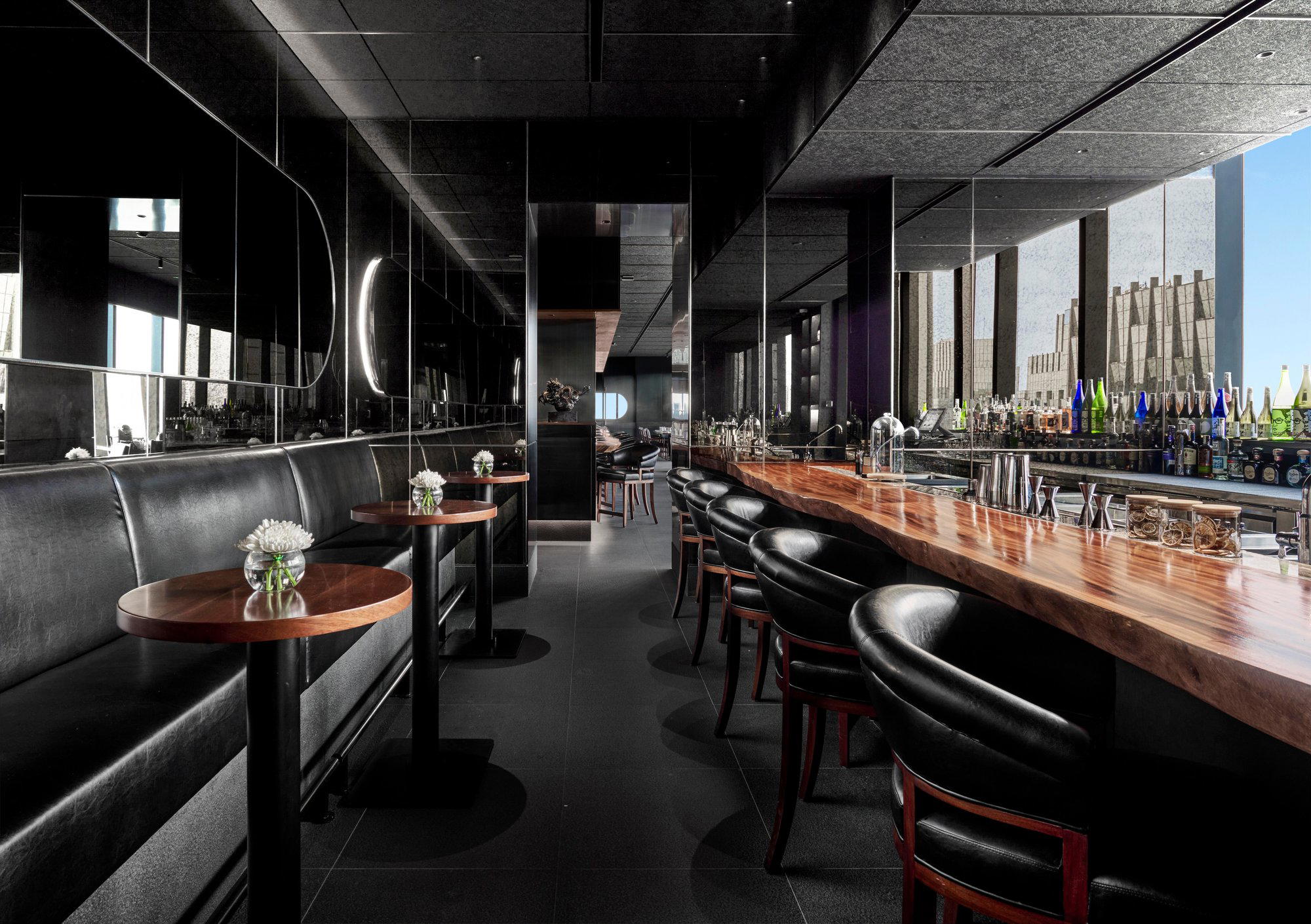
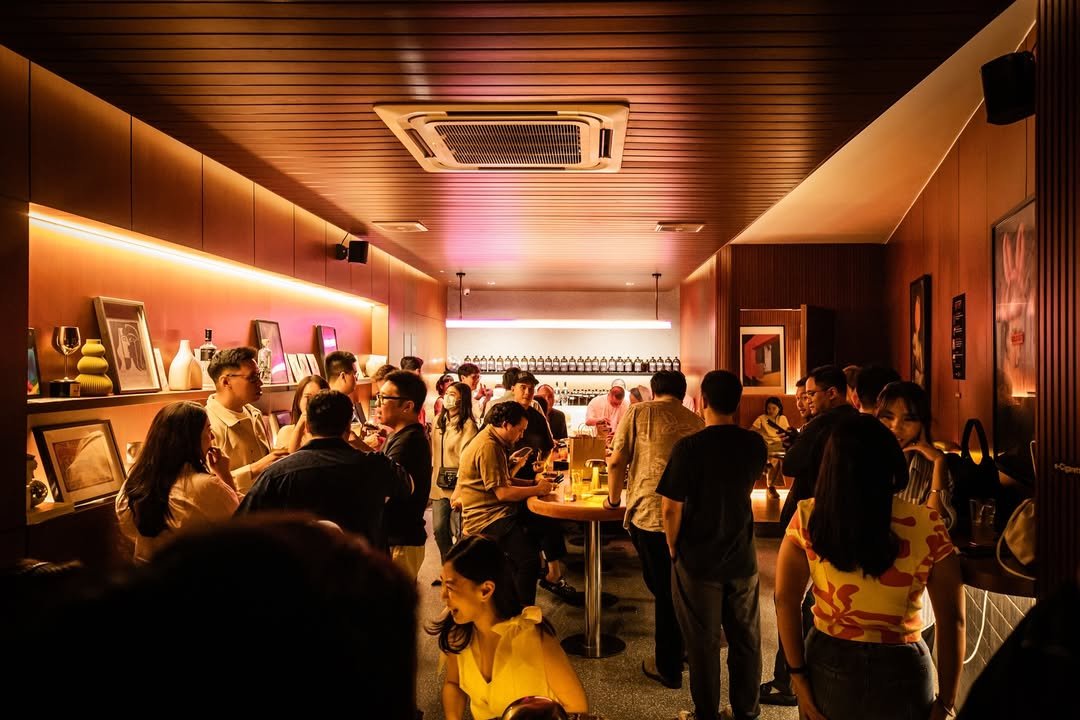
Modern and casual atmosphere popular for lunch and after-work crowds.